
Landscaping
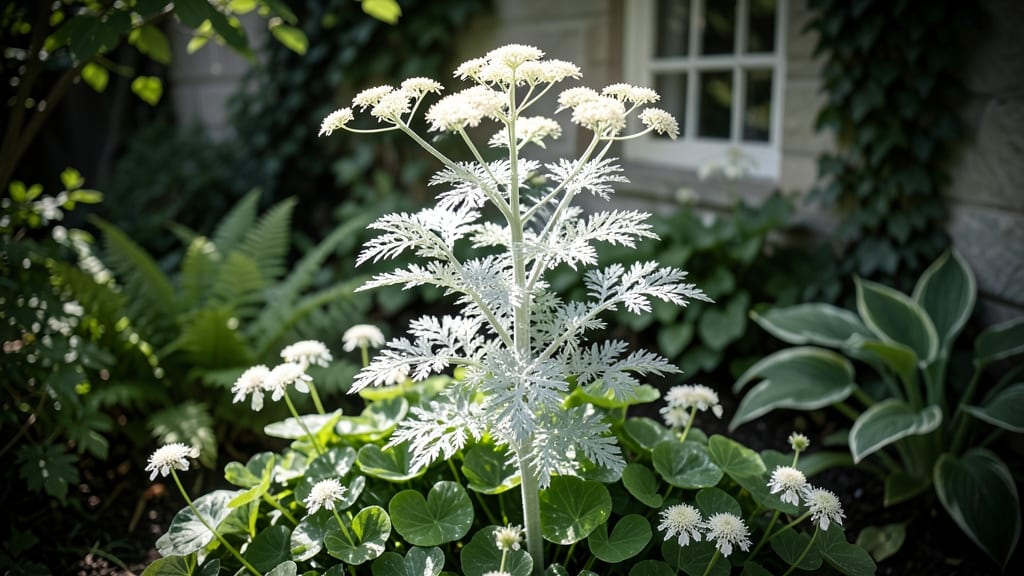
Transform your shady backyard into a lush oasis with these 10 shade garden design ideas tailored for Zone 6's dappled light conditions. Discover plant pairings that flourish where sun struggles, creating year-round beauty with minimal maintenance.
Hostas and Ferns Understory Layer
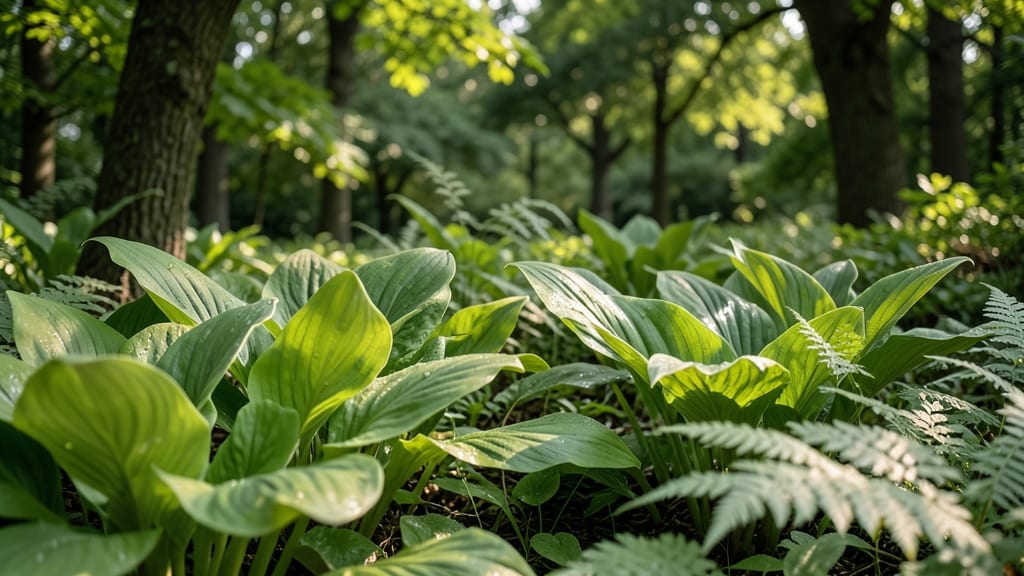
If you love the lush, layered look of a woodland garden but have limited time for maintenance, hostas and ferns are your perfect understory duo. This classic pairing delivers instant texture contrast—bold, chartreuse, or blue-green hosta leaves paired with delicate fern fronds—while requiring almost no upkeep once established.
Start by planting hostas (like 'Blue Angel' or 'Halcyon') as your foundational layer—their broad leaves create a rich backdrop. Then, tuck ferns (such as maidenhair or ostrich fern) around the edges or between hosta clumps for airy movement. Both thrive in consistent shade (under 4 hours of direct sun) and prefer moist, well-draining soil. Mulch with shredded bark to retain moisture and suppress weeds, reducing your workload to just occasional division every few years.
This combination is especially rewarding for gardeners who prioritize low-maintenance beauty and want a garden that feels like a serene forest retreat. 🌿
Japanese Maple and Coral Bells Border
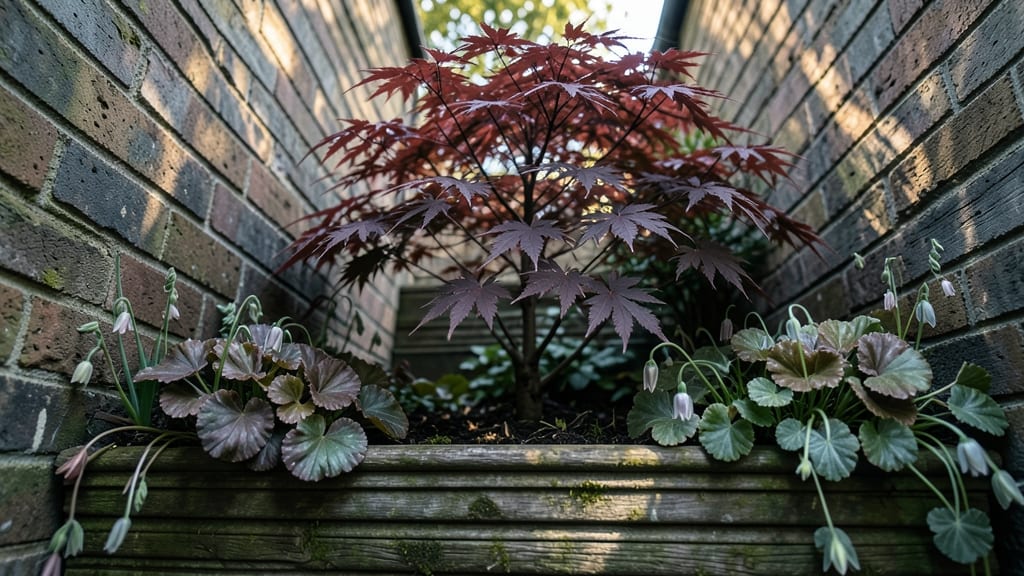
Turn a small, shady corner into a vertical masterpiece with this Japanese maple and coral bells border—where drama meets delicate charm. The slow-growing Japanese maple (like Acer palmatum 'Bloodgood') acts as your focal point, its lacy foliage reaching 6-8 feet tall while casting dappled shade. Pair it with coral bells (Heuchera) spilling over the edges, their vibrant pink or chartreuse leaves adding cascading texture that brightens dim spaces.
Plant the maple 3-4 feet from the border edge to avoid overwhelming small areas, then tuck coral bells in front for year-round color (their foliage stays stunning even when not in bloom). Both thrive in Zone 6’s partial shade, with coral bells tolerating dry soil once established—a perfect combo for low-maintenance elegance. Mulch with shredded bark to retain moisture and suppress weeds.
This design is ideal for urban gardeners with limited space or those who love seasonal interest (maple foliage turns fiery in fall, while coral bells offer winter hardiness). The height contrast creates depth instantly, making it a standout feature. ✨
Heuchera and Astilbe Mixed Perennial Bed
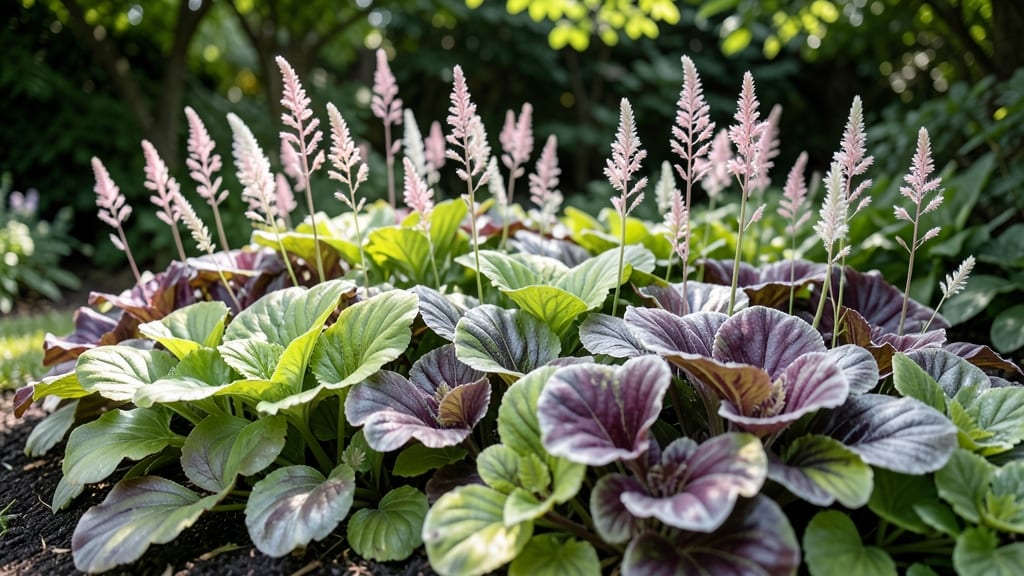
Skip the flower-only beds—this heuchera and astilbe combo turns foliage into your shade garden’s star. The secret lies in their contrasting textures: heuchera’s iridescent leaves (in colors like lime, plum, or silver) act as living paint, while astilbe’s feathery plumes add soft vertical lines that dance in the breeze.
Plant heuchera in clusters at the front (they stay compact at 12–18 inches tall) and tuck astilbe behind for height (2–4 feet, depending on variety). Both thrive in partial to full shade and Zone 6’s humidity, with astilbe blooming from early to mid-summer. For extra drama, mix in ‘Plum Pudding’ heuchera (deep purple) with ‘Fanal’ astilbe (crimson plumes) for a moody, modern palette.
This pairing is perfect for urban gardeners with modern tastes—it delivers year-round interest (heuchera’s foliage shines even in winter) and requires almost no deadheading. Just keep soil moist but well-drained, and watch your shade bed become the envy of the neighborhood. ✨
Shade-Tolerant Camellia and Boxwood Hedge
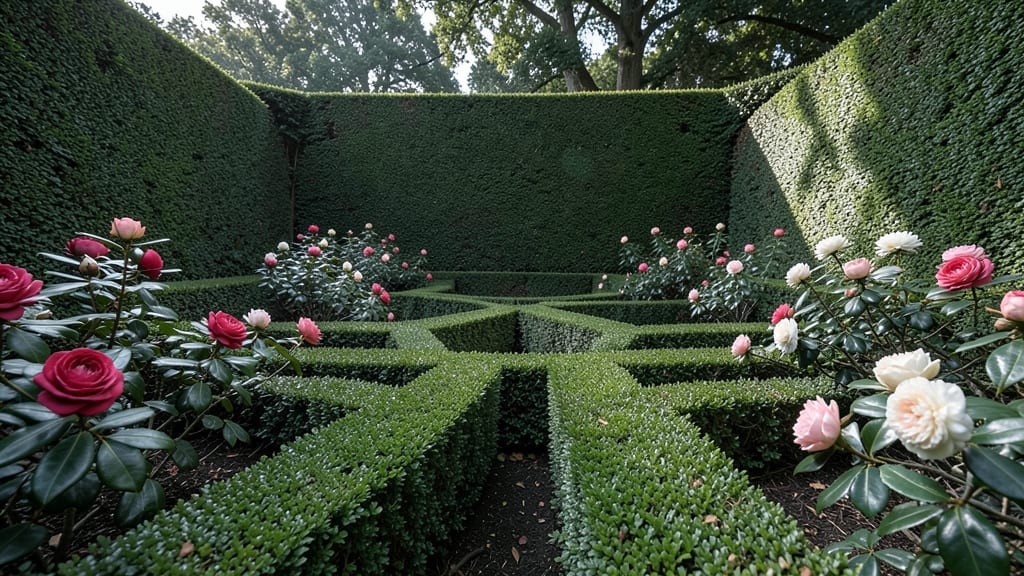
Craving a formal garden with year-round structure and polished elegance? The camellia and boxwood combo delivers winter interest while maintaining crisp lines—ideal for Zone 6’s cooler microclimates where shade thrives.
Start with boxwood as your foundation—its dense, evergreen foliage creates sculptural hedges that stay neatly pruned year-round. Pair it with camellias (like Camellia japonica or sasanqua) for rosy blooms in late winter/early spring, when most gardens feel bare. Both thrive in partial shade (3–6 hours of light) and acidic, well-draining soil, making them low-maintenance stars for structured beds.
This pairing is perfect for urban gardeners with limited space or formal garden enthusiasts who want timeless boundaries without sacrificing beauty. The contrast of glossy camellia leaves against boxwood’s matte green adds depth, while their staggered blooming seasons keep color flowing. ✨
Wild Ginger and Bleeding Heart Woodland Garden
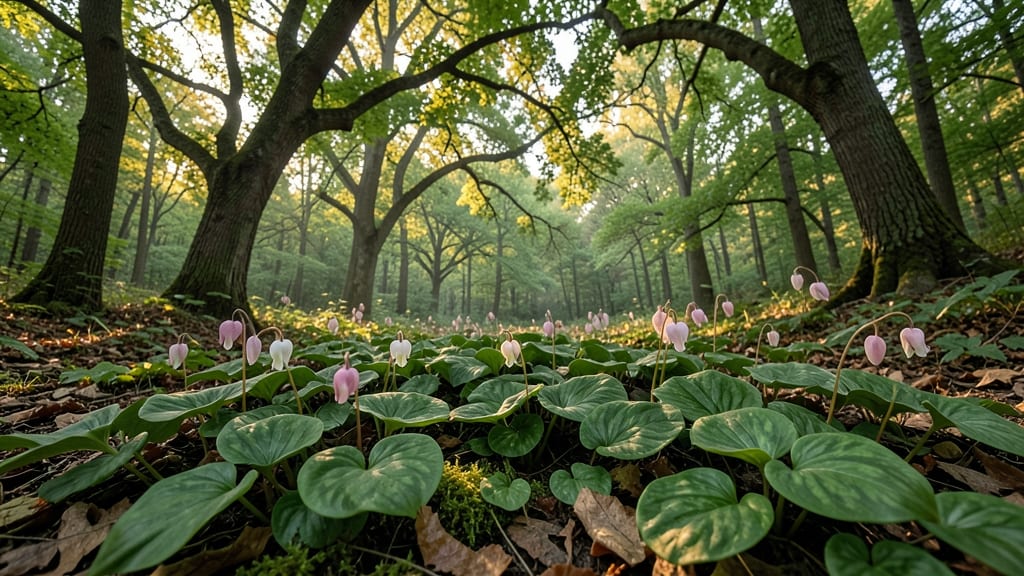
Create a low-maintenance woodland retreat that thrives on its own with wild ginger (Asarum canadense) and bleeding heart (Dicentra spectabilis), two native plants that spread effortlessly while supporting local pollinators. This dynamic duo brings seasonal blooms—heart-shaped flowers in spring and glossy foliage year-round—without demanding constant care.
Wild ginger’s spreading habit creates a lush green carpet, while bleeding heart’s delicate pink or white flowers add vertical interest. Both thrive in partial to full shade and moist, well-draining soil, making them perfect for understory planting. To encourage blooms, mulch with wood chips to retain moisture and suppress weeds—then step back and let nature take over.
This pairing is a game-changer for eco-conscious gardeners who want beauty without the upkeep. Plus, the pollinator-friendly blooms make it a win for bees and butterflies. 💚
Variegated Sweet Woodruff and Lungwort Ground Cover
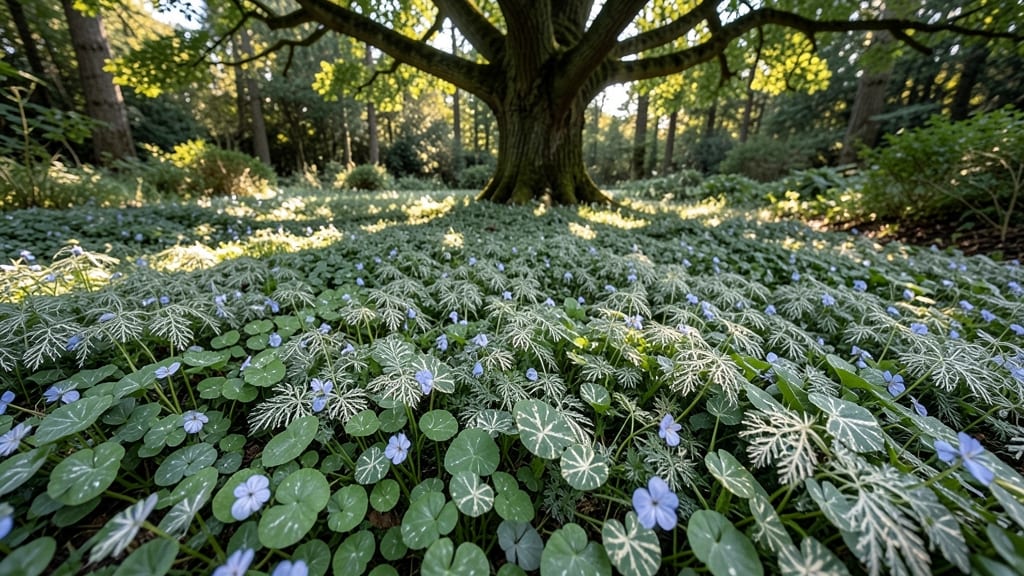
Tired of patchy lawns under trees where grass refuses to grow? Variegated sweet woodruff (Galium odoratum) and lungwort (Pulmonaria) create a fragrant, self-spreading carpet that thrives in deep shade while outcompeting weeds. This dynamic duo transforms problem areas into lush, low-maintenance ground cover that blooms in early spring.
Sweet woodruff spreads quickly via underground runners, forming a dense mat that suppresses weeds naturally. Its delicate white star-shaped flowers and sweet coconut-like scent (especially when crushed) add charm, while lungwort's spotted foliage and pink-to-blue blooms provide visual interest. Both prefer moist, well-draining soil and tolerate Zone 6’s cold winters beautifully. Plant them in clusters along borders or under trees for effortless coverage.
This combination is ideal for urban gardeners with shady patios or anyone seeking a fragrant, pollinator-friendly solution that requires minimal care. Once established, they’ll spread to fill gaps while keeping weeds at bay. 🌱
Dwarf Rhododendron and Pieris Shrub Combination
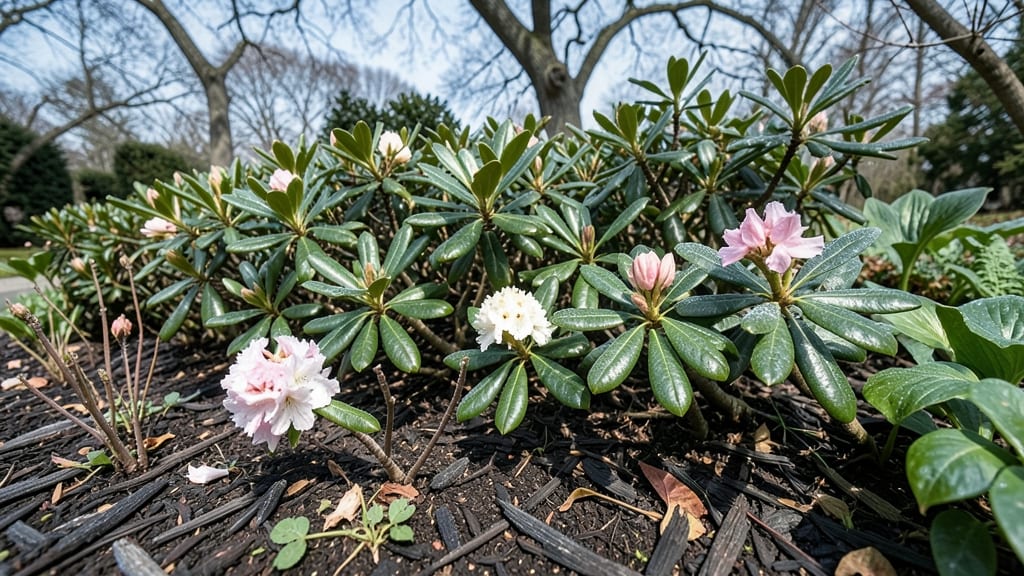
Tired of summer shade gardens that turn dull after the first frost? Dwarf rhododendrons and pieris deliver year-round structure with minimal effort—think glossy evergreen leaves in winter, followed by vibrant spring blooms that appear before most perennials even wake up.
Start with dwarf rhododendron varieties like 'PJM' or 'Nova Zembla' (3-4 feet tall) as your foundational layer—their dark green foliage creates a lush backdrop year-round. Then, add pieris (like 'Little Heath' or 'Cavendishii') in front for cascading white or pink flowers that bloom in late winter to early spring, often before the leaves emerge. Both thrive in Zone 6’s partial shade (3-6 hours of sun) and prefer acidic, well-draining soil—amend with peat moss or pine needles if your soil is heavy.
This duo is perfect for busy gardeners who want low-maintenance color without summer upkeep. The evergreen foliage hides winter's bareness, while the spring blooms give you an early show. Just prune lightly after flowering to maintain shape—no deadheading required! 🌱
Lamium and Brunnera 'Jack Frost' Contrast Bedding
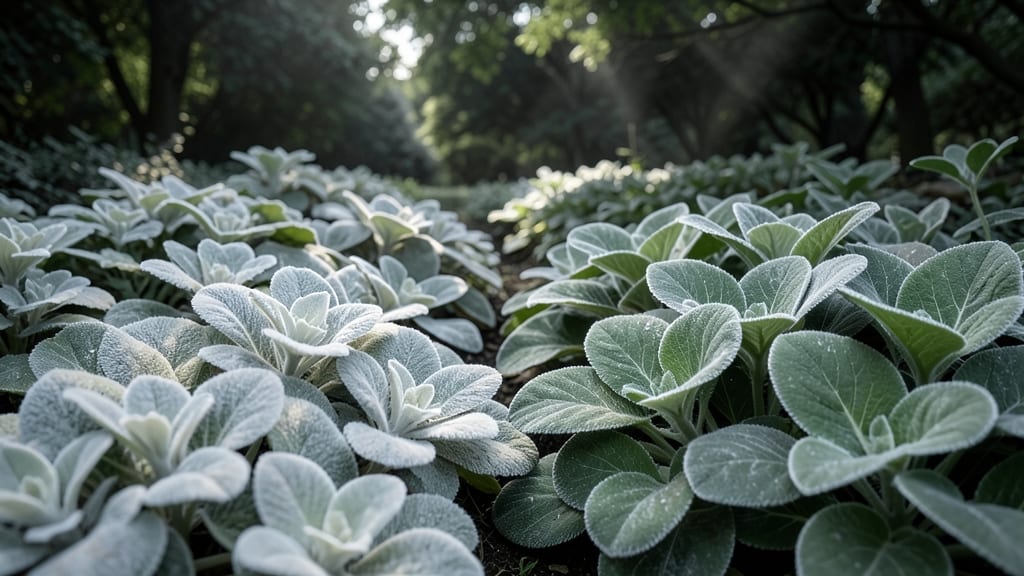
Tired of shade gardens that rely on bold colors? This lamium and Brunnera 'Jack Frost' pairing delivers striking visual drama using only silver and deep green—perfect for minimalist spaces where foliage texture steals the show. The contrast between lamium's silvery-white leaves and Brunnera's heart-shaped, blue-green foliage creates a modern, sculptural look that thrives in Zone 6's partial shade.
Plant lamium (like 'White Nancy') as the airy backdrop—its trailing habit adds movement, while Brunnera 'Jack Frost' anchors the bed with its bold, textured leaves. Both love moist, well-draining soil and 4-6 hours of dappled light, making them ideal for understory plantings. For extra impact, let lamium's purple flower spikes rise above the Brunnera in spring, adding subtle color without overwhelming the design.
This combo is ideal for urban gardeners with modern tastes or those who prefer low-maintenance elegance over flashy blooms. The silver-and-green palette works beautifully in contemporary landscapes, requiring only occasional pruning to keep lamium tidy. 💚
Shade-Loving Hydrangea and Viburnum Shrub Pair
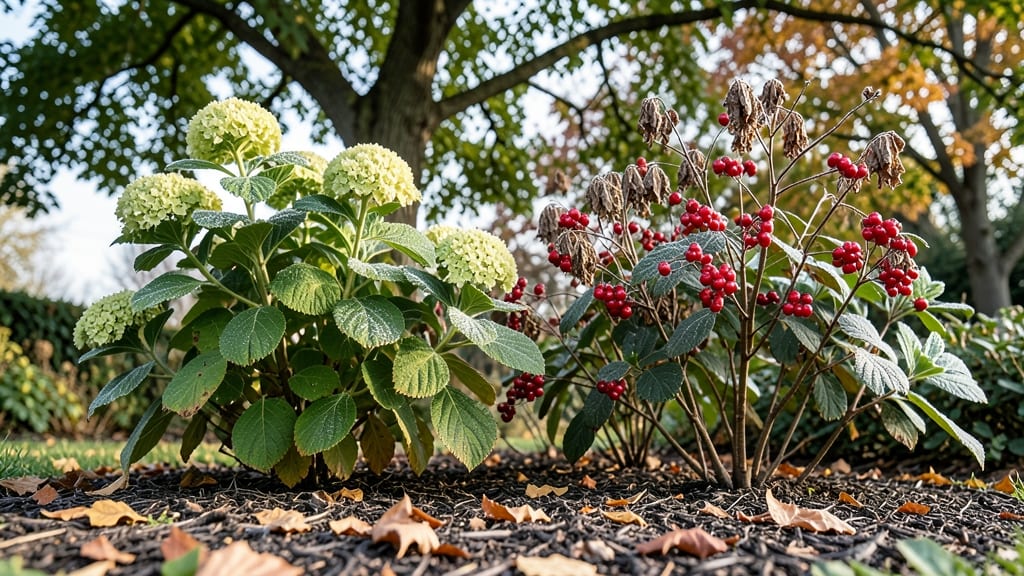
Tired of shade gardens that look dull in winter? The hydrangea and viburnum combo delivers year-round drama with zero fuss—summer blooms transition seamlessly into winter berries that feed birds. This powerhouse pairing thrives in Zone 6’s partial shade (3–6 hours of light) and requires just one light pruning every 2–3 years to maintain shape.
Start with a hydrangea macrophylla (like 'Nikko Blue' or 'Endless Summer') for bold summer blooms in pink, blue, or white. Pair it with a viburnum (such as Viburnum bodnantense 'Dawn' for winter flowers or Viburnum opulus 'Roseum' for summer berries). The hydrangea’s large blooms create a lush backdrop, while the viburnum’s red or black berries add winter color and wildlife value. Both prefer moist, well-draining soil—mulch with shredded bark to retain moisture and suppress weeds.
This duo is perfect for busy gardeners who want low-maintenance structure without sacrificing beauty. The hydrangea’s flowers fade into the viburnum’s berries, creating a seamless seasonal transition that keeps your garden vibrant all year. 🌻
Moonlight Yarrow and Foamflower Cottage Garden

Forget the predictable shade garden—this moonlight yarrow (Achillea millefolium 'Moonlight') and foamflower (Tiarella cordifolia) combo brings unexpected height and whimsy to your cottage garden. While yarrow typically thrives in sun, this shade-tolerant cultivar reaches 2-3 feet tall with delicate, fern-like foliage and pale pink blooms that dance in the breeze, while foamflower’s airy white spikes add ethereal contrast.
Plant moonlight yarrow at the back of your border for structure, spacing clumps 18-24 inches apart to allow air circulation. Tuck foamflower in front—its low-growing habit (6-12 inches) creates a lush, textured carpet. Both love partial shade (3-6 hours of light) and well-draining soil, making them perfect for Zone 6’s dappled conditions. Deadhead spent blooms to encourage more flowers, and watch pollinators flock to this unexpected shade duo.
This pairing is ideal for cottage gardeners who crave romantic charm without fuss—the yarrow’s height adds drama while foamflower’s delicate blooms bring softness. Perfect for borders, woodland edges, or even containers, this combo proves shade gardens can be both structured and whimsical. 🌷