
Plants
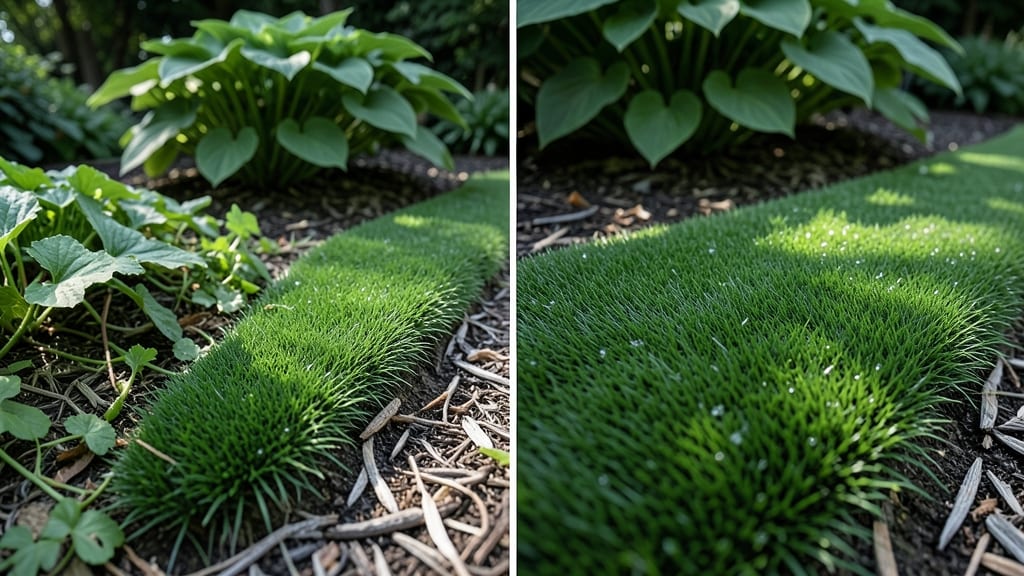
North-facing gardens often struggle with limited sunlight, but these shade-loving plants thrive in low-light conditions while adding vibrant color and texture. Discover hardy, low-maintenance options that transform dark corners into lush, green havens.
Hostas for Textured Ground Cover
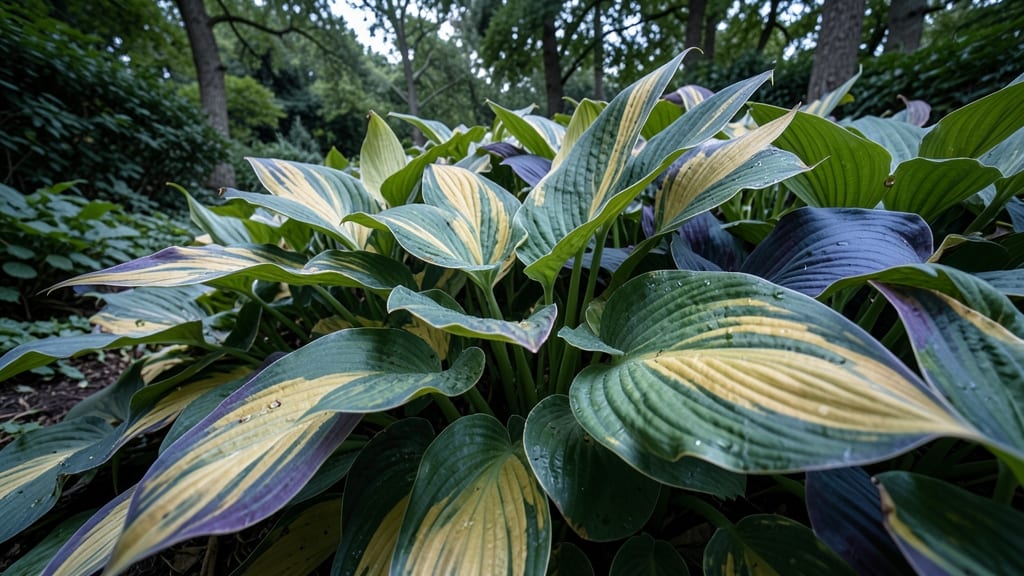
If you’re tired of dull, monotonous shade gardens, hostas bring bold texture and pattern to your north-facing space. Their variegated leaves—ranging from deep green to gold, blue-green, or even purple—create eye-catching contrast that elevates any shady border or woodland garden.
Hostas thrive in deep shade*, tolerating just 2-4 hours of sunlight daily, making them perfect for understory plantings where other plants struggle. Their thick, fleshy leaves also act as a natural deer deterrent, keeping critters from nibbling your other shade favorites. For best results, plant in well-draining, moist soil enriched with organic matter—mulching helps retain moisture and suppress weeds.
Gardeners with limited sunlight or deer pressure will love hostas for their low-maintenance nature and striking visual impact. Pair them with ferns or astilbe for a layered, lush effect that thrives year-round. 🌱
Ferns for Delicate Elegance
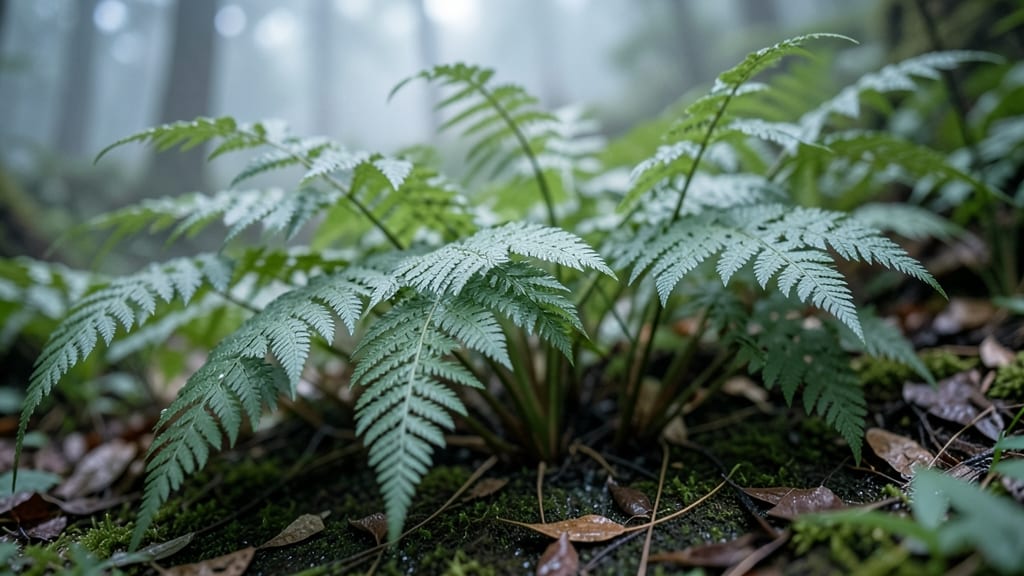
If your north-facing garden feels like a forgotten corner, ferns are the answer—these timeless plants thrive where others struggle, creating a lush, woodland escape with minimal effort. Their delicate, feathery fronds add texture and movement, while their ability to tolerate consistently moist soil makes them ideal for shady spots under trees or along damp borders.
Ferns prefer partial to full shade and appreciate well-draining, slightly acidic soil enriched with organic matter. Varieties like maidenhair ferns or ostrich ferns add height and drama, while smaller types like button ferns create a soft, carpet-like effect. Mulch around the base to retain moisture and suppress weeds—perfect for low-maintenance gardeners.
These plants are especially rewarding for those who love a natural, serene atmosphere. Pair them with hostas or lungwort for a layered, woodland-inspired garden that feels like a quiet retreat. 🌿
Heuchera for Bold Foliage Colors
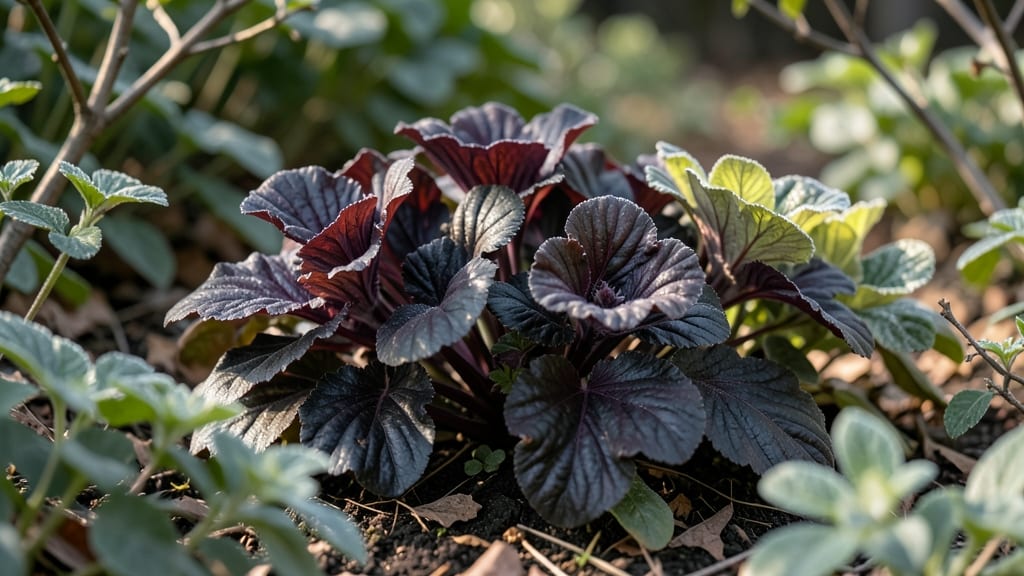
If your north-facing garden feels like a blank canvas, heuchera is your vibrant paint—offering year-round color without needing a single ray of sun. These perennial favorites come in shades of deep purple, silvery chartreuse, and even black, turning shady spots into living art.
Thriving in partial to full shade, heuchera adapts beautifully to containers, garden edges, or understory plantings. Their low-maintenance nature makes them perfect for busy gardeners, as they require minimal water once established. For extra drama, pair varieties like 'Palace Purple' with 'Lime Rickey' to create a striking color contrast.
Urban gardeners and small-space enthusiasts will love how heuchera brightens patios and balconies, while cottage gardeners can use them to add depth to shady borders. Their deer-resistant foliage ensures your investment stays safe from hungry critters. 💚
Astilbe for Fluffy Flower Spikes
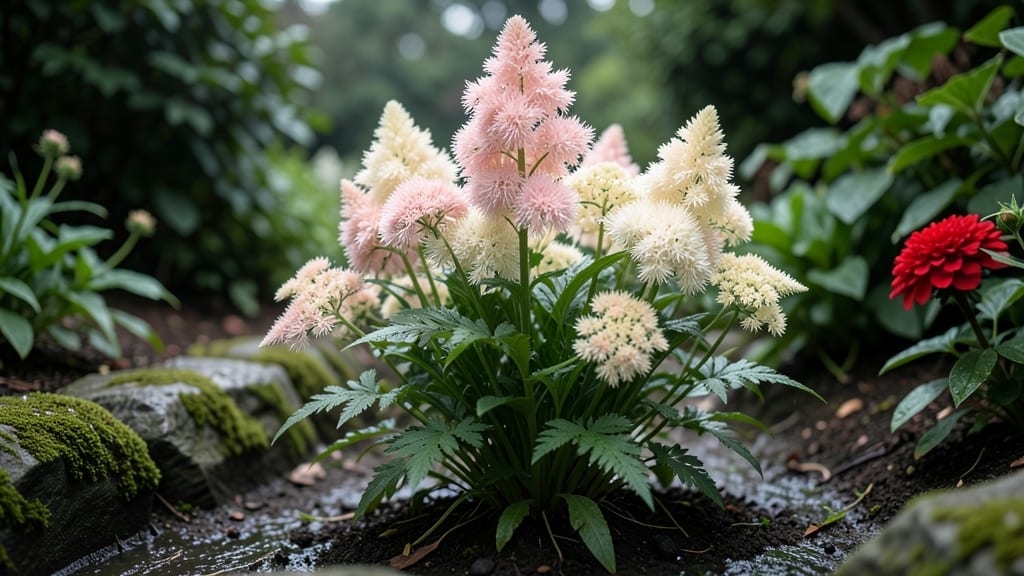
When your north-facing garden needs a dramatic vertical statement without harsh sunlight, astilbe delivers with its cloud-like plumes in soft pinks, whites, or fiery reds. Unlike finicky shade plants, astilbe thrives in moist, even soggy soil, making it ideal for rain gardens or areas where other plants struggle.
These clump-forming perennials reach 1-4 feet tall depending on the variety, creating natural tiers in borders or woodland gardens. Plant them in partial to full shade for the most vibrant blooms, and deadhead spent flowers to encourage a second flush in late summer. Their airy texture pairs beautifully with ferns and hostas for a lush, layered look.
Perfect for gardeners who love low-maintenance drama, astilbe’s feathery blooms attract butterflies while adding movement to still corners. Urban gardeners with containers will appreciate how well they perform in moist potting mixes. 🌻
Lungwort for Medicinal Beauty
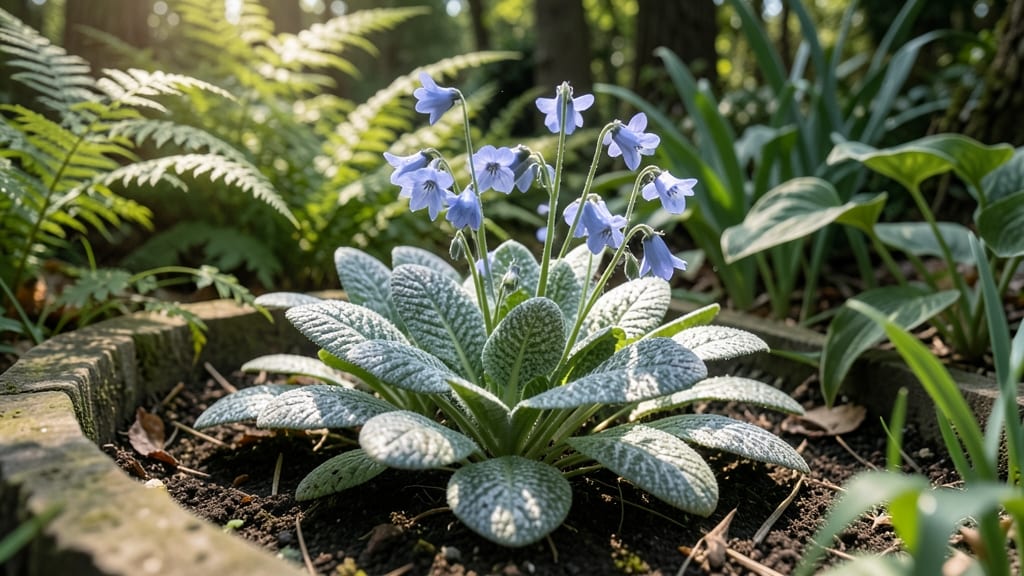
If you love the charm of a cottage garden but struggle with shady spots, lungwort (Pulmonaria) is your secret weapon—combining medicinal history with effortless beauty. Its silvery-spotted leaves and delicate blue flowers not only thrive in moist, shady conditions but also attract bees and butterflies early in the season, making it a pollinator magnet.
This hardy perennial handles partial to full shade and prefers consistently moist, well-draining soil—ideal for understory plantings or woodland gardens. Lungwort spreads gently over time, creating a lush carpet that blooms in early spring before many other shade plants. Its self-seeding habit means fewer chores for you, as it naturally replenishes year after year.
Perfect for gardeners who want both historical interest (its name comes from its historical use in herbal remedies) and practical beauty, lungwort adds texture and color to shady corners with almost no effort. Pair it with ferns or hostas for a serene, low-maintenance woodland retreat. ✨
Japanese Painted Fern
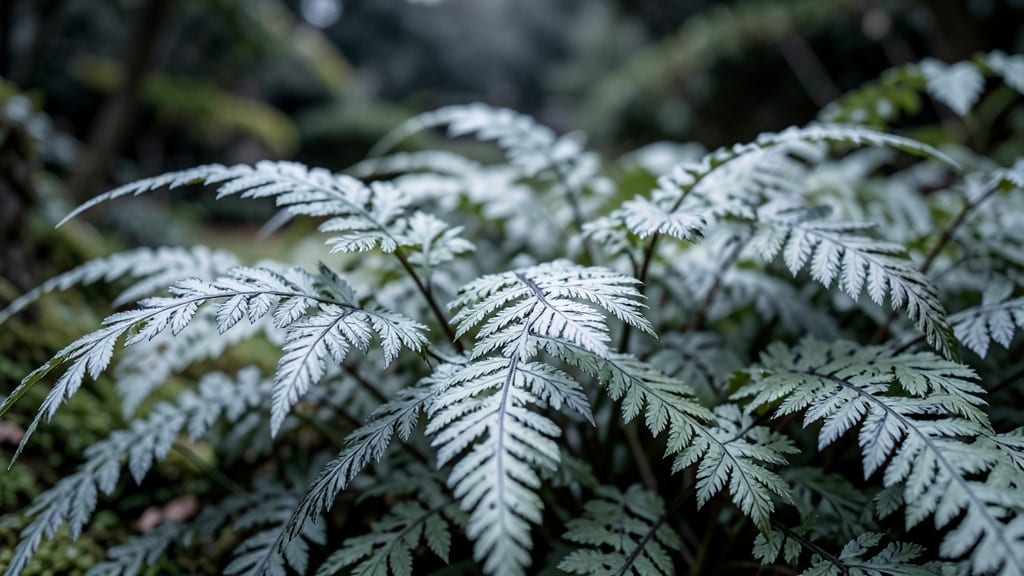
If you’re craving a dramatic focal point for your north-facing garden without relying on flowers, the Japanese painted fern delivers with its bold, silvery-green and black fronds that look like a living watercolor painting. Unlike typical ferns, this variety’s striking contrast makes it a standout in shady containers or woodland gardens, where its architectural leaves create instant visual interest.
This low-maintenance perennial thrives in partial to full shade and prefers moist, well-draining soil—ideal for understory plantings or as a container specimen. Its year-round foliage adds texture even in winter, and it’s deer-resistant, making it a practical choice for problem areas. For best results, plant in clusters or pair with hostas or heuchera to enhance its striking appearance.
Urban gardeners and small-space enthusiasts will appreciate how this fern elevates patios and balconies, while woodland gardeners can use it to create a dramatic understory. Its unique foliage ensures your shade garden stays visually compelling year-round. ✨
Bleeding Heart for Romantic Flowers
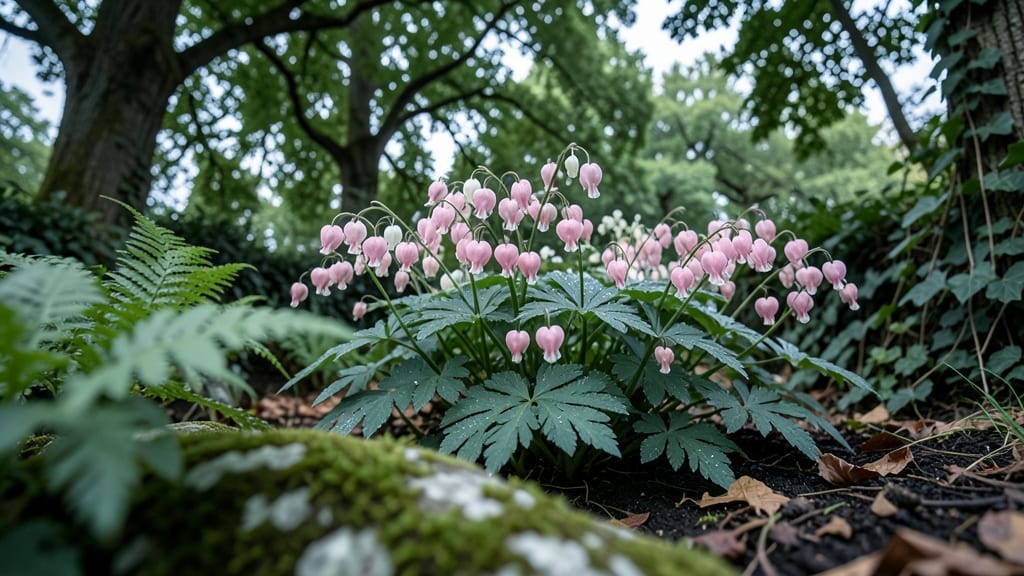
Transform your north-facing garden into a romantic retreat with bleeding heart (Dicentra spectabilis), a shade-loving perennial that delivers dreamy, heart-shaped blooms in soft pink or white. Unlike sun-hungry flowers, this plant thrives in partial shade, making it perfect for woodland edges or cottage garden borders where light is dappled and gentle.
Bleeding heart grows 2-3 feet tall with arching stems that create natural vertical interest, while its lush green foliage provides year-round structure. For best results, plant in well-draining, moist soil enriched with organic matter—mulching helps retain moisture and suppresses weeds. Deadhead spent blooms to encourage a second flush in late summer, and watch as this plant becomes the star of your shady garden.
Cottage gardeners and woodland enthusiasts will adore how bleeding heart adds whimsy and charm to shady spots. Pair it with ferns or hostas for a layered, fairytale-like effect that blooms beautifully in spring. ✨
Sweet Woodruff for Fragrant Ground Cover
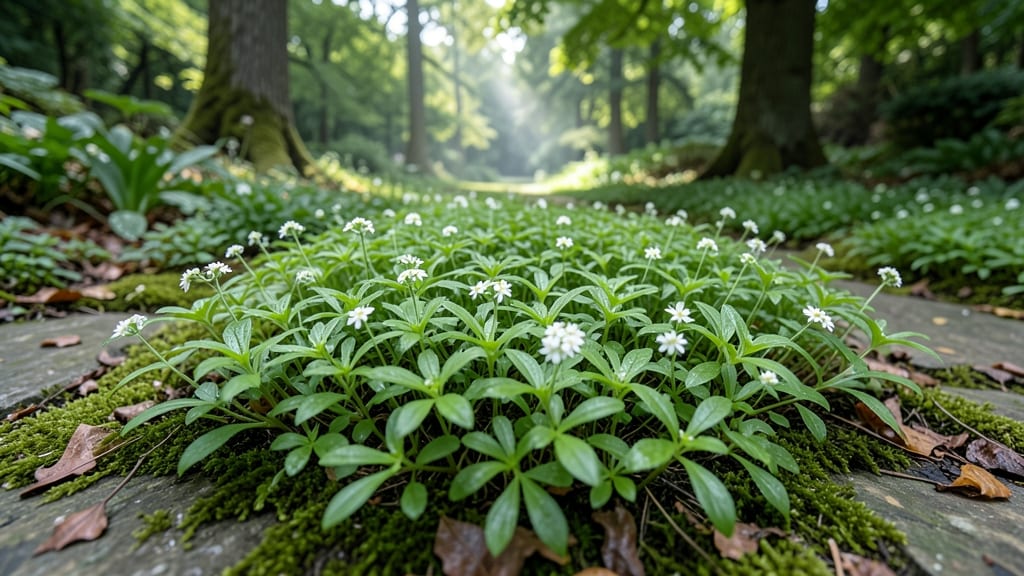
Transform your north-facing garden into a fragrant sanctuary with sweet woodruff (Galium odoratum), a low-growing ground cover that spreads effortlessly while filling the air with a vanilla-like scent when brushed against. Unlike many shade plants that rely on bold foliage or flowers, sweet woodruff charms with its aromatic leaves, making it perfect for pathways, understory plantings, or as a living mulch.
This hardy perennial thrives in partial to full shade and tolerates a wide range of soil types, though it prefers moist, well-draining conditions. Its delicate white flowers appear in late spring, adding a subtle contrast to its lush green carpet. To encourage spreading, simply divide clumps every few years—no fancy pruning required. Sweet woodruff also deters slugs, making it a practical choice for gardeners who battle pests in damp shade.
Ideal for gardeners who love sensory experiences, sweet woodruff turns shady corners into fragrant retreats. Pair it with hostas or ferns for a layered, low-maintenance woodland garden that delights the nose as much as the eyes. 🌿
Coral Bells for Season-Long Color
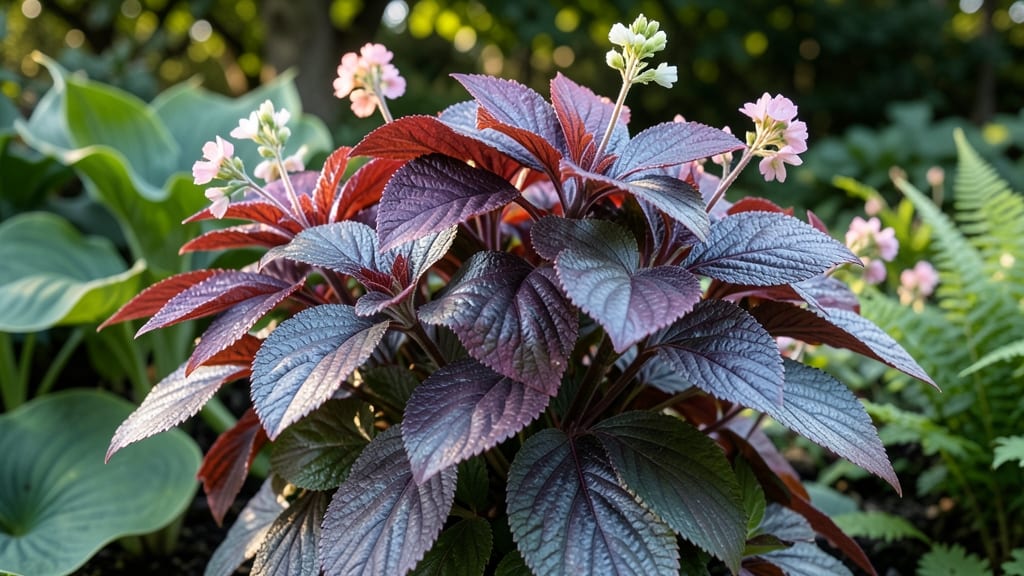
Tired of shade gardens that look dull and one-dimensional? Coral bells (Heuchera) bring a double punch of color—vibrant foliage in deep purple, fiery red, or silvery hues and delicate summer flowers in pink, white, or chartreuse. Unlike plants that fade in low light, coral bells thrive in partial shade, making them perfect for north-facing borders where other plants struggle.
These versatile perennials offer year-round interest, with foliage that stays striking even in winter. Plant them in well-draining soil** and water moderately—once established, they’re drought-tolerant. For containers, mix varieties like 'Berry Smoothie' (red) with 'Palace Purple' (deep violet) to create a layered, colorful display. Their compact size (12-18 inches tall) makes them ideal for edging or filling gaps in shady beds.
Urban gardeners and small-space enthusiasts will love how coral bells brighten patios and balconies, while cottage gardeners can use them to add depth to shady borders. Their deer-resistant nature means you won’t lose them to hungry critters—just enjoy the season-long color with minimal effort. 💚
Dwarf Mondo Grass for Edging

Tired of messy, uneven garden edges that look unkempt even in shade? Dwarf mondo grass is the secret weapon for creating crisp, year-round green borders that stay neat without constant trimming. This evergreen grass grows just 3-6 inches tall, forming dense, velvety mats that suppress weeds naturally while defining pathways or flower beds.
Unlike finicky shade plants, mondo grass thrives in deep to partial shade and handles dry conditions once established, making it perfect for north-facing gardens where moisture lingers. Plant it in well-draining soil along garden edges, around trees, or in containers for a polished look. Its slow spread means minimal maintenance—just an occasional trim with shears to keep it tidy.
This is the ideal solution for gardeners who want clean lines without the work of formal hedges. Urban gardeners with narrow spaces and cottage gardeners craving structure will appreciate how mondo grass frames other shade plants beautifully while requiring almost no attention. 💪