
Light Requirements
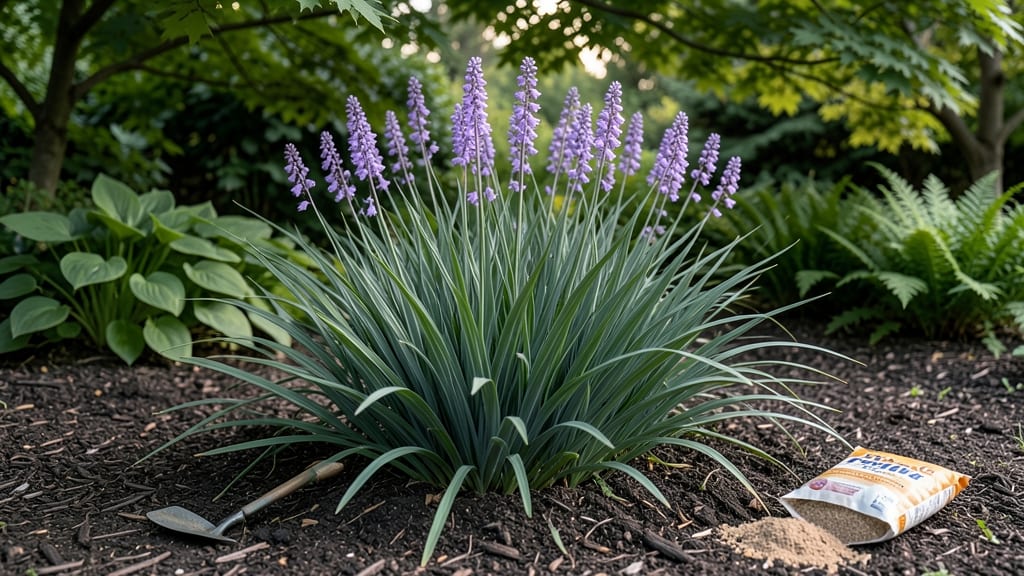
Shade-loving creeping plants turn dark corners into lush, low-maintenance gardens. 🌿 I’ve transformed my own shady spots with plants that spread effortlessly while adding texture and color—no sun required. These hardy ground covers thrive where most plants struggle, filling gaps under trees, along fences, or on slopes with minimal effort.
Think pachysandra, creeping phlox, or wild ginger—plants that stay green year-round, suppress weeds, and adapt to everything from dappled shade to deep shadows.
They’re perfect for busy gardeners who want beauty without the upkeep, and their varied foliage and flowers create stunning contrasts with ferns, hostas, or shade-loving perennials.
By the end of your first growing season, you’ll have a dense, weed-free carpet that stays vibrant through summer heat and winter chill. The best part? These plants spread naturally, so once established, they require almost no maintenance—just occasional trimming to keep them tidy.
Whether you’re covering a shady slope, softening a tree’s base, or adding color to a dull corner, these creeping plants deliver instant impact with zero fuss. Let’s pick the perfect ones for your space!
📚 In This Guide
- What you need
- Instructions
- Tips and common mistakes
- Wrapping up and next steps
What you need
- ● Shade-tolerant creeping plants: 1–3 plants of Liriope muscari (Lily Turf) – 1 gallon pots each
- ● 1–3 plants of Ajuga reptans (Bugleweed) – 1 gallon pots each
- ● 1–2 plants of Pachysandra terminalis (Japanese Pachysandra) – 1 gallon pots each
- ● 1–2 plants of Sedum ‘Dragon’s Blood’
- ● Soil amendments: 5–10 lbs of compost (for enriching soil)
- ● 2–3 lbs of peat moss or coconut coir (for moisture retention)
- ● Mulch: 2–3 bags of shredded bark or pine straw (to retain moisture and suppress weeds)
- ● Required: 1 garden trowel (for planting)
- ● 1 pruning shears (for trimming and shaping)
- ● 1 garden hose or watering can (with a fine rose nozzle)
- ● 1 measuring tape (to plan spacing)
- ○ Optional (but helpful!): 1 garden fork (for aerating compacted soil)
- ● 1 gloves (to protect your hands)
- ● 1 spreader (for even mulch distribution)
- ● 1 pH testing kit (to check soil acidity, ideal: 6.0–7.0)
- ● ✅ A shady or partially shady area (dappled sunlight or <6 hours of direct sun/day)
- ● ✅ Well-draining soil (amend with compost if clay-heavy)
- ● ✅ Moisture-retentive environment (mulch helps!)
- ● ✅ Patience! Some plants take 1–2 years to fully establish and spread.
Step-by-Step guide to planting shade-loving creeping plants
Transform dark corners into lush, living carpets with these hardy, low-maintenance ground covers.
🌱 Step 1: Prepare the Soil for Optimal Growth
Shade-loving creepers thrive in well-draining, moisture-retentive soil with a pH between 5.5 and 7.0. Work 2-3 inches of compost into the top 6-8 inches of native soil to improve fertility and structure. If your soil is heavy clay, mix in 1 part perlite or coarse sand to prevent compaction and encourage root spread.
Test the moisture level by squeezing a handful of soil—it should hold together but not feel soggy. If it crumbles easily, your soil is too dry; if it stays clumped and wet, amend with 1 part peat moss to improve drainage. Avoid tilling too deeply, as these plants develop shallow, fibrous roots that spread horizontally rather than dive deep.
🪴 Step 2: Choose and Plant the Right Creeping Varieties
For full shade (less than 3 hours of direct sun), select ajuga (bugleweed), lamium (dead nettle), or heuchera (coral bells)—all spread via stolons or runners. For partial shade (3-6 hours of sun), creeping phlox, sedge (Carex spp.), or sweet woodruff are excellent choices. Plant in early spring or fall when soil temperatures are cool (50-65°F) to reduce transplant shock.
Dig holes twice as wide as the root ball but only as deep as the container. Space plants 12-18 inches apart—closer for faster coverage, wider for slower-spreading varieties. Gently tease out roots if they’re circling, then backfill with native soil mixed with 1 cup compost per plant. Water deeply to eliminate air pockets and encourage root contact with the amended soil.
💧 Step 3: Establish Watering and Mulching Routine
Keep the soil consistently moist but never waterlogged for the first 4-6 weeks after planting. Water deeply 2-3 times per week, aiming for 1 inch of water per session. Reduce frequency once plants show new growth—mature creepers are drought-tolerant once established. Use a soaker hose or drip irrigation to deliver water at soil level and avoid wetting foliage, which can promote fungal diseases in dense shade.
Apply a 2-3 inch layer of mulch (shredded bark, pine needles, or leaf mold) to suppress weeds, retain moisture, and regulate soil temperature. Keep mulch 2 inches away from plant stems to prevent rot. Replenish mulch annually in early spring, mixing in 1 inch of compost to refresh nutrients. This layer also protects roots from temperature fluctuations, which is critical in deep shade where soil stays cooler and wetter.
☀️ Step 4: Monitor Light and Prune for Full Coverage
Observe plant growth patterns—some varieties (like ajuga) spread aggressively, while others (heuchera) stay more contained. If edges become thin, trim back overgrowth in early spring using clean, sharp shears to encourage denser foliage. Cut back 1/3 of the oldest stems to rejuvenate growth and prevent legginess in low-light conditions.
Watch for yellowing leaves, which signal either too much moisture or nutrient deficiency. If soil feels compacted, aerate gently with a fork and top-dress with 1/4 inch of compost. In deep shade, supplement with a balanced, slow-release fertilizer (10-10-10) in early spring and mid-summer. Avoid high-nitrogen fertilizers, which promote leafy growth at the expense of root development and spreading.
✂️ Step 5: Maintain and Expand Over Time
Once established, these plants require minimal care—divide clumps every 3-4 years in early spring to prevent overcrowding. Dig up sections with a sharp spade, ensuring each piece has 3-4 stems. Replant divisions in prepared soil, water deeply, and mulch to reduce stress. This rejuvenates growth and fills in bare spots naturally.
To expand coverage, edge plantings with cuttings in late summer. Snip 4-6 inch sections of healthy runners, strip lower leaves, and dip in rooting hormone. Plant in moist, well-draining soil, water lightly, and cover with a clear plastic dome until roots form (4-6 weeks). Remove the dome once new growth appears—this method fills gaps without disturbing the main plant.
Tips & tricks for perfect shade-loving creeping plant installations
These game-changing strategies will help you transform those tricky dark corners into thriving green spaces with minimal effort.
Soil Prep Secret: Don't just amend the top few inches—focus on the 6-8 inch depth mentioned in Step 1, but work in a gentle, horizontal motion with your hands or a broadfork. This preserves the shallow root structure these plants rely on while ensuring proper drainage. For clay-heavy soils, mix in 1 part perlite to create pockets that prevent waterlogging, which is especially critical in deep shade where evaporation is minimal.
Plant Selection Insight: When choosing varieties in Step 2, consider the 3-6 hour partial shade range carefully. Creeping phlox, for example, handles this better than ajuga—its flowers add seasonal interest while maintaining ground cover. For full shade (less than 3 hours), heuchera's colorful foliage makes it a standout, but pair it with lamium for both texture and pollinator appeal. Always verify your microclimate by observing how nearby plants perform before committing to spacing.
Watering Hack: The 2-3 times per week guideline in Step 3 works perfectly with a simple DIY moisture meter: stick a wooden chopstick into the soil after watering. If it comes out dry after 24 hours, you're underwatering; if it feels damp after 48 hours, you're overdoing it. In deep shade, morning watering prevents fungal issues by allowing foliage to dry before nightfall—a crucial detail often overlooked.
Pruning Precision: When trimming back 1/3 of the oldest stems in Step 4, use clean shears and make cuts at a 45-degree angle just above a leaf node. This encourages bushier regrowth while preventing disease entry points. For aggressive spreaders like ajuga, I find pruning in early spring (before new growth) gives the most dramatic density boost by the summer. Always sterilize your tools between cuts to avoid spreading pathogens in dense plantings.
Pro Tips for Shade Loving Creeping Plants
- These game-changing strategies will help you transform those tricky dark corners into thriving green spaces with minimal effort.
- Soil Prep Secret: Don't just amend the top few inches—focus on the 6-8 inch depth mentioned in Step 1, but work in a gentle, horizontal motion with your hands or a broadfork.
- Plant Selection Insight: When choosing varieties in Step 2, consider the 3-6 hour partial shade range carefully.
Frequently asked questions
Got questions about shade-loving creeping plants? You’re not alone!
Here are some of the most common queries—and their easy, expert-backed answers—to help you pick and grow the perfect ground cover for your shady spots.
What are the best shade-loving creeping plants for beginners?
Start with Liriope muscari (monkey grass), Hosta varieties, or Ajuga reptans (bugleweed). These are hardy, low-maintenance, and thrive in low light. For a pop of color, try Pachysandra terminalis (pachysandra) or Lamium galeobdolon (dead nettle). All are forgiving and great for filling in gaps quickly!
How long does it take for shade creeping plants to spread and cover the ground?
Most shade-loving creepers take 1–2 growing seasons to fully establish and fill a space. Fast growers like Ajuga or Liriope may show noticeable spread in 6–12 months, while slower options like Hosta take a bit longer. Patience pays off—thicker coverage means fewer weeds and a lush, polished look!
Do shade creeping plants need extra watering, or are they drought-tolerant?
Most shade-loving creepers are moderately drought-tolerant once established, but they’ll appreciate consistent moisture (about 1 inch per week) during their first year. Mulch with 2–3 inches of organic material (like shredded bark) to retain moisture and protect roots. Overwatering can cause rot, so ensure good drainage!
Can I grow shade creeping plants in containers or just in the ground?
Many shade-loving creepers thrive in containers, hanging baskets, or window boxes. Choose compact varieties like Sweet Potato Vine or Creeping Jenny (Lysimachia nummularia) for pots. Use well-draining soil and ensure containers are at least 6–12 inches deep to accommodate root growth. Just monitor moisture—containers dry out faster!
What pests or diseases should I watch for with shade creeping plants?
Common issues include:
- Slugs/snails: Munch on tender leaves (use beer traps or diatomaceous earth).
- Fungal diseases (like powdery mildew): Improve airflow and avoid overhead watering.
- Deer/rabbits: Opt for deer-resistant picks like Liriope or Ajuga.
Regularly inspect foliage and act fast if you spot damage—most problems are preventable with good care!
What’s a good alternative if my shade area gets too wet?
If your spot is boggy, try mosses (like Cushion Moss), sedges (e.g., Carex species), or Sweet Flag (Acorus calamus). These handle moisture like pros! For a pop of color, Heuchera (coral bells) or Astilbe also tolerate damp soil. Just amend heavy clay with compost to improve drainage.
Wrapping up and next steps
Transforming those shady spots in your garden into lush, vibrant spaces is easier than you think! Shade-loving creeping plants like Liriope, Hosta, or Ajuga offer year-round beauty, low maintenance, and soil erosion control—all while thriving in low light.
Whether you're a seasoned gardener or just starting out, these hardy plants are your secret weapon for adding texture and color to forgotten corners. 🌿
Ready to take the next step? Pick one (or two!) plants from this list, grab some mulch, and start planning your design. Before you know it, your garden will be the envy of the neighborhood—without needing a single extra hour of sunlight!