
Light Requirements
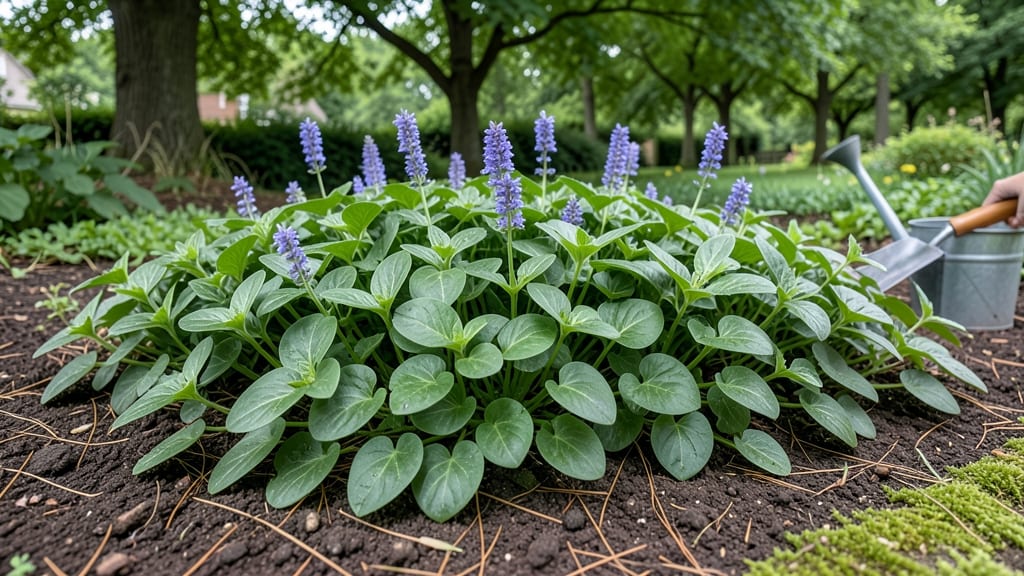
A partial shade ground cover 🌿 can turn your shady garden corners into lush, green carpets—without the sun.
Struggling to find a lush, low-maintenance ground cover that thrives in partial shade? Many gardeners avoid this challenge—but the right plants can transform dull, patchy areas into vibrant, weed-free carpets with minimal sunlight.
These fast-spreading options don’t just survive in low light; they outperform weeds while adding texture, color, and year-round interest. Whether you’re filling gaps under trees, lining pathways, or softening mixed borders, there’s a solution that fits your climate and soil.
Below, I’ll share 10 tough, low-maintenance picks that spread quickly, their ideal growing conditions, and how to plant them for maximum impact—so you can enjoy a green, thriving space with almost no effort.
 Best Window Placement
Fast-spreading partial shade ground covers that outperform weeds
If you’ve ever stared at a shady patch of your yard and sighed at the weeds creeping in, you’re not alone. The good news? Partial shade ground covers exist that spread faster than weeds while requiring far less effort.
These tough plants thrive on just 2-6 hours of sunlight daily, creating lush carpets that suppress weeds naturally. Whether you need evergreen coverage year-round or seasonal bursts of color, there’s a solution for your garden’s tricky spots.
I’ve tested these top 10 fast-spreading ground covers in my own partial shade areas, and they’ve transformed barren patches into vibrant, low-maintenance landscapes. From creeping jenny’s bright green foliage to wild ginger’s deep green leaves with purple undersides, each plant offers unique textures and colors while outcompeting weeds.
The key is choosing plants that match your soil type, climate zone, and whether you prefer perennial reliability or seasonal interest.
Why settle for weeds when these ground covers spread aggressively, require minimal care, and often flower or add texture? Many also improve soil health by preventing erosion and reducing compaction. Below, I’ve rounded up the best performers—evergreens for year-round coverage and seasonal options for color—plus their care requirements to help you pick the perfect fit for your garden.
| Plant Name | Spread Rate | Sunlight Needs | Mature Height | Unique Feature |
|---|---|---|---|---|
| Creeping Jenny (Lysimachia nummularia) | 12-18" per year | 3-6 hours sun | 3-6 inches | Golden-yellow foliage |
| Wild Ginger (Asarum canadense) | 10-12" per year | 2-4 hours sun | 6-12 inches | Heart-shaped leaves, purple undersides |
| Allegheny Spurge (Pachysandra procumbens) | 10-15" per year | 3-6 hours sun | 6-10 inches | Native, evergreen, white spring flowers |
| Liriope (Liriope muscari) | 12-18" per year | 4-6 hours sun | 12-18 inches | Grass-like, purple spikes in summer |
| Sweet Woodruff (Galium odoratum) | 10-12" per year | 2-4 hours sun | 6-9 inches | Fragrant foliage, white spring blooms |
| Hosta (Hosta spp.) | 8-12" per year | 3-4 hours sun | 12-36 inches | Variegated leaves, shade-tolerant |
| Foamflower (Tiarella cordifolia) | 6-10" per year | 2-4 hours sun | 6-12 inches |
How to choose the best partial shade ground cover for your climate and soilSelecting the right partial shade ground cover depends on more than just sunlight—your local climate and soil type play huge roles in success. In USDA zones 5-8, for example, moisture-retentive plants like hostas or heucheras thrive, while arid climates need drought-tolerant options like creeping thyme. Ignoring these factors often leads to patchy growth or failed coverage. Start by testing your soil’s drainage and pH. Clay soil benefits from organic amendments like compost, while sandy soil holds moisture poorly and may require mulch. Loamy soil, the gold standard, balances nutrients and drainage perfectly. A simple soil test kit ($10 at garden centers) reveals these secrets before you plant a single sprig. Partial Shade Ground Cover: Climate & Soil Matchmaker✅ Pros
❌ Cons
💡 Pro Tip: Mix evergreen (e.g., sweet woodruff) with seasonal (e.g., creeping phlox) for year-round interest. Next, decide if you need evergreen or seasonal coverage. Evergreens like pachysandra or sweet woodruff stay lush year-round but may struggle in hot, dry summers. Seasonal options like ajuga or heuchera offer vibrant spring blooms but go dormant in winter. For USDA zones 3-4, opt for cold-hardy varieties like creeping juniper. Prepping your soil is non-negotiable. Work in 2-3 inches of compost to improve structure, then top with 1 inch of mulch to retain moisture. For clay-heavy soil, mix in perlite or sand to prevent compaction. Test your soil pH—most ground covers prefer 6.0-7.0, but blueberries (pH 4.5-5.5) are exceptions for acidic lovers. Finally, match your watering needs to the plant. Drought-tolerant options like sedum need weekly watering only, while tender perennials like lamium require daily moisture in summer. Group plants with similar needs to simplify care—this zonal planting trick saves time and water. With the right climate match, soil prep, and plant selection, your partial shade area will become a low-maintenance oasis—no more bare patches or weed battles. Start small with a 3x3 foot test patch to see what thrives before committing to larger areas. |