
Flowers
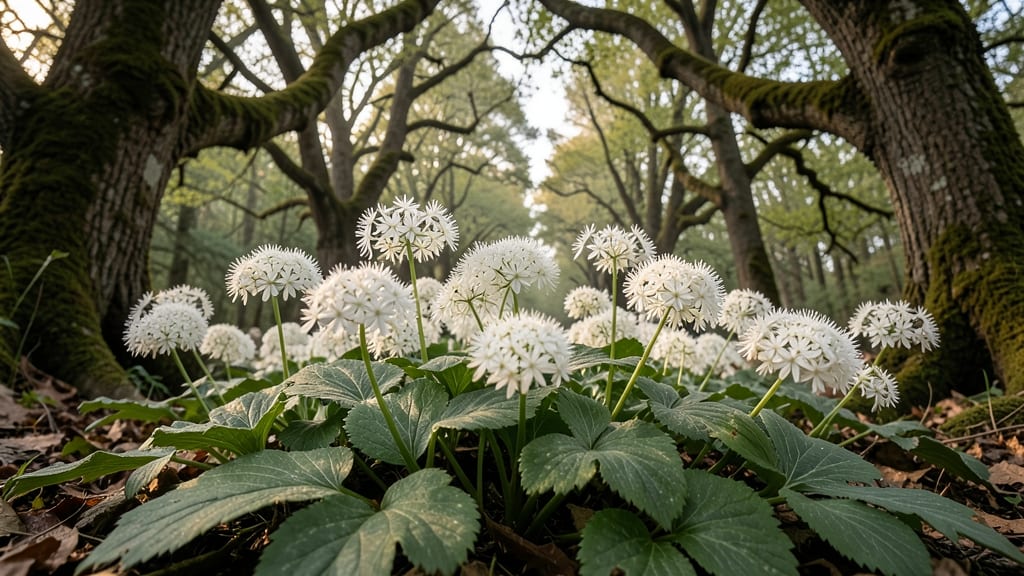
Transform your shady garden spots into vibrant displays with these 10 shade-loving perennial flowers that thrive in low light and spread effortlessly over time. Perfect for gardeners with limited sun exposure who want year-after-year beauty with minimal effort.
Hostas with Unique Variegated Leaves
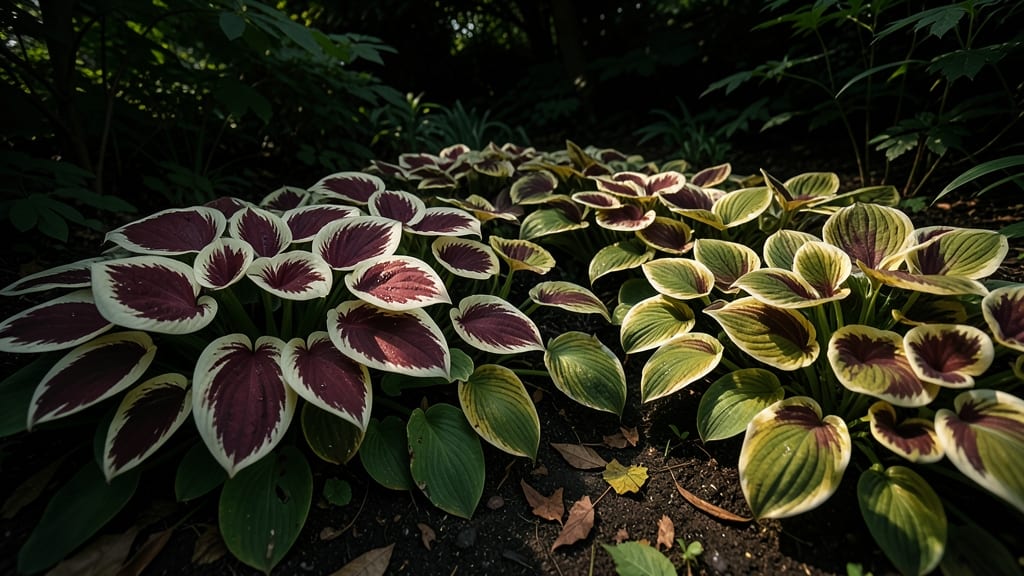
Turn your darkest garden corners into a textured foliage paradise with variegated hostas. These shade stars offer an explosion of colors—from deep burgundy to golden chartreuse—creating visual drama where sunlight barely reaches. Their striking patterns transform dull spaces into lush, living art.
Hostas thrive in partial to full shade, making them perfect for north-facing beds or under tall trees. Choose varieties like 'Blue Angel' (blue-green) or 'Halcyon' (cream-edged) for maximum impact. Bonus: Their broad leaves provide shelter for beneficial insects, including butterflies and bees, turning your garden into a pollinator haven.
Ideal for beginners and urban gardeners, hostas are low-maintenance yet high-reward. Divide clumps every 3-4 years to keep them vigorous, and watch them fill in bare spots effortlessly. 🌿
Bleeding Heart Perennials
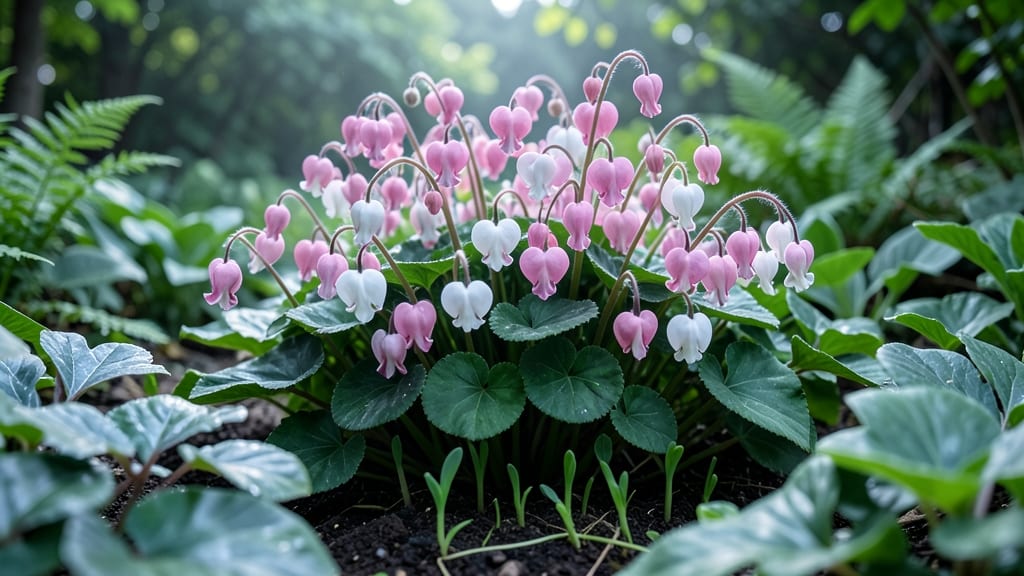
If you crave romantic, old-fashioned charm in your shade garden, bleeding heart perennials deliver dreamy pink or white heart-shaped blooms that cascade like confetti. Unlike many shade plants, they don't just survive—they thrive in deep shade while creating lush, self-sustaining colonies over time.
These Dicentra species bloom prolifically in spring and early summer, then fade into attractive foliage that lasts through summer. The best varieties like 'King of Hearts' or 'Alba' produce 3-4 feet of arching stems that spill beautifully over walls, trellises, or garden benches. Their gentle self-seeding habit means you'll get more plants each year with minimal effort.
Perfect for gardeners who want low-maintenance elegance, bleeding hearts pair beautifully with hostas and ferns. Just keep the soil consistently moist—their only real challenge is staying hydrated during droughts. 🌷
Hellebores for Winter Interest
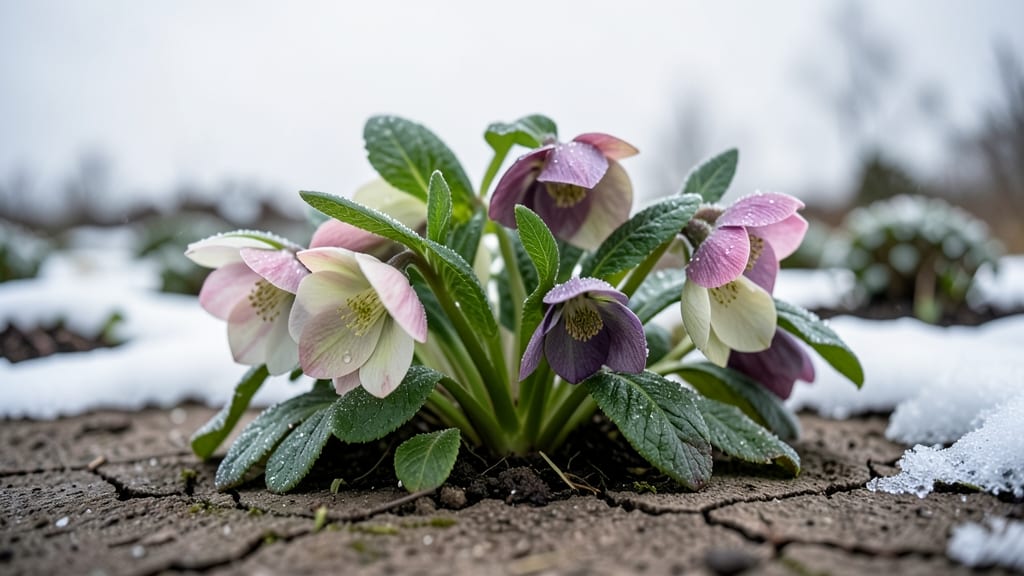
When your garden looks like a blank canvas in late winter, hellebores step in to paint it with color. These hardy perennials bloom from February through April, often while snow still lingers, offering nodding flowers in shades of white, pink, purple, and green when most other plants are still dormant.
Plant them in moist, well-draining soil under deciduous trees or along north-facing foundations where they’ll thrive in partial to full shade. Their deer-resistant nature makes them ideal for rural properties, and they multiply reliably through self-seeding or division every 3-4 years—just gently lift and separate clumps in early spring. Varieties like Helleborus niger (Christmas rose) and Helleborus orientalis bring both beauty and resilience to shaded corners.
Perfect for woodland gardens, cottage-style beds, or even as understory plants near shrubs, hellebores reward patient gardeners with year-round interest—even their leathery foliage adds texture when flowers fade. 💚
Astilbe with Feather-Like Plumes
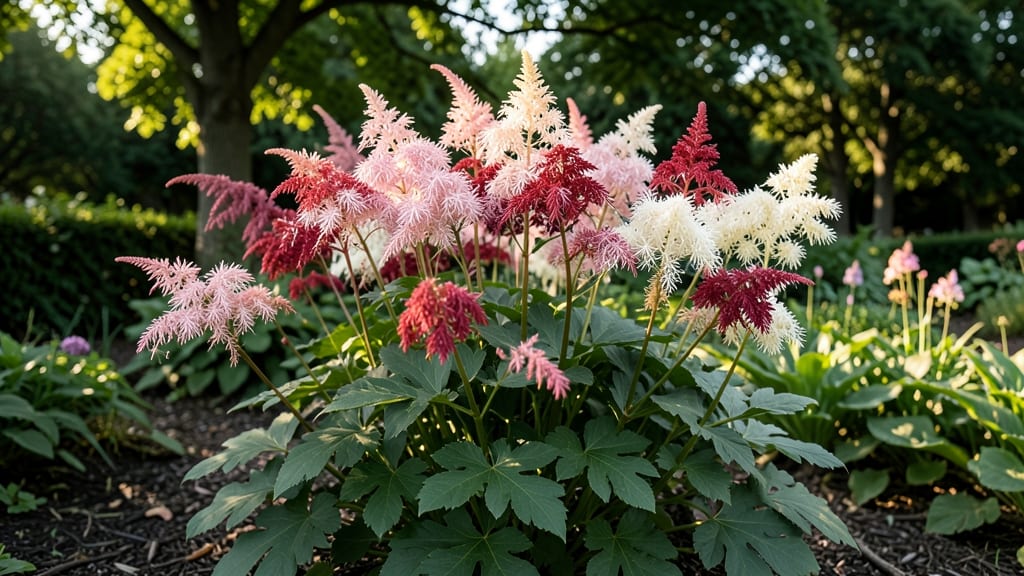
If you crave long-lasting summer color without the fuss of full-sun plants, astilbe delivers feathery plumes in pink, red, or white that dance in the breeze for up to 8 weeks. These shade specialists thrive where others struggle, making them ideal for under trees or north-facing borders.
To keep them blooming their best, maintain consistently moist soil—they despise drying out. A well-draining, organic-rich soil with added compost ensures strong growth. Deadhead spent blooms to encourage more flowers, and divide clumps every 3-4 years to prevent overcrowding. Varieties like 'Fanal' (deep red) or 'Glut' (pink) add drama to containers or garden beds.
Perfect for urban gardeners with limited sun or woodland gardeners seeking texture, astilbe pairs beautifully with hostas and ferns. Their airy blooms also attract butterflies, adding movement to shady spots. 🌻
Japanese Painted Ferns
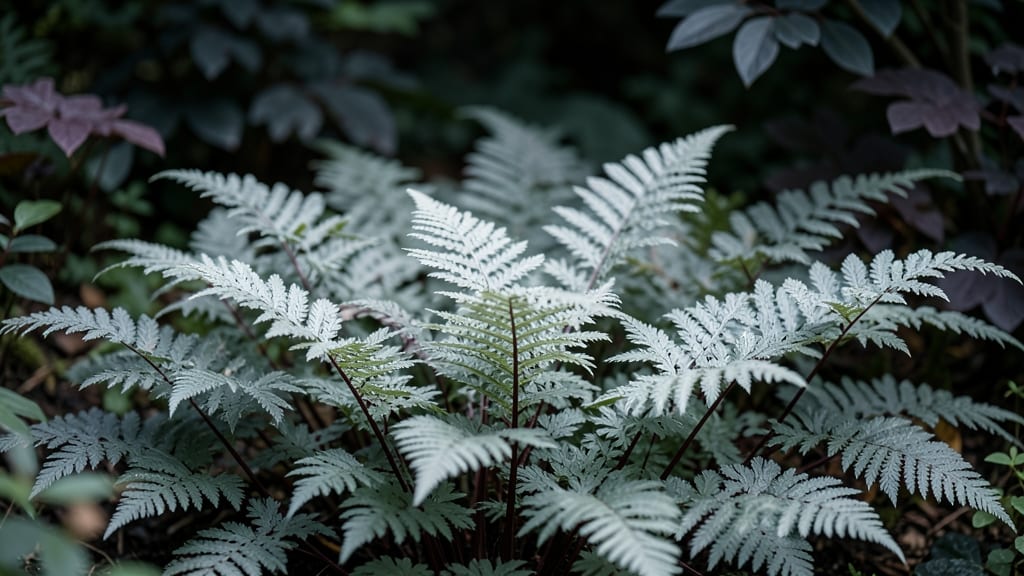
Looking for a shade garden star that needs almost no attention? The Japanese painted fern (Athyrium niponicum var. pictum) delivers striking silver-green foliage that pops against dark leaves and thrives where most plants struggle. Unlike high-maintenance bloomers, this fern focuses on dramatic texture—its fronds unfurl in shades of silver, chartreuse, and deep green, creating a natural contrast that brightens even the gloomiest corners.
Once established, it’s drought-tolerant, making it ideal for forgetful gardeners or water-restricted areas. Plant it in moist, well-draining soil with partial to full shade, and watch it slowly spread to fill gaps over time—without the aggressive takeover of other ground covers. Its slow-spreading habit means you’ll enjoy its beauty for years without constant division. Perfect for woodland gardens, container edges, or as a focal point under trees.
This fern is a low-maintenance workhorse for gardeners who prioritize foliage over flowers. Pair it with hostas or astilbes for a lush, layered shade bed that requires minimal effort. 💚
Lungwort with Spotted Leaves
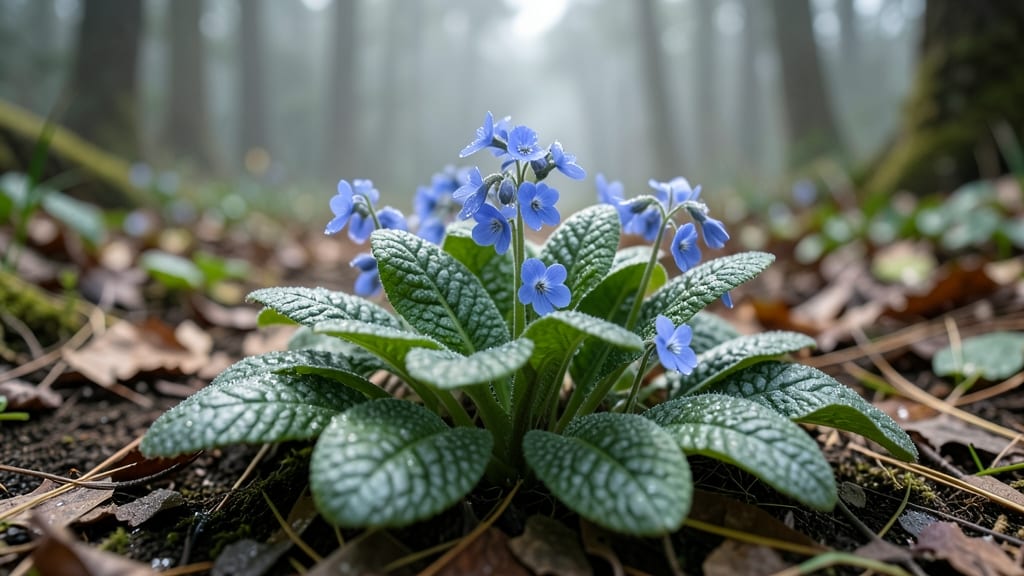
Discover a plant with both beauty and a fascinating history—lungwort (Pulmonaria) earned its name from its traditional use in herbal remedies for lung health. This woodland native thrives in partial to full shade while producing charming blue forget-me-not flowers that bloom in early spring.
The plant's most striking feature is its silver-spotted leaves, which develop green splotches as they age, creating a dynamic visual display. Lungwort spreads naturally via underground runners, making it an excellent choice for filling shady garden spaces with minimal effort. It prefers moist, well-draining soil and does best in woodland gardens or under the dappled shade of trees.
Perfect for gardeners who appreciate both historical significance and low-maintenance beauty, lungwort adds a touch of whimsy to any shady corner while supporting pollinators. 🌟
Coral Bells with Colorful Foliage
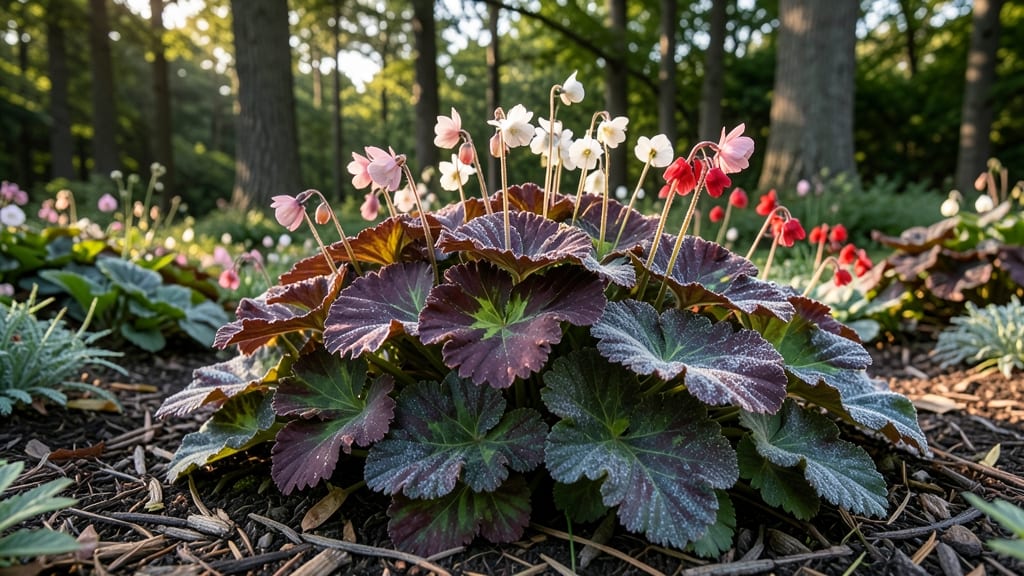
Tired of shade plants that offer either foliage or flowers—but never both? Coral bells (Heuchera) shatter that rule with their bold, year-round foliage in shades of purple, lime green, or silvery-blue, topped with delicate spring blooms in pink, white, or red. These shade superstars thrive where others fail, making them the ultimate two-in-one plant for deep shade gardens.
Perfect for containers or garden beds, coral bells need only 3-6 hours of indirect light daily to maintain their vibrant colors. Varieties like 'Palace Purple' (deep burgundy) or 'Lime Rickey' (chartreuse) add instant drama, while 'Berry Smoothie' (mixed hues) creates a rainbow effect. Their clumping habit means they won’t spread invasively, and they’re deer-resistant—ideal for problem areas. Water moderately and mulch to retain moisture for lush, thriving plants.
Urban gardeners and balcony planters will love how coral bells brighten small spaces, while woodland gardeners can use them as focal points under trees. Pair with ferns or hostas for a layered shade bed that pops with color year-round. 💚
Solomon's Seal for Elegant Arches
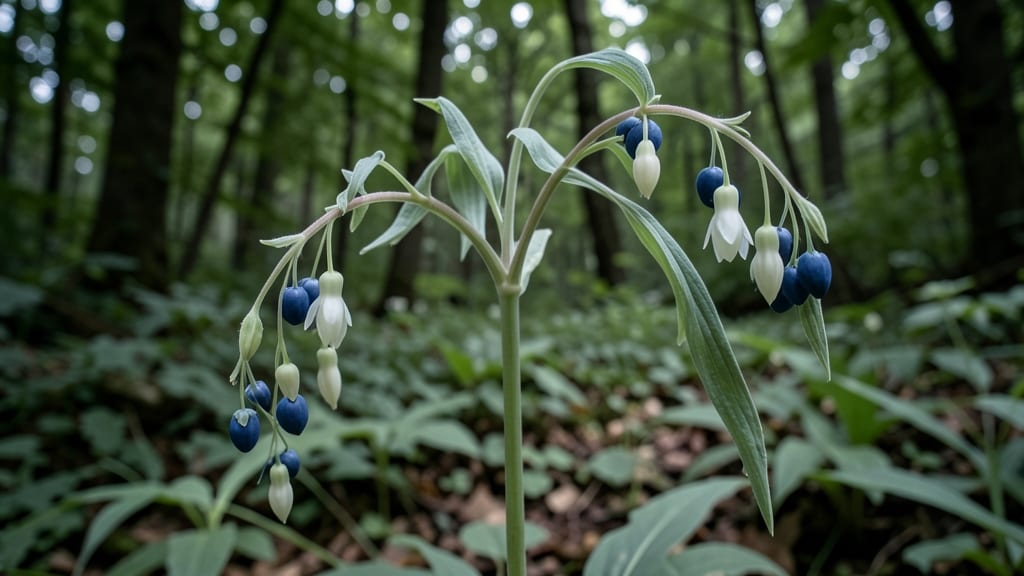
Add a touch of whimsical elegance to your shade garden with Solomon's Seal (Polygonatum spp.), a perennial that delivers arching stems adorned with dangling white flowers and clusters of blue berries. Unlike many shade plants, it thrives in both partial and full shade, making it perfect for understory planting or north-facing beds where sunlight is scarce.
This graceful plant spreads slowly via rhizomes, ensuring it won’t take over your garden but will gradually fill in gaps with minimal effort. Plant in moist, well-draining soil enriched with compost, and enjoy its late spring to early summer blooms followed by edible berries that birds adore. Varieties like 'Variegatum' add extra visual interest with cream-striped foliage.
Ideal for woodland gardens, cottage-style beds, or as a focal point under trees, Solomon's Seal pairs beautifully with ferns and hostas. Its low-maintenance nature makes it perfect for busy gardeners who still want a touch of sophistication in their shady spots. 🌿
Tiarella with Foamflower Clusters
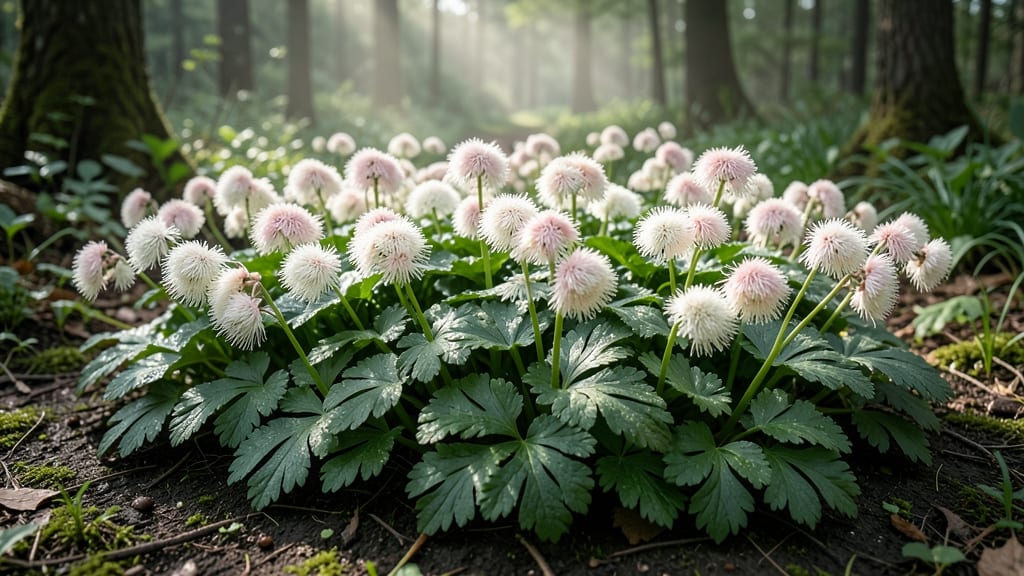
Ready to add a touch of ethereal beauty to your shady garden? Tiarella (or foamflower) brings delicate white or pink foamflower clusters that appear in spring like tiny clouds, followed by attractive evergreen foliage that stays attractive year-round. Unlike many shade plants, it spreads naturally via stolons, creating a lush, self-sustaining ground cover without aggressive takeover.
This versatile plant thrives in partial to full shade, making it perfect for woodland gardens, under trees, or along north-facing foundations. Its textured leaves add visual interest even when not in bloom, while the spring flowers attract early pollinators like bees. For best results, plant in moist, well-draining soil—it tolerates dry spells once established but looks its best with consistent moisture. Varieties like 'Pink Skyrocket' or 'White Tower' add height and drama to shady borders.
Ideal for gardeners who want low-maintenance beauty with minimal effort, tiarella pairs beautifully with hostas, ferns, and lungwort. Its slow-spreading habit makes it perfect for filling gaps without constant division—just let it do its thing! 🌿
Foamflower for Woodland Gardens

Bring ethereal charm to your woodland garden with foamflower (Tiarella cordifolia), a native understory plant that bursts into delicate white clusters in early spring. Unlike many shade perennials, foamflower delivers two seasons of interest—its airy blooms appear when few other plants are flowering, followed by attractive evergreen foliage that persists through winter.
This moisture-loving perennial thrives in partial to full shade, making it perfect for woodland gardens, rocky crevices, or under deciduous trees. Its self-spreading habit via stolons means you’ll get more plants each year with minimal effort—just let the stems root naturally to create lush ground cover. Varieties like 'Little Ruby' offer pink-tinged blooms for added color contrast.
Ideal for beginner gardeners and pollinator enthusiasts, foamflower attracts early bees and butterflies while requiring almost no maintenance. Pair it with ferns or hellebores for a layered woodland effect that stays vibrant year-round. 🌿