
Tools
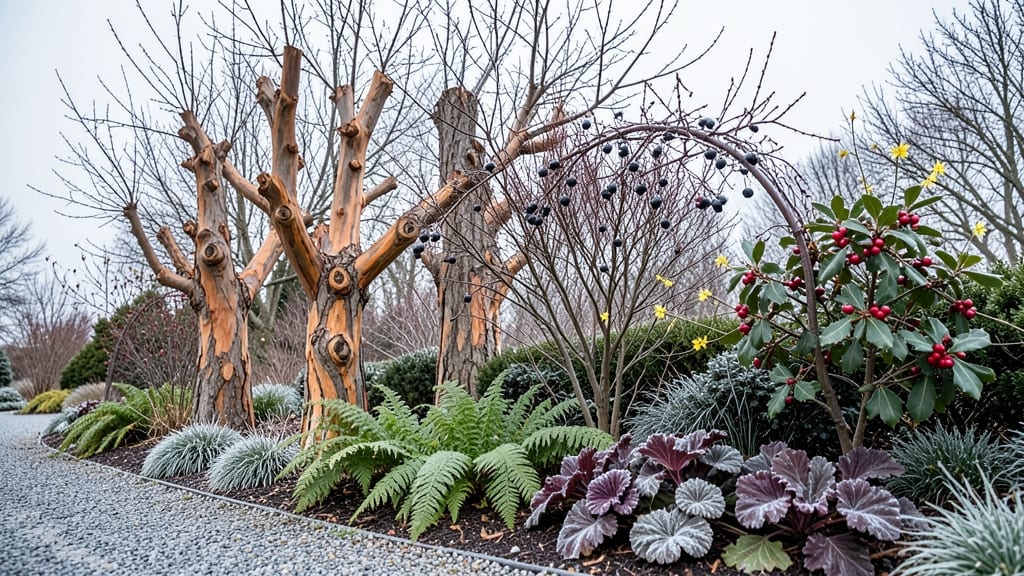
Struggling to create a vibrant garden in Zone 6’s shady spots? These 10 low-light layouts prove shade doesn’t mean sacrifice—just carefully selected plants that thrive with minimal sunlight and care while delivering year-round color and texture.
Layered Fern and Hostas Border
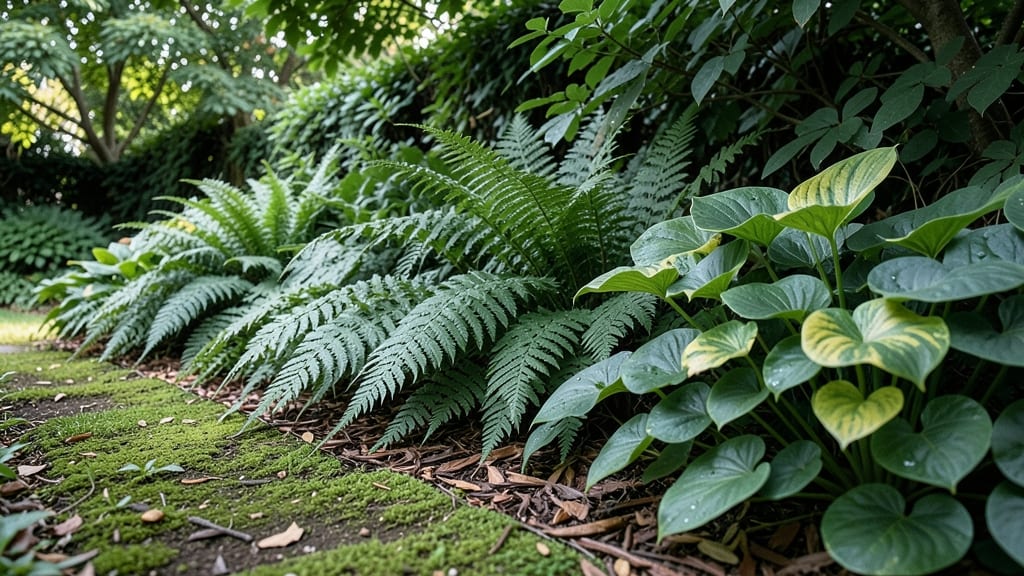
If you’ve ever stared at a shady patch of your yard and wondered what to do with it, this layered fern and hostas border is your answer. It’s the perfect solution for beginners—combining low-maintenance plants that create a lush, textured edge while suppressing weeds naturally. No pruning required beyond an annual tidy-up!
Start with hostas as your mid-height foundation—their broad, decorative leaves come in shades of green, blue, and gold, providing year-round interest. Pair them with ferns like maidenhair or Ostrich fern for delicate, feathery texture that thrives in shade. Add a creeping ground cover like creeping thyme or ajuga to fill gaps and block weeds permanently.
This border is ideal for gardeners who want easy beauty without the upkeep. It’s perfect for borders along walkways, foundation plantings, or even as a natural divider between garden sections. Plus, it’s Zone 6-hardy, so you won’t have to worry about winter dieback. 💚
Year-Round Hellebore and Lungwort Perennial Bed
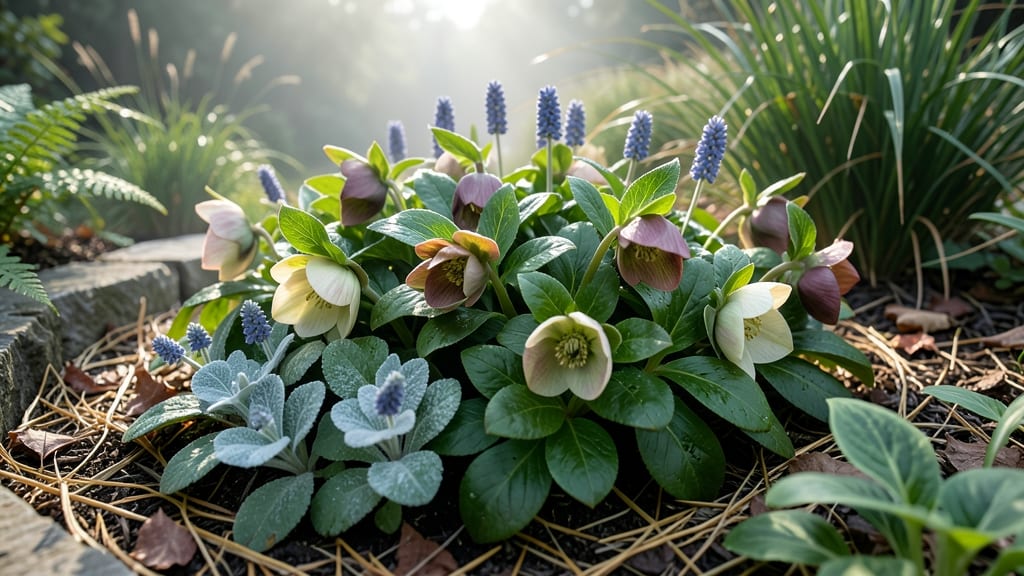
Skip the summer slump with a year-round perennial bed that blooms even when most gardens are dormant. Hellebores (aka Lenten roses) and lungwort create a cottage-garden charm while offering medicinal benefits—lungwort’s leaves were historically used for poultices, and hellebores contain compounds studied for their anti-inflammatory properties.
Plant hellebores in partial to full shade with moist, well-draining soil—they’ll reward you with winter-to-early spring blooms in shades of white, pink, or deep purple. Pair them with lungwort, which spreads gently to fill gaps with its silvery-spotted foliage. Both thrive in Zone 6 with minimal care: mulch annually to retain moisture, and divide clumps every 3-4 years to keep them vigorous.
This bed is ideal for pollinator-friendly gardens or low-maintenance cottage spaces—just add a few native ferns for texture, and you’ll have a self-sustaining display that brightens dreary months. 🌷
Japanese Maple and Azalea Foundation Planting
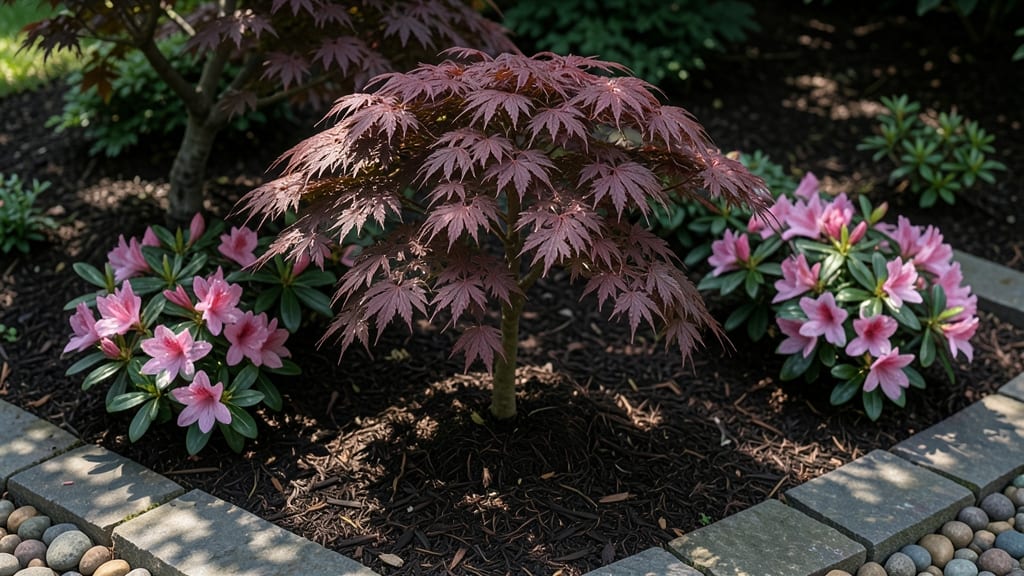
Transform your small yard into a year-round showstopper with a Japanese maple and azalea foundation planting. These two powerhouses create drama in partial shade, where many plants struggle—while demanding minimal care once established.
Start with a dwarf or semi-dwarf Japanese maple (like 'Bloodgood' or 'Emperor I') as your centerpiece, choosing a cultivar with seasonal color shifts (e.g., green summer foliage turning fiery red in fall). Pair it with early-blooming azaleas (like 'Girard's Pink' or 'Hino Crimson'), which burst into color before the maple's leaves fully unfurl. Both thrive in morning sun with afternoon shade, but avoid soggy soil—amend clay with compost and mulch with wood chips to retain moisture.
This combo is ideal for urban gardeners with limited space or those wanting a low-maintenance focal point that ages beautifully. The azaleas' spring blooms draw pollinators, while the maple's delicate branches add architectural interest year-round. 🌟
Edible Shade Garden with Strawberries and Lettuce
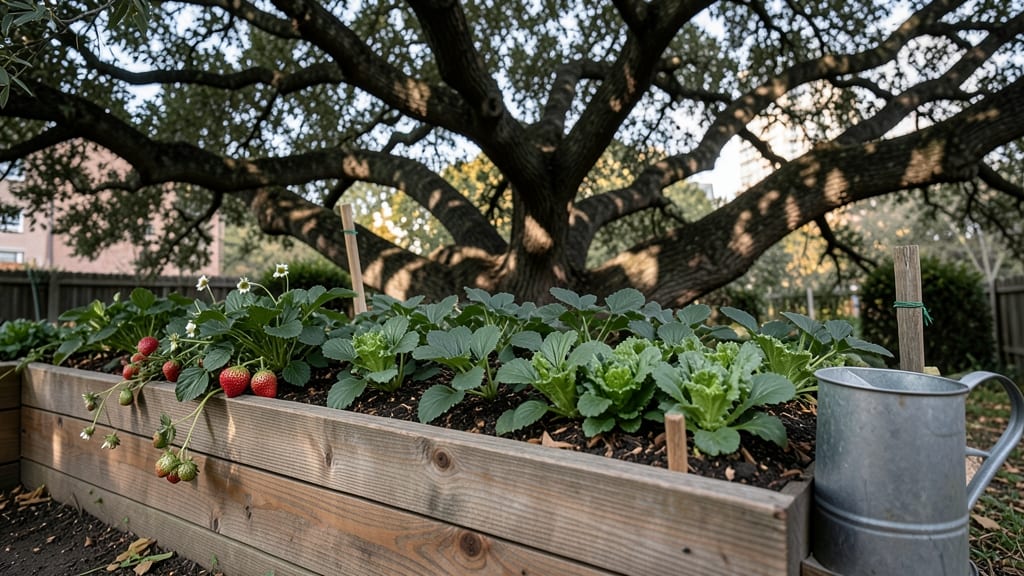
Turn your shady urban space into a productive oasis with an edible shade garden that combines strawberries and shade-tolerant lettuce. This dual-purpose design maximizes limited sunlight while providing fresh produce—perfect for balcony planters or under mature trees.
Plant everbearing strawberries (like 'Albion' or 'Seascape') along the edges of your bed, where they’ll get a few hours of morning sun. Pair them with shade-tolerant lettuce varieties like 'Black Seeded Simpson' or 'Buttercrunch,' which thrive in dappled light. Keep soil consistently moist but well-drained, and mulch with straw to retain moisture and suppress weeds. You’ll enjoy year-round harvests with minimal extra effort.
This setup is ideal for urban gardeners with small spaces or those looking to grow food without sacrificing beauty. Plus, the combination of red strawberries and deep green lettuce creates a stunning visual contrast. 🌱
Moisture-Loving Impatiens and Caladium Container Display
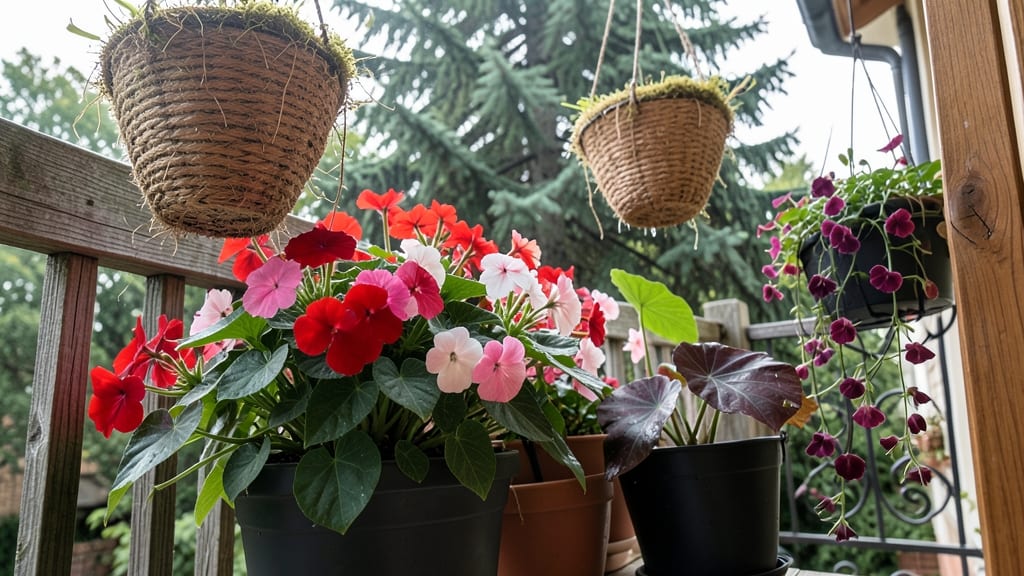
Skip the ground space—impatiens and caladiums bring bold color to patios and balconies without needing a yard. These moisture-loving stars thrive in hanging baskets or containers, perfect for renters or small spaces with consistent shade.
Pair impatiens (with their bright red, pink, or white blooms) with caladiums (showy elephant-ear leaves in purple, pink, or white) for a tropical vibe. Use a well-draining potting mix and keep soil consistently moist—these plants wilt quickly if dried out. Add a slow-release fertilizer at planting for continuous blooms all summer.
This combo is ideal for urban gardeners or anyone with limited space who wants instant color. Just hang them where they’ll get 4-6 hours of dappled shade daily. 🌻
Native Woodland Wildflower Meadow
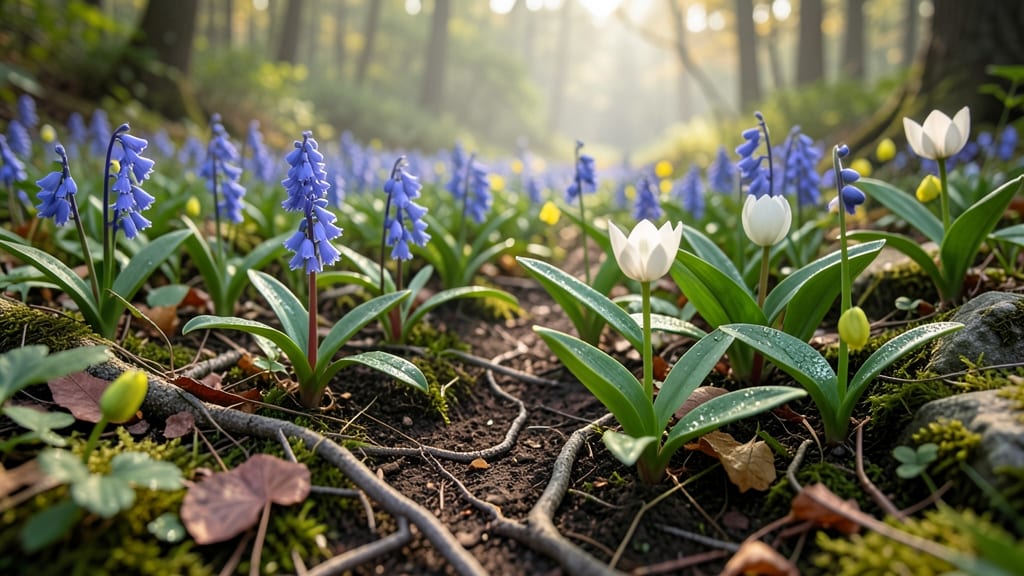
Skip the mowing and fertilizing—this native woodland wildflower meadow brings effortless beauty while supporting local ecosystems. Instead of a high-maintenance lawn, plant Virginia bluebells (for spring blue blooms), bloodroot (delicate white flowers), and wild ginger (fragrant, shade-tolerant foliage) to create a pollinator magnet that thrives in dappled shade.
These perennials require no fertilizers or pesticides—they’re adapted to Zone 6’s soil and climate, making them perfect for understory planting or woodland edges. Start by clearing weeds, then scatter seeds or small plants in clusters. Once established, they’ll spread naturally, attracting bees, butterflies, and hummingbirds while outcompeting invasive species.
This design is ideal for eco-conscious gardeners or those with shady, sloped areas where traditional lawns fail. It’s also a great way to reintroduce native plants to your landscape, creating a self-sustaining meadow that grows more beautiful each year. 🌿
Boxwood and Pieris Shrubbery Hedge
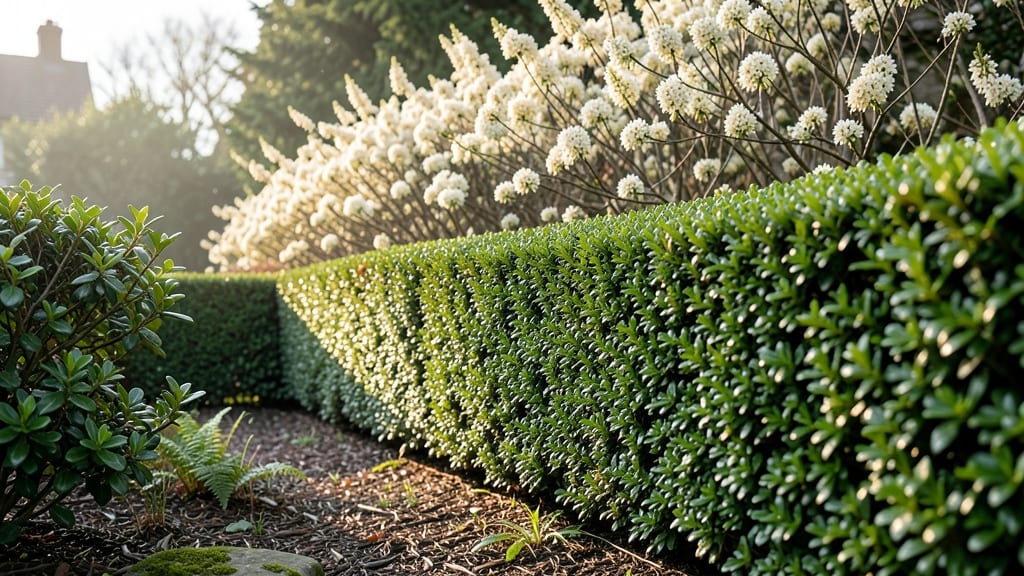
Need a structured, evergreen hedge that thrives in shade and defines your space with elegance? A boxwood and pieris combo delivers year-round privacy while demanding minimal trimming—ideal for property lines, garden rooms, or entryways. Unlike fussy shrubs, both tolerate partial to full shade and Zone 6 winters, making them low-maintenance workhorses.
Start with boxwoods (like 'Green Velvet' or 'Winter Gem') as your foundation—their dense, glossy foliage creates a neat, formal barrier when clipped to 3–4 feet tall. Layer in pieris (such as 'Cavatine' or 'Little Heath') for spring blooms in soft pink or white, adding seasonal interest without extra effort. Plant boxwoods 2–3 feet apart and pieris 3–4 feet apart for a balanced look. Prune boxwoods lightly after flowering (late spring) and pieris after their blooms fade.
This hedge is perfect for urban gardeners or anyone wanting clean lines and privacy without the upkeep of sun-loving alternatives. The contrast of boxwood's structured form and pieris' delicate flowers creates a classic yet modern look that works in any landscape. 🌿
Shade-Tolerant Succulent and Sedum Rock Garden
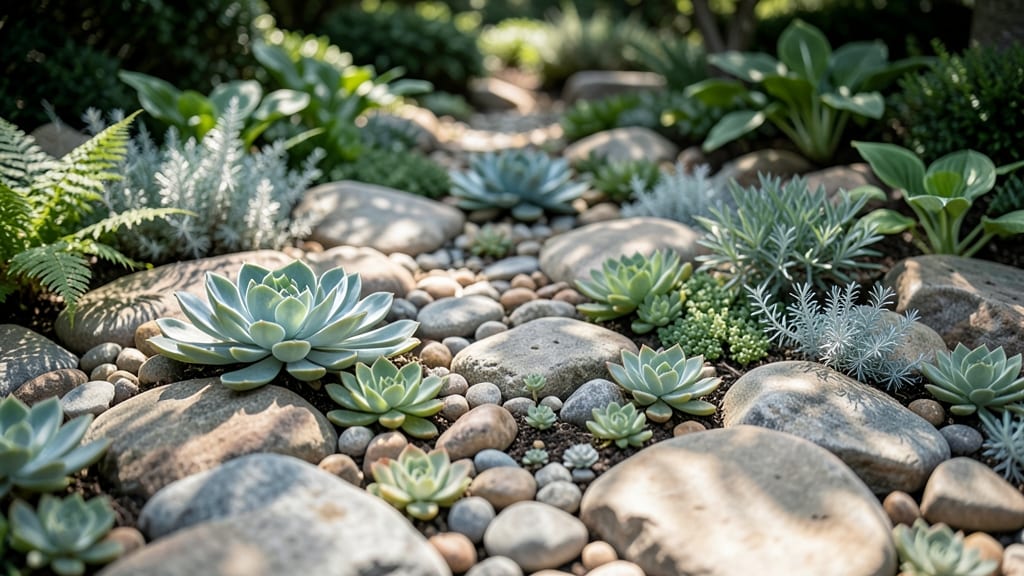
Break free from the idea that shade gardens must rely on thirsty, high-maintenance plants. A succulent and sedum rock garden proves you can have a drought-resistant, modern oasis even in partial shade—where traditional shade plants often struggle. This unexpected combo thrives in 3-6 hours of filtered light, making it perfect for north-facing walls or under mature trees.
Start with sedums like 'Dragon's Blood' (deep red foliage) or 'Blue Spruce' (silvery-blue tones) as your mid-height stars. Nestle echeverias (like 'Lola' or 'Blue Princess') into crevices for their rosette shapes, and add moss between stones for texture. Use sharp gravel or small river rocks to create drainage paths—critical for preventing rot. Water deeply but infrequently (every 2-3 weeks once established), and watch these plants store water like desert natives.
This design is ideal for modern gardeners who want low-water beauty without sacrificing style. The contrast of succulent colors against mossy rocks creates a striking, year-round display that requires less upkeep than traditional shade beds. Plus, it attracts pollinators like bees and butterflies. 💚
Ornamental Grass and Carex Ground Cover
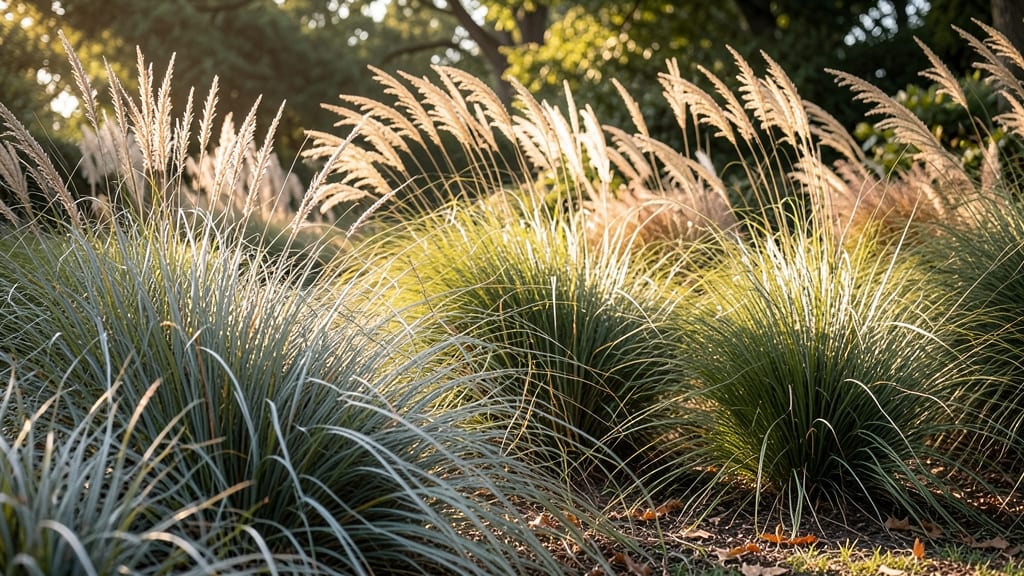
Bring architectural drama to your shady garden with carex sedges and fountain grasses, two plants that defy the "shade = boring" myth. Their graceful, swaying foliage creates dynamic movement even in still air, while their varying heights (from 12" to 5 feet) add vertical interest that flat-leaved perennials can't match.
For modern landscapes, try Carex oshimensis 'Evergold' (golden edges) or Carex morrowii 'Ice Dance' (silvery-blue plumes) as ground covers that spread gently without invading. Pair them with Miscanthus sinensis 'Zebrinus' (zebra-striped grass) or Pennisetum 'Hameln' (foxtail fountain grass) for height contrast. Plant in moist, well-draining soil—they tolerate wet feet better than most grasses—and divide every 3-4 years to maintain vigor.
This combo excels near ponds or water features, where their reflective blades create stunning visual effects, or along modern pathways where their clean lines complement contemporary designs. Perfect for gardeners who want low-maintenance texture without sacrificing style. 💡
Winter Interest Garden with Ornamental Bark and Berries

Tired of barren winter gardens? A winter interest garden with ornamental bark and berries keeps your landscape stunning even when most plants go dormant. This design focuses on year-round structure—no summer blooms required—using plants that shine in cold months when color is scarce.
Start with dogwoods (like Cornus florida or Cornus sericea) for their exfoliating bark and bright red berries that persist through winter. Add winterberry holly (Ilex verticillata), which produces vibrant red berries that stay on the branches until eaten by birds. For smooth bark contrast, plant paper birch (Betula papyrifera) or river birch (Betula nigra), whose peeling bark adds texture and visual warmth. All thrive in Zone 6 with partial shade and well-drained soil.
This garden is perfect for gardeners who want low-maintenance winter appeal—just prune occasionally to shape and enjoy the drama. The combination of berries, bark, and evergreen foliage creates a moody, textured landscape that feels alive even in frost. 🌟