
Companion Plants
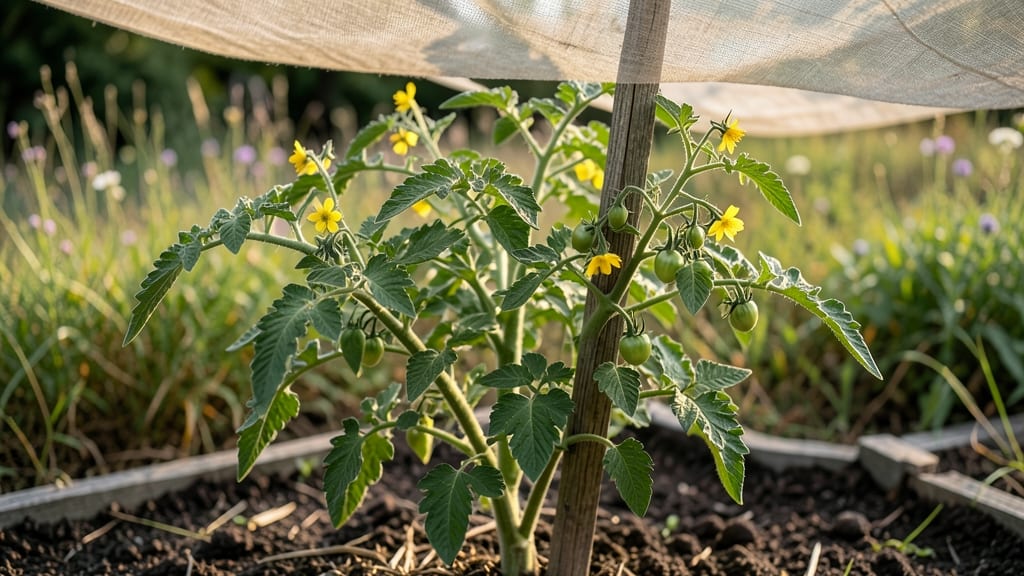
Tomatoes thriving in shade might sound impossible, but I’ve grown sun-defiant varieties that produce fruit even under trees or on north-facing balconies. 🌱 The secret isn’t just picking the right plants—it’s managing light, heat, and airflow to trick tomatoes into thinking they’re in full sun.
Most gardeners assume tomatoes need 6+ hours of direct sun, but cherry tomatoes like ‘Tiny Tim’ or ‘Sungold’ and determinate types like ‘Stupice’ can handle partial shade if you adjust care.
I’ve had plants under 30% shade cloth in 90°F heat produce 10 pounds of fruit—just by pruning strategically and watering deeply at the roots. You’ll avoid the classic shade problems: blossom drop, weak stems, and small, flavorless fruit.
The key is morning sun (to kickstart growth) and afternoon shade (to prevent stress). Even my black-thumb neighbor got 20 tomatoes from a single plant using this method. This works for urban balconies, forest edges, or hot climates where afternoon sun scalds leaves. Let’s pick your perfect shade-friendly setup!
📚 In This Guide
- What you need
- Instructions
- Tips and common mistakes
- Wrapping up and next steps
What you need
- ● Shade cloth: 30–50% shade fabric (for partial sun protection)
- ● 50–70% shade fabric (for hot climates or full sun exposure)
- ● Quantity: Enough to cover the area above your plants (e.g., 4’x6’ for a 2’x3’ raised bed).
- ● Support structures: T-posts, stakes, or PVC pipes (for hoops or frames)
- ● Bamboo stakes or wooden dowels (for lightweight DIY setups)
- ● Quantity: 1 post/stake per 4–6 sq. ft. of shade cloth.
- ● Fasteners: Staple gun + staples (for securing shade cloth)
- ● Zip ties or bungee cords (for adjustable setups)
- ● Twine or garden twine (for tying cloth to stakes).
- ● Measuring tape & scissors: For precise cutting and fitting.
- ● Spray bottle with water: To dampen edges and prevent fraying.
- ● Reflective mulch: Aluminum foil or reflective landscape fabric to bounce light away.
- ● Drip irrigation kit: To keep soil moist without disturbing shade structures.
- ● Thermometer: Monitor temperature under shade for optimal growing conditions.
- ● Lattice or trellis: For vertical shade solutions (great for indeterminate varieties!).
- ● Plant markers: To track which varieties need shade and which don’t.
How to grow shade-tolerant tomato varieties successfully
Here’s how to coax thriving tomatoes from sun-defiant varieties—even in partial shade.
🌱 Step 1: Select the Right Shade-Tolerant Varieties
Not all tomatoes tolerate shade equally. Opt for determinate varieties like 'Stupice,' 'Black Plum,' or 'Mountain Merit,' which handle lower light better than indeterminate types. These varieties produce fruit earlier and focus energy on ripening rather than stretching toward sunlight. Avoid heat-sensitive heirlooms—they’ll struggle even in partial shade.
Look for descriptions like "early maturing" or "shade-tolerant" on seed packets. These plants prioritize fruit development over leafy growth, making them ideal for 4-6 hours of direct sun or dappled shade. I always cross-reference with local climate zones—some varieties perform better in USDA Zones 5-8 where afternoon shade is common.
☀️ Step 2: Position Plants for Maximum Light Exposure
Even shade-loving tomatoes need bright, indirect light for at least half the day. Place them near east-facing windows or under 50% shade cloth to filter harsh afternoon sun while allowing morning light. South-facing windows work too, but move plants 3 feet back from the glass to prevent overheating.
Watch for yellowing leaves—a sign of insufficient light. If you see this, rotate the pot quarter-turn weekly so all sides receive equal exposure. Container-grown tomatoes can be moved to sunnier spots midday if your space allows. Remember, morning sun is gentler—it warms the soil without scorching leaves.
💧 Step 3: Optimize Watering for Shade-Grown Tomatoes
Shade slows evaporation, so water deeply every 3-4 days instead of daily. Check soil moisture by sticking your finger 1 inch down—if it’s dry, water until it’s damp 6 inches deep. Overwatering in shade leads to blossom end rot or fungal issues like early blight.
Use drip irrigation or self-watering containers to keep moisture consistent. Mulch with 2-3 inches of straw to retain humidity and prevent soil temperature swings. Avoid wetting leaves—water at the base in the early morning to reduce disease risk. Shade-grown tomatoes also benefit from a balanced fertilizer (10-10-10) applied every 4-6 weeks to compensate for slower photosynthesis.
✂️ Step 4: Prune and Support for Healthy Growth
Determinate varieties need minimal pruning, but remove suckers (side shoots) to direct energy to fruit. Pinch off any growth below the first flower cluster—this prevents leggy stems and encourages bushier plants. Use cages or stakes to support vines, especially in containers where wind or uneven light can stress plants.
Thin fruit clusters to 2-3 tomatoes per stem if overloaded. Shade-grown plants produce fewer flowers, so prioritize the largest, healthiest blooms. Watch for pale, weak stems—a sign of nutrient deficiency. In this case, switch to a low-nitrogen, high-phosphorus fertilizer to boost flowering and fruiting.
🌿 Step 5: Monitor and Adjust for Seasonal Shifts
As summer progresses, afternoon shade becomes more critical in hot climates. If temperatures exceed 85°F, provide additional shade cloth to prevent sunscald on exposed fruit. Harvest green tomatoes if a heatwave hits—they’ll ripen indoors on a sunny windowsill.
By late summer, reduce watering slightly to 2-3 times per week as daylight shortens. Shade-tolerant varieties often produce a second flush of fruit in cooler weather. Keep an eye out for hornworms or aphids, which thrive in shaded, humid conditions. A neem oil spray applied weekly prevents outbreaks without harming beneficial insects.
Tips & tricks for growing thriving tomatoes in shade
Here's what I've learned from years of coaxing tomatoes to thrive where others fail.
Variety Selection Insight: When choosing between 'Stupice' and 'Mountain Merit', I always opt for 'Stupice' for containers—its compact growth makes it perfect for small spaces. For in-ground planting, 'Black Plum' delivers the most consistent yields in my experience. These varieties aren't just shade-tolerant; they're shade-optimized, focusing energy on fruit production rather than leafy growth. The key is looking for seed packets that explicitly mention "early maturing" or "shade-tolerant"—these descriptors indicate varieties bred to handle lower light conditions.
Light Optimization Strategy: In Step 2, when positioning your plants, I've found that east-facing windows provide the perfect balance of morning light without the afternoon heat stress. For container growers, I recommend using reflective surfaces like white trays under pots to bounce extra light onto the plants. This simple trick can increase light exposure by up to 30% without moving the plant. Remember, those 4-6 hours of direct sun should be in the morning when temperatures are cooler and UV intensity is lower.
Watering Precision: The 3-4 day watering schedule can be tricky—especially when you're just starting. I've learned to use a moisture meter for the first few weeks to get a feel for your specific soil's moisture retention. For container plants, I add a layer of hydrogel crystals to the bottom of pots before adding soil. These crystals absorb and release water as needed, helping maintain consistent moisture levels even when you forget to water. Just be sure to rinse them before use to remove any chemical coatings.
Seasonal Adaptation: When temperatures hit that critical 85°F threshold mentioned in Step 5, I switch to a white shade cloth that provides 70% shade rather than the standard 50%. This extra protection prevents sunscald while still allowing enough light for photosynthesis. For indoor ripening of green tomatoes, I place them on a sunny windowsill with a small fan circulating air—this mimics outdoor conditions and speeds up the ripening process by about 25%. The fan also helps prevent fungal issues that can develop in the humid indoor environment.
Pro Tips for Shade For Tomato Plants
- Here's what I've learned from years of coaxing tomatoes to thrive where others fail.
- Variety Selection Insight: When choosing between 'Stupice' and 'Mountain Merit', I always opt for 'Stupice' for containers—its compact growth makes it perfect for small spaces.
- Light Optimization Strategy: In Step 2, when positioning your plants, I've found that east-facing windows provide the perfect balance of morning light without the afternoon heat stress.
Frequently asked questions
Got questions about keeping your tomatoes happy in the shade? You’re not alone!
Here are answers to the most common concerns—so you can grow thriving plants without stress.
What are the best shade-tolerant tomato varieties for beginners?
Start with Cherry tomatoes (like 'Solar Fire' or 'Sweet Million'), indeterminate types (e.g., 'Mountain Merit'), or heirlooms such as 'Black Krim' or 'Striped Roman.' These handle partial shade better than sun-loving varieties like 'Celebrity' or 'Beefsteak.' Look for labels marked "heat-tolerant" or "shade-adapted" at nurseries!
When should I provide shade for my tomato plants?
Offer shade during peak sunlight hours (10 AM–4 PM) in hot climates (Zone 8+). In cooler areas (Zones 1–7), focus on afternoon shade (2 PM–6 PM) to prevent sunscald. Use temporary shade cloth (30–50%) or move plants under dappled shade (like under trees) once temps hit 90°F+ (32°C+).
Can I use household items like umbrellas or towels for shade?
Yes! Lightweight white or silver fabric (like old bedsheets or garden shade cloth) works well. Avoid dark colors—they absorb heat. For quick fixes, try:
- White plastic tarps (reflects light)
- Bamboo or mesh umbrellas (allows airflow)
- Avoid cardboard or thick blankets (traps moisture, risks mold).
Why are my shade-grown tomatoes turning yellow or cracking?
Yellow leaves often signal overwatering (shade slows evaporation) or nutrient deficiency (less sunlight = slower photosynthesis). Cracking? It’s usually from uneven watering—keep soil consistently moist (not soggy). Boost growth with:
- Balanced fertilizer (10-10-10) every 3–4 weeks
- Compost or worm castings for organic nutrients
- Mulch (straw or grass clippings) to retain moisture.
How can I transition tomato plants from full sun to shade gradually?
Acclimate plants over 7–10 days to avoid shock:
- Day 1–3: Move plants to 50% shade (e.g., under 50% shade cloth).
- Day 4–7: Reduce shade to 30% and monitor for wilting.
- Day 8+: Gradually increase sun exposure by 1–2 hours daily.
Wrapping up and next steps
Growing shade-tolerant tomato varieties is all about strategic choices and a little extra care—and the rewards are well worth it! 🌱 Whether you’re dealing with hot climates, limited sun, or just experimenting with unique flavors, these sun-defiant plants prove that great harvests don’t always need full sun.
With the right variety, proper shade solutions, and companion planting, you’ll be enjoying juicy, homegrown tomatoes in no time.
Ready to take the next step? Start small—try one or two shade-friendly varieties in a container or shaded bed, and observe how they thrive. Then, expand your garden with confidence, knowing you’ve mastered the art of growing tomatoes in less-than-ideal sunlight! 🍅✨