
Plants
Struggling to keep your shade garden vibrant without constant care? These 10 hardy perennials thrive in dappled sunlight, offering year-round color and texture with minimal effort once established. Perfect for under trees, north-facing gardens, or any spot with partial shade.
Hostas for Textured Ground Cover
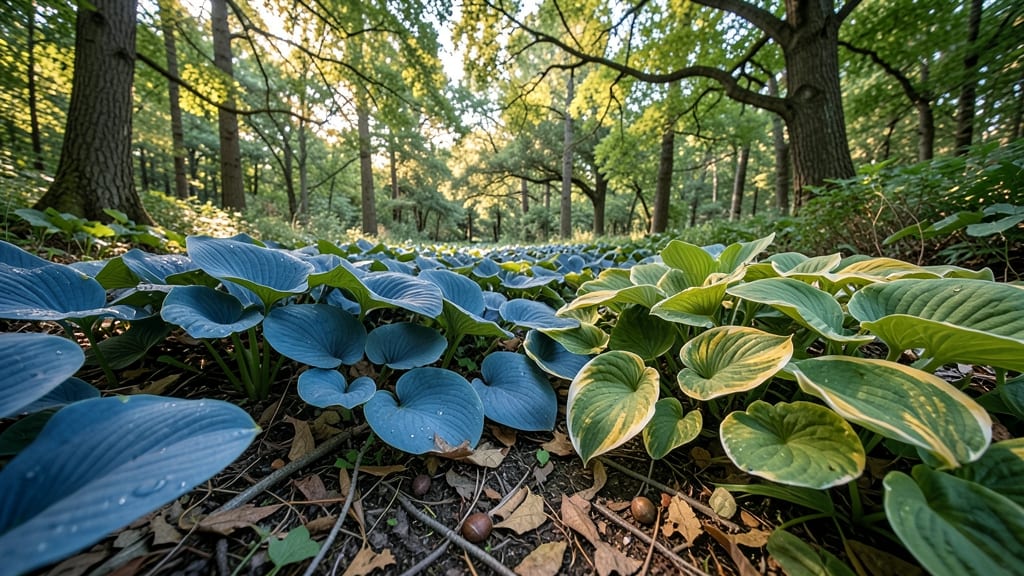
Tired of bare patches under your trees where nothing seems to grow? Hostas turn those shady spots into lush, textured carpets with almost no effort. Their bold foliage patterns—ranging from deep blues to golden variegation—create instant visual interest while outcompeting weeds naturally.
These low-maintenance perennials thrive in partial to full shade, multiplying yearly through underground rhizomes. For best results, plant in well-draining, moist soil enriched with compost, and space clumps 18-24 inches apart. Varieties like 'Blue Angel' or 'Halcyon' offer striking contrast, while 'Francee' stays compact for borders. Deer often avoid them too!
Perfect for beginners or busy gardeners, hostas deliver year-round foliage interest with minimal upkeep. 🌿
Astilbe with Feathered Flower Plumes
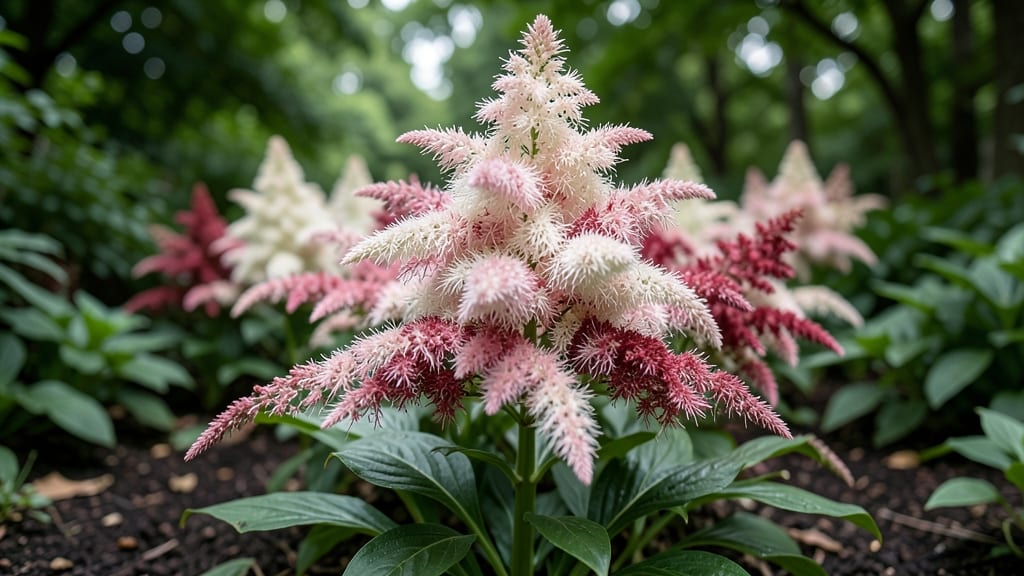
Want to add romantic, cloud-like texture to your shade garden without the fuss of high-maintenance plants? Astilbe delivers feathery plumes in shades of pink, white, and red that thrive where others fail—moist, shady spots that stay damp longer.
These perennials rebloom reliably each season, often producing two flushes of flowers (late spring and summer) from the same plant. Choose varieties like 'Fanal' for deep red plumes or 'Deutschland' for soft pink clouds. They pair beautifully with hostas (your previous item) or ferns for layered woodland gardens.
Perfect for cottage-style gardens or understory planting, astilbe adds drama with minimal effort—just keep soil consistently moist and mulch to retain humidity. 🌷
Japanese Painted Fern for Lace-Like Foliage
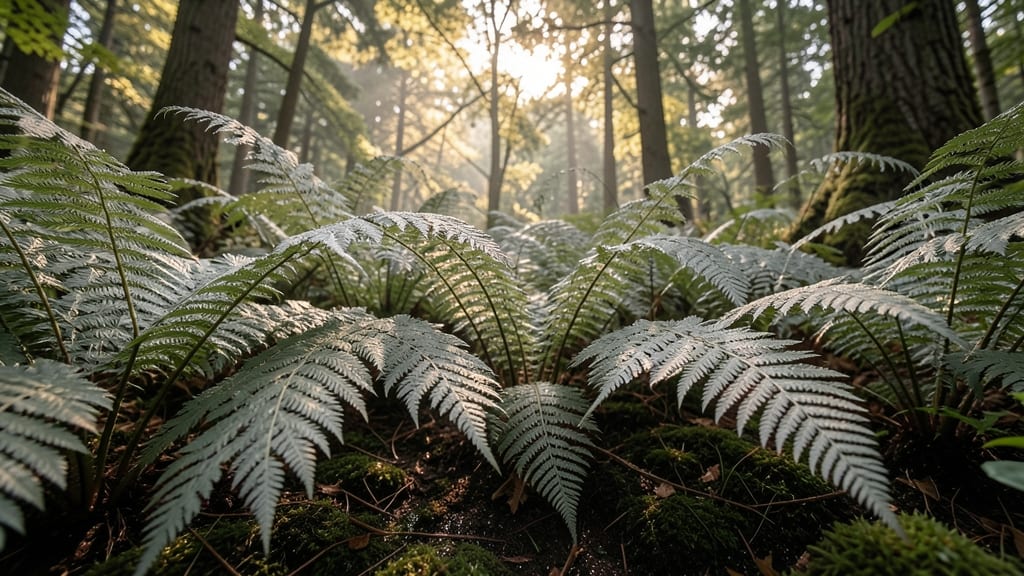
If your shade garden feels flat and lacks texture, the Japanese painted fern (Athyrium niponicum var. pictum) is your secret weapon. Unlike other ferns that struggle in low light, this variety thrives in consistently moist, shaded spots where sunlight barely touches—making it perfect for understory planting or north-facing beds.
Its silvery-green fronds create delicate, lace-like patterns that catch light even in dim conditions, adding architectural interest without demanding full sun. Simply keep the soil evenly moist (but not soggy) and mulch regularly to retain humidity. This fern also handles light frost beautifully, making it a reliable choice for early spring or late fall planting.
Urban gardeners with limited space or woodland gardeners craving texture will love how this fern pairs well with hostas or astilbes. Once established, it spreads gently to fill gaps without overpowering neighbors. 💚
Bleeding Heart for Springtime Elegance
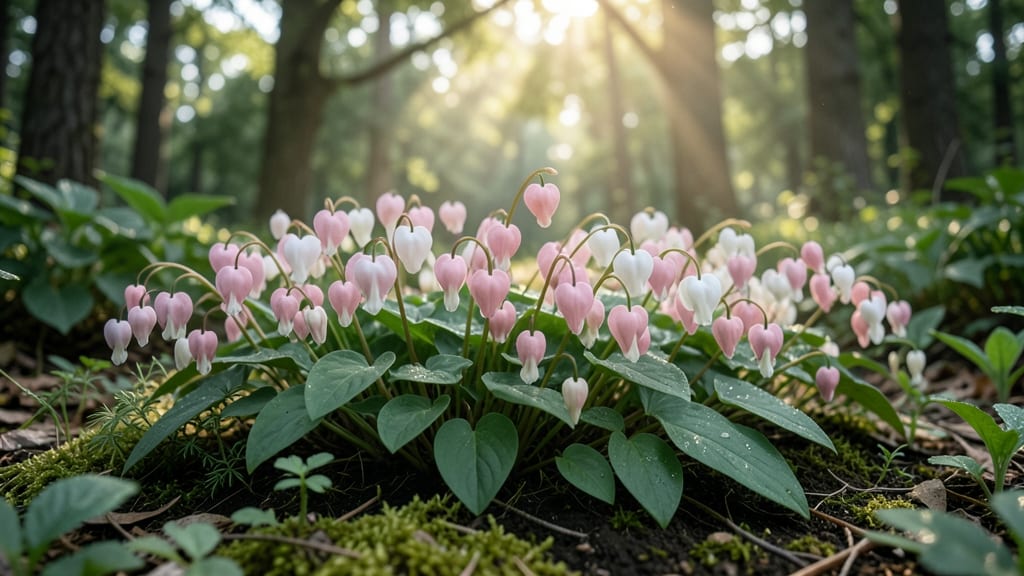
Want a spring garden that feels like a romantic watercolor painting? Bleeding heart (Dicentra spectabilis) delivers heart-shaped blooms in soft pink and white that create a dreamy, cascading effect—perfect for understory planting where sunlight dapples through leaves.
This shade-loving perennial thrives in moist, well-draining soil with 3-4 hours of morning sun and afternoon shade. Plant clusters of 3-5 together for maximum impact, as individual stems can get lost in larger beds. Deadhead spent blooms to encourage a second flush of flowers in late summer, and mulch heavily to protect tender roots in winter. Varieties like 'Alba' (white) or 'Valentine' (deep pink) add dramatic contrast.
Ideal for beginner gardeners and woodland enthusiasts, bleeding heart rewards patience with reliable yearly returns and minimal maintenance. Pair it with ferns or hostas for a lush, layered shade garden that feels effortlessly elegant. 🌷
Coral Bells with Vibrant Foliage
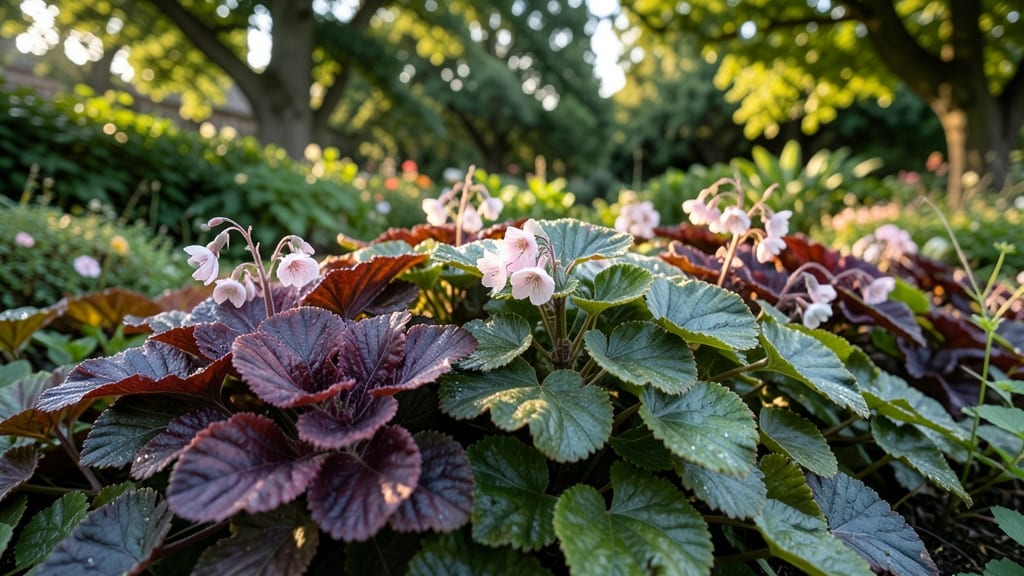
Want a shade garden that pops with color without the fuss? Coral bells (Heuchera) deliver a two-season show with their bold, evergreen foliage and delicate summer blooms—all while thriving in dappled sunlight.
These low-maintenance perennials come in a rainbow of leaf colors, from deep burgundy ('Fireworks') to chartreuse ('Lime Rickey'). Plant them in well-draining soil where they'll get 3-6 hours of morning sun, and watch their foliage glow year-round. Varieties like 'Palace Purple' even produce pretty bell-shaped flowers in late spring, adding height and texture. They're perfect for containers, rock gardens, or as edging plants where their vibrant leaves will steal the show.
Urban gardeners and busy homeowners will love how coral bells handle neglect—just water occasionally and enjoy their drought tolerance once established. Pair them with bleeding hearts or hostas for a shade garden that stays lively from spring to fall. 🌻
Lungwort for Healing Beauty
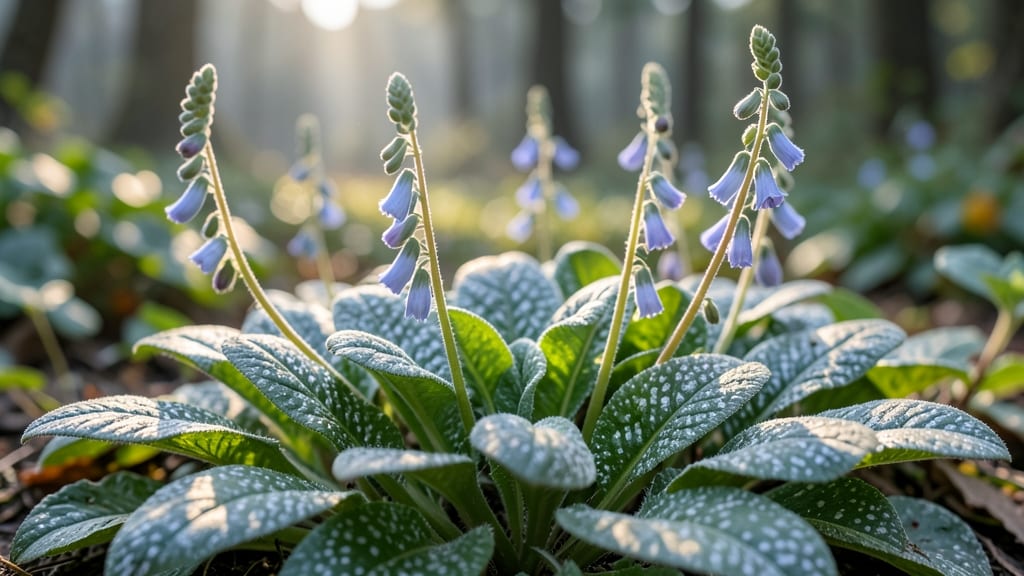
Discover the perfect blend of history and horticulture with lungwort (Pulmonaria), a shade-loving perennial that’s as fascinating as it is beautiful. This plant bridges ancient herbal remedies and modern gardens, offering silver-spotted leaves that fade to green and clusters of delicate blue flowers that bloom early in the season.
Thriving in woodland gardens or understory settings, lungwort loves moist, well-drained soil and partial shade, making it ideal for spots where other plants falter. Its self-seeding habit ensures it spreads gently over time, creating a lush, natural carpet. Bonus: deer and rabbits typically avoid it, so you won’t need extra protection.
Perfect for gardeners who love story-rich plants or want to add texture and early color to shady spots, lungwort is a quiet star that rewards patience with its healing beauty. 💚
Solomon's Seal for Graceful Arches
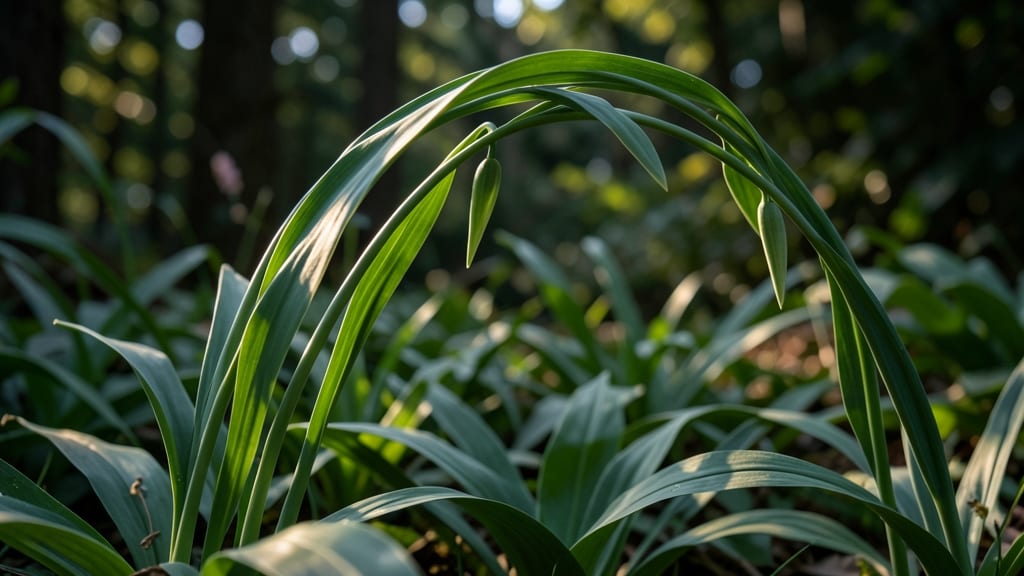
Need a vertical focal point that thrives in shade without demanding constant attention? Solomon's Seal delivers arching, graceful stems that create natural arches and privacy screens with minimal effort.
This hardy perennial thrives in partial shade to full sun, producing glossy, lance-shaped leaves along its cascading stems. Plant it in clusters along garden paths or as a living screen—its dense growth reaches 3-4 feet tall while spreading 2-3 feet wide. The spring blooms (small white or greenish flowers) give way to striking seed pods that add winter interest.
Perfect for woodland gardens or urban backyards, Solomon's Seal is low-maintenance and deer-resistant. Urban gardeners will love how it softens hard edges while adding movement to shady spots. 🌿
Foxglove for Dramatic Height
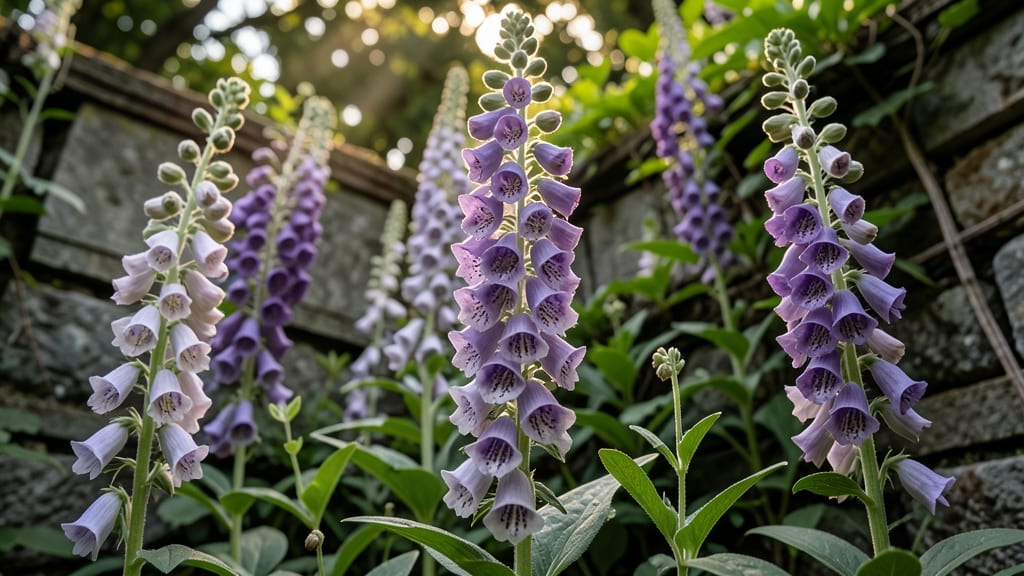
Transform your shady garden into a vertical masterpiece with foxglove—a biennial that delivers perennial-like drama with its towering, bell-shaped blooms. While it typically lives for two years, it self-seeds prolifically, creating natural clusters that act like perennials over time.
Plant foxglove in groups of 3-5 for maximum impact, where its 3-5 foot spikes will dominate the scene while still thriving in partial shade. Choose varieties like 'Giant Fleece' for deep purple blooms or 'Peach Blush' for soft pink tones. Keep the soil consistently moist but well-draining, and deadhead spent flowers to encourage new growth.
This is the perfect solution for gardeners who want height and structure without the maintenance of tall perennials. Foxglove pairs beautifully with low-growing plants like hostas or lungwort, creating a stunning layered effect. 🌟
Sweet Woodruff for Fragrant Ground Cover
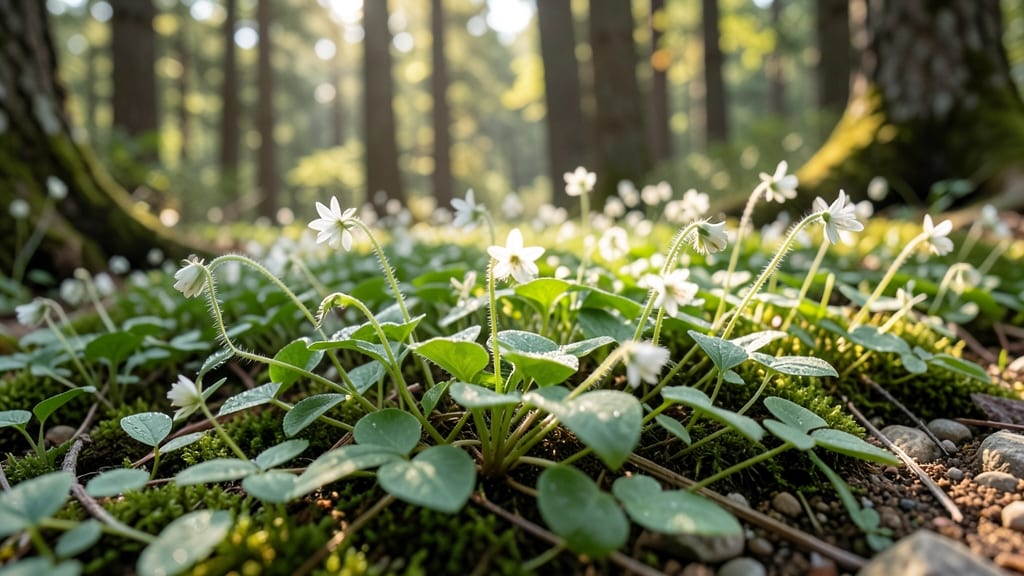
Transform your shady garden into a fragrant woodland retreat with sweet woodruff, a delicate ground cover that doubles as nature's vanilla-scented air freshener. This low-growing perennial thrives in dappled sunlight, spreading gently to create a lush carpet under trees or along forest edges.
The plant's star-shaped white flowers appear in late spring, followed by tiny berries that birds adore. What makes sweet woodruff truly special is its aromatic leaves—crush them between your fingers to release a subtle vanilla scent that lingers in the air. It's perfect for gardeners who love sensory experiences and want to create a natural, fragrant pathway in shaded areas.
Ideal for woodland gardeners or those seeking a low-maintenance solution for difficult shade spots, sweet woodruff pairs beautifully with ferns and hostas. Once established, it spreads slowly but steadily, creating a fragrant living carpet that thrives with minimal care. 🌿
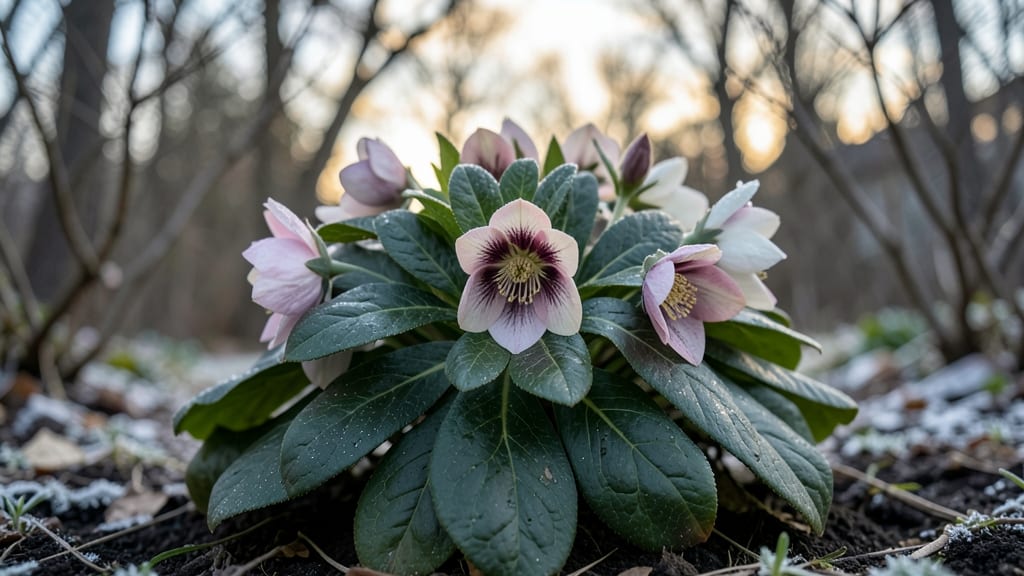
Hellebores for Winter Blooms

When your garden looks like a blank canvas in late winter, helleborus (commonly called hellebores) steps in as the unsung hero. These drought-tolerant perennials bloom from January through April, offering delicate flowers when most plants are still dormant.
Hellebores thrive in partial to full shade and handle dry spells better than many shade plants, making them ideal for woodland gardens or under trees. Their evergreen foliage provides structure year-round, while flowers in shades of white, pink, purple, or green add early-season color. Simply plant in well-draining soil and water occasionally—once established, they're practically maintenance-free.
Perfect for beginners or urban gardeners with limited space, hellebores bring life to shady corners where other plants struggle. Their long bloom time ensures your garden stays vibrant when it matters most. 🌷