
Flowers
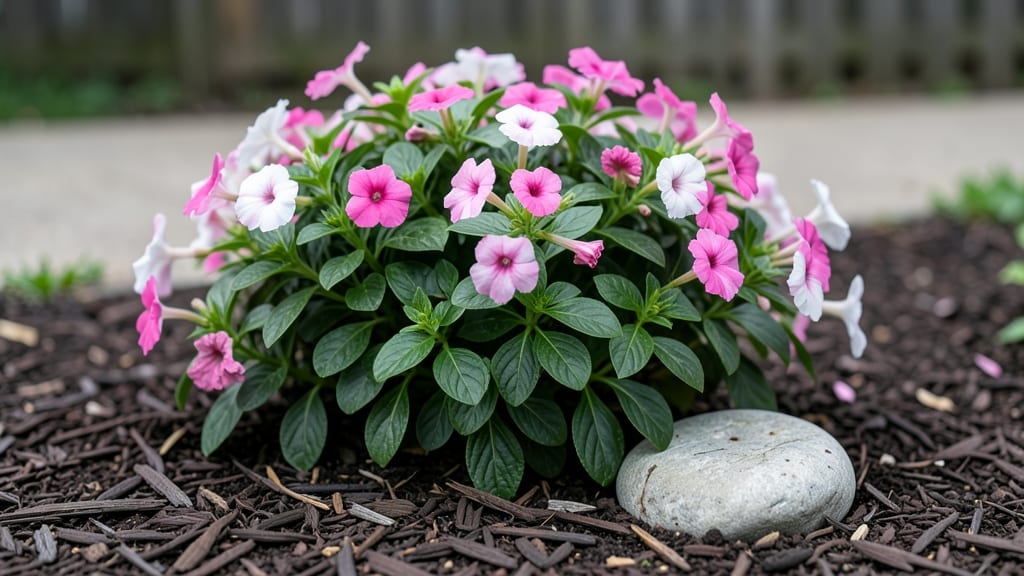
Florida’s lush shade gardens can burst with the shade flowers florida loves—no sunlight required. 🌿 I’ve designed shade beds that stay vibrant through hurricane season, droughts, and our relentless humidity, using plants that thrive where others give up.
The secret lies in matching Florida-friendly species to the right shade conditions, whether it’s dappled light under oaks or deep shade under patios.
Native options like coontie palm and firebush bring bold textures and wildlife benefits, while classics like caladiums and impatiens deliver show-stopping foliage and blooms. These plants handle Florida’s wet winters and dry summers without fuss, and they pair beautifully with ferns and hostas for layered, lush displays.
The key is focusing on moisture-retentive soil and avoiding soggy roots—something I learned the hard way after losing a prized collection to root rot.
You’ll end up with gardens that feel alive year-round, even in the deepest shade. Imagine velvety caladium leaves glowing in morning light, firebush blooms attracting hummingbirds, and coontie palms adding architectural drama without competing for sun.
These plants don’t just survive Florida’s shade—they thrive, creating spaces that feel both serene and dynamic.
Perfect for understory plantings, courtyard gardens, or even container displays on shaded patios. Whether you’re starting fresh or refreshing an existing bed, these Florida shade flowers deliver effortless beauty with minimal maintenance. Let’s get growing!
📚 In This Guide
- What you need
- Instructions
- Tips and common mistakes
- Wrapping up and next steps
What you need
- ● Shade-tolerant flower seeds or plants: Choose from impatiens, fuchsias, begonias, caladiums, or coleus (3–5 plants or seed packets per square foot of space).
- ● Well-draining potting mix: 1–2 bags (15–20 lbs each) of peat-based or coconut coir mix (avoid heavy clay soil).
- ● Containers or garden beds: For containers: 5–10 10–12 inch pots with drainage holes (terracotta or plastic).
- ● For in-ground planting: Amend soil with 2–3 inches of compost per square foot.
- ● Slow-release fertilizer: 1 bag of balanced 10-10-10 or organic 5-5-5 (follow package rates for shade plants).
- ● Mulch: 1 bag of pine bark fines or shredded leaves (2–3 inches deep) to retain moisture.
- ● Hand trowel or small shovel (for planting).
- ● Garden gloves (to protect hands from soil).
- ● Watering can or hose with a gentle spray nozzle (shade plants hate soggy roots!).
- ● Pruning shears (for trimming leggy growth).
- ○ pH test kit (optional: Florida’s soil is often acidic; aim for 6.0–6.5 for shade flowers).
- ● Location: A spot with (dappled shade under trees or a covered patio works perfectly!).
- ● Water access: Shade flowers need consistent moisture—plan for daily watering in hot months or use self-watering pots.
- ● Patience: Some shade plants (like caladiums) take 6–8 weeks to bloom fully.
Step-by-step guide to Florida shade flowers for year-round beauty
Here's how to create a lush, sunless garden that thrives in Florida's humidity and shade.
🌱 Step 1: Select the Right Shade-Tolerant Varieties
Florida's shade gardens demand plants that handle humidity and limited light. I always choose impatiens for vibrant color, begonias for glossy foliage, and fuchsias for delicate blooms. For tropical drama, caladiums bring bold foliage while coleus adds texture. Avoid sun-lovers like marigolds or sunflowers—they'll sulk in shade.
Buy established plants from a Florida nursery to skip the germination phase. Look for healthy specimens with firm stems and no yellowing leaves. I test soil moisture tolerance by checking if leaves feel slightly damp to the touch—this tells me the plant's adapted to Florida's humidity. Plant in late spring after the last frost, or in fall for winter blooms.
🪴 Step 2: Prepare the Shady Soil for Success
Florida shade gardens need soil that drains well but holds moisture. Amend native soil with 2-3 inches of compost and 1 inch of peat moss to improve aeration. I avoid heavy mulch in shady spots—it traps too much moisture and invites fungal diseases. Instead, use 2 inches of pine straw to let air circulate while protecting roots.
Test soil pH with a kit—most shade flowers prefer 5.5-6.5. If your soil runs acidic, mix in dolomitic lime at planting time. Work the amendments into the top 6 inches of soil and water deeply to settle everything. The soil should feel like a damp sponge—not soggy, not bone-dry.
☀️ Step 3: Plant Strategically for Layered Shade
Arrange plants by height to create visual depth. Tall fuchsias and canas go in the back, medium begonias in the middle, and trailing impatiens or lobelia at the front. Space them 12-18 inches apart—crowding leads to fungal issues in Florida's damp air.
Dig holes twice as wide as the root ball but no deeper. Gently tease out roots if they're circling, then place the plant so the top of the root ball sits ½ inch below soil level. Backfill with amended soil and water until it trickles from the bottom of the hole. This ensures roots make contact with moisture immediately.
💧 Step 4: Water and Maintain for Continuous Blooms
Water deeply 2-3 times weekly until the top 2 inches of soil feel moist. Florida's shade can dry out soil faster than you think. I use a soaker hose at the base to avoid wetting leaves—this prevents fungal diseases like powdery mildew. Mulch with 1 inch of pine straw after watering to lock in moisture.
Fertilize every 6 weeks with a balanced 10-10-10 formula, diluted to half-strength. Over-fertilizing burns shade plants, which are less forgiving than sun-lovers. Deadhead spent blooms weekly to encourage new flowers—this is the secret to nonstop color. Watch for aphids on new growth; a blast of water usually clears them before they take hold.
⏰ Step 5: Adjust for Florida's Seasons
In summer's intense heat, shade plants need extra moisture. Water daily if temperatures hit 90°F or higher. Move delicate fuchsias to partial shade if their leaves start wilting. In winter, reduce watering to once weekly unless it rains—overwatering in cool weather suffocates roots.
Prune leggy stems in early spring to encourage bushier growth. Cut back one-third of the plant just above a leaf node. This jumpstarts new shoots and keeps your shade garden looking fresh. I always sterilize shears with rubbing alcohol between cuts to prevent spreading disease in Florida's humid air.
Tips & tricks for perfect Florida shade gardens
Took me years to perfect these shade garden secrets—here's how to avoid common pitfalls and create a thriving oasis.
Variety Selection: When choosing your shade-tolerant plants, prioritize those with glossy leaves like coleus or caladiums—they handle humidity better than matte varieties. I always check for new growth at nurseries, as this indicates the plant's actively adapting to Florida's climate. For maximum impact, mix three bloom colors (like red impatiens, pink fuchsias, and white begonias) to create visual depth without needing sunlight.
Soil Preparation Strategy: The 2-3 inches of compost and 1 inch of peat moss create the perfect moisture balance—think of it as a sponge that holds water but allows air circulation. I've found that adding a handful of perlite to the mix prevents compaction, which is crucial in Florida's heavy clay soils. After amending, press down gently with your foot to eliminate air pockets before planting.
Planting Depth Technique: Positioning the root ball just ½ inch below soil level prevents stem rot while ensuring roots establish quickly. I use a level tool to verify depth—uneven planting causes water to pool around stems, inviting fungal diseases. For extra stability, especially in windy areas, gently press the surrounding soil against the root ball to eliminate gaps.
Seasonal Adjustments: The 90°F threshold for increased summer watering is critical—above this temperature, shade plants transpire rapidly. I've learned to set a morning reminder to check soil moisture during heatwaves, as afternoon watering can promote fungal growth. In winter, reduce watering to once weekly unless we get consistent rain—overwatering in cooler months suffocates roots by preventing oxygen exchange.
Pro Tips for Shade Flowers Florida
- Took me years to perfect these shade garden secrets—here's how to avoid common pitfalls and create a thriving oasis.
- Variety Selection: When choosing your shade-tolerant plants, prioritize those with glossy leaves like coleus or caladiums—they handle humidity better than matte varieties.
- Soil Preparation Strategy: The 2-3 inches of compost and 1 inch of peat moss create the perfect moisture balance—think of it as a sponge that holds water but allows air circulation.
Frequently asked questions
Got questions about bringing shade flowers to life in Florida? You’re not alone! Here are some of the most common queries—and their easy answers—to help you grow a vibrant, low-light garden without the fuss.
What are the best shade-tolerant flowers for Florida’s humid climate?
Opt for impatiens, coleus, caladiums, begonias, or fuchsias. These thrive in Florida’s heat and humidity while keeping their colors bold. Avoid sun-lovers like marigolds or petunias—they’ll wilt faster than a snowball in July!
How long does it take for shade flowers to bloom after planting?
Most shade flowers bloom within 6–8 weeks of planting, but some like impatiens may take 4–6 weeks to show off their colors. Patience pays off—just keep the soil moist and watch your garden transform!
Do shade flowers need less water than sun-loving plants?
Not necessarily! Shade flowers still need consistent moisture—especially in Florida’s heat. Water deeply 2–3 times per week (or daily in extreme heat) to prevent wilting. Mulch helps retain moisture and keeps roots cool.
Can I grow shade flowers in containers instead of garden beds?
Containers are perfect for Florida’s variable weather. Use well-draining pots with organic potting mix, and choose compact varieties like begonias or caladiums. Just ensure containers get at least 4–6 hours of dappled shade daily.
What pests should I watch for with shade flowers in Florida?
Keep an eye out for aphids, spider mites, and slugs. Neem oil or insecticidal soap works wonders for pests, while copper barriers deter slugs. Regularly check leaves for signs of damage—early action keeps your flowers thriving!
Wrapping up and next steps
Transforming your Florida shade garden into a vibrant oasis is easier than you think! With the right shade-loving flowers, you can enjoy year-round color—no sunlight struggles required. Whether you're a seasoned gardener or just starting out, these low-maintenance blooms bring beauty and joy to even the trickiest spots.
Ready to dive in? Start by picking 1-2 varieties that suit your space, then gather your tools and get planting. Before you know it, your garden will be a floral paradise—proving that shade doesn’t mean boring! 🌿🌸