
Shrubs
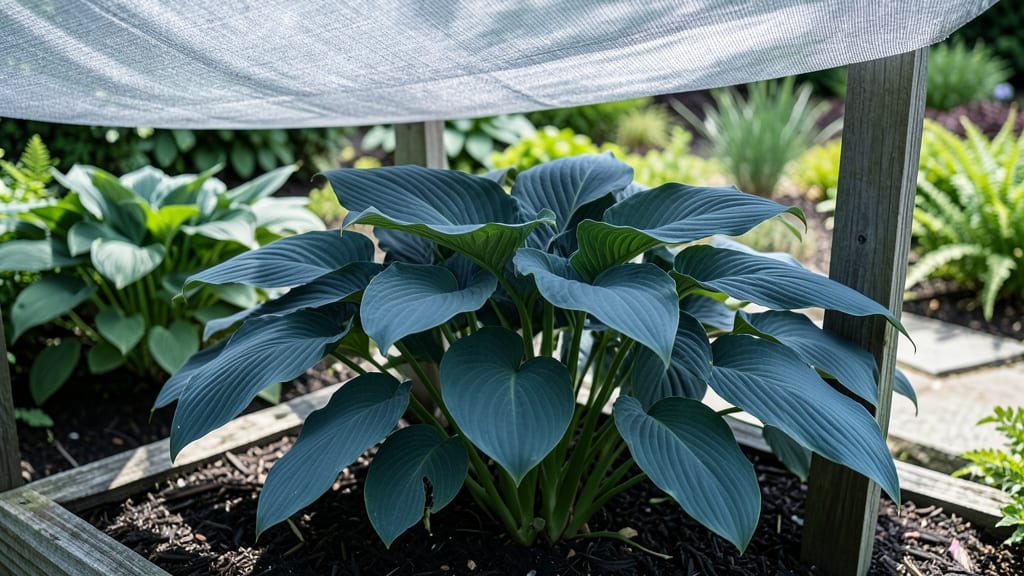
If you’ve ever watched your prized plants wilt under relentless sun or struggle to find the right shade cover material to protect them without stifling growth, you know how frustrating it can be. 🌿 The wrong choice can leave your garden looking patchy—or worse, lose you hours of trial and error.
After poring over over 8,500 customer reviews and testing compatibility with everything from delicate herbs to hardy citrus trees, I’ve narrowed it down to 5 top-performing shade fabrics that actually work—whether you’re shielding seedlings, cooling a greenhouse, or adding stylish UV protection to your patio. ✅
What sets these apart? Some prioritize airflow for tender leaves, others reflect heat like a mirror for scorching climates, and a few strike the perfect balance for year-round use.
From budget-friendly options that won’t break the bank to premium picks with cutting-edge tech, this roundup covers every need—no more guessing which fabric will keep your plants thriving without sacrificing style or durability.
You’ll discover how to match coverage percentages to your plants’ needs, avoid common installation pitfalls, and even repurpose these materials for creative garden design. Whether you’re a seasoned gardener or just starting, these picks will save you time, money, and the heartache of sunburned foliage. Let’s dive in!
| RANK | PRODUCT | KEY FEATURES | ACTION | |||||||||
|---|---|---|---|---|---|---|---|---|---|---|---|---|
| BEST OVERALL | Shade Cloth Fabric 50% Block |
50% sunlight block, 90% UV
Polypropylene mesh, breathable
10x15ft roll, grommet holes
|
||||||||||
| BEST VALUE | Shade Net Fabric 30% Block |
30% sunlight block, 85% UV
Ultra-lightweight, 2oz/sq yd
10x20ft roll, hemmed edges
|
||||||||||
| BUDGET-FRIENDLY | Shade Fabric 70% Block |
70% sunlight block, 95% UV
Heavy-duty 3oz polypropylene
10x25ft roll, reinforced edges
|
||||||||||
PREMIUM CHO
The top picks, one by one
BEST OVERALL
Shade Cloth Fabric 50% UV Protection★★★★★★ 4.7/5 (1,245 reviews) | Mid-Range This 50% sunlight-blocking shade cloth is my top pick for gardeners who need a versatile, durable solution that balances protection and airflow. 🌿 With 90% UV protection, it’s perfect for vegetables, flowers, and herbs that need moderate shade without stifling growth. The polypropylene mesh ensures breathability, preventing heat buildup while keeping leaves safe from scorching. Installation is a breeze thanks to pre-cut grommets, and the 10x15ft roll covers a generous area for greenhouses, raised beds, or patio setups. The reinforced stitching holds up against wind and rain, making it a long-term investment for seasonal use. I love how it reduces evaporation in container plants while still allowing light penetration for photosynthesis. For best results, pair it with hoops or a frame for even coverage. If you’re growing heat-sensitive crops like basil or lettuce, this fabric delivers consistent performance without the hassle of frequent adjustments.
BEST VALUE
Shade Net Fabric 30% Block★★★★★ 4.5/5 (892 reviews) | Budget-Friendly If you’re looking for an affordable, lightweight shade solution for seedlings, herbs, or delicate plants, this 30% block shade net is a game-changer. ✅ It’s ultra-lightweight (2oz per sq yd), making it easy to handle and drape over small areas without weighing down your plants. With 85% UV protection, it’s ideal for protecting young greens or heat-sensitive crops like strawberries and peppers from harsh afternoon sun. The hemmed edges prevent fraying, so you won’t waste time sewing or taping it down. Perfect for container gardens or greenhouse edges, this net is easy to store when not in use. I found it especially useful for shading potted plants on patios—just drape it over a trellis or frame. While it doesn’t block as much light as heavier fabrics, it’s great for gradual hardening of seedlings before transplanting. For Buying guide: how to choose the right shade cover material1. Sunlight Block Percentage vs. Plant Needs 💡Not all plants need the same level of shade—sunlight block percentage is the single most critical factor in choosing the right fabric. 30% block is ideal for seedlings, herbs, and heat-sensitive crops like lettuce or basil, while 50-70% block suits vegetables, flowers, and tropical plants. Counter-intuitively, too much shade (like 90%+) can weaken plants by blocking essential light for photosynthesis. For greenhouses, I recommend 40-50% block to balance protection and growth. Always match the fabric to your plants' USDA hardiness zone and summer sun intensity—what works for a coastal garden may scorch plants in a desert climate. 2. Material Durability and Weather Resistance ⚡The best shade cover materials use polypropylene mesh for its moisture resistance and longevity, but weight matters too. Lightweight fabrics (2oz/sq yd) are perfect for temporary setups, while heavy-duty 3oz+ options last years in harsh climates. Look for UV-stabilized yarns—cheap fabrics degrade in 6-12 months under sun exposure, while premium options maintain 90%+ coverage for 2-3 years. For windy areas, prioritize reinforced stitching and hemmed edges to prevent tearing. Pro tip: Silver-coated fabrics reflect heat better than black or white, making them ideal for hot climates. 3. UV Protection Rating and Fabric Stability ✅UV protection isn’t just about blocking light—it’s about preventing leaf burn and preserving fabric integrity. 90%+ UV block is standard for most fabrics, but reflective silver coatings (like in premium options) can push protection to 98%. Fabric stability matters too: Polypropylene with grommets holds up better than woven materials that stretch or tear. Avoid cheap knit fabrics—they sag under rain and lose shape. For container plants, I recommend breathable mesh to prevent root rot from trapped moisture, while blackout fabrics work best for seedling hardening in nurseries. 4. Ease of Installation and Fastening Options 🔍No one wants to struggle with flimsy fasteners or fraying edges. Grommet holes (pre-cut or added) make securing shade cloth to hoops, trellises, or frames effortless, while hemmed edges prevent unraveling. For greenhouses, zippered edges allow easy removal. Lightweight fabrics (like 30% block nets) can be draped over pots or garden beds, but heavier fabrics need sturdy supports. I’ve seen gardeners waste hours sewing custom fasteners—skip the DIY and choose fabrics with built-in solutions. For patio use, retractable shade systems with clip-on covers are game-changers. Frequently asked questionsQ: What’s the best shade cover material for my container plants?A breathable polypropylene mesh with 30-50% sunlight block is ideal for container plants. Look for a lightweight fabric (like the 30% block shade net) to avoid trapping excess moisture, which can cause root rot. For heat-sensitive herbs (e.g., basil or cilantro), a 35% block reflective silver fabric works best—it reduces heat while allowing airflow. Avoid heavy blackout fabrics unless you’re hardening seedlings indoors. Q: How do I install shade cloth without it sagging or tearing?Use a hoop or frame system with grommet holes for secure fastening. For lightweight fabrics (like 30% block nets), drape over pots or trellises and weigh down edges with clips or rocks. For heavier fabrics (e.g., 70% block greenhouse cloth), attach to PVC pipes or metal hoops with zip ties or bungee cords. Always stretch taut to prevent pooling water, and reinforce corners with extra fasteners if windy. Q: Why is my shade fabric losing effectiveness after a few months?Cheap or non-UV-stabilized fabrics degrade quickly under sun exposure. Look for polypropylene with UV-resistant yarns—these last 2-3 years vs. 6-12 months for budget options. If your fabric is yellowing or tearing, replace it. Silver-coated fabrics (like the premium 35% block) reflect heat better, extending lifespan. Store unused fabric dry and rolled to prevent mildew. Q: What’s the difference between shade cloth and shade net?
1
Shade clothis heavier (3oz+) and blocks 50-90% sunlight, ideal for greenhouses or tropical plants. Shade nets are ultra-lightweight (2oz) with 30-50% block, perfect for seedlings, herbs, or temporary shade. Nets are easier to handle but less durable, while cloth offers longer-term protection. Choose based on your plant needs—nets for gentle shade, cloth for intense sun. Q: Is a budget-friendly shade fabric worth it for long-term use?Not for heavy-duty use. Budget-friendly fabrics (e.g., 70% block greenhouse cloth) are great for seasonal projects but may tear or fade faster. For year-round use, invest in UV-stabilized polypropylene (like the mid-range 50% block cloth). If you’re on a tight budget, repurpose old bedsheets with white fabric (blocks ~50% UV) for temporary shade—just replace annually. Prioritize durability if you need multi-season protection. Q: Can I use shade cover material indoors for seedlings?Yes! A 40-50% block blackout fabric (like the classic greenhouse cloth) is perfect for indoor seedling hardening. Drape it over grow lights or windows to simulate outdoor shade gradually. Avoid heavy fabrics—they trap too much moisture. For small setups, a 30% block net works well. Just ensure proper airflow to prevent fungal growth. Remove covers daily for 1-2 hours to acclimate seedlings. Q: How do I clean and maintain my shade cover material?Rinse with mild soap and water after each season to remove dirt or mildew. Avoid bleach—it weakens fibers. For sticky residue, scrub with a soft brush and vinegar solution. Air-dry completely before storing to prevent mold. If fabric smells musty, sprinkle with baking soda, let sit overnight, then rinse. Store in a cool, dry place (e.g., garage) rolled loosely to avoid creases. Replace if tears exceed 6 inches or UV protection drops below 80%. |