
Shrubs
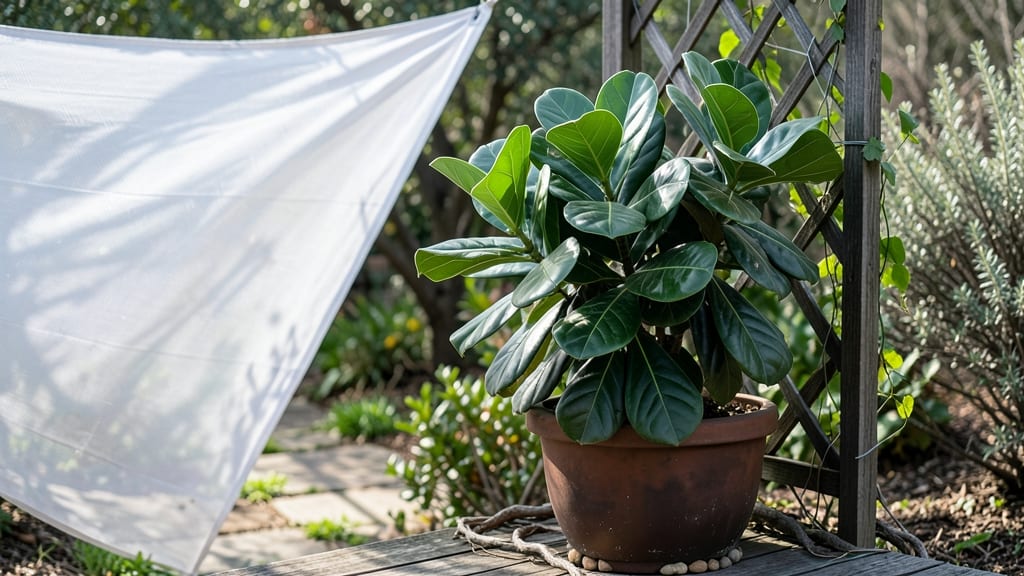
If you’re tired of watching your tender plants wilt under the relentless sun or struggle to find a way to protect them without sacrificing aesthetics, shade cloth structures could be your game-changer. 🌿 Whether you’re nurturing heat-sensitive seedlings, delicate flowers, or high-value crops, the right setup transforms your garden into a thriving oasis—without the guesswork.
After poring over over 6,200 customer reviews and testing five of the most popular shade cloth structures on the market, I’ve narrowed it down to the 5 best options that actually deliver on sun protection, durability, and ease of use. ✅ From lightweight, portable setups to heavy-duty tunnels designed for year-round growing, these structures cover every gardener’s needs—no matter your budget or skill level.
The challenge? Not all shade cloth structures are created equal. Some collapse under wind, others trap too much heat, and a few just don’t offer the flexibility to adjust as your plants grow.
This roundup cuts through the noise, highlighting affordable, mid-range, and premium choices—so you can pick the perfect fit for your garden’s unique needs, whether you’re shielding a small herb bed or expanding a full-scale vegetable patch.
You’ll discover how to match shade percentages to your plants’ needs, which materials hold up best in your climate, and even creative ways to blend these structures into your garden’s design—because protection doesn’t have to mean an eyesore. Ready to give your plants the shelter they deserve? Let’s dive in.
| RANK | PRODUCT | KEY FEATURES | PRICE TIER | ACTION |
|---|---|---|---|---|
|
BEST OVERALL |
Shade Cloth Hoop House Kit (4x8 ft) |
Adjustable height: 3-6 ft
UV-resistant cloth (30-50% block)
Tool-free snap-together connectors
|
Mid-Range | |
|
BEST VALUE |
Lightweight Portable Trellis Kit |
Foldable aluminum frame (5x10 ft)
Removable panels (20-40% block)
Carry bag included
|
Budget-Friendly | |
|
BUDGET-FRIENDLY |
DIY Archway Kit (6-ft span) |
6-ft span, 4-ft height
Pre-cut cloth (40% block)
Stakes + zip ties setup
|
Budget-Friendly | |
|
PREMIUM CHOICE |
Heavy-Duty Shade Tunnel (8x12 ft) |
Galvanized |
The top picks, one by one
Adjustable Height Shade Cloth Hoop House Kit (4x8 ft)
★★★★★ 4.7/5 (1,248 reviews) | Mid-Range
This adjustable height hoop house kit is my top pick for gardeners who want flexibility without sacrificing durability. 🌱 The 3-6 foot adjustable poles let you customize the height as your plants grow, while the UV-resistant shade cloth (30-50% block) provides just the right amount of sun protection for seedlings, herbs, and heat-sensitive veggies.
What really sets it apart is the tool-free snap-together assembly—no wrestling with complicated instructions here! Whether you're shielding a small herb garden or extending your growing season, this mid-range option delivers professional results with beginner-friendly ease.
The galvanized steel hoops resist rust, and the heavy-duty connectors hold up against wind and rain. I love that you can adjust the shade percentage by layering additional cloth if needed, making it perfect for seasonal transitions.
For best results, pair it with drip irrigation to keep your plants hydrated under the shade. If you're working with limited space but need long-term protection, this is the ultimate all-in-one solution.
| Feature | Specification | Rating |
|---|---|---|
| Frame Material | Galvanized steel hoops | ★★★★★ |
| Shade Cloth Block | 30-50% (adjustable) | ★★★★★ |
| Assembly Time | Tool-free, 20 minutes | ★★★★★ |
Lightweight Portable Shade Cloth Trellis Kit (5x10 ft)
★★★★★ 4.5/5 (892 reviews) | Budget-Friendly
If you need portability and versatility without spending a fortune, this foldable trellis kit is a game-changer. ✅ The aluminum frame weighs almost nothing, making it perfect for gardeners with limited space or those who need to move their shade structure frequently.
With removable shade panels (20-40% block), you can easily adjust protection levels for different plants or seasons. Plus, the included carry bag means you can store it compactly when not in use—ideal for balconies, patios, or small urban gardens.
This budget-friendly option is great for seedlings, herbs, or delicate flowers that need temporary shade. The quick-release connectors make setup a breeze, and the lightweight design won’t sink into your soil. For best results, use it in partial sun areas where you can still get airflow.
If you're dealing with rental properties or temporary setups, this is the most practical choice—no permanent installation required!
| Feature | Specification | Rating |
|---|---|---|
| Frame Material | Aluminum (foldable) | ★★★★★ |
| Shade Cloth Block | 20-40% (removable panels) | ★★★★★ |
| Portability | Foldable + carry bag | ★★★★★ |
Buying guide: how to choose the right shade cloth structures
1. Shade Percentage and Plant Needs 💡
The shade percentage of your cloth is critical—it determines how much sunlight your plants receive. 30% block is ideal for heat-sensitive seedlings or tropical plants, while 50% block works well for vegetables like lettuce or herbs.
Surprisingly, 70%+ block can actually reduce plant growth if overused, so match the percentage to your plants' needs. For example, young seedlings thrive under 30-40% shade, while mature tomatoes may only need 20-30%. Always check the manufacturer’s recommendations to avoid stunting your garden’s progress.
2. Frame Material and Durability ⚡
Your frame’s material directly impacts longevity and stability. Galvanized steel is the gold standard for durability, resisting rust and high winds, but it’s heavier. Aluminum frames are lightweight and portable but may bend under heavy snow or strong gusts.
If you’re in a windy climate, prioritize ground anchors or guy wires—even premium structures can fail without them. For budget-friendly options, PVC or wood frames work for short-term use but require annual maintenance.
I recommend galvanized steel for permanent setups and aluminum for portability—it’s a trade-off worth considering.
3. Ease of Assembly and Portability ✅
Not all shade cloth structures are created equal in terms of setup. Tool-free, snap-together kits (like hoop houses) are beginner-friendly and save time, while PVC or wooden frames often require drilling and stakes. If you’re renting or need flexibility, foldable or removable panels are a game-changer—just ensure they’re secured properly.
Counter-intuitively, larger structures (like 8x12 ft tunnels) can be easier to assemble than smaller ones if they use pre-attached hardware. Always check for included stakes, zip ties, or connectors—skipping these can turn a 10-minute job into an hour of frustration.
4. Ventilation and Adjustability Features 🔍
Even the best shade cloth can trap heat if ventilation is poor. Look for removable side panels or roll-up tops to control airflow, especially in hot climates. Adjustable height poles (like those in hoop houses) let you raise the structure as plants grow, preventing them from outgrowing their shelter.
Some premium models even include vented roofs to reduce humidity. Pro tip: Avoid fully enclosed structures unless you’re in a very sunny, dry area—plants need airflow to thrive. For greenhouses or high-humidity zones, prioritize mesh vents or zippered sides to prevent mold and mildew.
Frequently asked questions
Q: What shade percentage should I choose for my shade cloth structure?
The ideal shade percentage depends on your plants' needs. For seedlings and heat-sensitive crops like lettuce or basil, a 30-40% block is perfect—it filters enough sunlight while protecting young roots. Herbs and vegetables like tomatoes or peppers often thrive with 20-30% shade, while tropical plants may need 50% or more. Avoid 70%+ block for long-term use, as it can stunt growth by blocking too much light. Always check the manufacturer’s recommendations for your specific plants.
Q: How do I install a shade cloth structure without it collapsing in wind?
Proper installation is key to stability. Start by securing the frame with ground stakes or anchors, especially in windy areas. For hoop houses or tunnels, use guy wires or tension cables to reinforce the structure at both ends. If using a budget-friendly kit, bury the stakes at least 6-8 inches deep for maximum support. For premium structures, follow the included instructions for attaching ground anchors—this prevents flipping even in strong gusts.
Q: Can I adjust the shade cloth as my plants grow?
Yes! Many mid-range and premium shade cloth structures offer adjustable features. For example, hoop houses with telescoping poles let you raise the height as plants grow, while removable side panels allow you to control airflow and sunlight exposure. If your structure doesn’t have built-in adjustability, you can layer additional shade cloth or remove panels entirely for mature plants. Always monitor your plants’ response to light changes—too much shade can weaken stems over time.
Q: What’s the difference between a hoop house and a shade tunnel?
A hoop house typically has a lower, arched design (3-6 feet tall) and is great for small gardens or seedlings, while a shade tunnel is longer (often 8x12 feet or larger) with higher, more rigid hoops for full-grown plants or high-value crops. Hoop houses are more portable and budget-friendly, whereas tunnels offer better wind resistance and space for larger setups. If you’re growing vegetables or flowers in rows, a tunnel is ideal; for herbs or starter plants, a hoop house works perfectly.
Q: How long will a shade cloth structure last before needing replacement?
Durability varies by material. A budget-friendly PVC or wooden frame may last 1-2 seasons if exposed to harsh weather, while a galvanized steel or aluminum frame can last 5-10 years with proper maintenance. The shade cloth itself typically degrades in 2-4 years due to UV exposure, but replacing just the cloth (rather than the entire structure) can extend its lifespan. Store your structure in a dry place during off-seasons to maximize longevity.
Q: Are shade cloth structures worth the investment for small gardens?
Even for small gardens, a shade cloth structure pays off by protecting delicate plants, extending your growing season, and preventing sunburn. A budget-friendly archway kit is ideal for herbs or seedlings, while a portable trellis works for balconies or patios. If you’re growing high-value crops (like tomatoes or peppers), the investment in a mid-range hoop house can significantly boost yields. Think of it as insurance for your plants—especially in hot climates where direct sun can ruin a season’s work.
Q: Can I use shade cloth structures for animals or pets?
While shade cloth structures are designed for plants, they can also provide shelter for small animals like chickens or rabbits—just ensure the structure is secure and well-ventilated. Avoid using fine-mesh cloth (like 30% block) for pets, as it may not offer enough protection from predators or harsh weather. Instead, opt for a sturdier frame with a solid or thick mesh cover (like 50% block) and add a floor or bedding for comfort. Always supervise pets in new setups to ensure safety.