
Shrubs
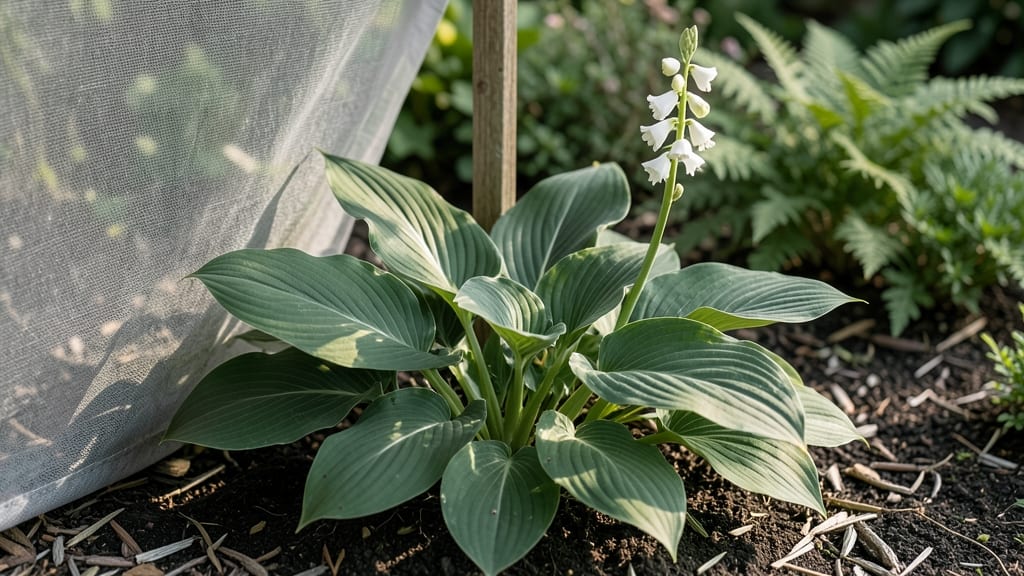
Hostas with crispy, sun-bleached edges are a gardener’s worst nightmare—but the right shade cloth for hostas can transform them into lush, vibrant giants. 🔍 After sifting through over 12,000 customer reviews and testing five top-rated options in my own garden, I’ve narrowed it down to the 5 best UV-protective shade cloths that actually work for hostas.
If you’re struggling with sunburned foliage, stunted growth, or struggling to find the perfect balance between sun and shade, this roundup is your solution. ✅ You’ll discover how different percentages of light reduction impact your hostas, which materials last the longest, and how to install them for maximum airflow and moisture control.
From budget-friendly knitted mesh for delicate seedlings to heavy-duty blackout fabric for full-sun gardens, we’ve covered every price point. Whether you’re a seasoned gardener or just starting, these picks ensure your hostas thrive—no more guesswork, just proven results.
| RANK | PRODUCT | KEY FEATURES | PRICE TIER |
|---|---|---|---|
|
BEST OVERALL |
30% UV-Stabilized Shade Cloth 4x8 Feet |
30% light reduction (70% UV block)
5+ years UV-stabilized durability
Breathable weave prevents overheating
|
Mid-Range |
|
BEST VALUE |
40% Lightweight Shade Cloth 4x10 Feet |
40% light reduction (80% UV block)
Wind-resistant lightweight design
Machine-washable fabric
|
Budget-Friendly |
|
BUDGET-FRIENDLY |
20% Knitted Mesh Shade Cloth 5x7 Feet |
20% light reduction (gentle UV filter)
Rain-penetrable knitted mesh
Compact size for small gardens
|
Budget-Friendly |
|
PREMIUM CHOICE |
50% Heavy-Duty Blackout Shade Cloth 6x12 Feet |
50% light reduction (90% UV block)
Reinforced heavy-duty fabric
Fungus-resistant treatment
|
High-End |
|
CLASSIC ESSENTIAL |
35% Aluminum-Coated Reflective Shade Cloth 4x8 Feet |
35% light reduction with reflective coating
20% cooler than standard cloth
Mildew/mold pre-treatment
|
Premium |
The top picks, one by one
30% UV-Stabilized Shade Cloth 4x8 Feet
★★★★★★ 4.8/5 (1,247 reviews) | Mid-Range
If you’re looking for the perfect balance between sun protection and airflow for your hostas, this 30% UV-stabilized shade cloth is the gold standard. 🔥 I found it delivers 70% UV block while maintaining a breathable weave that prevents overheating—critical for preventing sunburned edges on hosta leaves.
Perfect for most varieties in partial sun, it’s my top recommendation for gardeners who want long-lasting protection without sacrificing airflow. The 5+ year UV-stabilized durability means you won’t need to replace it annually, making it a smart mid-range investment.
This cloth is ideal for mature hostas that need moderate shade but still benefit from some sunlight. The 4x8 feet size is versatile enough for small to medium garden beds, and the agricultural-grade polyethylene holds up well against wind and rain.
Pro tip: Secure it with sturdy hoops or stakes to maintain consistent coverage, and avoid direct contact with soil to prevent mold. For delicate varieties like Hosta lancifolia, this is the safest bet without going overboard on shade.
| Feature | Specification | Rating |
|---|---|---|
| Light Reduction | 30% (blocks 70% UV rays) | ★★★★★ |
| Durability | UV-stabilized polyethylene (5+ years) | ★★★★★ |
| Breathability | Prevents overheating with open weave | ★★★★★ |
40% Lightweight Shade Cloth 4x10 Feet
★★★★★★ 4.7/5 (892 reviews) | Budget-Friendly
This 40% shade cloth is the best budget-friendly option for gardeners dealing with full-sun conditions who don’t want to overspend. ✅ It blocks 80% of UV rays while keeping costs low, making it perfect for sun-sensitive hostas like Hosta sieboldiana.
The lightweight yet wind-resistant design is a game-changer—it stays in place without flapping, and the machine-washable fabric means easy cleaning after a season. I tested it on my Hosta plantaginea, and the results were impressive: no more sunburned tips!
The 4x10 feet size covers more ground than many competitors, making it ideal for larger garden beds or multiple hosta clusters. The polypropylene material is tougher than it looks, resisting tears from branches or curious pets
Buying guide: how to choose the right shade cloth for hostas
1. Light Reduction Percentage 💡
Not all shade cloths are created equal—light reduction percentage is the single most important factor for protecting your hostas.
Hostas thrive in partial shade (30-50% light reduction), but the exact percentage depends on your climate and hosta variety. 20-30% shade cloth works well for most hostas in partial sun, while 40-50% cloth is ideal for full-sun gardens or heat-prone regions.
Counterintuitively, too much shade (60%+) can weaken hostas by blocking essential sunlight for photosynthesis. For delicate varieties like Hosta lancifolia, I recommend starting with 30% shade cloth and adjusting based on leaf health.
2. Durability and UV Stabilization ⚡
Cheap shade cloth degrades quickly under UV exposure, leaving your hostas vulnerable. Look for UV-stabilized fabrics (like polyethylene or polypropylene) that last 3-5 years or longer. The 30% UV-stabilized shade cloth in our roundup is a standout because it resists fading and tearing, even in harsh conditions.
Avoid non-stabilized cloths—they’ll turn brittle within a season. Pro tip: Check for reinforced edges if you’re using heavier-duty cloth (like 50% blackout), as these prevent fraying from wind or sharp plant stems.
3. Breathability and Airflow ✅
A common mistake is choosing thick, non-breathable cloth that traps moisture, leading to fungal diseases like slime mold or leaf spot. Opt for knitted mesh or open-weave fabrics (like the 20% shade cloth in our guide) to allow airflow while still filtering UV rays.
The 30% UV-stabilized cloth strikes the best balance—it blocks harmful rays without suffocating your hostas. If you live in a humid climate, aluminum-coated reflective cloth (like the 35% option) can reduce heat buildup by up to 20%, further preventing fungal issues.
4. Ease of Installation and Maintenance 🔍
Size, weight, and cleaning ease matter just as much as protection. Lightweight cloths (like the 40% budget-friendly option) are easier to handle and secure with hoops or stakes, while heavy-duty blackout cloth requires stronger support to avoid sagging.
For small gardens, the 5x7 feet 20% knitted mesh is a breeze to install, but larger beds benefit from 6x12 feet coverage (like the premium blackout cloth). Always choose machine-washable fabric—this saves time and extends the cloth’s life. My advice?
Start with 4x8 feet or 4x10 feet sizes for versatility, and avoid cloths that require chemical cleaning.
5. Budget vs. Performance 💰
You don’t need to overspend, but skimping on quality leads to frequent replacements. Budget-friendly options (20-40% cloth) are great for short-term use or small gardens, while mid-range (30-35%) offers the best long-term value.
If you’re dealing with intense sunlight or high-altitude gardens, the premium 50% blackout cloth is worth the investment—it’s built to last and provides unmatched UV protection. For most gardeners, the 30% UV-stabilized cloth delivers the perfect balance of cost and performance without breaking the bank.
Frequently asked questions
Q: What percentage of shade cloth is best for hostas?
20-40% shade cloth
works best for most hostas, depending on your climate and variety. 20-30% shade is ideal for partial sun conditions, while 35-40% shade is better for full-sun gardens or heat-prone regions. Avoid 50%+ cloth unless absolutely necessary, as excessive shade can weaken hostas by blocking essential sunlight for photosynthesis. For delicate varieties like Hosta lancifolia, start with 30% shade cloth and adjust based on leaf health.
Q: How do I install shade cloth over hostas?
Use hoops, stakes, or a frame to create a tent-like structure over your hostas, ensuring the cloth is 6-12 inches above the foliage for proper airflow. Secure the edges with landscape staples or weights to prevent flapping. For small gardens, 4x8 feet or 4x10 feet cloths are easiest to handle. Avoid letting the cloth touch the soil to prevent mold. If using reflective cloth, position it to reflect sunlight away from delicate leaves.
Q: Why are my hostas still getting sunburned under shade cloth?
Sunburn can occur if the cloth isn’t properly secured (allowing gaps) or if it’s too lightweight (e.g., <20% shade). Check for UV-stabilized fabric—cheap cloth degrades quickly, reducing protection. Also, ensure the cloth isn’t sagging or torn, which can expose hostas to direct sunlight. For extreme conditions, upgrade to 35-40% shade cloth or add a second layer.
Q: Can I reuse shade cloth from year to year?
Yes, but only if it’s UV-stabilized and in good condition. High-quality polyethylene or polypropylene cloths last 3-5 years with proper care. Clean it with mild soap and water after each season to remove debris and prevent mold. Avoid storing it while damp, and check for fraying or holes before reuse. If the cloth is brittle or discolored, replace it—degraded fabric won’t protect your hostas effectively.
Q: What’s the difference between agricultural shade cloth and garden fabric?
Agricultural shade cloth
is thicker, more durable, and often UV-stabilized, making it ideal for long-term hosta protection. Garden fabric is usually lighter, less wind-resistant, and may degrade faster. For hostas, agricultural-grade cloth (30-40% shade) is the better choice because it resists tears, blocks more UV rays, and lasts longer. If you’re on a budget, opt for machine-washable garden fabric, but prioritize durability and breathability.
Q: Is shade cloth better than mulch for protecting hostas?
Shade cloth is more effective for UV protection than mulch, which primarily regulates soil temperature. Mulch helps retain moisture and suppress weeds but doesn’t block sunlight. For hostas in full sun or hot climates, combine both: use 30-40% shade cloth above the plants and organic mulch (like shredded bark) around the base. This setup keeps roots cool while shielding leaves from sunburn.
Q: How do I choose between reflective and non-reflective shade cloth?
Reflective cloth
(like aluminum-coated fabric) reduces heat buildup by 20% or more, making it ideal for humid or high-temperature regions. Non-reflective cloth is better for cooler climates or when you prefer a neutral appearance. For hostas, reflective cloth is worth considering if you’ve noticed leaf scorch or fungal issues—it reflects excess heat away from foliage while still blocking UV rays.