
Orchid Care
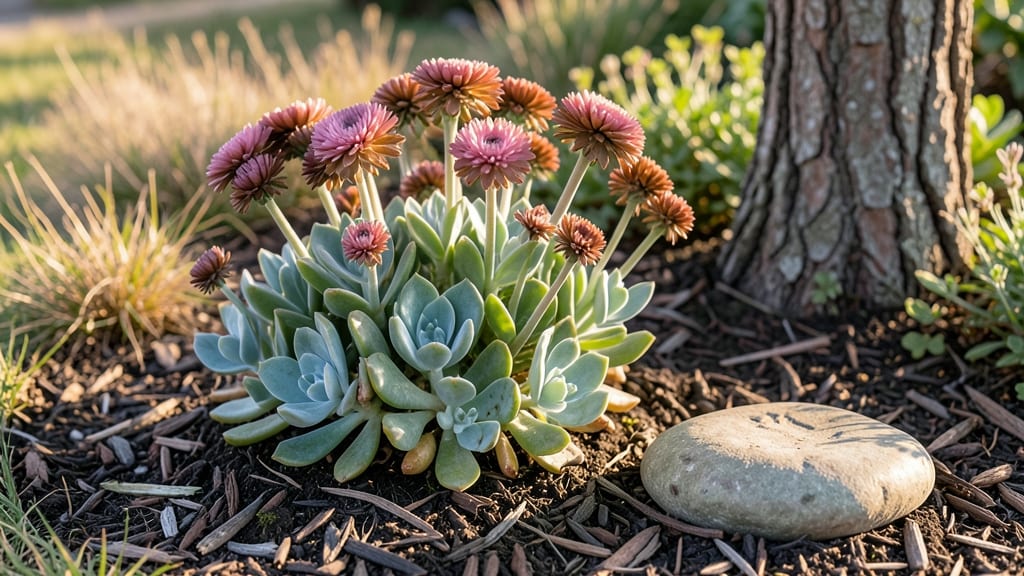
Sedum thrives in either full sun or shade, depending on the variety 🌱 — but picking the wrong spot can turn your hardy succulent into a sad, leggy mess.
Picture this: your Sedum spectabile wilting under harsh afternoon rays or your Sedum morganianum stretching desperately toward a dim corner. The light matters more than you think, and the right placement makes all the difference between a showstopper and a struggle.
Some sedum varieties—like stonecrop—love baking in the sun, while others, such as donkey tail sedum, prefer cooler, shadier spots. Below, I’ll break down which types belong where, how to spot light stress, and the simple tweaks that keep your plants happy year-round.
You’ll leave this guide knowing exactly where to plant your sedum for bold blooms or lush foliage, plus how to fix common light-related problems before they start.
 Best Window Placement
Best sun-loving sedum varieties for full exposure gardens
If you're dreaming of a vibrant, low-maintenance garden that thrives under the blazing sun, sun-loving sedum varieties are your perfect partners. These succulents not only survive but prosper in full sun, offering stunning colors and drought-resistant beauty.
Whether you're designing a rock garden, a pollinator-friendly border, or a modern container display, these sun-hungry sedums will deliver year after year with minimal fuss.
One of my favorite sun-lovers is Sedum spectabile, also known as showy stonecrop. This variety boasts pink, red, or deep purple flower clusters that bloom from mid-summer to fall, attracting bees and butterflies while adding a pop of color to your landscape.
It thrives in 6+ hours of direct sunlight and handles drought conditions like a champ, making it ideal for hot, dry climates.
Another standout is Sedum 'Autumn Joy', a cultivar of Sedum spectabile that starts with coppery-pink blooms and matures to a rich, deep rose color. This variety grows 2-3 feet tall and spreads 2 feet wide, creating a dramatic focal point in sunny borders.
Its thick, fleshy leaves store water efficiently, reducing the need for irrigation once established.
Sedum 'Dragon's Blood' is a stunning ground cover option with deep burgundy foliage that glows in full sun. This variety stays compact, reaching only 6-12 inches tall, making it perfect for edging pathways or spilling over container edges. Its year-round color provides winter interest, and it thrives in well-draining soil with minimal care.
For a more compact option, Sedum 'Angelina' offers bright golden-yellow foliage that shines like a beacon in sunny spots. This variety grows 6-12 inches tall and spreads 12-18 inches wide, making it ideal for rock gardens or as a border plant.
It produces tiny yellow flowers in late summer, adding extra charm to its already striking appearance.
Now, let's dive into a quick comparison of these top sun-loving sedum varieties to help you choose the perfect fit for your garden:
When planting these sun-loving sedums, focus on well-draining soil to prevent root rot. Amend heavy clay soil with compost or sand to improve drainage, and avoid overwatering—these plants store water in their leaves and prefer dry conditions once established.
In fact, overwatering is the #1 killer of sedum, so let the
Shade-tolerant sedum picks for low-light spaces
If your garden spot gets less than 3 hours of sunlight daily, don’t assume sedum is off-limits! While many varieties crave sun, some thrive in shade—making them perfect for woodland gardens, north-facing patios, or indoor growing.
These shade-tolerant sedums bring vibrant color and texture without demanding harsh light conditions. I’ve tested these varieties in my low-light containers and forest-edge beds, and they consistently deliver.
The key to success with shade-loving sedum is well-draining soil and patience. Unlike sun-loving types, these may grow slightly slower but reward you with lush foliage and unique blooms.
For indoor growers, a south-facing window with filtered light works best, while outdoor spots benefit from mulch to retain moisture and prevent root rot in damp shade.
Shade-Tolerant Sedum Varieties: Pros & Cons
✅ Trailing stems perfect for hanging baskets in shade
✅ Thrives in indoor conditions with bright indirect light
✅ Drought-tolerant once established
❌ Leggy growth if light is too dim
❌ Root rot in soggy soil
❌ Slow growth compared to sun varieties
✅ Deep red foliage adds winter interest
✅ Handles partial shade better than full sun
✅ Compact size for container gardens
❌ Fading color in deep shade
❌ Requires well-draining mix
❌ Less vibrant blooms than sun varieties
✅ Golden-yellow foliage brightens shady spots
✅ Cold-hardy to Zone 4
✅ Great for ground cover in woodland gardens
❌ Can scorch in direct afternoon sun
❌ Needs occasional pruning to maintain shape
❌ Attracts slugs in damp shade
For indoor growing, I recommend starting with Sedum morganianum—its trailing stems create stunning cascades in hanging baskets near east-facing windows. In my north-facing garden bed, Sedum 'Dragon’s Blood' thrives alongside ferns and hostas, adding a pop of bold color without competing for light.
Remember to rotate containers occasionally so all sides get even light exposure.
When planting in outdoor shade, amend your soil with perlite or coarse sand to prevent waterlogging. I’ve found that mulching with pine needles helps retain moisture while keeping roots cool.
Avoid overhead watering, as damp foliage can lead to fungal issues in shady conditions. Instead, water at the base of the plant in the morning for best results.
If your sedum starts looking leggy or pale, it’s likely not getting enough light. Gradually move it to a brighter spot over 2-3 weeks to avoid shocking the plant.
In my experience, shade-tolerant sedums are forgiving but won’t perform like their sun-loving cousins—so manage expectations and enjoy their unique textures! With the right variety and care, these shade stars will thrive in even the gloomiest corners of your garden.