
Orchid Care
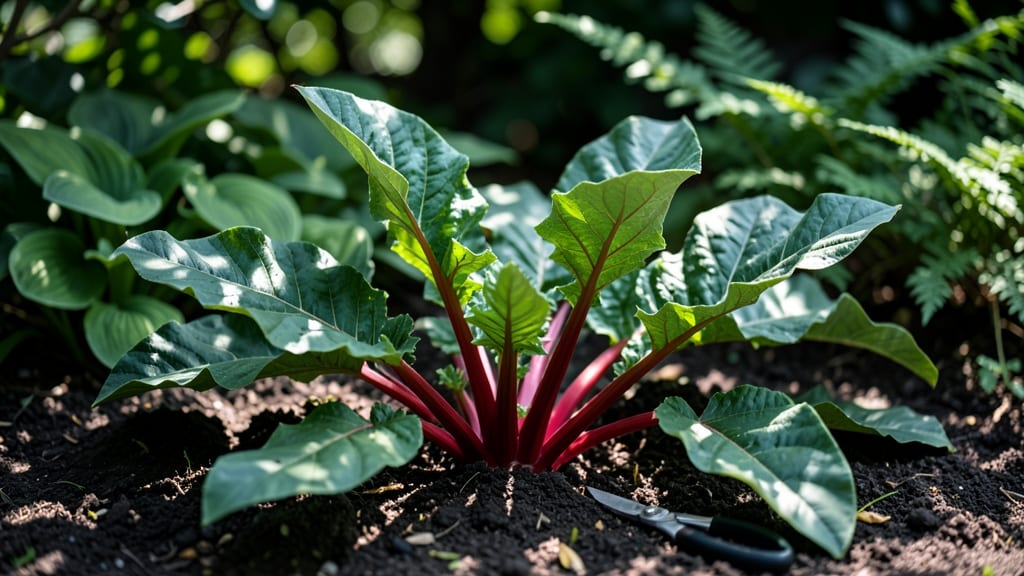
Growing rhubarb in sun or shade depends on striking the right balance—too much sun scorches the leaves, while too little shade stunts those sweet, tart stalks you crave.
Struggling to decide whether your rhubarb patch should bask in sunlight or thrive in partial shade? The right light conditions can mean the difference between a meager harvest and a bounty of tart, vibrant stalks—here’s how to get it right.
Rhubarb plants 🌱 actually prefer partial shade, especially in hotter climates, where afternoon sun can turn leaves crispy. But that doesn’t mean they’ll thrive in deep shade—3 to 6 hours of morning sunlight is the sweet spot for sturdy stalks and lush growth.
Below, I’ll break down how to position your rhubarb for peak performance, whether you’re working with a sunny border or a shadier corner of the garden—plus how to tell if you’ve got it just right.
 Best Window Placement
Ideal sunlight requirements for rhubarb growth and harvest
Rhubarb thrives best in partial shade, especially in hot climates where afternoon sun can scorch its broad leaves. While it can tolerate 3-6 hours of sunlight daily, too much direct exposure—especially in summer—can stress the plant and reduce stalk quality.
Understanding these nuances helps maximize your harvest yield and stalk size.
The key is balancing morning sun with afternoon shade, which prevents leaf burn while still fueling growth. Rhubarb’s tart stalks develop best when the plant receives gentle, indirect light for most of the day. This approach also extends the growing season in warmer regions by reducing heat stress.
Here’s how sunlight directly impacts your rhubarb’s performance:
Rhubarb’s photosynthesis process thrives in moderate light because its large leaves can overheat in intense sun. When exposed to too much direct sunlight, the plant diverts energy to protecting its leaves instead of producing edible stalks.
This is why morning sunlight (when temperatures are cooler) is ideal—it provides enough energy without causing stress.
The color of your rhubarb stalks also depends on light exposure. Varieties like ‘Victoria’ (red) or ‘Cherry’ (pink) develop their vibrant hues with 3-4 hours of morning sun.
In low-light conditions, stalks may turn pale or greenish, losing their market appeal. For the deepest colors, aim for 4-5 hours of filtered sunlight daily.
In cool climates, rhubarb can handle slightly more sun (up to 6 hours) because the risk of leaf scorch is lower. However, even in these regions, afternoon shade helps maintain stalk tenderness.
If you’re growing rhubarb in containers, prioritize east-facing placements to avoid the harsh afternoon rays.
One common misconception is that rhubarb needs full shade to thrive. While it tolerates shade better than many vegetables, too little light leads to leggy growth and poor stalk development. The sweet spot is partial shade with morning sun, which ensures both leaf health and stalk production.
To test your rhubarb’s light needs, observe its leaves: dark green and upright means it’s happy; yellowing or curled indicates too much sun; pale and sparse suggests insufficient light. Adjust shading with lightweight fabric or nearby trees to fine-tune the environment.
For maximum harvests, rotate your rhubarb patch every 3-4 years to prevent soil depletion and ensure consistent light exposure. Combine this with regular mulching to retain moisture and regulate soil temperature, further optimizing growth in varying light conditions.
🌱
How to adjust sunlight for rhubarb in different climates
Rhubarb thrives in partial shade, but the exact sunlight needs vary dramatically depending on where you live. In hot climates, too much sun can scorch leaves and reduce yields, while cold regions often benefit from morning sun to jumpstart growth.
Even urban gardens with limited space require smart sunlight strategies to maximize your harvest. Let’s break down how to tailor light exposure for your rhubarb based on your climate and garden setup.
For hot climates (like USDA Zones 8-10), rhubarb needs morning sun only—think 3-4 hours of direct light before 10 AM. Afternoon shade is a must to prevent leaf scorch and bolt (premature flowering).
In cold regions (Zones 3-6), rhubarb can handle 4-6 hours of sun, but prioritize southern or western exposure to capture warmth for early spring growth. Urban gardeners often face the toughest challenge—limited space—so vertical growing or reflective surfaces can help stretch sunlight where it counts.
- 🔥 Hot Climates: Limit sun to 3-4 hours max (morning only). Use shade cloth (30-50%) if leaves yellow or crisp.
- ❄️ Cold Climates: Aim for 4-6 hours of sun, but protect from harsh afternoon winds with windbreaks or mulch.
- 🏙️ Urban Gardens: Place rhubarb near east-facing walls or use reflective mulch (white gravel) to amplify light.
- 🌿 Pruning Hack: Trim yellowing leaves in hot climates to redirect energy to stalks. In cold climates, leave foliage until frost to store nutrients.
- 🪴 Mulching Matters: Apply 3-4 inches of straw mulch in summer to insulate roots and retain moisture in hot/dry areas.
Pruning plays a critical role in managing sunlight exposure. In hot climates, I always remove old or damaged leaves to improve airflow and reduce stress. This helps rhubarb focus energy on stalk production rather than repairing sunburned foliage.
Conversely, in cold climates, I avoid heavy pruning until late spring—letting the plant build reserves over winter. Urban gardeners can get creative with container growing: choose light-colored pots to reflect extra heat and place them where they catch dappled sunlight (like under a tree’s canopy).
Mulching is another game-changer for sunlight adjustment. In hot climates, a thick layer of straw or wood chips keeps roots cool and conserves moisture, while in cold regions, straw mulch acts as insulation against frost heave.
For urban gardens, black plastic mulch can warm soil faster in spring, giving rhubarb a head start. Just remember: never mulch too close to the crown—keep it 2-3 inches away to prevent rot.
Pair mulch with drip irrigation to avoid wetting leaves, which can lead to fungal issues in humid climates.
If your rhubarb starts showing stress signs—like yellowing leaves or stunted stalks—adjust sunlight gradually. Move pots to a shadier spot if scorch appears, or rotate containers weekly to ensure even light exposure.
In cold climates, extend the growing season by covering plants with frost cloth in early spring to capture more sunlight. With these tweaks, even tricky microclimates can yield plump, vibrant rhubarb stalks year after year.
Pro tip: Monitor your rhubarb’s color—deep red or green stalks mean it’s thriving, while pale or blotchy ones signal light imbalances. Tweak exposure based on what you see, and don’t hesitate to split crowded plants if they’re competing for sunlight in small spaces.
A little experimentation goes a long way!