
Planting
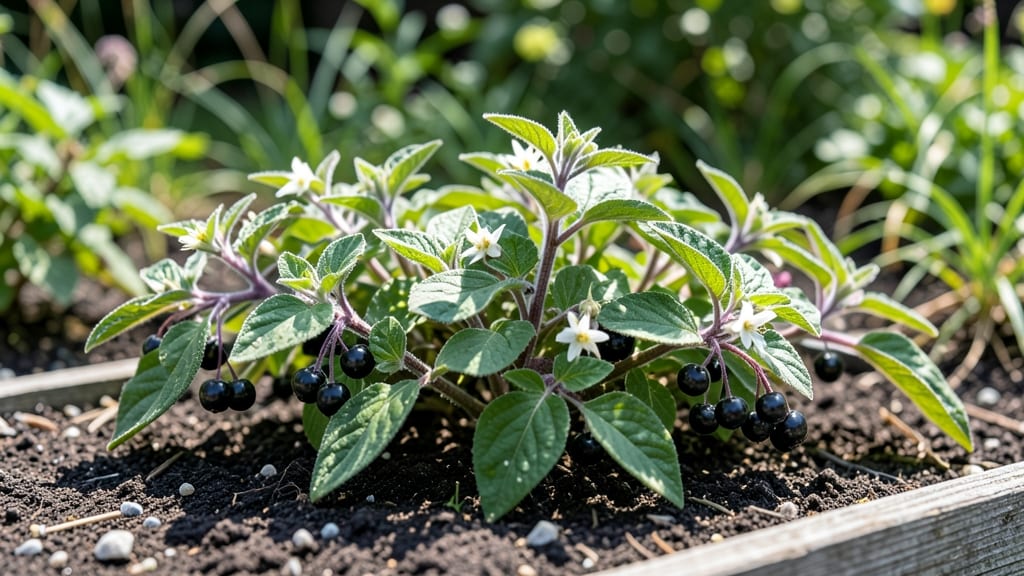
Growing purple nightshade means adding a hardy, edible plant that thrives where others fail. 🌿 This unassuming weed-turned-garden-star produces glossy purple berries and tender young leaves, all while tolerating shade and poor soil better than most vegetables.
My first batch grew under a pine tree where nothing else survived—proof that this plant isn’t just resilient, but downright stubborn in its ability to succeed. The secret lies in its adaptability: purple nightshade handles partial shade, drought, and even urban pollution better than many ornamentals.
You’ll find it popping up in cracks of sidewalks and neglected corners, but when cultivated intentionally, it rewards you with edible greens and berries that taste like a cross between spinach and green beans. Just be warned—its wild relatives can be toxic, so proper identification is key before harvesting.
What you’ll get is a low-maintenance, high-reward plant that produces harvests from late summer through fall, even in less-than-ideal conditions. The berries turn black when ripe and are packed with antioxidants, while the young leaves make a nutritious addition to salads or stir-fries.
It’s the kind of plant that makes you question why you ever planted anything else. Start with seeds or volunteer plants from your yard (if you’re sure of the species), and you’ll have a self-sustaining crop that spreads gently on its own.
Just keep an eye on its tendency to naturalize—this isn’t a plant for gardeners who want to keep things tidy. For those willing to embrace its wild side, it’s a game-changer for shade gardens and urban plots.
📚 In This Guide
- What you need
- Instructions
- Tips and common mistakes
- Wrapping up and next steps
What you need
- ● Purple nightshade seeds – 10–20 seeds (or a small potted plant if propagating from cuttings).
- ● Well-draining potting mix – 5–10 gallons (or a 5–10 inch deep container for each plant).
- ● Containers or garden bed – 12+ inch diameter pots (for indoor/container growing) or a sunny garden spot (6+ hours of light daily).
- ● Watering can or hose – With a gentle spray nozzle for seedlings.
- ○ Fertilizer (optional but helpful) – Balanced organic fertilizer (10-10-10 or compost tea).
- ● Gloves – To protect hands (purple nightshade can irritate skin in some people).
- ● Trowel or small shovel – For transplanting seedlings.
- ● Pruning shears – To trim leggy growth or harvest leaves.
- ○ Grow lights (optional) – LED or fluorescent for low-light conditions (12–16 hours/day).
- ○ Mulch (optional) – Straw or shredded leaves to retain moisture.
Step-by-step instructions for growing purple nightshade plants
Here’s how to cultivate these striking, edible plants with minimal fuss—perfect for indoor spaces or shady garden corners.
🌱 Step 1: Choose the Right Location and Soil
Purple nightshade thrives in partial to full shade, making it ideal for indoor windowsills or under trees. Avoid harsh afternoon sun, which can scorch its glossy leaves. Use well-draining potting mix (no garden soil—it compacts and causes rot). I blend mine with 20% perlite to keep moisture balanced without suffocating roots.
Fill a 6-8 inch pot with the mix, leaving 1 inch of space at the top for watering. Tap the pot gently to settle the soil—this prevents air pockets that could disrupt root growth. Purple nightshade’s deep roots appreciate depth, so larger containers yield bigger harvests.
🌿 Step 2: Plant Seeds or Transplants
Sow seeds ¼ inch deep or transplant established starts, spacing them 8-12 inches apart in pots or garden beds. I like to plant 2-3 seeds per pot and thin to the strongest seedling once leaves appear—this ensures no gaps in coverage. Water gently after planting to encourage root contact with soil.
If using seeds, keep the soil consistently moist (not soggy) until germination, which takes 10-14 days in 65-75°F conditions. Watch for tiny purple sprouts—they’re delicate, so avoid disturbing them. For transplants, water deeply right after planting to reduce shock.
☀️ Step 3: Provide Consistent Care for Lush Growth
Water when the top inch of soil feels dry, typically every 5-7 days in shade or every 3-4 days indoors with dry air. Purple nightshade’s thick leaves store moisture, so underwatering is better than overwatering—root rot is its biggest enemy. I use a self-watering pot in winter to prevent drying spells.
Fertilize lightly every 4-6 weeks with a balanced organic fertilizer (10-10-10). Too much nitrogen makes leaves grow fast but berries sparse. Look for deep purple berries forming in late summer—these are edible (when fully ripe) and a striking addition to salads or preserves.
✂️ Step 4: Prune and Harvest for Year-Round Productivity
Pinch back leggy stems in early spring to encourage bushier growth. Remove spent flowers to redirect energy to berries, not seeds. Harvest berries when they’re deep purple and firm—they won’t ripen further off the plant. I wear gloves when handling them, as the leaves contain solanine (toxic if ingested in large amounts).
In colder months, bring potted plants indoors near a bright window or under grow lights. Purple nightshade’s resilience means it keeps producing with minimal light, making it a year-round edible beauty.
Tips & tricks for perfect purple nightshade plants
Took me a while to figure these out, so here goes—simple secrets to keep your purple nightshade thriving with minimal fuss.
Soil Settling Secret: After filling your 6-8 inch pot, give it a gentle tap on the countertop to settle the soil. This removes air pockets that can strangle roots. I do this twice—once before planting and again after watering. Those few seconds prevent future root stress and ensure even moisture distribution throughout the pot.
Germination Temperature: The 65-75°F range for seed germination is critical—too cold delays sprouting, while too hot can kill delicate seedlings. I place my pots on a seedling heat mat during winter to maintain consistent warmth. If your home runs cooler, consider a sunny windowsill with a clear plastic dome to trap heat.
Watering Wisdom: The "top inch dry" rule works, but I've found purple nightshade tolerates slightly longer dry spells than most plants. Stick your finger an inch deep—if it feels dry, water thoroughly until it drains from the bottom. The thick leaves store moisture, so you'll notice fewer wilting signs than with other plants.
Light Adaptation: If moving plants indoors for winter, ease them into lower light gradually over 1-2 weeks. Sudden dimming causes leaf drop. I place mine near an east-facing window where they get gentle morning light. For truly dark corners, supplement with a simple LED grow light for just 4-6 hours daily—no need for fancy equipment.
Pro Tips for Purple Nightshade Plant
- Took me a while to figure these out, so here goes—simple secrets to keep your purple nightshade thriving with minimal fuss.
- Soil Settling Secret: After filling your 6-8 inch pot, give it a gentle tap on the countertop to settle the soil.
- Germination Temperature: The 65-75°F range for seed germination is critical—too cold delays sprouting, while too hot can kill delicate seedlings.
Frequently asked questions
Got questions about growing and using purple nightshade plants? You’re not alone! Here are some of the most common queries—plus quick answers to help you thrive with this versatile, low-light superstar.
Is purple nightshade (Solanum nigrum) safe to eat?
Yes, but only when fully ripe and cooked! The raw berries (especially green ones) contain solanine, a toxic compound. Once deep purple-black and cooked, they’re packed with antioxidants and nutrients. Always confirm identification—some lookalikes (like deadly nightshade) are poisonous. When in doubt, consult a local foraging expert!
How long does it take for purple nightshade to produce berries?
Patience pays off! Under ideal conditions (partial shade, consistent moisture), you’ll see flowers in 6–8 weeks after planting, with berries ripening in 10–12 weeks. In cooler climates, growth may slow—extend the season by starting seeds indoors or using row covers. Pro tip: Pinch back leggy stems to encourage bushier growth and more fruit!
Can purple nightshade grow in containers? What size pot should I use?
This plant thrives in containers with at least 12-inch depth and drainage holes. Use a well-draining potting mix (add perlite or sand for extra aeration). A 14–16-inch pot gives roots room to spread, especially if you’re growing multiple plants. Just keep it near a window or under grow lights—it’s not drought-tolerant, so water when the top inch of soil feels dry.
What are some easy ways to use purple nightshade berries in cooking?
These tiny berries add a tart, earthy flavor—perfect for sauces, jams, or even as a garnish! Try these ideas:
- Purple Nightshade Jam: Simmer berries with sugar, lemon juice, and a splash of vanilla for a jam with a vibrant purple hue.
- Sauce Boost: Blend into tomato or balsamic sauces for depth (great with pasta or grilled meats).
- Tea Infusion: Dry berries and steep in hot water for a caffeine-free herbal tea with antioxidant benefits.
- Garnish: Sprinkle over salads or cheeses for a pop of color and tang.
Warning: Always cook berries thoroughly—raw or undercooked berries can cause stomach upset.
What pests or diseases should I watch for with purple nightshade?
This hardy plant is relatively pest-resistant, but keep an eye out for:
- Aphids or Spider Mites: Spray leaves with water or use neem oil if you spot sticky residue or tiny webs.
- Fungal Issues (like powdery mildew): Improve airflow by pruning crowded stems and avoid overhead watering.
- Birds: They love the ripe berries! Cover plants with netting if birds are a problem in your area.
Yellowing leaves? Check for overwatering—the roots prefer consistent moisture but hate soggy soil. Pro tip: Mulch around the base to retain moisture and deter weeds!
Wrapping up and next steps
The purple nightshade plant is a stunning, low-maintenance addition to any garden—whether you’re drawn to its striking foliage, culinary potential, or hardy resilience in shady spots. 🌿 With the right care, this versatile plant can thrive year-round, offering both beauty and practical benefits.
Ready to transform your space? Start by selecting a well-draining spot, gathering your supplies, and planting with confidence!
🌱 Your Next Step:
- Grab your seeds or seedlings and get growing—your purple nightshade garden awaits!
- Share your progress with fellow plant enthusiasts for tips and inspiration.
- Experiment with recipes or decorative arrangements to make the most of your harvest.