
Orchid Care
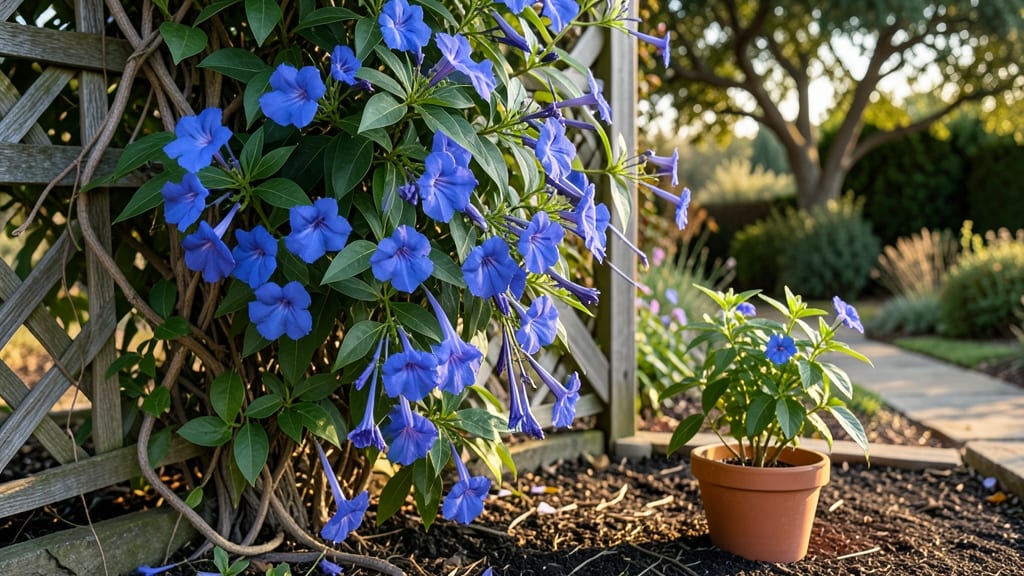
Plumbago thrives in sun or shade, but getting the balance right is the key to those showstopping blue blooms you’ve been dreaming of.
Struggling to keep your Plumbago happy with inconsistent sunlight? The secret lies in understanding its flexibility—whether it’s basking in morning sun or thriving under dappled shade.
Too much direct sun can scorch delicate leaves, while too little shade may leave you with leggy stems and sparse flowers. I’ll walk you through the ideal light conditions, regional tweaks, and how to transition your plant smoothly between sun and shade.
By the end, you’ll know exactly where to place your Plumbago for year-round color—no guesswork required!
 Best Window Placement
Plumbago sun requirements: maximizing blooms in full light
If you’ve ever watched your Plumbago struggle under harsh afternoon sun—yellowing leaves or sparse blooms—you’re not alone. While this stunning climber thrives in full sun (6+ hours/day), it needs the right balance to avoid stress.
The key lies in understanding its microclimate needs, soil moisture, and strategic placement to keep those iconic blue flowers blooming year-round.
Plumbago’s sun tolerance varies by variety, but most thrive with morning sun and afternoon shade in hot climates. Without adjustments, intense midday rays can cause leaf scorch or stunted growth.
My secret? Pairing it with light-colored mulch and drip irrigation to maintain consistent moisture—this combo makes all the difference in my USDA Zone 8 garden.
| Plumbago Variety | Sun Needs | Bloom Intensity | Heat Adaptation |
|---|---|---|---|
| Plumbago auriculata (Cape Plumbago) | Full sun (6+ hours) | High (vibrant blue) | Moderate (needs afternoon shade in Zone 9+) |
| Plumbago capensis (Wild Plumbago) | Partial sun (4-6 hours) | Medium (lighter blooms) | High (drought-tolerant) |
| Plumbago zeylanica (Dwarf Plumbago) | Partial shade (3-4 hours) | Low (smaller clusters) | Low (best for cooler climates) |
For full-sun success, start by choosing the right Plumbago variety. The Cape Plumbago (Plumbago auriculata) is my top pick for sunny spots—it handles 6+ hours of direct sun with ease, producing vibrant blue flowers from spring to frost.
However, in Zone 9 or hotter, I always provide afternoon shade using a lattice trellis with climbing roses to filter harsh rays.
Soil moisture is just as critical as sunlight. Plumbago’s roots despise soggy conditions, but they also hate drying out.
My trick? Drip irrigation on a timer set for early morning (before 9 AM) delivers 1 inch of water weekly—deep enough to reach roots but not enough to saturate the soil. In containers, I use cactus/succulent mix with perlite to prevent compaction.
Watch for leaf scorch, the telltale sign of too much sun. Brown, crispy edges on leaves mean your Plumbago is overheating. To fix this, I prune affected leaves and move the plant to a slightly shadier spot for 2-3 weeks while it recovers.
If the damage is severe, a light foliar spray with seaweed extract helps repair cell damage faster.
In hot climates (Zones 9-11), microclimate adjustments are a game-changer. I’ve had the most success by planting Plumbago near east-facing walls or under deciduous trees that provide natural shade in summer.
For container growers, white or light-colored pots reflect excess heat, keeping roots cooler. Pair this with mulch made from straw or pine bark to retain moisture and regulate soil temperature.
Fertilizer plays a surprising role in sun-exposed Plumbago. During peak bloom season (spring and summer), I feed with a balanced 5-10-10 fertilizer every 4-6 weeks. The extra phosphorus boosts flower production, while potassium strengthens stems to support heavy blooms.
In high-heat months, I switch to a low-nitrogen, high-potassium formula to prevent leafy growth at the expense of flowers.
Pruning isn’t just for shaping—it’s essential for sun-adapted Plumbago. After the first flush of blooms, I trim back leggy stems by one-third to encourage bushier growth. This also improves air circulation, reducing fungal risks from high humidity.
For container plants, I prune more aggressively in late summer to stimulate fall reblooming before cooler weather sets in.
One common mistake? Assuming all Plumbago varieties are equal in sun tolerance. Dwarf varieties like Plumbago zeylanica actually prefer partial shade and may burn in full sun.
Always check your plant’s tag—if it’s labeled “shade-tolerant,” give it no more than 4 hours of direct sun, even in full-sun gardens. My zeylanica thrives under a patio pergola with dappled sunlight.
With the right sun exposure, soil prep, and care tweaks, your Plumbago will reward you with nonstop blooms from spring through fall. The secret? Listen to your plant—adjust shade, water
Shade-adapted Plumbago care: growing in partial or low light
If your garden offers limited sunlight, don't despair—Plumbago thrives beautifully in partial shade (2-4 hours of direct sun). This adaptable climber produces stunning blue flowers even when sunlight is scarce, making it perfect for woodland gardens or north-facing patios.
The key lies in selecting the right variety and adjusting care routines to prevent leggy growth or sparse blooms.
While full sun maximizes flowering, shade-tolerant varieties like Plumbago auriculata 'Royal Cape' or 'Variegata' handle lower light better. These cultivars focus energy on foliage when sunlight is limited, ensuring your plant stays healthy and continues producing clusters of sky-blue blooms throughout the season.
Plumbago in Shade: Pros and Cons
Pros
- 🌿 Less leaf scorch in hot climates
- 🌸 Consistent blooms with proper care
- 🌳 Ideal for woodland gardens
- 💧 Reduced watering needs in shade
Cons
- ⚠️ Fewer blooms than full-sun plants
- 🌱 Leggy growth if light is too low
- ⏰ Slower growth rate in deep shade
- 🌡️ Needs extra humidity in dry shade
To keep your shade-grown Plumbago thriving, prioritize well-draining soil mixed with organic compost to retain moisture while preventing root rot. Water deeply once weekly (adjusting for rainfall) and avoid overhead watering to prevent fungal issues. Morning watering is ideal, as it allows foliage to dry before evening.
Fertilizing plays a crucial role in shade-adapted Plumbago care. Use a balanced 10-10-10 fertilizer every 6-8 weeks during the growing season (spring to early fall) to encourage both foliage and flower production.
Reduce feeding in late summer to allow the plant to harden off before cooler weather. Avoid high-nitrogen fertilizers, which promote leafy growth at the expense of blooms.
Pruning is essential for maintaining a compact, bushy shape in shade. After flowering, trim back overgrown stems by one-third to encourage new growth and improve airflow. Remove any yellowing or dead leaves promptly to redirect the plant's energy to healthy areas.
In deep shade, you may need to prune more aggressively to prevent the plant from becoming too leggy.
For best results, position your Plumbago where it receives dappled sunlight (filtered light through trees) or bright indirect light. If your garden has very low light, consider placing it near a north-facing window or under semi-sheer fabric to mimic natural shade conditions.
With these adjustments, your Plumbago will reward you with season-long blooms even in shadier spots.