
Light Requirements
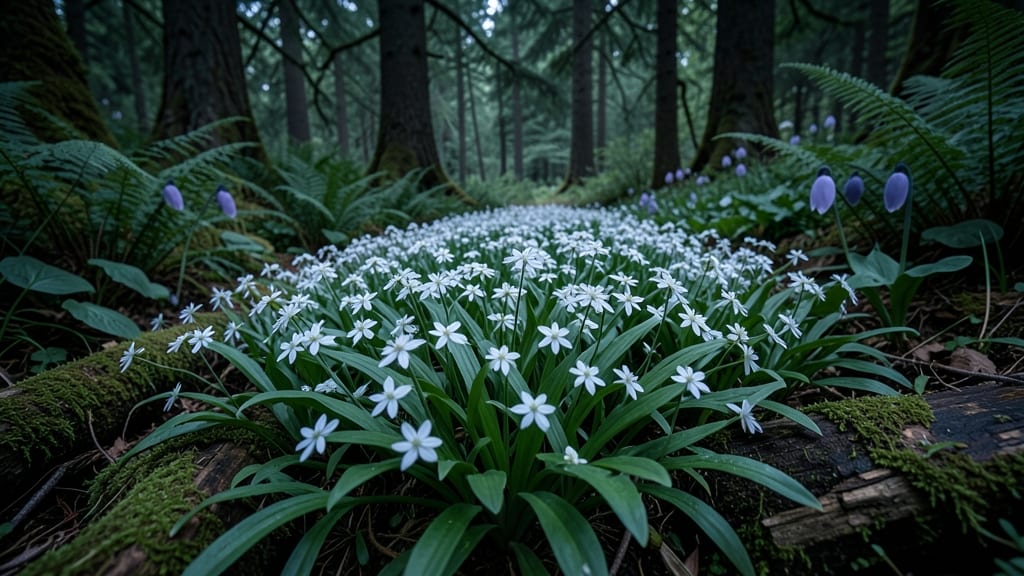
Struggling to keep plants alive in your yard’s darkest corners? These 10 full-shade plants not only survive but thrive in low or no sunlight, adding lush greenery and vibrant colors to even the shadiest spots.
Hostas for Textured Leaf Beauty
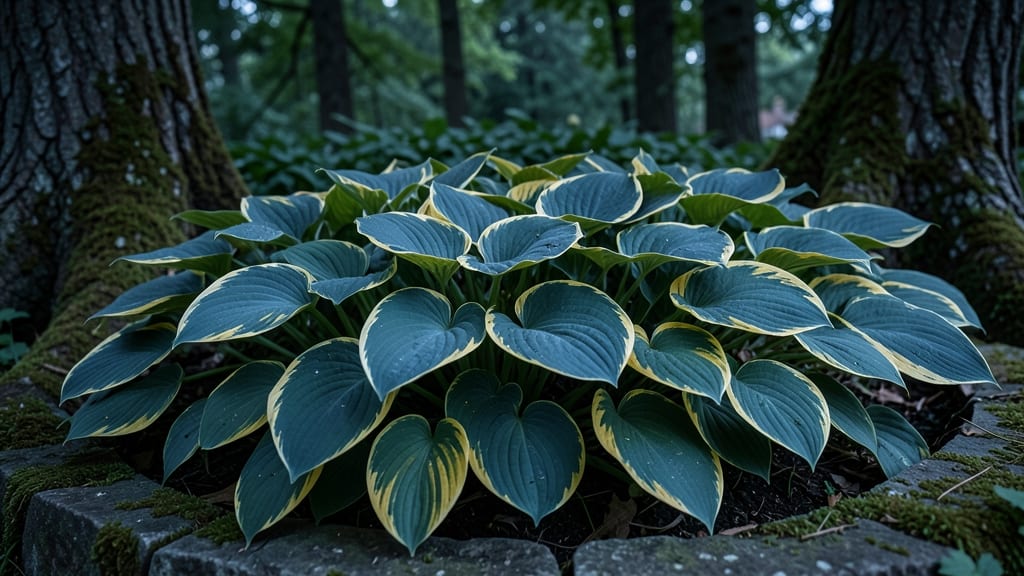
If you’ve ever struggled to find plants that thrive in deep shade, hostas are your answer. These hardy perennials offer bold foliage in shades of blue, green, gold, and variegated patterns, making them a standout choice for shady borders or foundation plantings.
Hostas prefer 4-6 hours of shade daily and well-draining, moist soil. They’re nearly pest-free when planted in partial shade, though slugs may be an issue—use organic slug bait or beer traps if needed. With over 3,000 varieties, you can mix textures (wavy, ruffled, or smooth leaves) for a dynamic look.
Perfect for beginners, hostas require minimal care beyond occasional watering and mulching. They’ll reward you with year-round interest, even when other plants fade. 🌿
Ferns for Delicate, Airy Foliage
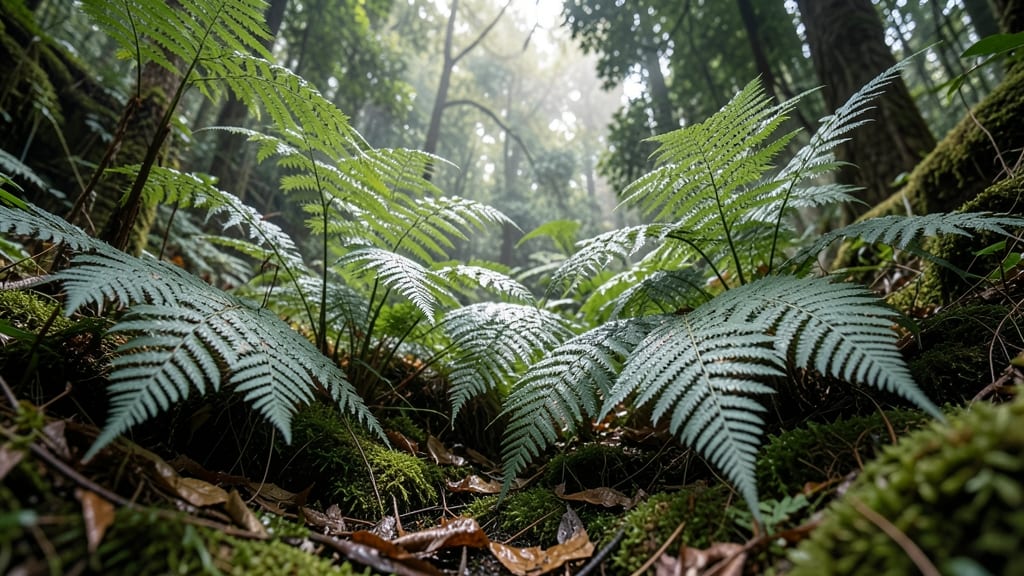
Transform your shady garden into a woodland retreat with ferns—nature’s most elegant air purifiers. Unlike hostas, ferns like maidenhair and ostrich fern create a lush, cascading effect that mimics a forest understory, thriving where other plants struggle.
These shade-loving plants prefer consistently moist soil and dappled light, making them perfect for north-facing beds or under tall trees. Divide mature clumps every 3-4 years to maintain vigor, and mulch with leaf litter or pine needles to mimic their natural habitat. For a dramatic look, let ostrich fern reach 4-5 feet tall, while delicate maidenhair adds fine texture near pathways.
Urban gardeners and beginners will love how ferns require minimal care—just regular watering and protection from harsh winds. Their feathery fronds also deter pests naturally, making them a low-maintenance choice for shaded borders. 🌿
Caladiums for Stunning Seasonal Color
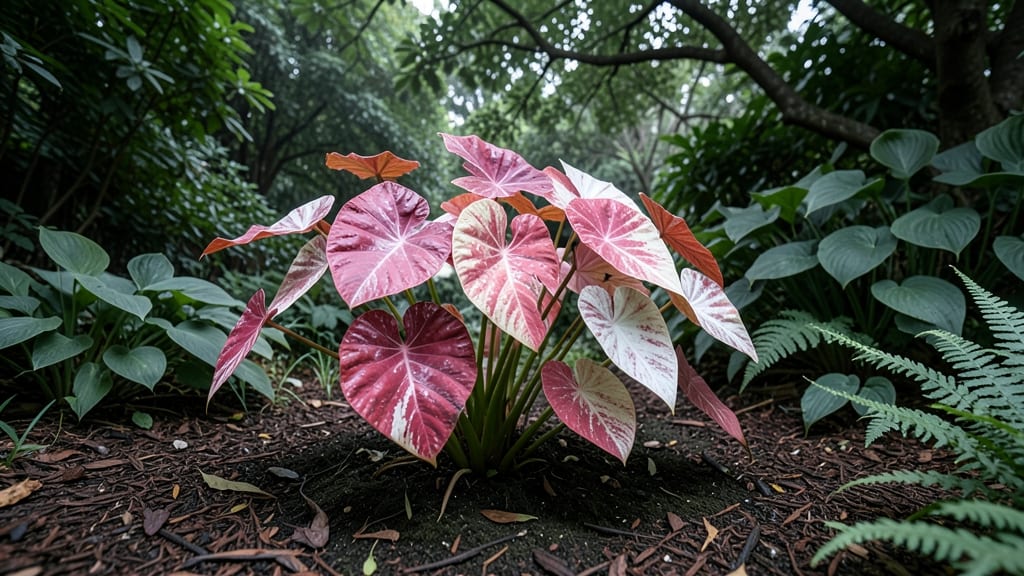
If your shady garden feels like a blank canvas waiting for a pop of color, caladiums are your answer. These tropical divas deliver show-stopping foliage in jewel tones of pink, red, and white—ideal for adding drama where sunlight barely reaches.
Plant them in well-draining, moist soil and keep them sheltered from harsh winds, as their large leaves prefer a cozy, humid environment. Caladiums thrive in full shade to partial shade and will reward you with vibrant summer displays, though they’ll die back naturally in cooler weather. Perfect for containers or garden beds, they’re also deer-resistant!
Urban gardeners and small-space lovers will adore how caladiums transform shady corners into tropical escapes with minimal effort. Just remember: they’re tender perennials, so treat them as annuals in cooler climates. ✨
Hellebores for Early Spring Blooms
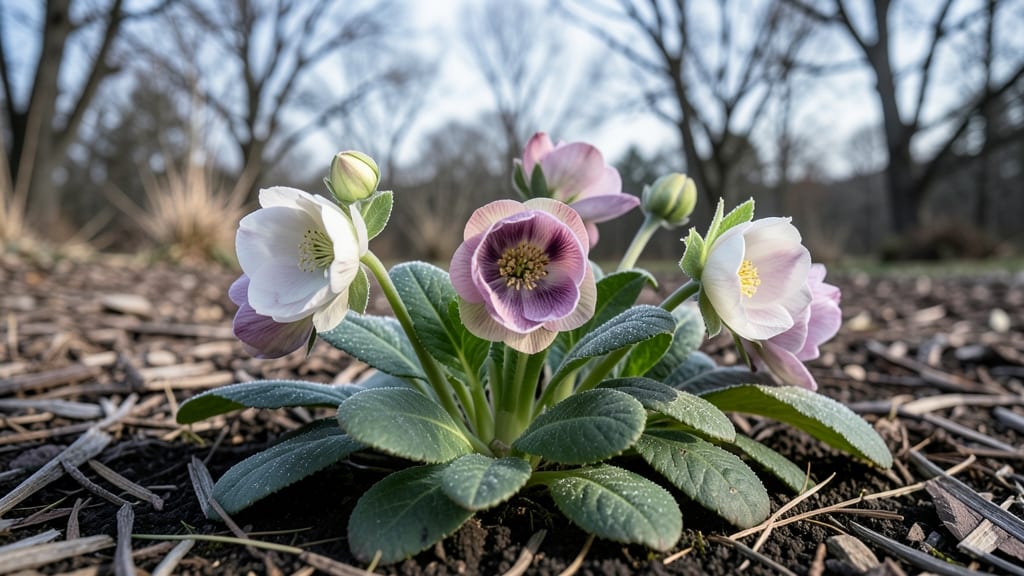
When your garden feels like a winter wasteland, hellebores (or Lenten roses) step in as nature’s early spring cheerleaders. These winter-hardy perennials bloom from late winter through early spring, offering delicate flowers in shades of white, pink, purple, or green when most plants are still dormant.
Thriving in full to partial shade, hellebores are also drought-tolerant once established, making them ideal for low-maintenance gardens. Their evergreen foliage provides year-round structure, while their nodding blooms attract early pollinators like bees. Plant them in well-draining soil with organic matter, and they’ll reward you with months of color before summer even begins.
Perfect for woodland gardens, shade borders, or even container plantings, hellebores are a must-have for gardeners who crave early-season beauty with minimal fuss. 🌱
Japanese Painted Ferns for Unique Patterns
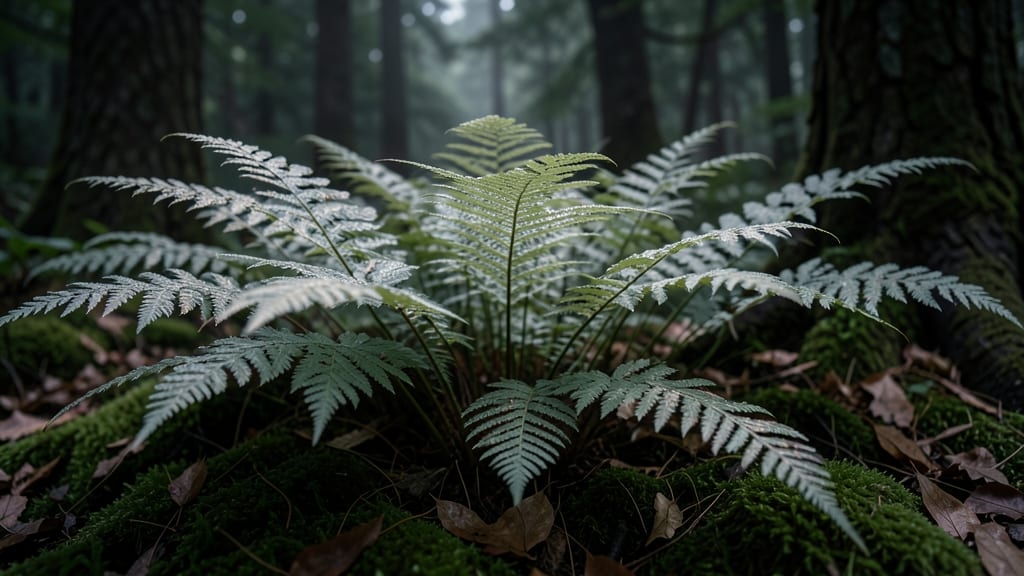
Transform your shady garden into a textural masterpiece with Japanese painted ferns (Athyrium niponicum var. pictum). Unlike their solid-green fern cousins, these plants boast silvery-green fronds that shimmer like lace in low light, creating a striking contrast against dark borders or woodland gardens.
Thriving in full to partial shade, they prefer consistently moist, well-draining soil—ideal for understory plantings or near tree bases. Their architectural form adds vertical interest without requiring pruning, and they’re deer-resistant, making them a low-maintenance favorite. For best results, mulch around the base to retain moisture and protect roots from temperature swings.
Perfect for gardeners who love elegant, low-light plants with a sculptural edge, Japanese painted ferns pair beautifully with hostas or hellebores. Their year-round interest ensures your shady spots stay captivating even in winter. 🌿
Astilbes for Feathery Flower Plumes
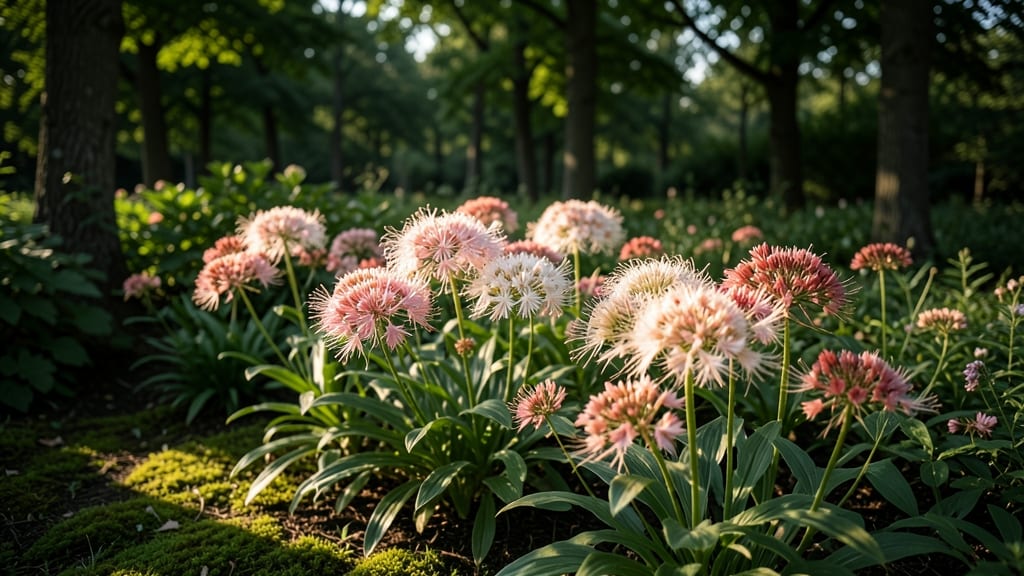
If your garden has areas that seem too dark for anything but moss, astilbes are your secret weapon. These delicate perennials produce feathery plumes in soft pink, white, or red—adding movement and texture to shady spots where other plants struggle.
Thriving in full to partial shade, astilbes prefer moist, well-draining soil and benefit from regular watering during their growing season. Varieties like 'Fanal' (deep pink) or 'Deutschland' (white) bloom from early to mid-summer, often reblooming later in the season. Their airy foliage also provides year-round interest, making them a low-maintenance star for borders or woodland gardens.
Perfect for gardeners who want color without sunlight, astilbes pair beautifully with hostas and ferns while attracting pollinators. They’re also deer-resistant, so you’ll get blooms without the worry. 🌻
Lungwort for Medicinal and Ornamental Value
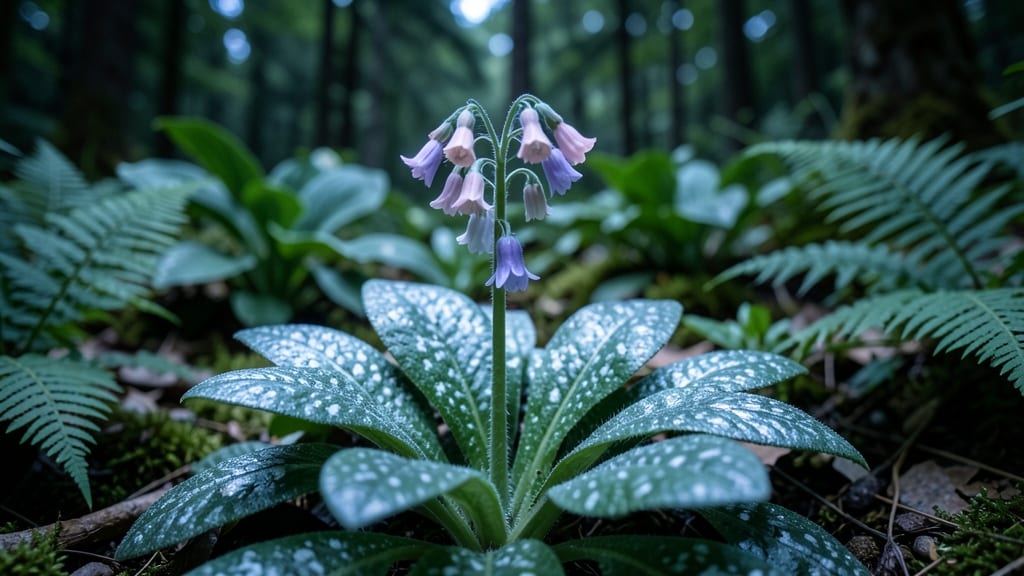
If you’re looking for a multi-purpose plant that does double duty as both a decorative star and a natural pest repellent, lungwort (Pulmonaria) is your secret weapon for deep shade gardens. This hardy perennial thrives where others fail, producing striking silver-spotted leaves and clusters of delicate blue flowers that bloom early in the season—often before most other perennials even wake up.
Lungwort’s medicinal history dates back centuries (its name comes from its use in treating lung ailments), but today, gardeners love it for its low-maintenance nature. It tolerates full shade to partial sun, prefers moist, well-drained soil, and spreads slowly to form lush ground covers. The silver foliage contrasts beautifully with hostas and ferns, while its early blooms attract bees and butterflies—making it a pollinator magnet in spring. Plus, its mildly toxic leaves deter slugs and deer, reducing pest problems naturally.
Perfect for woodland gardens, cottage-style beds, or understory plantings, lungwort is especially rewarding for gardeners who want year-round interest without the fuss. Pair it with hellebores or astilbes for a shade-loving dream team. 🌿
Tiarella for Ground Cover and Spring Blooms
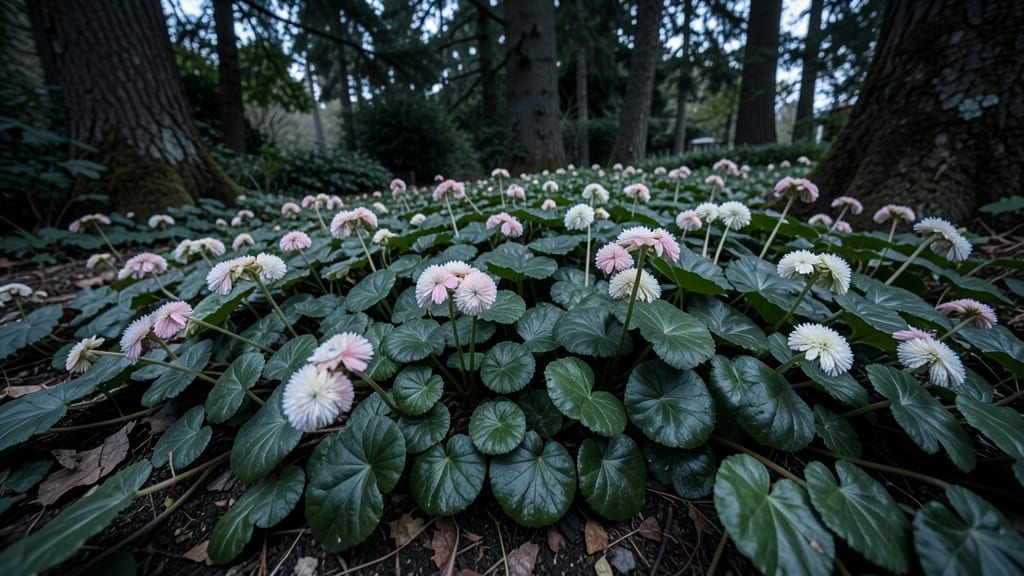
Turn your shady garden’s bare patches into a foamflower dream with tiarella, a versatile ground cover that thrives where others fail. Unlike hostas or ferns, tiarella combines lush foliage with clusters of delicate spring blooms in white or soft pink, creating a carpet-like effect that’s both practical and pretty.
This shade-loving perennial prefers moist, well-draining soil and tolerates full to partial shade, making it ideal for understory plantings or woodland gardens. Its heart-shaped leaves develop striking silver or burgundy tones in fall, adding seasonal interest. For best results, plant in spring or early fall and space them 12-18 inches apart—they’ll spread slowly but steadily to fill gaps without becoming invasive.
Perfect for urban gardeners with limited sun or beginner gardeners seeking low-maintenance beauty, tiarella pairs well with hostas and ferns while attracting early pollinators. Its airy blooms and textured leaves make it a standout in containers or borders. 🌷
Coral Bells for Dramatic Foliage and Flowers
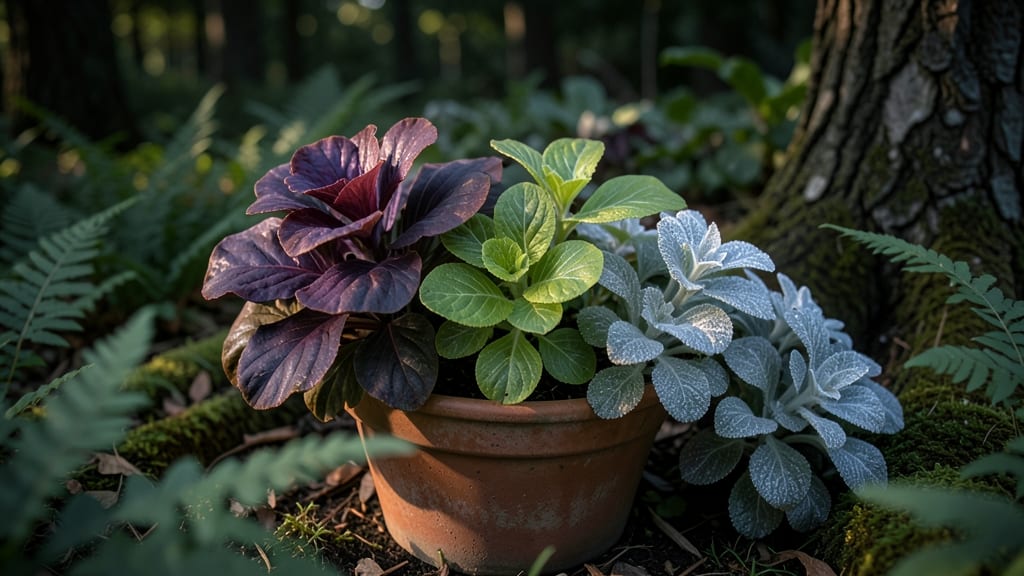
Turn your shady garden into a modern art gallery with coral bells (Heuchera), where foliage steals the show in bold hues of purple, lime green, or silver. Unlike other shade plants, Heuchera delivers year-round color—even when flowers fade—making it a standout for containers, borders, or woodland gardens.
These perennials thrive in full to partial shade with well-draining soil and tolerate drought once established. Varieties like 'Palace Purple' or 'Lime Rickey' add striking contrast, while delicate bell-shaped flowers on tall stems (18-24 inches) attract pollinators. Prune spent blooms to encourage more foliage production, and divide clumps every 3-4 years to keep them vigorous.
Perfect for urban gardeners with limited space or modern landscapes, coral bells require minimal care but deliver maximum impact. Their versatile colors make them ideal for pairing with hostas or ferns in shady beds. 🌷
Sweet Woodruff for Fragrant Ground Cover

Want to turn your darkest garden corners into a fragrant sanctuary? Sweet woodruff (Galium odoratum) is the secret weapon for full-shade areas, spreading like a living carpet while releasing a vanilla-like scent when brushed against—like nature’s own air freshener.
This hardy ground cover thrives in deep shade to partial sun, making it perfect for understory plantings or beneath tall trees. It spreads aggressively (but not invasively) via runners, creating a dense, weed-suppressing mat by mid-summer. For best results, plant in well-draining, slightly acidic soil and mulch lightly to retain moisture. Its delicate white flower clusters in spring also attract pollinators, while its lush foliage provides year-round interest.
Ideal for gardeners who love low-maintenance, sensory-rich plants, sweet woodruff pairs beautifully with hostas and ferns, creating a serene woodland garden vibe. Just be mindful—its scent intensifies when dried, making it a great candidate for potpourri! 💚