
Plants
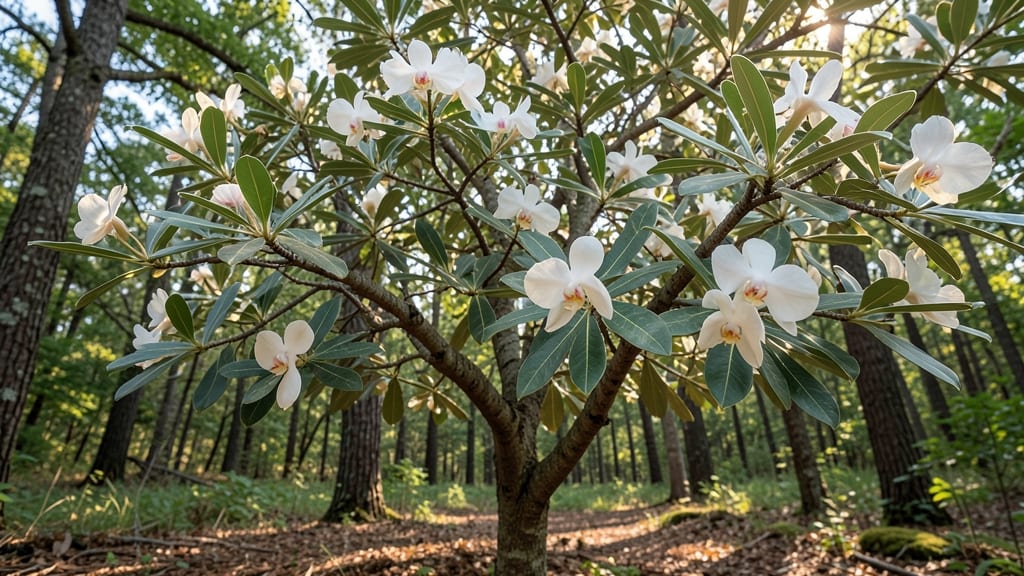
Texas shade gardens don’t have to be boring—these seven drought-tolerant plants thrive in low-light conditions while adding texture, color, and resilience to your landscape. Perfect for under trees or north-facing yards, they require minimal water once established.
Texas Betony for Drought-Resistant Ground Cover
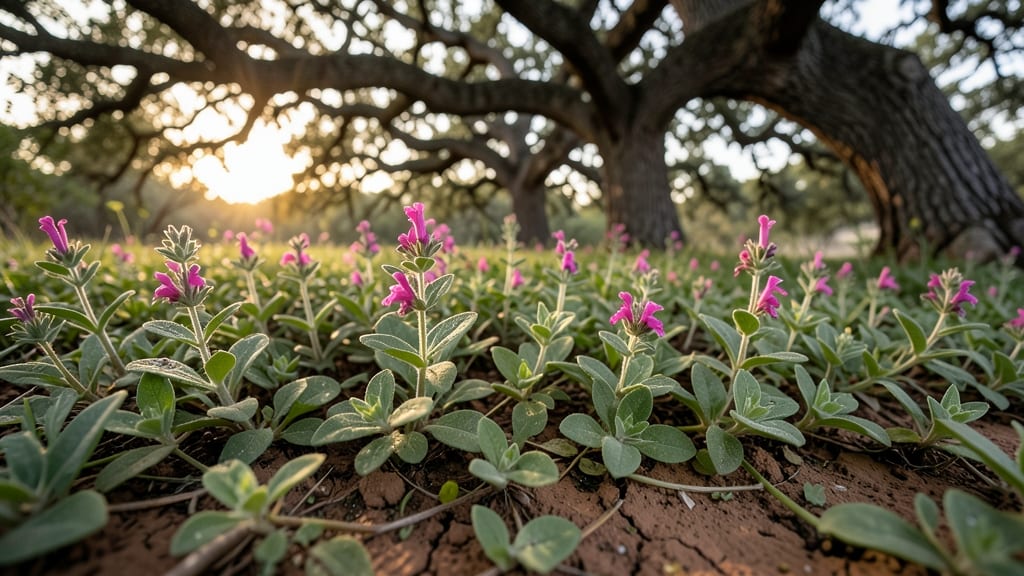
Tired of battling weeds under your live oak or struggling to keep shade areas lush in Texas’s heavy clay soil? Texas betony (Stachys coccinea) is your secret weapon—a native ground cover that spreads like a dream while demanding almost no effort from you.
This drought-tolerant perennial thrives in dry shade and even tolerates clay, producing silvery foliage and clusters of pink blooms from spring through fall. Its aggressive spread (up to 3 feet wide) smothers weeds naturally, making it ideal for understory planting or between stepping stones. Simply water occasionally after establishment—it’s built to handle Texas’s heat and humidity.
Perfect for beginner gardeners or those with high-maintenance yards, Texas betony adds color without the fuss. Just avoid overwatering—it’s tough enough to handle neglect once rooted. 🌿
Mexican Feather Grass for Airy Vertical Interest
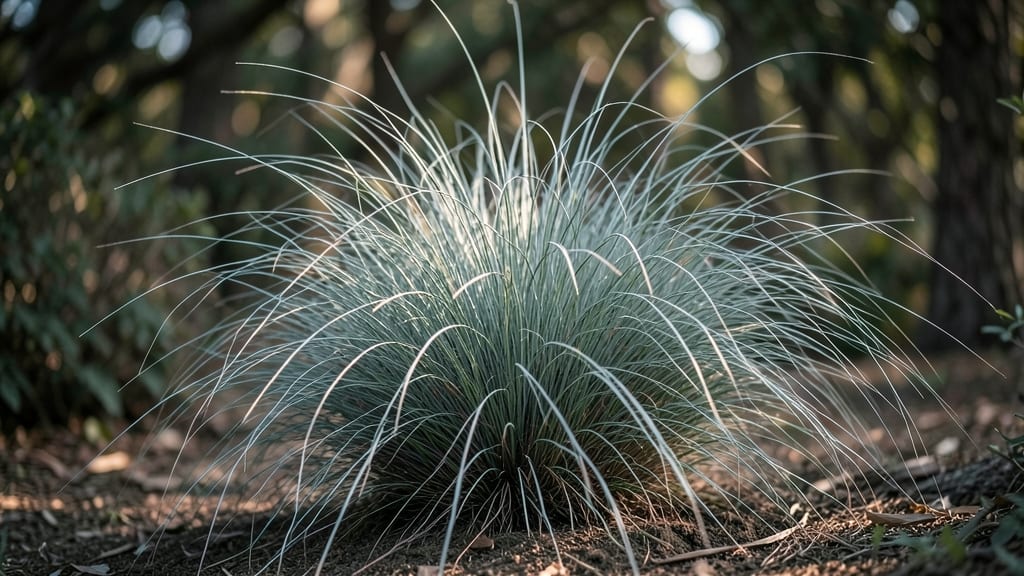
If you’ve ever struggled to find a shade-tolerant plant that adds drama without demanding full sun, Mexican Feather Grass (Nassella tenuissima) is your answer. Unlike traditional lawns, this ornamental grass thrives in partial shade while swaying gently in breezes, creating a soft, airy focal point that requires zero mowing.
This drought-tolerant grass handles moderate humidity beautifully, making it ideal for Texas’s varied climates—whether you’re in East Texas’s damp shade or West Texas’s drier conditions. Plant it in well-drained soil (it hates soggy roots) and watch it reach 2–3 feet tall with feathery plumes that dance year-round. It’s perfect for borders, containers, or tucked into garden nooks where sunlight is scarce.
Urban gardeners and low-maintenance enthusiasts will love this grass—it’s pollinator-friendly, pest-resistant, and adds vertical interest without the upkeep of traditional plants. Just trim back dead foliage in early spring to keep it looking fresh. 🌿
Coralberry Shrub for Year-Round Structure
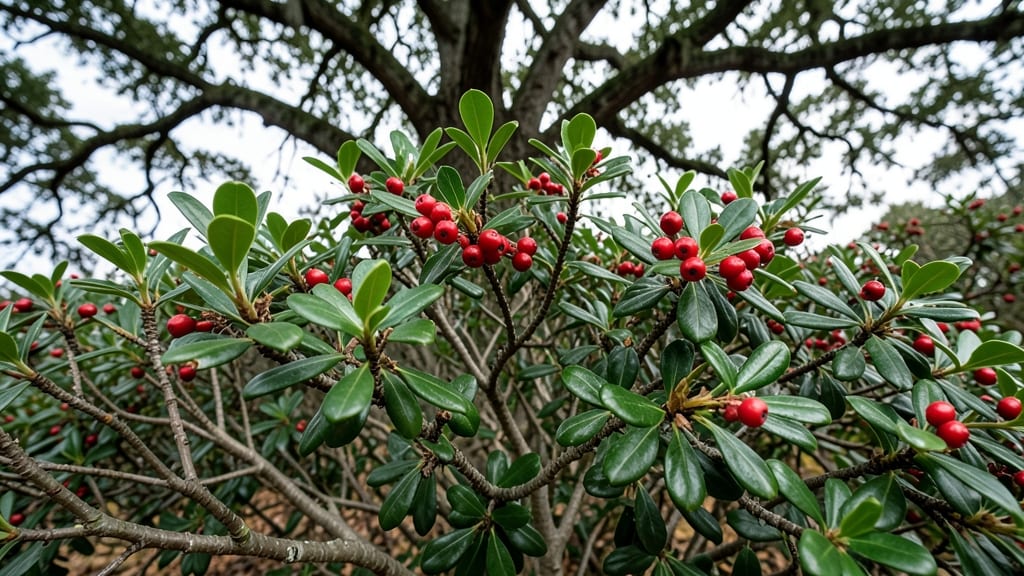
Tired of shade gardens that look dull year after year? The coralberry shrub (Symphoricarpos orbiculatus) delivers four-season beauty with almost no effort—its glossy evergreen leaves stay vibrant even when other plants fade, and its clusters of red berries add winter color when most gardens are bare.
This hardy shrub thrives in partial to full shade, making it perfect for Texas landscapes under oak trees or along north-facing walls. Unlike many shade plants, coralberry handles foot traffic (great for pathways or play areas) and attracts hummingbirds and bees with its late-summer flowers. Prune lightly in early spring to maintain shape—it’s one of the most low-maintenance evergreens for Texas shade.
Ideal for urban gardens, wildlife-friendly landscapes, or anywhere you need structure without sun, coralberry proves shade doesn’t mean sacrificing color or texture. 🌟
Frogfruit Succulent for Ultra-Low Water Needs
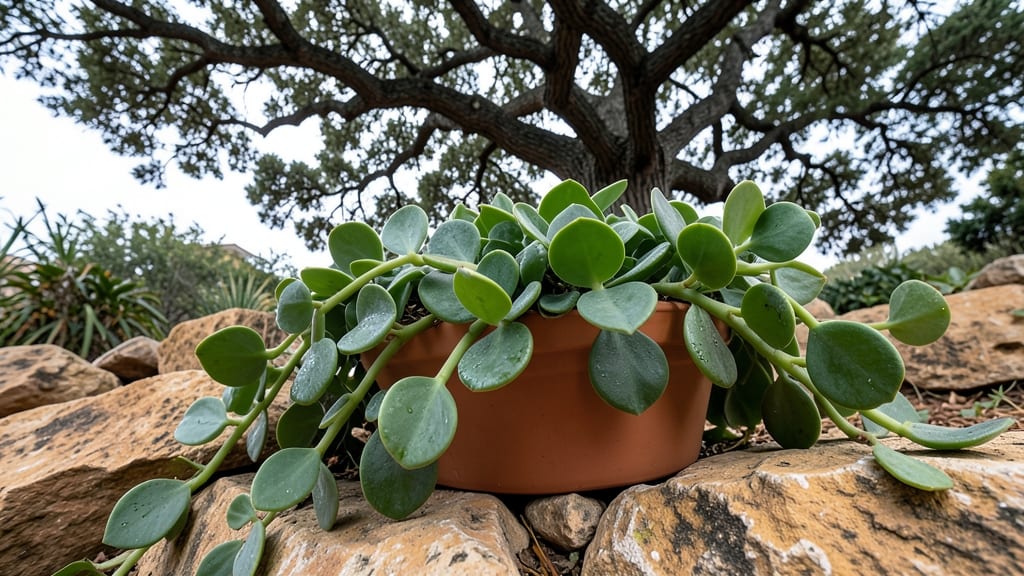
Struggling to keep plants alive under the dense canopy of your pecan tree? Meet frogfruit (Phyllanthus tenellus), the ultimate shade-loving succulent that thrives where others fail. Unlike sun-hungry cacti, this drought-proof beauty spreads across rock gardens or cascades over container edges with almost no watering—ideal for Texas’s dry, shady spots.
This sprawling succulent stores water in its thick stems, making it nearly indestructible once established. Plant it in well-draining soil mixed with gravel, and water only when the soil is completely dry—once every 2-3 months in summer. Its soft green leaves add a lush, trailing texture to containers or between rocks, while its low-growing habit keeps it out of the way. Perfect for urban balconies or drought-prone yards, it’s the ultimate "plant it and forget it" option.
Urban gardeners and rockery enthusiasts will love how frogfruit fills gaps with minimal care. Just avoid overwatering—its roots rot faster than they thrive with excess moisture. 🌱
Oakleaf Hydrangea for Seasonal Color Shifts
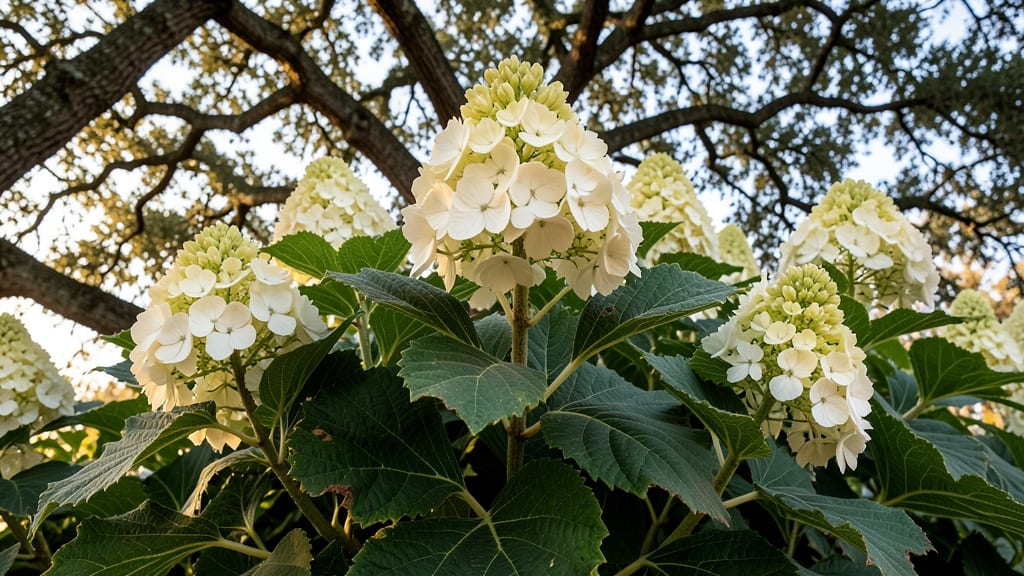
Want a shade-loving shrub that gives you two seasons of drama? The oakleaf hydrangea (Hydrangea quercifolia) starts with romantic white blooms in spring and summer, then transforms into a fiery red foliage display in fall—all while thriving in partial shade where other hydrangeas struggle.
This deciduous shrub handles Texas’s humidity and clay soil with ease, making it perfect for understory planting or as a focal point in shaded borders. Its large, oak-shaped leaves add texture year-round, and its blooms last longer than traditional hydrangeas. Prune lightly after flowering to encourage bushier growth, and enjoy its low-maintenance nature—it’s drought-tolerant once established.
Ideal for gardeners who love seasonal color shifts without extra work, oakleaf hydrangea is the ultimate shade shrub for adding height, texture, and drama to your Texas garden. 🌻
Blue Mistflower for Pollinator-Friendly Shade
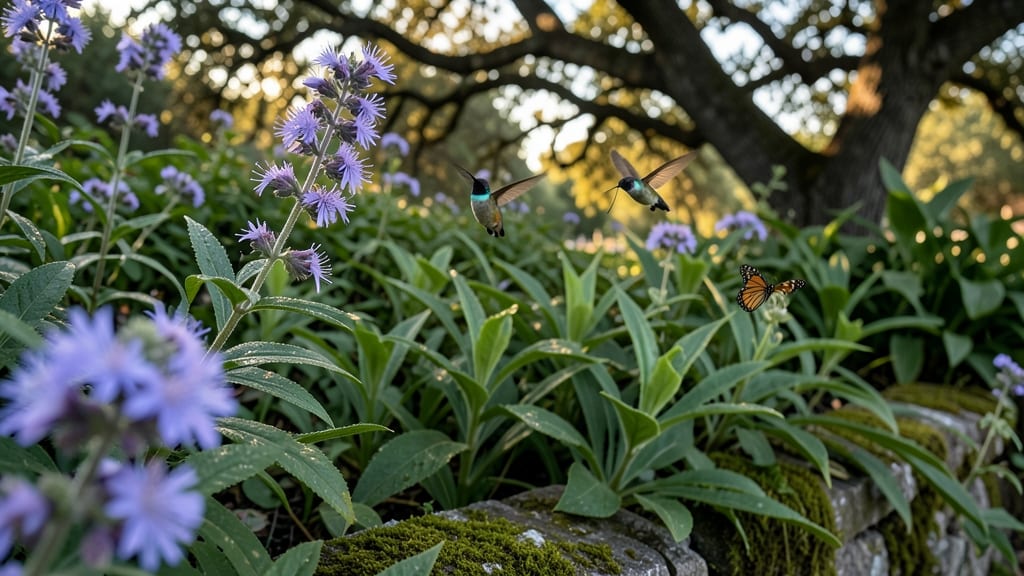
Want to turn your shady garden into a buzzing pollinator paradise without sacrificing color? Blue mistflower (Conoclinium coelestinum) is the secret weapon—its delicate lavender-blue blooms attract butterflies and hummingbirds while thriving where other plants struggle.
This Texas-friendly perennial loves moist but well-drained soil and handles partial shade beautifully, making it perfect for understory planting or woodland gardens. Unlike aggressive spreaders, it grows slowly (2–3 feet wide) to fill gaps naturally without taking over. Deadhead spent blooms to encourage continuous summer-to-fall flowering—just don’t overwater, as soggy roots will cause rot.
Ideal for wildlife gardeners or those with humid shade spots**, blue mistflower proves you can have both beauty and biodiversity in low-light areas. Plant it near seating areas to enjoy the pollinator show up close! 🌻
Dwarf Yaupon Holly for Evergreen Privacy
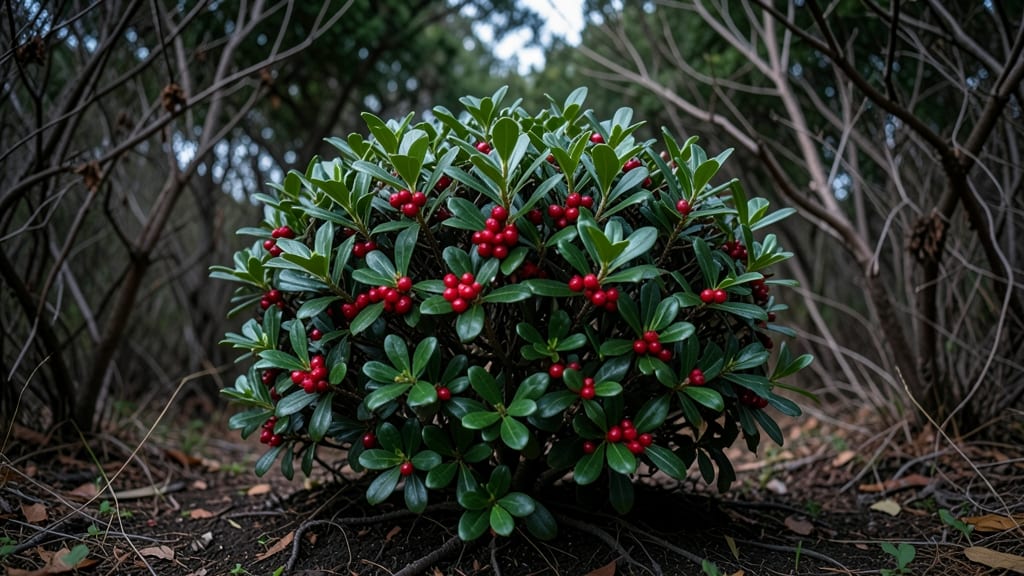
Struggling to find a privacy solution that thrives in deep shade where other shrubs wilt? The dwarf yaupon holly (Ilex vomitoria 'Nana') delivers lush, year-round greenery and vibrant red berries—all while staying neatly under 3 feet tall. Unlike sun-loving holly varieties, this compact cultivar handles deep shade (even under dense oak canopies) and Texas’s heat with ease.
Plant it in well-drained soil (amend clay with compost) and water deeply once a week for the first year. Once established, it’s drought-tolerant and requires minimal pruning—just trim back leggy growth in late winter. Its dense, glossy foliage creates a natural screen for patios or borders, while the berries provide winter interest for birds and holiday decor. Perfect for foundation plantings, it’s one of the few hollies that thrives in shade.
Ideal for urban gardens with limited space or landscape designers** needing shade-tolerant structure, dwarf yaupon holly proves evergreen privacy doesn’t require full sun. 🌱