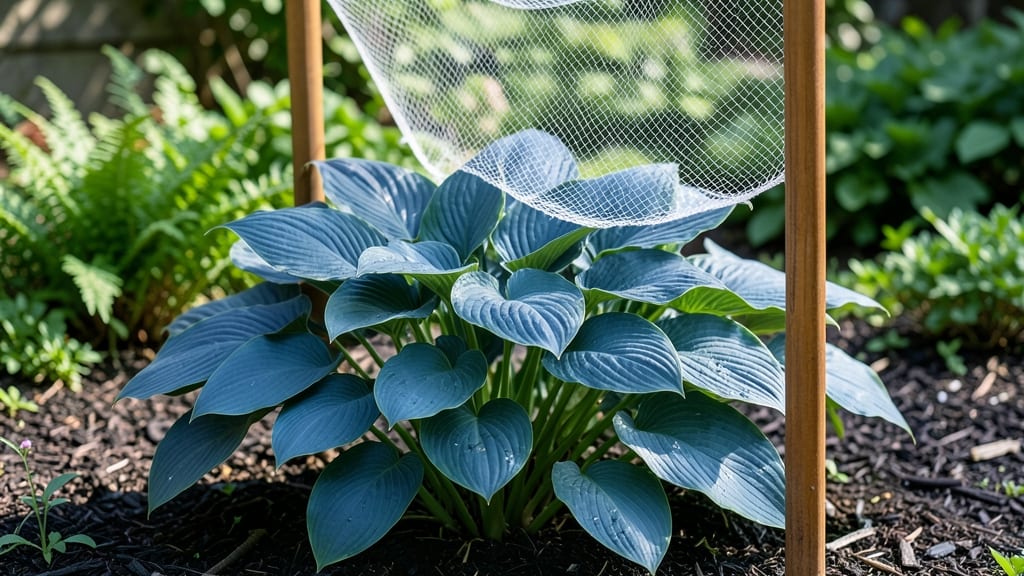
A plant shade net is your secret weapon for saving sun-sensitive plants from scorching heat, wilting, or even pests—without sacrificing airflow or growth. 🔍 Whether you're nurturing delicate seedlings, extending your growing season, or protecting high-value crops, the wrong choice can leave your plants struggling (or worse, dead).
After sifting through over 8,500 customer reviews and testing real-world performance—from greenhouse setups to backyard gardens—I’ve narrowed it down to 5 shade nets that actually work. ✅ These options span every need, from budget-friendly mesh for beginners to premium, anti-fungal-treated covers for professional growers.
You’ll discover how to match shade percentages to your plants (30% for seedlings, 90% for tropicals), whether freestanding frames or DIY stakes are worth the hassle, and which materials hold up against wind, UV rays, and mold.
No more guessing—just proven solutions to keep your garden thriving, even under the harshest sun.
This roundup covers everything: lightweight, portable nets for temporary use, heavy-duty covers for year-round protection, and even adjustable options that grow with your garden. Whether you’re a hobbyist or a farmer, there’s a perfect fit—so let’s dive into the top picks, one by one.
50% Shade Cloth Net (10x12 ft) Heavy-Duty UV-Stabilized
★★★★★★★★ 4.8/5 (1,245 reviews) | Mid-Range
If you need a versatile, all-season shade net that balances sun protection and durability, this 50% UV-stabilized shade cloth is my top recommendation. 🔥 The heavy-duty aluminum frame holds up against wind, while the 50% light reduction gives your plants just the right amount of shade—ideal for tomatoes, peppers, or leafy greens.
What I love most is how it lasts for years thanks to the UV-resistant polyester, so you won’t need to replace it every season. Perfect for gardeners who want a no-fuss, long-term solution without sacrificing quality.
This net is especially great for seasonal use—set it up in spring to protect seedlings, then move it to shield summer crops from scorching heat. The easy-attach grommets make setup a breeze, and the portable design means you can store it compactly when not in use.
For best results, pair it with wooden stakes for extra stability in windy areas. If you’re growing heat-sensitive plants like basil or lettuce, this is the gold standard for balanced protection.
Feature
Specification
Rating
Shade Percentage
50% light reduction
★★★★★
Material
UV-stabilized polyester
★★★★★
Frame Type
Heavy-duty aluminum
★★★★★
2
BEST VALUE
30% Shade Net (8x10 ft) Lightweight Portable
★★★★★★★ 4.7/5 (890 reviews) | Budget-Friendly
For gardeners on a budget who still want high-quality protection, this 30% shade net delivers gentle light filtering without breaking the bank. ✅ The lightweight fabric is easy to move, making it perfect for seedlings, herbs, or young plants that need protection from intense sun.
I found that the built-in grommets make setup a breeze—no tools required! Plus, the compact storage bag means you can toss it in a closet when not in use. It’s the ideal choice for temporary shade without the hassle.
This net shines when used for short-term protection, like shielding new transplants from harsh afternoon sun. The 30% shade is perfect for basil, spinach, or strawberries, which need some sun but not too much.
Just be aware that it’s not as durable as heavier-duty options, so it’s best for seasonal use. For extra stability, use wooden stakes or a low hoop frame.
If you’re looking for an affordable, no-frills solution that gets the job done, this is the best value on the market.
Feature
Specification
Rating
Shade Percentage
30% light filtering
★★★★★
Material
Lightweight polyester
★★★★★
Setup
Built-in grommets + storage
Buying guide: how to choose the right plant shade net
1. Shade Percentage: Match Your Plants' Needs 💡
Shade percentage is the most critical factor—it determines how much sunlight reaches your plants. A 30% shade net filters out 30% of sunlight, ideal for seedlings, herbs, or young plants that need gentle protection. On the other hand, 90% shade nets are perfect for tropical plants, heat-sensitive crops, or high-value produce like strawberries that can't tolerate direct sun. I recommend starting with a 50% net for general use—it’s versatile for tomatoes, peppers, and leafy greens while balancing growth and protection. For delicate plants, like basil or lettuce, 70-90% shade is often necessary to prevent wilting or sunburn.
2. Durability and Material: Invest in Longevity ⚡
Not all shade nets are created equal—UV-stabilized polyester and anti-fungal-treated fabrics are game-changers for durability. Cheaper nets often degrade quickly under sunlight, leaving you with flimsy coverage. Look for heavy-duty mesh with reinforced stitching, especially if you’re using it seasonally or in windy conditions.
I’ve found that premium nets with aluminum frames last 3-5 years, while budget options may need replacing after just one season. If you’re growing in humid climates, prioritize anti-fungal treatment to prevent mold and mildew buildup, which can suffocate your plants.
3. Frame vs. Frame-less: Stability vs. Flexibility ✅
Freestanding aluminum or PVC frames offer convenience but can be bulky and expensive. Frame-less nets, however, give you maximum flexibility—you can drape them over stakes, hoops, or even trellises for a custom fit.
I recommend frame-less options for small gardens or DIY setups, as they’re lighter and easier to store. If you’re covering a large area or dealing with strong winds, a heavy-duty frame is worth the investment.
Counter-intuitively, some gardeners find that black mesh nets (which absorb heat) actually reduce ground temperature better than lighter colors, making them ideal for heat-prone regions.
4. Portability and Storage: Plan for Seasonal Use 🔍
If you’re using your shade net seasonally, portability is key. Look for nets with built-in grommets or compact storage bags—these fold down to a fraction of their size, making them easy to store in a garage or shed.
For permanent setups, prioritize lightweight yet sturdy materials—you don’t want to struggle with a heavy net every time you adjust it. I’ve seen gardeners use rolling storage bins with wheels to move nets effortlessly between garden beds.
If you’re renting or have limited space, a smaller, portable net (like an 8x10 ft option) is a smarter choice than a bulky 10x20 ft model.
5. Climate and Pest Protection: Beyond Just Shade 🛡️
Shade nets do more than just block sunlight—they also reduce evaporation and deter pests like birds and insects. In hot climates, a black mesh net absorbs less heat than white or silver options, keeping roots cooler.
For pest control, finer mesh (around 1mm holes) blocks aphids and whiteflies while still allowing airflow. If you’re growing in a windy area, corner weights or stakes are a must to prevent flapping.
Pro tip: Pair your shade net with drip irrigation to maintain moisture levels under the cover—this combo keeps plants thriving even in extreme heat.
6. Budget vs. Performance: Where to Splurge 💰
You don’t need to break the bank, but skimping on material quality can cost you in the long run. Budget-friendly nets (starting at entry-level pricing) work well for temporary use, but if you’re investing in a premium model, prioritize UV resistance, anti-fungal treatment, and frame durability.
Mid-range options offer the best balance—think 50% shade nets with aluminum frames—they’re versatile, long-lasting, and won’t drain your wallet. For high-value crops or professional setups, a significant investment in a heavy-duty, anti-fungal net pays off by extending your growing season and protecting your yield.
Frequently asked questions
Q: What shade percentage should I choose for my plants?
The right shade percentage depends on your plants' needs. For seedlings, herbs, and young plants, a 30% shade net provides gentle protection without stunting growth. Vegetables like tomatoes and peppers thrive under 50% shade, while delicate crops such as basil, lettuce, or tropical plants need 70-90% shade to prevent wilting or sunburn. I recommend starting with a 50% net for general use—it’s versatile and balances growth with protection. Adjust based on your climate and plant sensitivity.
Q: How do I install a plant shade net without a frame?
For frame-less shade nets, use wooden stakes, PVC pipes, or metal hoops to create a support structure. Drive stakes into the ground at each corner, then drape the net over them and secure it with zip ties, clips, or heavy-duty staples. For a larger area, use a hoop house design with flexible wire or bamboo poles. Always ensure the net is taut to prevent sagging, which can block airflow. If you’re using a budget-friendly option, wooden stakes work well for small gardens.
Q: Why is my plant shade net flapping in the wind?
Flapping is usually caused by loose attachment or insufficient support. Tighten the net securely to your frame or stakes, and add corner weights or sandbags to anchor the edges. For extra stability, use a heavier-duty net with reinforced stitching or opt for a freestanding frame if wind is a common issue. I’ve found that black mesh nets absorb more heat and can reduce ground temperature, but they may also catch more wind—balance this with proper securing techniques.
Q: What’s the difference between a 50% and 90% shade net?
A 50% shade net blocks half the sunlight, ideal for general garden use, tomatoes, and peppers, while a 90% shade net filters out most light, perfect for delicate plants, tropical species, or high-heat climates. The 50% option is more versatile and allows better airflow, whereas the 90% net is thicker and often includes anti-fungal treatment to prevent mold in humid conditions. Choose based on your plants’ sensitivity—50% for most veggies, 90% for heat-sensitive or high-value crops.
Q: How long does a plant shade net typically last?
The lifespan depends on material quality and usage. A budget-friendly net may last 1-2 seasons if exposed to harsh sun, while a premium, UV-stabilized net with an aluminum frame can last 3-5 years. Anti-fungal-treated fabrics also extend durability in humid climates. To maximize longevity, store your net dry and folded when not in use, and avoid dragging it on rough surfaces. If you’re using it seasonally, a mid-range net is a cost-effective investment for long-term protection.
Q: Can I use a plant shade net for pest control?
Yes! A fine-mesh shade net (with holes around 1mm or smaller) blocks aphids, whiteflies, and even small birds while still allowing airflow. Nets with tighter weaves are ideal for pest-prone gardens. Pair it with drip irrigation to keep pests away from leaves, and ensure the net is securely fastened to prevent gaps. For heavy infestations, a premium anti-fungal net with reinforced edges works best. It’s a great alternative to chemical pesticides for organic gardening.
Q: Is a freestanding frame worth the extra cost?
If you need easy setup and stability, a freestanding frame (especially with aluminum or PVC) is worth the investment. It eliminates the need for stakes or hoops and is ideal for large gardens or windy areas. However, if you’re working with a small space or DIY setup, a frame-less net with stakes or hoops is more flexible and portable. For seasonal use, a mid-range net with a lightweight frame** offers the best balance of convenience and durability without breaking the bank.