
Light Requirements
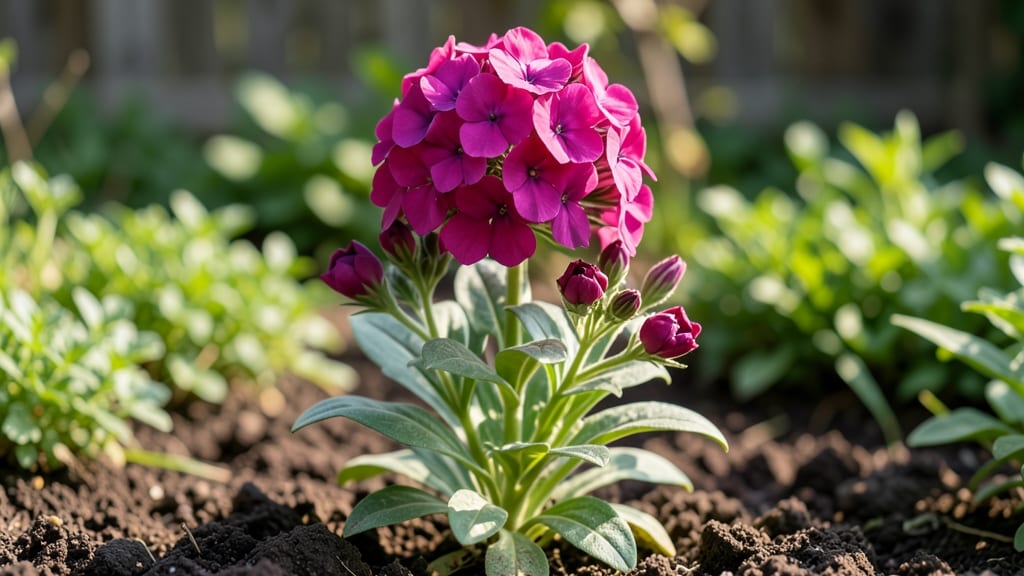
Phlox thrives in partial shade with the right care—vibrant blooms without scorching heat. 🌸 I learned this the hard way after my first sunburned plants wilted by midday, but now I grow lush clusters that last all summer.
The secret isn’t avoiding shade; it’s matching light, soil, and water to phlox’s needs. Start with well-draining soil rich in organic matter (think compost or aged manure).
Most phlox varieties—like dwarf garden phlox or creeping phlox—adapt well to morning sun with afternoon shade, while tall garden phlox handles a bit more filtered light. Space plants 12–24 inches apart to prevent overcrowding and improve airflow (critical for mildew prevention).
You’ll end up with weeks of blooms in colors from lavender to magenta, even in shady spots. The key is consistent moisture—1 inch per week—and deadheading spent flowers to encourage more blooms. Phlox in shade stays compact, making it perfect for borders, containers, or woodland gardens.
For extra insurance, mulch around plants to retain moisture and deter weeds. And if mildew appears (common in humid shade), space plants wider and water at the base—not overhead. With these tweaks, your phlox will outshine sun-loving flowers—no direct sun required.
📚 In This Guide
- What you need
- Instructions
- Tips and common mistakes
- Wrapping up and next steps
What you need
- ● Phlox plants or seeds: Choose Phlox paniculata (garden phlox) or Phlox subulata (moss phlox) for partial shade tolerance.
- ● Quantity: 3–5 plants (or seeds) per 1 sq. ft. for a lush display.
- ● Well-draining potting mix or garden soil: 2–3 cubic feet (for in-ground planting) or a 10–15 gallon container (for pots).
- ● Amend with compost (1 part compost to 3 parts soil) for fertility.
- ● Slow-release fertilizer: 10–20–10 NPK ratio (e.g., Osmocote) or organic options like fish emulsion.
- ● Apply 2–3 tbsp per plant at planting time.
- ● Mulch: 2–3 inches of shredded bark or pine straw to retain moisture and regulate soil temp.
- ● Watering can or hose with a gentle spray nozzle.
- ● Gloves (gardening or work gloves).
- ● Trowel or hand shovel (for digging holes or transplanting).
- ● Pruners (sterilized, for deadheading or shaping).
- ● Partial shade location: Spot with 2–6 hours of dappled sunlight (e.g., under trees, near north-facing walls).
- ● Ensure no waterlogging—phlox hates soggy roots!
- ● Epsom salt (1 tbsp dissolved in 1 gallon of water) for magnesium boost (apply monthly).
- ● Staking or supports (for tall Phlox paniculata varieties in windy areas).
- ● Organic pest control: Neem oil spray (for aphids or powdery mildew).
- ● Ladybugs (release near plants to deter pests).
- ● Container gardening: Drainage holes in pots + saucers to prevent root rot.
- ● Self-watering planters (for low-maintenance care).
Step-by-Step guide to growing phlox in partial shade
Here's how to cultivate vibrant phlox that thrives in dappled light—no scorching or fading in sight.
🌱 Step 1: Select the Right Phlox Varieties for Shade
Not all phlox tolerate partial shade equally. For 4-6 hours of filtered light daily, choose woodland phlox (Phlox divaricata) or creeping phlox (Phlox subulata), both of which handle lower light better than garden phlox. These varieties bloom prolifically even in morning sun with afternoon shade.
If your spot has only 3 hours of light, opt for white or pale pink varieties—they reflect light more efficiently in dimmer conditions. Avoid deep reds or purples, which need more intensity to show their best color. I always check the plant tag for "partial shade tolerance" before buying.
🪴 Step 2: Prepare the Planting Site for Moisture and Drainage
Phlox in partial shade demands well-draining, moisture-retentive soil. Amend your native soil with 2-3 inches of compost and a handful of perlite to prevent soggy roots. Test drainage by digging a 6-inch deep hole—if water pools after 30 minutes, add more organic matter.
Choose a location where the soil stays consistently moist but not waterlogged. Phlox roots are shallow, so mulch with 2-3 inches of shredded bark or pine needles to retain humidity. This mimics their natural woodland habitat where leaf litter keeps roots cool and damp.
☀️ Step 3: Plant at the Correct Depth and Spacing
Set phlox roots 1 inch below soil level—any deeper and they’ll struggle to emerge. Space plants 12-18 inches apart for creeping types or 24 inches apart for woodland phlox to allow airflow and prevent fungal issues. Crowding leads to weak stems and poor flowering.
Dig a hole twice as wide as the root ball to encourage outward root growth. Gently tease the roots if they’re circling, then backfill with native soil mixed with compost. Water deeply immediately after planting to eliminate air pockets. You’ll know it’s right when the soil surface looks slightly damp but not glistening.
💧 Step 4: Water and Fertilize for Shade-Grown Blooms
Partial-shade phlox needs consistent moisture—water when the top 1-2 inches of soil feel dry. In hotter months, check daily, as shade slows evaporation. Use a soaker hose to deliver water slowly at the base, avoiding wetting leaves to prevent mildew.
Fertilize lightly in early spring with a balanced 10-10-10 formula or a slow-release organic pellet. Too much nitrogen produces lush foliage but fewer flowers. I swear by a half-strength application—phlox in shade already grows slower, so overfeeding stresses them. Stop fertilizing after mid-summer to encourage fall reblooming.
✂️ Step 5: Prune and Maintain for Year-Round Health
Deadhead spent blooms every 2-3 weeks to encourage continuous flowering. For woodland phlox, cut back one-third of the foliage in early spring before new growth appears. This prevents congestion and improves air circulation, which is critical in shady spots where humidity lingers.
Watch for powdery mildew—a common issue in partial shade. If you spot white residue on leaves, prune affected stems immediately and treat with neem oil. I also space plants wider than recommended to reduce fungal spread. In fall, cut back dead foliage but leave 2-3 inches of stems for winter protection.
Tips & tricks for thriving phlox in shady gardens
Common pitfalls—and how to sidestep every one—when growing phlox in partial shade.
Light Management: The 4-6 hours of filtered light mentioned in Step 1 is ideal, but don't assume all morning sun equals afternoon shade. Use a light meter or observe your spot throughout the day—if direct rays hit after noon, consider moving plants slightly eastward or adding a sheer curtain for afternoon protection. I learned this the hard way after my woodland phlox faded prematurely from unexpected afternoon sun.
Soil Science: That 6-inch drainage test in Step 2 is non-negotiable. If your soil pools water after 30 minutes, mix in an extra 1-2 inches of coarse sand or perlite—phlox roots rot quickly in soggy conditions. For clay-heavy soils, I've had success with raised beds filled with 70% native soil and 30% coconut coir for perfect moisture retention.
Pruning Precision: When you cut back woodland phlox in early spring (Step 5), resist the urge to trim more than one-third—this critical ratio prevents stress while still improving airflow. I mark my plants with flags at the 1/3 point before pruning to avoid over-cutting. And always use clean, sharp shears to prevent disease transmission between stems.
Fungal Defense: The powdery mildew warning in Step 5 is your first line of defense, but prevention starts earlier. Space plants wider than the recommended 12-18 inches (I use 20-22 inches) and water only at the base—never overhead. For extra protection, dust plants with sulfur powder every 4-6 weeks during humid months. I've eliminated mildew completely using this combo since my first outbreak.
Pro Tips for Phlox Partial Shade
- Common pitfalls—and how to sidestep every one—when growing phlox in partial shade.
- Light Management: The 4-6 hours of filtered light mentioned in Step 1 is ideal, but don't assume all morning sun equals afternoon shade.
- Soil Science: That 6-inch drainage test in Step 2 is non-negotiable.
Frequently asked questions
Got questions about growing phlox in partial shade?
You’re not alone! Here are answers to the most common concerns to help you cultivate vibrant blooms with ease.
How much shade is too much for phlox?
Phlox thrives in partial shade (3–6 hours of morning sun or dappled light), but too much shade (under 3 hours) can weaken stems and reduce blooms. If your garden is shady, opt for woodland phlox varieties like Phlox divaricata, which tolerate lower light better.
When is the best time to plant phlox in partial shade?
Spring or early fall are ideal! Plant in spring (after the last frost) for a summer burst of color, or in early fall (6–8 weeks before frost) to establish roots before winter. Avoid planting in extreme heat—phlox hates stress from transplant shock.
Why isn’t my phlox blooming in partial shade?
Blooms may lag due to nutrient deficiency, overcrowding, or too much shade. Try deadheading spent flowers, fertilizing lightly with balanced 10-10-10 in spring, and thinning plants to improve airflow. If shade is the issue, move pots or trim nearby trees for more light.
What are good shade-tolerant alternatives to phlox?
If phlox struggles in your space, try these partial-shade stars:
- Astilbe – Feathery plumes in pink, white, or red.
- Heuchera (Coral Bells) – Stunning foliage with minimal care.
- Lungwort (Pulmonaria) – Early blooms and spotted leaves.
- Japanese Forest Grass – Airy texture for height.
How do I prevent phlox from getting powdery mildew in shady spots?
Humidity in shade increases mildew risk. Improve airflow by spacing plants 12–18 inches apart, water at the base (avoid wetting leaves), and apply neem oil preventatively. Choose mildew-resistant varieties like Phlox paniculata ‘David’ for better defense.
Still stumped? Drop your phlox woes in the comments—we’re happy to help!
Wrapping up and next steps
Growing phlox in partial shade is a rewarding way to add vibrant color and texture to your garden with minimal fuss! With the right soil, spacing, and care, these hardy perennials will thrive even in dappled sunlight.
Whether you're a seasoned gardener or just starting out, your efforts will pay off with stunning blooms year after year.
Ready to transform your shady spots into a blooming paradise? Start by choosing the perfect variety—like Phlox paniculata or Phlox subulata—and give them the love they deserve. Happy planting! 🌸