
Plants
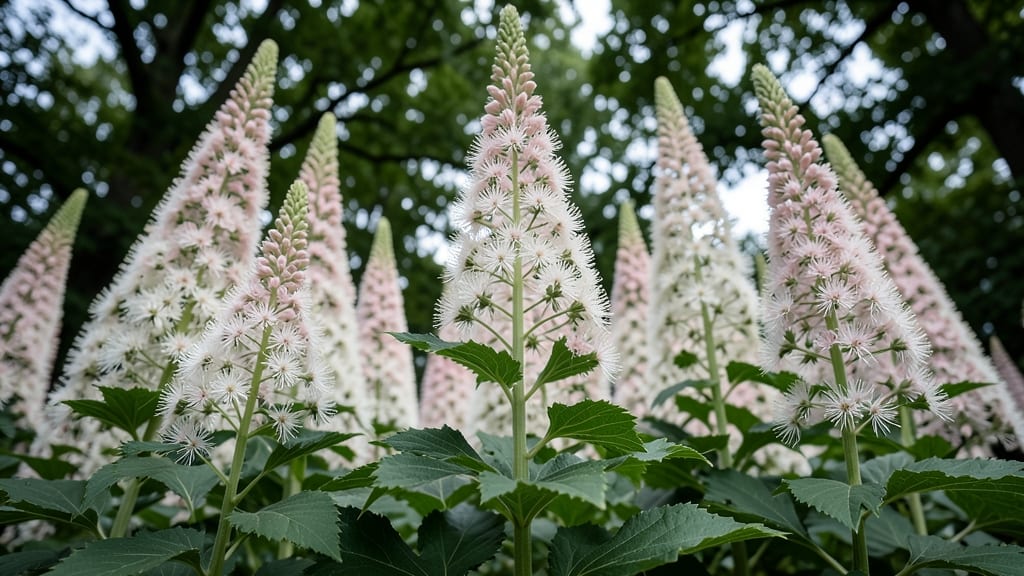
Struggling to keep your shady garden vibrant? These 10 shade-loving perennials thrive where sunlight struggles, offering lush foliage, striking blooms, and minimal maintenance—perfect for transforming dull corners into thriving green spaces.
Hostas for Textured Foliage Variety
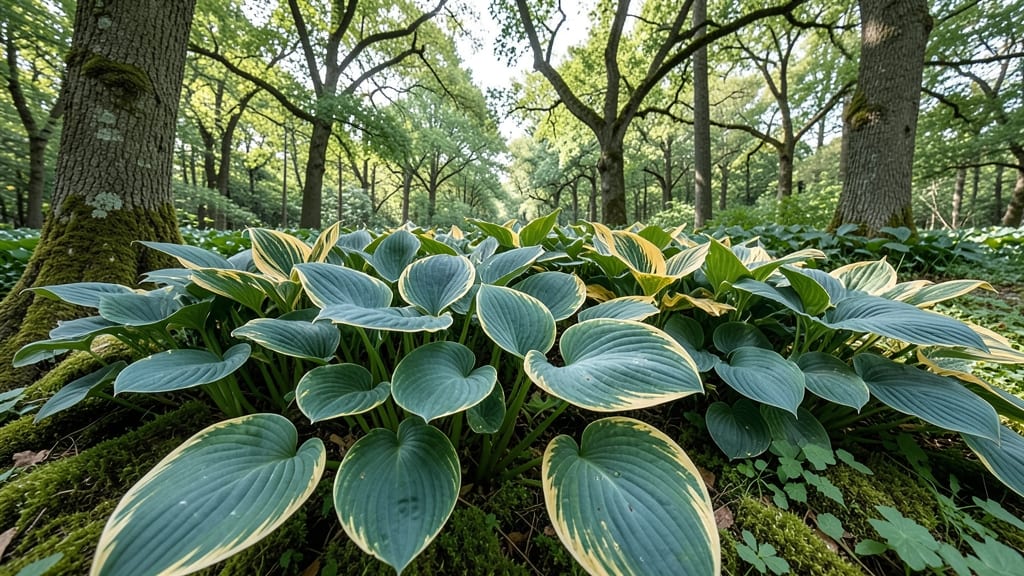
If you’ve ever thought your shady garden was too dark for anything but moss, hostas prove you wrong with their stunning variety of leaf textures, colors, and sizes—from deep blue-green to golden variegation. These perennials thrive in partial to full shade, making them perfect for under trees or north-facing beds where other plants struggle.
Hostas attract pollinators like bees and butterflies with their delicate summer blooms while their strong fragrance naturally deters deer, giving you a low-maintenance solution for both beauty and pest control. Choose from miniature varieties (like 'Pandora') for containers or giant leaves (like 'Sum and Substance') for bold statement plants.
Whether you're designing a layered shade garden or filling a small urban space, hostas offer year-round interest with their evergreen foliage and easy-care nature. 🌿
Astilbe Plumes for Delicate Summer Blooms
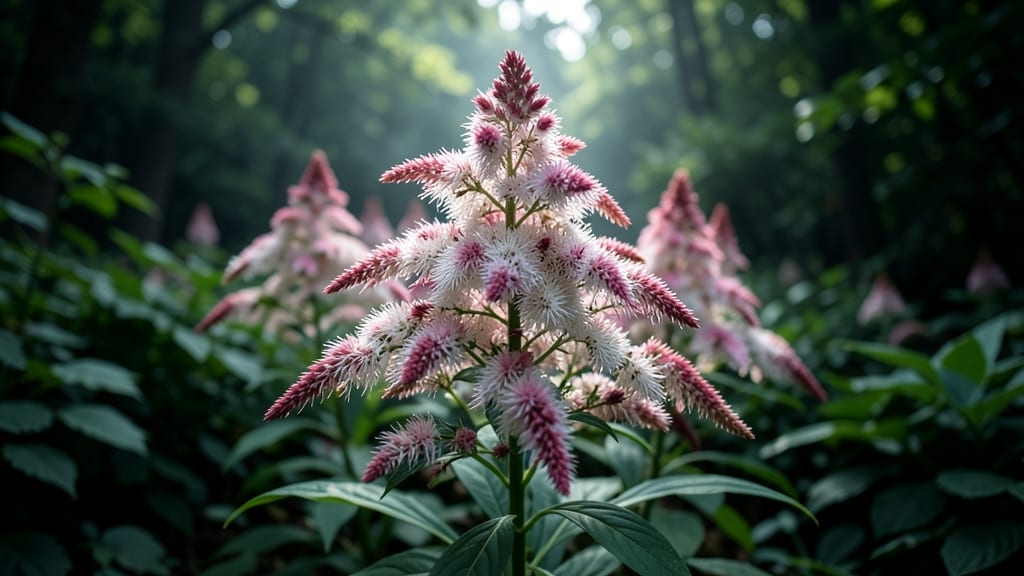
If your shady garden feels flat, astilbe is your secret weapon for soft, romantic blooms that dance in the breeze. These feathery plumes—available in pink, white, or deep red—create a cloud-like effect that adds vertical drama where sunlight is scarce. Unlike many shade plants, astilbe thrives in moist, well-draining soil, making it ideal for woodland edges or near ponds.
For best results, plant in partial to full shade and keep the soil consistently damp (but not soggy). Deadhead spent blooms to encourage a second flush of flowers, and divide clumps every 3-4 years to prevent overcrowding. Varieties like ‘Fanal’ (red) or ‘Glut’ (pink) offer bold colors, while ‘Deutschland’ (white) adds a crisp contrast. Their late-summer blooming season fills gaps when other shade plants may be winding down.
Perfect for cottage gardeners, woodland enthusiasts, and anyone craving effortless elegance, astilbe brings a touch of whimsy to dark corners. Pair them with ferns or hostas for a lush, layered look that feels straight out of a storybook. 🌷
Bleeding Heart for Heart-Shaped Elegance
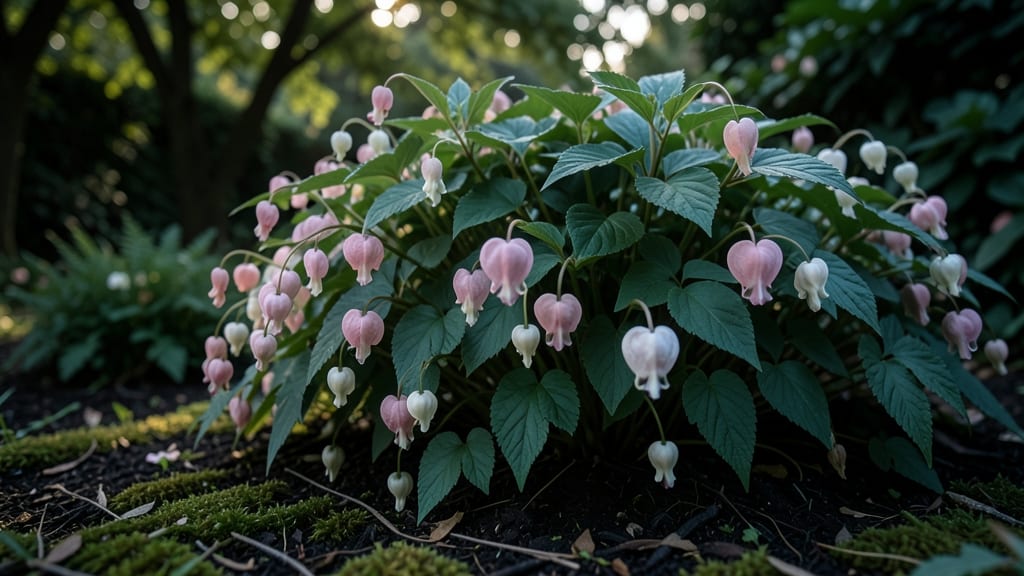
Transform your darkest garden corners into a romantic retreat with bleeding heart (Dicentra spectabilis), a shade-loving perennial that produces cascading clusters of heart-shaped flowers in soft pink or white. Unlike other perennials, this plant thrives in partial to full shade and delivers a dramatic spring display that lasts for weeks.
Plant bleeding heart in rich, well-draining soil with plenty of organic matter—it prefers moist conditions but will tolerate average garden soil once established. Stake taller varieties to support their delicate, arching stems, and mulch heavily to retain moisture and suppress weeds. Deadhead spent blooms to encourage a second, lighter flush of flowers in late summer, though the first spring display is always the showstopper.
Perfect for cottage gardens, woodland edges, or containers, bleeding heart adds vertical interest and ethereal beauty where other plants struggle. Its fragrant foliage also deters deer, making it a practical choice for rural gardens. 🌷
Hellebores for Early Winter Interest
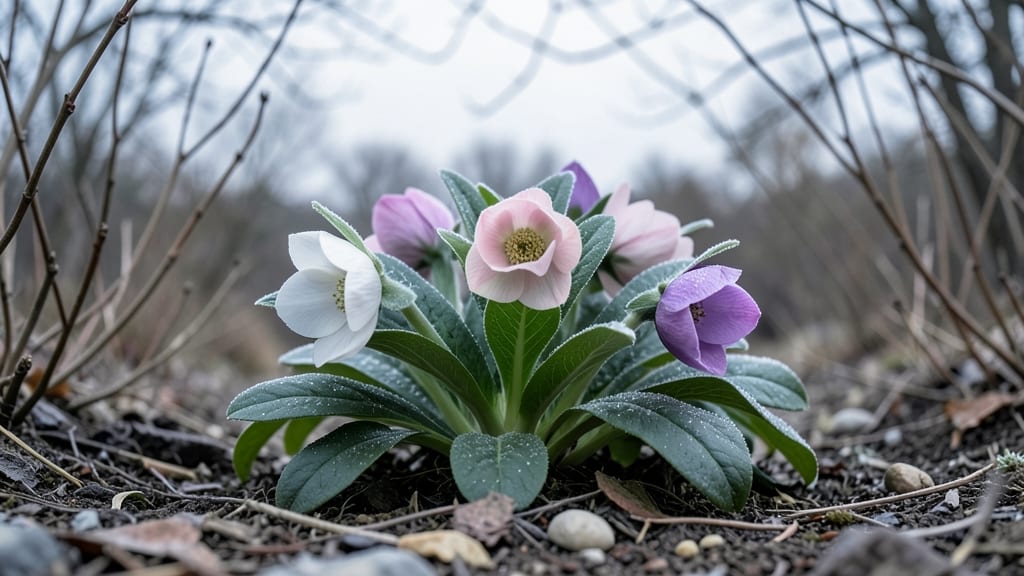
When your garden looks like a monochrome painting in late winter, helleborus (hellebores) steps in as the unsung hero. These evergreen perennials defy the cold, offering delicate nodding blooms in white, pink, or deep purple when most plants are still dormant.
Thriving in partial to full shade, hellebores tolerate moist, well-drained soil and even light frost. Their leathery foliage provides year-round structure, while flowers bloom from late winter through early spring, lasting weeks longer than spring ephemerals. Deadhead spent blooms to encourage more flowers, and divide clumps every 3-4 years to maintain vigor.
Perfect for woodland gardens or understory plantings, hellebores bring early color to pollinators like bees and butterflies. Gardeners in cold climates will love their hardiness down to zone 3—no fuss, just beauty. 💚
Japanese Painted Fern for Lace-Like Foliage
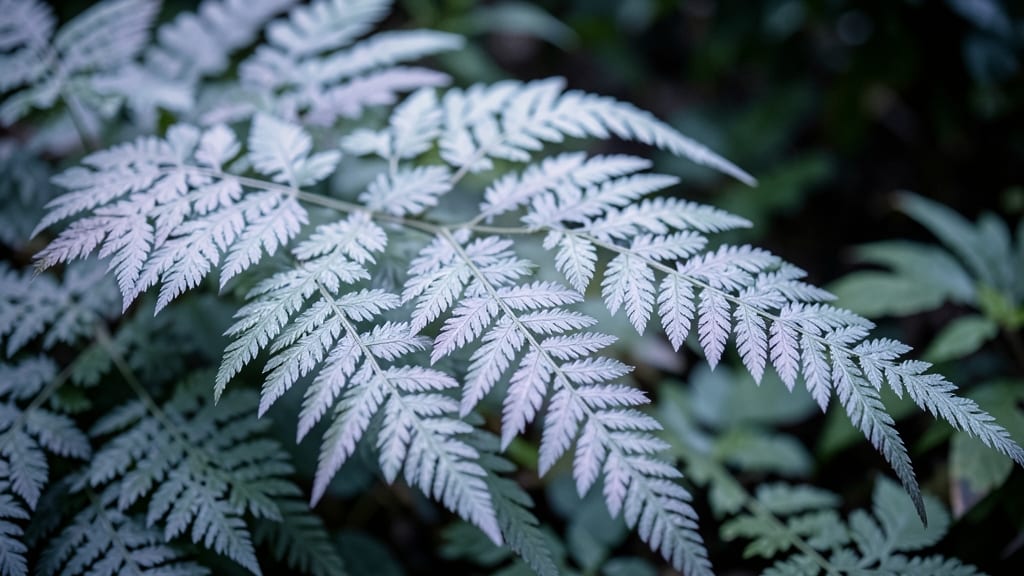
Tired of dull, dark corners in your garden? The Japanese painted fern (Athyrium niponicum var. pictum) turns shade into a silvery-blue masterpiece with its delicate, lace-like fronds that shimmer like moonlight on water.
This architectural fern thrives in moist, shady spots where sunlight barely reaches, making it perfect for woodland gardens, under trees, or along north-facing foundations. Its silver-green foliage stays vibrant year-round, creating a stunning contrast against darker greens. Simply keep the soil consistently moist (but not soggy) and watch it spread into a lush, textured carpet with minimal effort.
Ideal for gardeners who love low-maintenance plants with high visual impact, this fern pairs beautifully with hostas and astilbes for a dreamy, layered shade garden. 💚
Lungwort for Healing Beauty and Pollinators
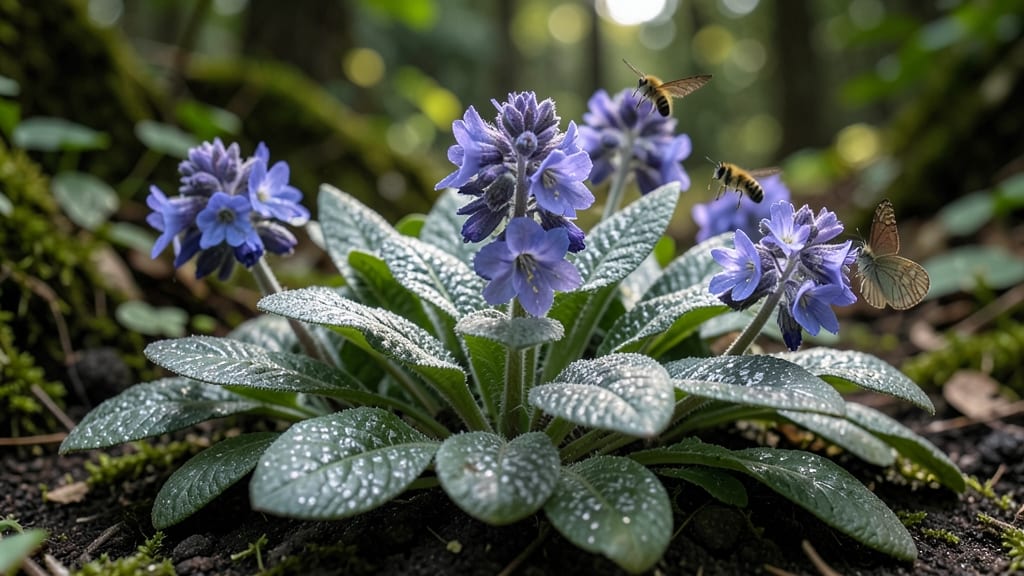
Looking for a shade-loving perennial that brings both beauty and purpose to your garden? Lungwort (Pulmonaria) is a standout choice with its silver-spotted foliage and blue-purple blooms, making it a magnet for bees and butterflies while adding year-round interest.
This hardy plant thrives in partial to full shade and tolerates a wide range of soil types, including clay or rocky ground. Its early spring flowers transition from pink to blue, while the silvery leaves create a striking contrast against darker foliage. Lungwort is also deer-resistant and drought-tolerant once established, making it a low-maintenance addition.
Perfect for medicinal gardens (its name comes from its historical use for lung ailments) or pollinator-friendly spaces, lungwort brings both practicality and charm to shady corners. 🌿
Coral Bells for Dramatic Foliage Contrasts
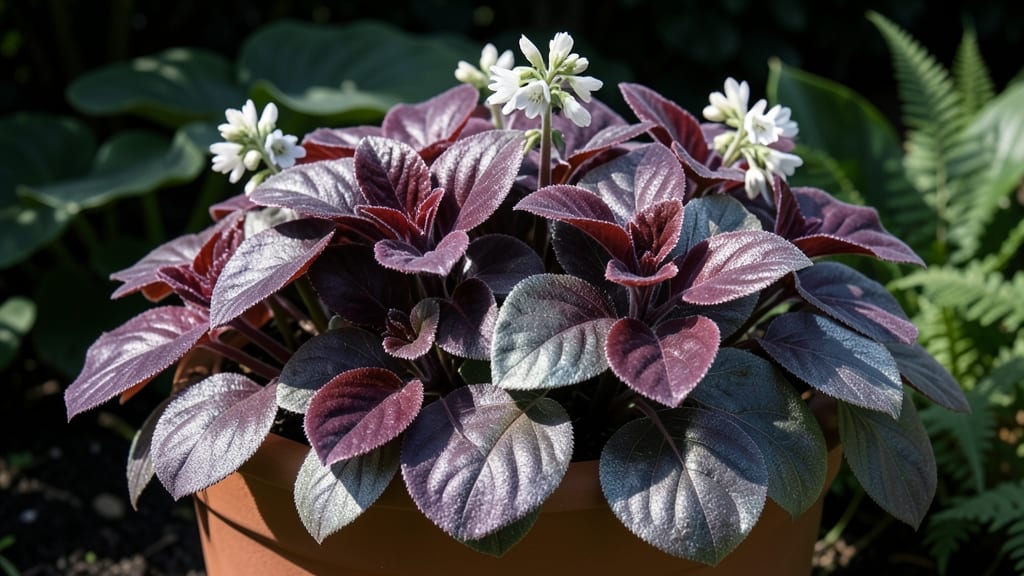
Looking for a shade-loving perennial that turns heads with its bold foliage? Coral bells (Heuchera) deliver vibrant purple, red, or silver leaves that create stunning contrasts against white flowers, making them perfect for modern containers or striking borders.
These low-maintenance plants thrive in partial to full shade and prefer well-draining soil—ideal for urban gardens or understory plantings. Varieties like 'Palace Purple' or 'Lime Rickey' offer year-round color, while their compact size (12-18 inches tall) fits neatly into small spaces. Pair them with white blooms like bleeding heart or astilbe for a high-impact, low-light combo.
Urban gardeners and beginners will love how coral bells require minimal care while delivering maximum visual punch. Their drought tolerance once established makes them a smart choice for busy gardeners. 💚
Solomon’s Seal for Graceful Arching Stems
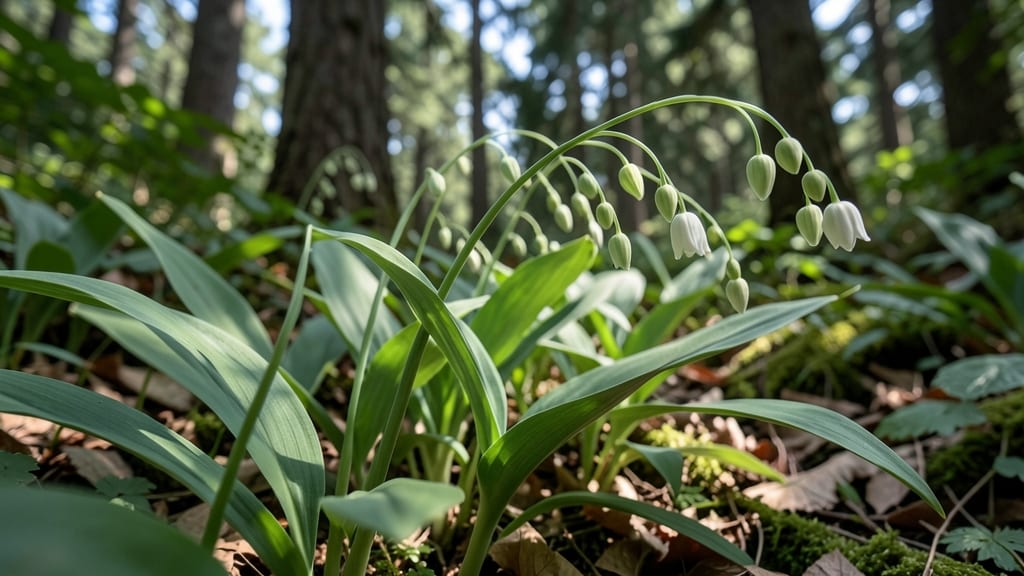
Tired of static, flat foliage in your shady garden? Solomon’s seal (Polygonatum) brings dynamic movement with its elegant, arching stems and dangling bell-shaped flowers—like nature’s own hanging vines, but without the fuss of training.
This deciduous perennial thrives in partial to full shade, producing glossy green leaves and fragrant white blooms in late spring to early summer. The stems grow 2-3 feet tall, creating a graceful curtain effect perfect for borders or woodland edges. It’s also deer-resistant and spreads slowly, making it low-maintenance for busy gardeners.
Ideal for cottage gardens, shade-loving enthusiasts, and anyone craving vertical interest without sunlight demands. Plant it where you want to soften edges or frame a path—its natural arching habit adds structure with minimal effort. 🌿
Sweet Woodruff for Fragrant Ground Cover
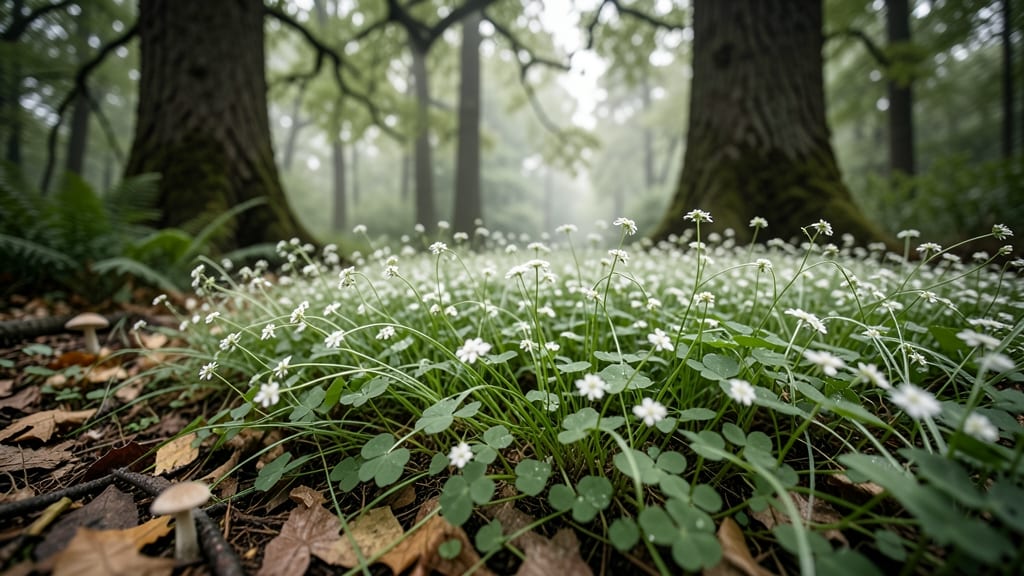
If you’ve ever walked through a woodland garden and inhaled that fresh, hay-like aroma, you’ve likely encountered sweet woodruff (Galium odoratum). This fragrant ground cover thrives in deep shade, making it the perfect solution for filling bare spots under trees where sunlight barely reaches.
Sweet woodruff spreads quickly via underground runners, creating a dense, lush carpet that suppresses weeds naturally. Its delicate white flowers appear in late spring, and the foliage releases a sweet vanilla-like scent when brushed—ideal for sensory gardens or paths. It’s also drought-tolerant once established, making it low-maintenance for busy gardeners.
Perfect for beginners or those with shady, high-maintenance areas, sweet woodruff adds texture, fragrance, and year-round greenery without demanding attention. 💚
Bugbane for Late-Summer Height

When your garden needs a dramatic late-summer statement, look no further than bugbane (Actaea spp.). This underrated perennial shoots up 4-6 foot tall spikes of white or pink flowers in August and September, just when many shade plants are winding down.
Thriving in partial to full shade, bugbane tolerates moist, well-drained soil and even damp woodland conditions. Its airy blooms attract bees, butterflies, and hummingbirds, making it a pollinator magnet. For best results, plant in groups of 3-5 for maximum impact—its height creates stunning vertical lines against ferns or hostas.
Perfect for gardeners who want height without sun, bugbane also spreads gradually via rhizomes, forming natural colonies over time. It’s especially rewarding for those with woodland gardens or shady borders craving late-season drama. 🌻