
Companion Plants
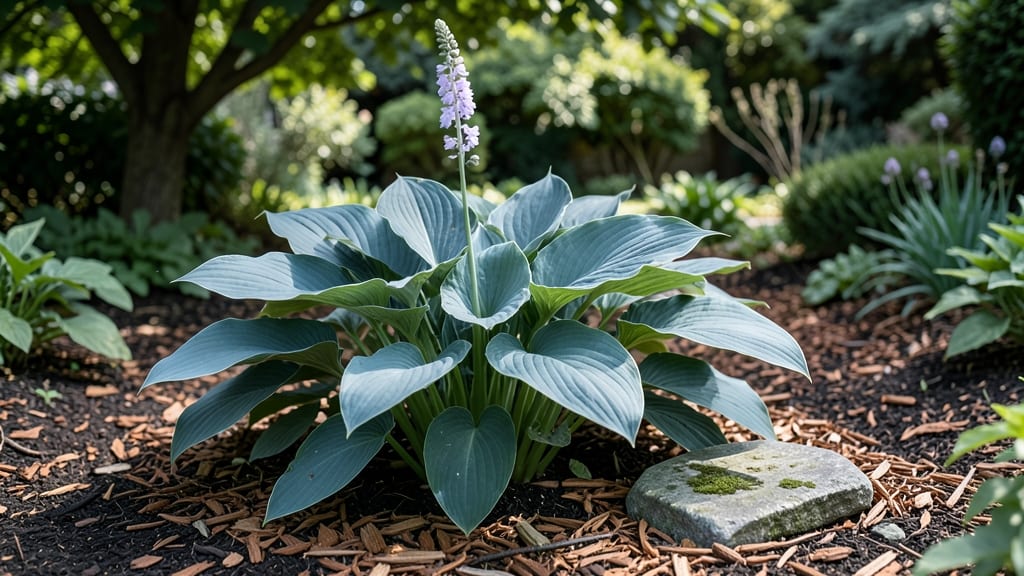
Zone 5 shade gardens don’t have to be dull—some perennials turn dark corners into lush, year-round showstoppers. 🌿 I’ve designed shady beds that stay vibrant from spring through frost, using plants that handle our brutal winters and still put on a show.
The secret? Choosing cold-hardy stars like hostas, ferns, and astilbes that thrive where sunlight barely reaches.
These plants don’t just survive—they flourish in 4-6 hours of filtered light daily, with some tolerating even deeper shade. Their foliage ranges from deep purple to chartreuse, and many deliver seasonal interest: hostas with summer blooms, ferns with delicate fronds, and astilbes with feathery plumes that last into fall.
The key is matching their moisture needs—most prefer well-draining, rich soil—and spacing them to avoid competition.
Imagine a layered bed where hostas anchor the middle, ferns spill over edges, and astilbes add height. The result? A textured, low-maintenance garden that stays lush even when other plants struggle.
Plus, these perennials multiply over time, reducing future work. Let’s build a shade garden that outlasts the seasons—and your neighbors’ envy.
Whether you’re filling a woodland gap or brightening a north-facing patio, these plants adapt. Start with 3-5 varieties for a balanced look, then expand as they naturalize.
The first year is about prep—amend soil with compost, mulch well, and watch your shady spot transform into a cool-season oasis that never fades out.
📚 In This Guide
- What you need
- Instructions
- Tips and common mistakes
- Wrapping up and next steps
What you need
- ● Perennial shade plants (Zone 5 hardy): 5–10 plants of Hosta (e.g., 'Blue Angel' or 'Halcyon')
- ● 3–5 plants of Heuchera (e.g., 'Palace Purple' or 'Lime Rickey')
- ● 2–3 plants of Astilbe (e.g., 'Fanal' or 'Deutschland')
- ● 1–2 plants of Ferns (e.g., Matteuccia struthiopteris or Dryopteris marginalis)
- ● 1–2 plants of Bleeding Heart (Dicentra spectabilis)
- ● 1–2 plants of Lungwort (Pulmonaria spp.)
- ● Garden soil or compost: 2–3 bags (50 lb each) of high-quality, well-draining organic soil or compost
- ● Mulch: 1–2 bags (2–3 cubic feet each) of shredded bark or wood chips
- ● Garden gloves: 1 pair (waterproof, long-cuff)
- ● Hand trowel: 1 (5–7 inch blade)
- ● Pruners: 1 pair (bypass pruners for clean cuts)
- ● Watering can or hose: 1 (with adjustable nozzle for gentle watering)
- ● Measuring tape or ruler: 1 (for spacing plants)
- ● Garden stakes or labels: 10–15 (for marking plant locations)
- ● Slow-release fertilizer: 1 bag (e.g., 10-10-10 or organic options like fish emulsion)
- ● Soil pH tester: 1 (to ensure optimal growing conditions)
- ● Ground cover fabric: 1 roll (to suppress weeds in heavy shade)
- ● Decorative stones or mulch: 1–2 bags (for aesthetics and moisture retention)
- ● Plant support (if needed): 1–2 stakes or rings for taller plants like Astilbe
Step-by-step guide to selecting and planting perennial shade plants in Zone 5
Here's how to build a thriving shade garden that survives Zone 5 winters.
🌱 Step 1: Choose Cold-Hardy Perennial Varieties
Focus on plants rated for USDA Zone 5 that thrive in low light (less than 6 hours of sun daily). Hostas, astilbes, and lungwort top my list—they handle our winters beautifully. I always check the mature height and spread to avoid overcrowding. For example, Hosta 'Blue Angel' stays compact while Astilbe 'Fanal' grows taller and needs more space.
Look for plants with thick roots and woody stems—these traits signal winter hardiness. I avoid tender perennials like impatiens or fuchsias, which won't survive Zone 5 winters. Instead, I opt for heucheras (coral bells) or lamium (dead nettle), which have proven resilience in my garden.
☀️ Step 2: Prepare the Shade Site for Planting
Test your shade conditions first. Dry shade (under trees) needs moisture-retentive plants like ferns or astilbes, while moist shade (near streams) handles hostas or lungwort. Amend the soil with 2-3 inches of compost to improve drainage and fertility—Zone 5 clay soil can get waterlogged in winter.
I always work the soil when it's 60-70°F (spring or early fall) and not soggy. Loosen the top 12 inches with a broadfork to encourage root growth. If your soil is acidic (common in shade areas), add pelletized lime to raise the pH slightly—most shade perennials prefer 6.0-7.0 pH.
🪴 Step 3: Plant at the Right Depth and Spacing
Dig holes twice as wide as the root ball but only as deep as the container. This prevents burying stems, which can rot. I gently remove plants from containers and tease apart roots if they're circling. Place each plant so the top of the root ball sits level with the soil surface—never deeper.
Space plants according to their mature size: 12-18 inches apart for hostas, 24 inches apart for astilbes, and 18-24 inches for heucheras. Overcrowding leads to competition for water and nutrients, which weakens winter survival. Water deeply after planting to settle the soil and remove air pockets.
💧 Step 4: Mulch and Water for Winter Readiness
Spread 3-4 inches of shredded bark mulch over the soil surface, keeping it 2 inches away from stems to prevent rot. Mulch insulates roots and retains moisture during Zone 5 winters. I use pine bark because it breaks down slowly and improves soil structure over time.
Water newly planted perennials deeply once a week for the first month, then taper to every 10-14 days unless we have a dry spell. The goal is to encourage deep root growth before winter. In late fall, reduce watering entirely—this helps plants harden off naturally. By mid-October, most shade perennials should be dormant.
✂️ Step 5: Prune and Protect for Winter Survival
In early spring (March), cut back dead foliage from last year but leave 3-4 inches of stems—this protects emerging buds. I never prune in fall because it removes insulation for winter. For plants like heucheras, which have attractive foliage, I trim only the brown, damaged leaves and leave the healthy ones.
In Zone 5 winters, a 4-6 inch blanket of mulch is critical. If we get extreme cold snaps (below 0°F), I add an extra layer of straw mulch over tender perennials like Hosta 'Halcyon'. Remove protective mulch in early spring once the ground thaws to prevent rot.
Tips & tricks for perfect perennial shade gardens in Zone 5
Building a shade garden that thrives through Zone 5 winters takes a few key strategies beyond just planting. Here's what I've learned after years of trial and error in my own garden.
Plant Selection Wisdom: When choosing perennials, focus on those with thick, fibrous roots and woody stems—these are the plants that actually make it through our winters. I always check the USDA Zone 5 label and cross-reference it with my local microclimate. For example, Hosta 'Halcyon' handles our winters better than Hosta 'Francee' because it has thicker foliage and more robust growth. The 6 hours of sun or less guideline is strict—if your area gets even slightly more light, opt for varieties with silver or variegated leaves that tolerate more sun.
Soil Preparation Secret: The 2-3 inches of compost recommendation is non-negotiable for Zone 5 clay soil, but here's the trick: mix in coarse sand or perlite (about 10% of the volume) to prevent compaction. I also test my soil's pH before planting—most shade perennials prefer 6.0-7.0, but if your soil tests lower, add pelletized lime in spring before planting. The 60-70°F soil temperature window is perfect for working with the soil because it's warm enough to work but not so hot that you'll bake the roots.
Planting Depth and Spacing: The rule about planting to the top of the root ball is crucial, but I've found that hostas actually prefer being planted slightly deeper (about 1 inch below the root ball top) because their thick leaves benefit from being partially buried. For spacing, I always mark out the mature sizes with paint sticks on the ground before digging—this prevents overcrowding later. The 12-18 inches spacing for hostas might seem tight, but they'll fill in beautifully over time.
Winter Protection Strategy: That 4-6 inch mulch blanket is your best friend in Zone 5 winters, but here's how to make it work better: use two layers—first 3 inches of shredded bark mulch right after planting, then add another 2-3 inches of straw mulch in late fall. This two-layer system creates better insulation and prevents soil heaving during freeze-thaw cycles. For extreme cold snaps (below 0°F), I add a thin layer of evergreen boughs over the mulch to provide additional wind protection.
Pro Tips for Perennial Shade Plants Zone 5
- Building a shade garden that thrives through Zone 5 winters takes a few key strategies beyond just planting.
- Plant Selection Wisdom: When choosing perennials, focus on those with thick, fibrous roots and woody stems—these are the plants that actually make it through our winters.
- Soil Preparation Secret: The 2-3 inches of compost recommendation is non-negotiable for Zone 5 clay soil, but here's the trick: mix in coarse sand or perlite (about 10% of the volume) to prevent compaction.
Frequently asked questions
Got questions about growing perennials in Zone 5 shade? Here are some common ones—and their answers—to help you garden with confidence!
What are the easiest perennials to grow in Zone 5 shade?
Start with hostas, heucheras, and foamflowers—they’re tough, low-maintenance, and handle cold well. For texture, try Japanese painted ferns or sweet woodruff. These thrive in minimal light and soil, making them perfect for beginners!
Do I need to mulch perennials in Zone 5 winters?
Yes! A 2–3 inch layer of organic mulch (like shredded bark or leaves) protects roots from freeze-thaw cycles. Apply after the ground freezes (late fall) and remove it in early spring to avoid overheating. Pro tip: Avoid piling mulch against stems to prevent rot!
Can I grow anything in deep shade (less than 3 hours of sun)?
Opt for lungwort, bleeding heart, or Christmas fern. These tolerate full shade and even thrive under trees. If your shade is partial (3–6 hours of sun), add astilbes or coral bells for extra color and resilience.
Why are my shade perennials dying or looking sick?
Check for overwatering (shady spots stay soggy) or poor drainage. Yellow leaves? Likely nutrient deficiency—feed with compost or a slow-release fertilizer in early spring. Pests like slugs also love shade plants; use beer traps or diatomaceous earth to deter them.
When is the best time to plant perennials in Zone 5?
Plant in early spring (April–May) or early fall (September–October). Avoid extreme heat or cold—roots need time to establish. Fall planting is ideal: cooler temps reduce stress, and plants grow roots before winter. Just water deeply after planting!
What’s a great alternative to hostas if I have deer?
Deer hate the scent of lamium (dead nettle), bergenia (pig squeak), or Japanese anemones. These perennials offer color, texture, and deer resistance. Bonus: They’re just as low-maintenance as hostas!
Wrapping up and next steps
Transforming your Zone 5 shade garden into a lush, year-round retreat is totally within reach!
With the right perennial shade plants, you’ll enjoy vibrant colors, texture, and low-maintenance beauty—even in winter’s chill. 🌿 Whether you’re filling gaps under trees, brightening a dark corner, or creating a fragrant haven, these cold-hardy stars will reward your efforts with minimal fuss.
Ready to get growing? Start small: Pick 2-3 plants from this list, test your soil, and plant them this fall or early spring. Before you know it, your shade garden will be the coziest, greenest spot in the yard—and you’ll be the neighborhood envy! Happy planting! 🌱