
Companion Plants
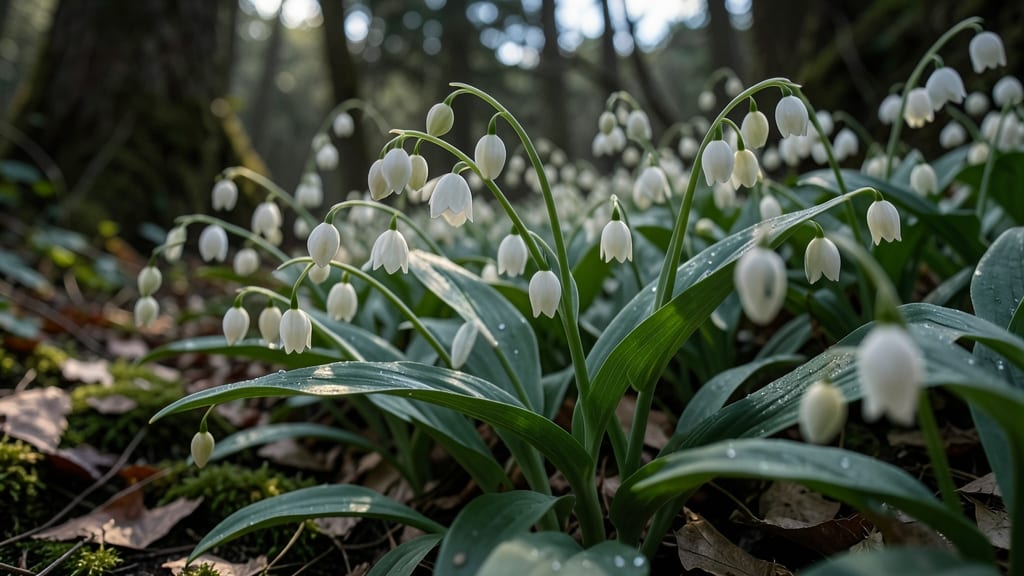
Struggling to keep plants alive in shady spots? These 10 hardy perennials thrive in low-light conditions with minimal care, delivering vibrant blooms and lush foliage season after season. Perfect for under trees, north-facing gardens, or dense shrubbery.
Hostas for Textured Green Foliage
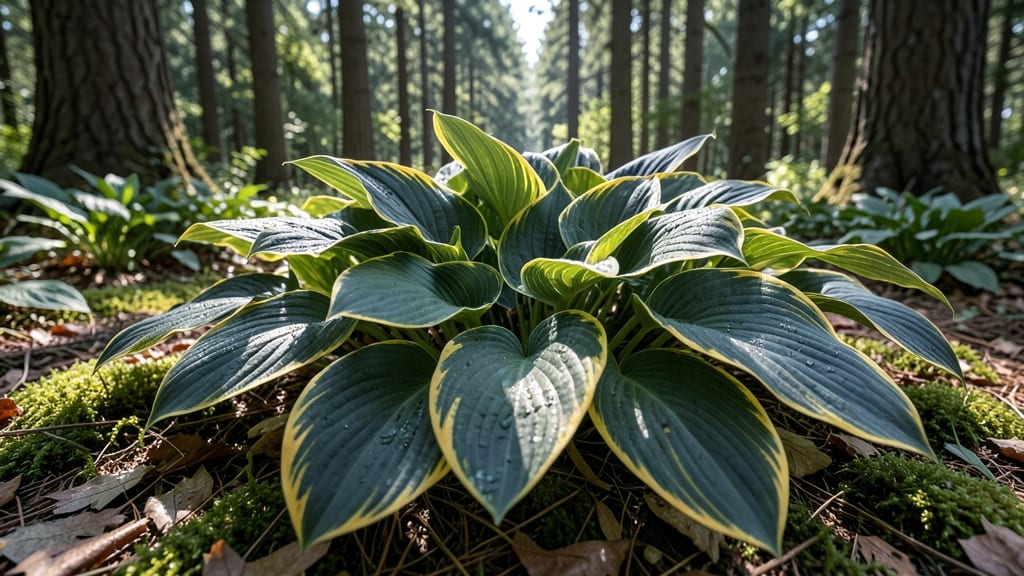
Tired of dull green spaces under your trees? Hostas bring drama to shady spots with their bold, variegated foliage in shades of blue, gold, and deep green—all while thriving where other plants struggle. Their low-maintenance nature makes them the perfect gateway plant for beginners.
These shade champions flourish in deep shade to partial sun (even under dense canopies) and prefer moist, well-drained soil. Plant them in clusters for maximum impact, spacing 18-24 inches apart to allow their leaves to cascade beautifully. Hostas also deter deer and rabbits, making them a practical choice for rural or suburban gardens.
Whether you're lining a border or creating a woodland garden, hostas deliver year-round interest with minimal effort. 🌿
Hellebores with Winter Blooms
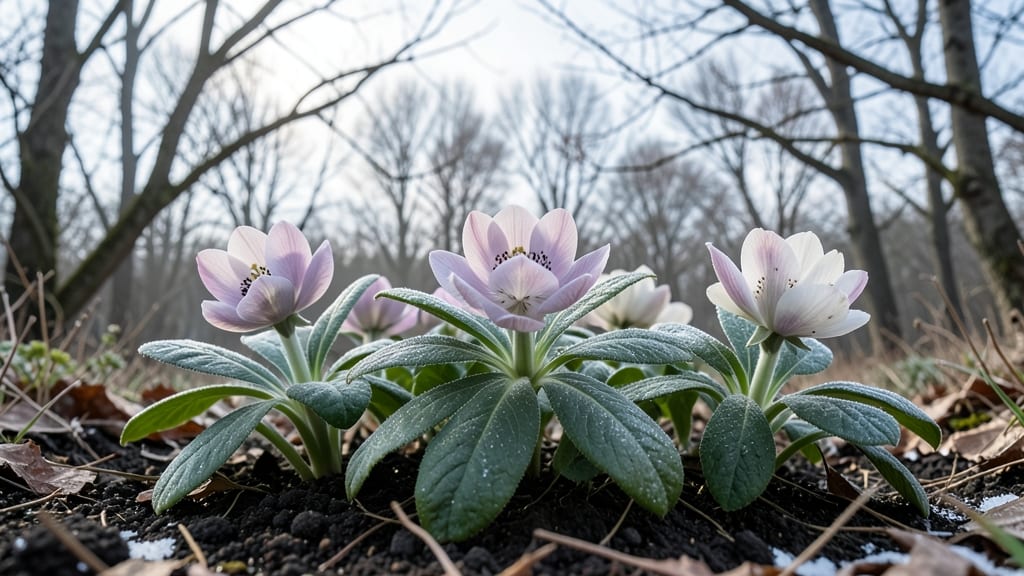
When your garden looks like a winter wasteland, helleborus (or "Lenten roses") burst onto the scene with delicate blooms that defy the cold. Unlike most perennials, these shade stars thrive in late winter to early spring, offering color when most plants are still dormant.
Their secret? Thick, leathery leaves that stay evergreen year-round, creating a lush backdrop for flowers in white, pink, purple, or green. They prefer partial to full shade and well-drained soil—ideal for understory planting or north-facing beds. Deadhead spent blooms to encourage more flowers, and avoid overwatering to prevent root rot.
Perfect for gardeners who want low-maintenance beauty without summer fuss, hellebores bring early-season joy and deer-resistant foliage. 🌷
Astilbes for Feather-Light Plumes
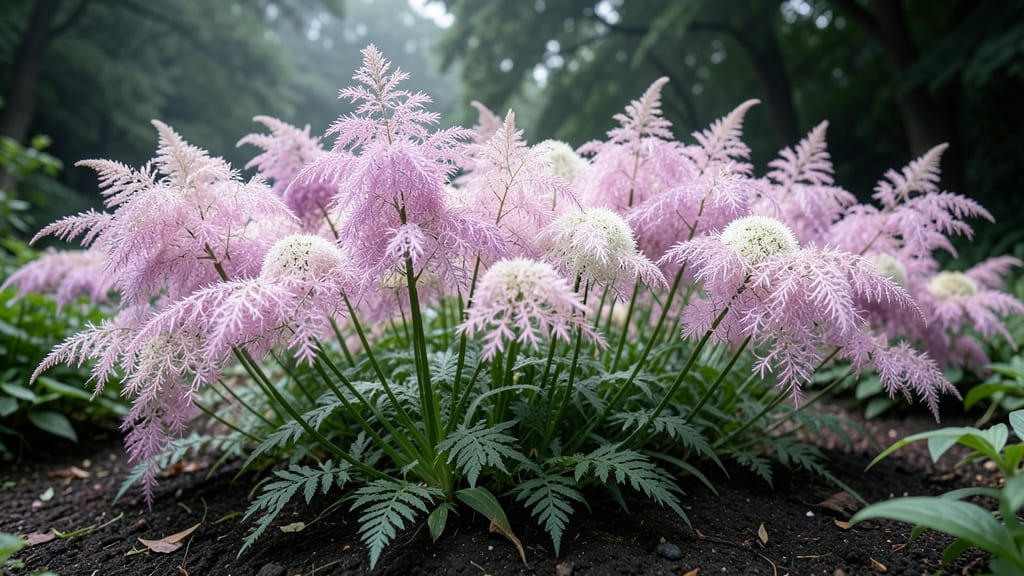
Tired of shady spots that look dull and lifeless? Astilbes bring drama with their airy, feather-like plumes that dance in the slightest breeze—perfect for adding movement to still garden corners.
These shade-loving perennials thrive in moist, well-drained soil and partial to full shade, making them ideal for under trees or north-facing borders. Choose from soft pinks, lavenders, or deep purples to create a romantic, cottage-garden feel. Deadheading spent blooms encourages a second flush of flowers, while dividing clumps every 3-4 years keeps them vigorous.
Urban gardeners with limited space will love how astilbes fit neatly in containers, while cottage gardeners can use them to soften foundations or fill gaps between shrubs. Their late-spring to summer blooms provide color when many shade plants are still dormant. 🌟
Japanese Painted Ferns
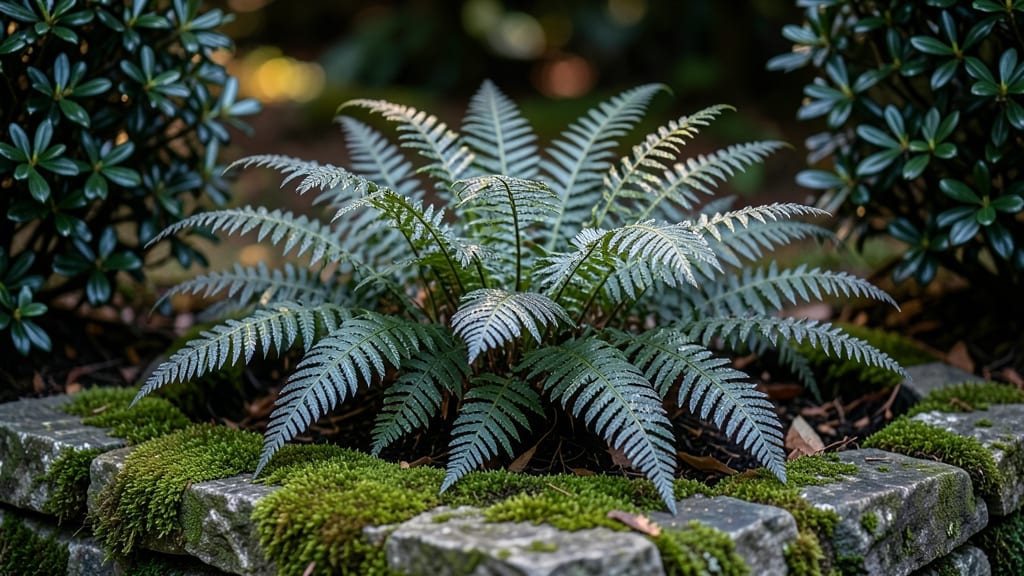
Looking for a shade-loving plant that steals the show without stealing your time? Japanese painted ferns deliver dramatic, silvery-black foliage that contrasts beautifully against green moss or dark evergreens—no sunlight required.
This low-maintenance fern thrives in partial to full shade and spreads slowly, making it ideal for rock gardens, woodland edges, or containers. Water occasionally (they dislike soggy roots) and watch it flourish year after year with almost no fuss. The textured fronds add depth to shady borders while attracting pollinators like butterflies.
Perfect for gardeners who want high impact with zero effort, these ferns are especially great for small spaces or urban gardens where maintenance is minimal. 🌿
Bleeding Heart Flowers
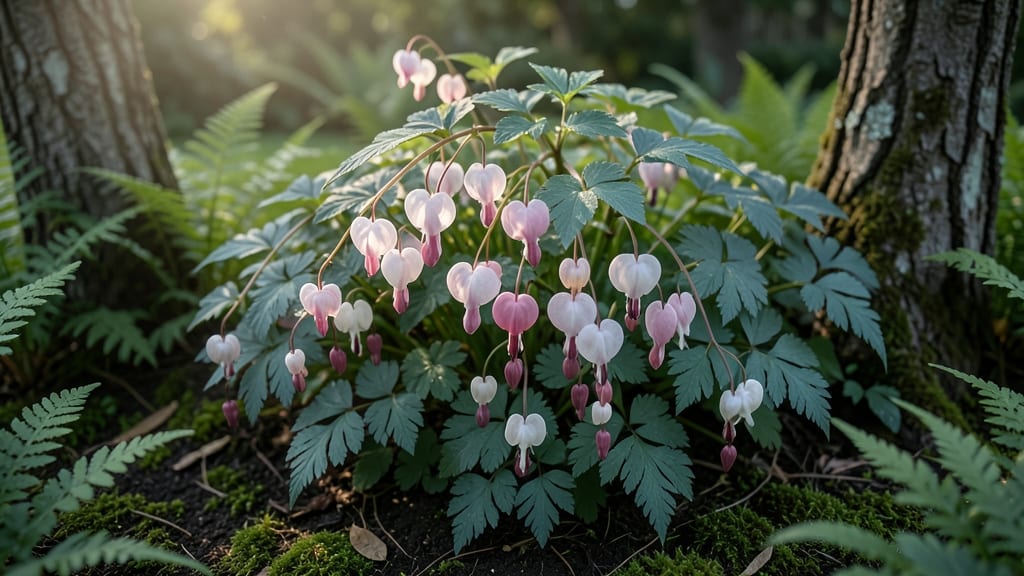
Craving a romantic touch for your shady garden? Bleeding heart flowers (Dicentra spectabilis) bring whimsical charm with their heart-shaped blooms that cascade like delicate chandeliers. This classic shade perennial is a must-have for adding vertical interest and soft color to dark corners where other plants fade.
Plant them in moist, well-drained soil with partial to full shade, and they'll reward you with spring to early summer blooms in shades of pink, white, or red. Stake taller varieties to prevent flopping, and divide clumps every 3-4 years to maintain vigor. Their fern-like foliage also provides year-round texture.
Perfect for cottage gardens, woodland edges, or as a focal point under trees, bleeding hearts bring effortless elegance to shady spaces. 🌷
Coral Bells for Colorful Foliage
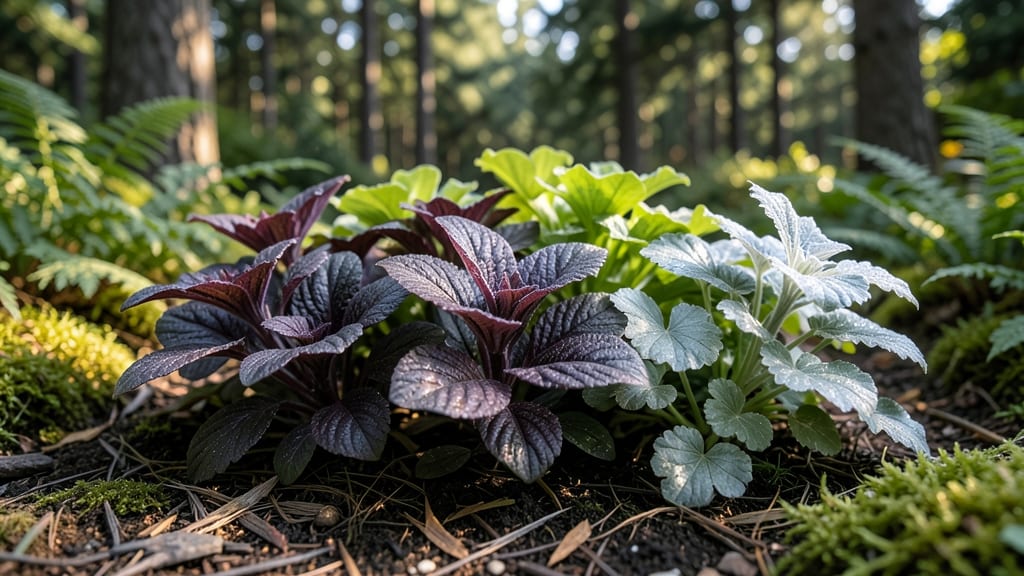
Want a shade garden that pops with color without relying on flowers? Coral bells (Heuchera) deliver year-round visual interest with their stunning foliage in shades of purple, silver, or lime green. These compact perennials thrive where others fail, making them perfect for understory planting or containers.
Plant them in partial to full shade with well-drained soil, and they'll reward you with drought-tolerant performance once established. Varieties like 'Palace Purple' or 'Lime Rickey' add dramatic contrast to shaded borders, while their slow-spreading habit keeps them contained. Prune leggy growth in early spring to maintain their tidy form.
Urban gardeners and small-space planners will love how coral bells fit into tight spots, while woodland gardeners can use them as ground cover under trees. Their versatility makes them a must-have for any shade garden. 🌟
Lungwort for Medicinal Beauty
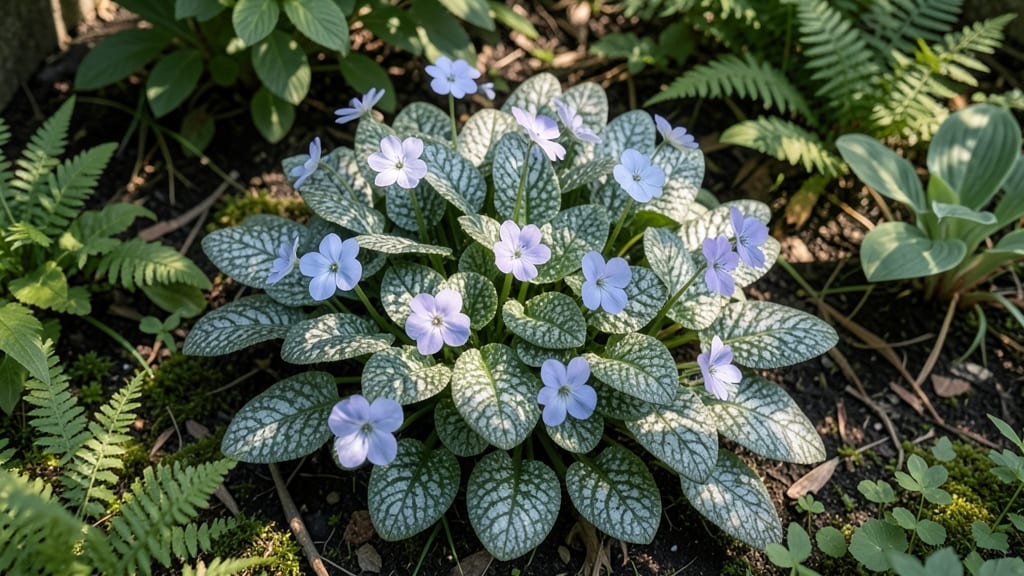
Looking to add both beauty and history to your shaded garden? Lungwort (Pulmonaria) brings a unique blend of medicinal heritage and delicate charm, with its distinctive spotted leaves and soft blue flowers. This perennial thrives where others falter, making it a standout choice for cottage gardens or woodland edges.
Historically used to treat respiratory ailments (hence its name), lungwort spreads slowly and adapts to dry to moist shade, tolerating everything from rocky slopes to damp woodland floors. Its early spring blooms attract pollinators, while its foliage remains attractive through the growing season. Plant it in clusters for maximum visual impact, and enjoy its low-maintenance nature—it rarely needs dividing or special care.
Perfect for herbal gardeners or those seeking a historically meaningful plant, lungwort adds both practicality and romance to shaded areas with minimal effort. 🌷
Foxgloves for Towering Elegance
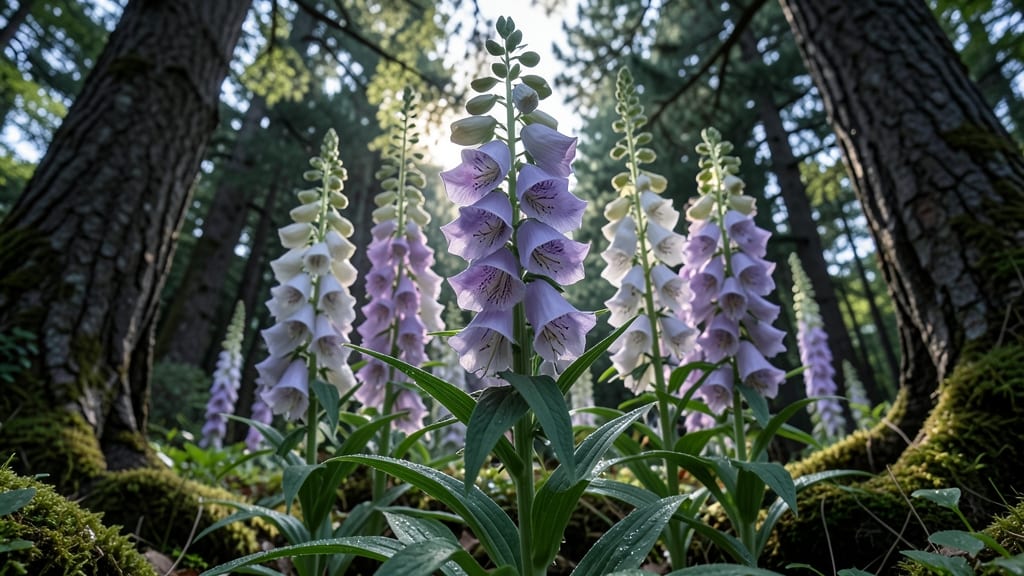
Need instant vertical drama in your shady garden? Foxgloves reach heights of 3-5 feet with their iconic bell-shaped blooms, creating a fairy-tale effect that's hard to resist. Unlike many perennials, these biennials self-seed prolifically, giving you free plants year after year with minimal effort.
Plant them in partial shade where they'll thrive in average garden soil, and watch hummingbirds flock to their nectar-rich flowers. The purple, pink, or white varieties add striking contrast against dark foliage, while their tall spikes provide excellent backdrops for smaller plants. Just remember to leave last year's seed stalks standing—they'll produce next season's flowers.
Perfect for cottage gardeners or anyone wanting low-maintenance height, foxgloves bring old-world charm to shady corners while attracting pollinators. 🌻
Sweet Woodruff Ground Cover
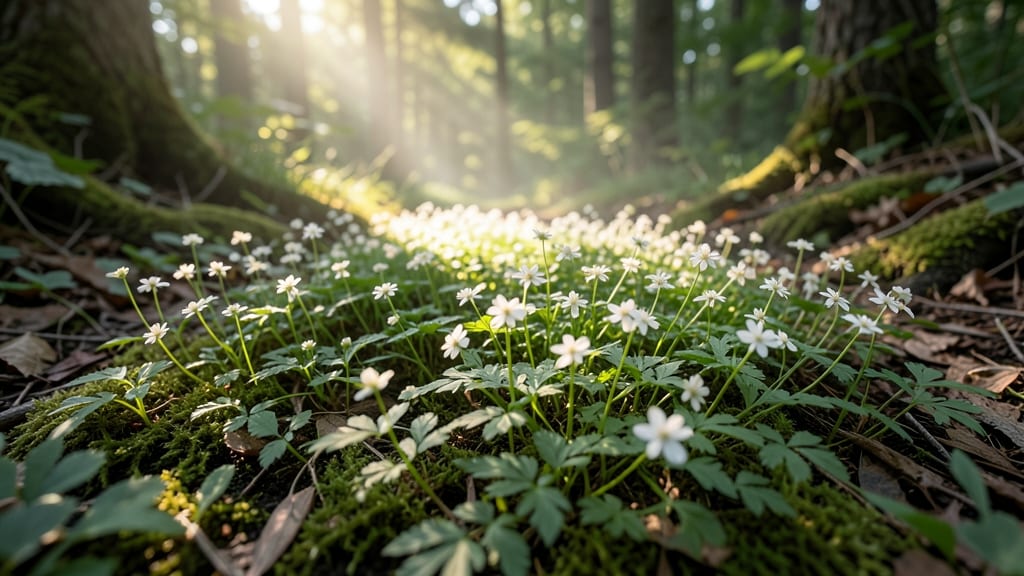
Transform your shady pathways into a fragrant escape with sweet woodruff (Galium odoratum), a delicate ground cover that releases a vanilla-like scent when brushed against. Unlike other shade plants, it doubles as a natural weed suppressor while adding subtle beauty to woodland gardens or understory planting.
This hardy perennial thrives in partial to full shade and spreads quickly through underground runners, creating a lush carpet of heart-shaped leaves. In late spring, it produces star-shaped white flowers that attract pollinators, and its evergreen foliage stays green year-round in milder climates. Simply plant divisions 12-18 inches apart and let it fill in gaps naturally—no maintenance required!
Perfect for gardeners who love low-maintenance yet sensory-rich plants, sweet woodruff is especially magical in cottage gardens or as a living mulch under fruit trees. Its dual benefits—fragrance and weed control—make it a must-have for any shady spot. 🌱
Solomon's Seal for Graceful Arches

Want to transform a dull, shady corner into a dynamic garden feature? Solomon's seal (Polygonatum) weaves magic with its arching stems and dangling white flowers that sway gently in the breeze—creating natural movement where other plants stand still. This deer-resistant perennial thrives in partial shade and adds architectural interest without demanding center-stage attention.
Plant Solomon's seal in clusters along borders or under trees, where its 2-3 foot height provides vertical structure. The stems emerge green in spring, turning golden-yellow in fall for seasonal color shifts. Water moderately (they dislike soggy roots) and watch them spread slowly over time—no aggressive maintenance required. Their fragrant flowers attract hummingbirds, while the glossy leaves add texture to shady beds.
Perfect for cottage gardeners or woodland gardeners seeking low-maintenance elegance, Solomon's seal pairs beautifully with hostas or ferns. Its graceful habit makes it ideal for softening foundations or framing garden pathways. 🌱