
Size
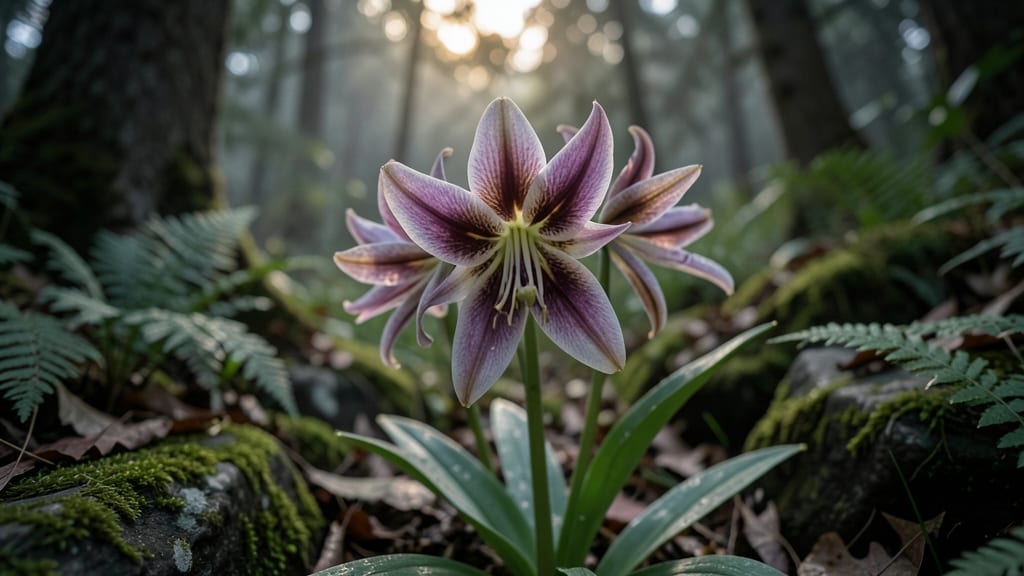
Struggling to keep flowers alive in your shady garden spots? These 10 hardy perennials thrive in low-light conditions with minimal care, adding vibrant color and texture to even the darkest corners of your yard.
Hostas for Lush Green Foliage and Subtle Blooms
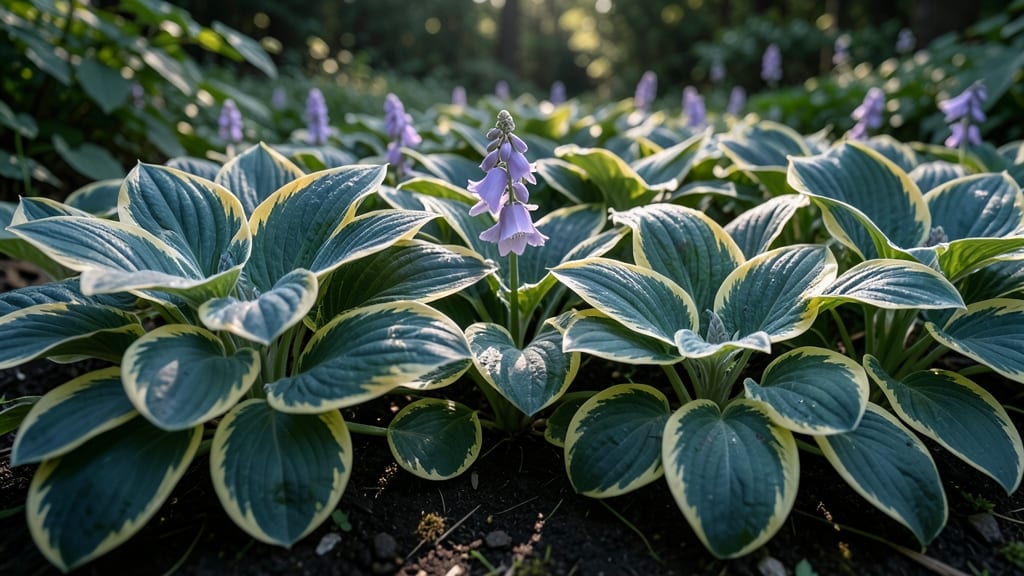
Looking for a shade-tolerant perennial that thrives with almost no fuss? Hostas deliver bold, variegated foliage in shades of blue, gold, or cream—plus delicate lavender blooms—that bring life to dark corners. Their lush leaves create instant texture, making them a favorite for borders, woodland gardens, and even container plantings.
Hostas prefer partial to full shade (2-6 hours of sun) and moist, well-draining soil, though they tolerate clay if amended with compost. Plant crowns at soil level in spring or fall, spacing them 12-24 inches apart for mature size. Mulch helps retain moisture, and dividing clumps every 3-4 years keeps them vigorous. Deer often avoid them, making them a practical choice for rural gardens.
Perfect for beginners, hostas offer year-round interest—even after blooms fade, their striking foliage steals the show. Pair them with ferns or bleeding hearts for a low-maintenance, high-impact shade garden. 🌱
Bleeding Heart Plant with Heart-Shaped Flowers
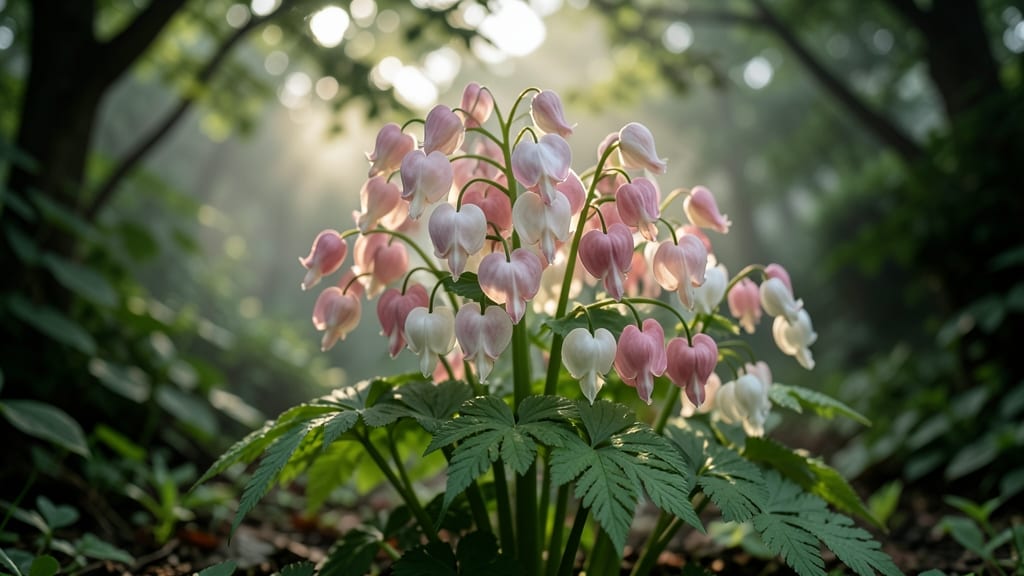
Need a romantic touch for your shady garden? The bleeding heart plant (Dicentra spectabilis) delivers cascading clusters of pink or white heart-shaped blooms that seem to dance in the breeze. Unlike sun-loving flowers, this shade specialist thrives where others struggle, making it a standout for woodland gardens and north-facing borders.
Plant in moist, well-drained soil with partial to full shade, and watch it reward you with spring-to-summer blooms that last weeks. Mulch around the base to retain moisture—this plant wilts quickly if soil dries out. Deadhead spent flowers to encourage a second flush of blooms, and divide clumps every 3-4 years to keep them vigorous.
Perfect for cottage gardens, cutting arrangements, or as a dramatic focal point near patios, bleeding hearts bring whimsy and charm. Urban gardeners with shady balconies can even grow them in containers with rich, organic soil. 🌷
Astilbe for Feathery Plumes and Long-Lasting Color
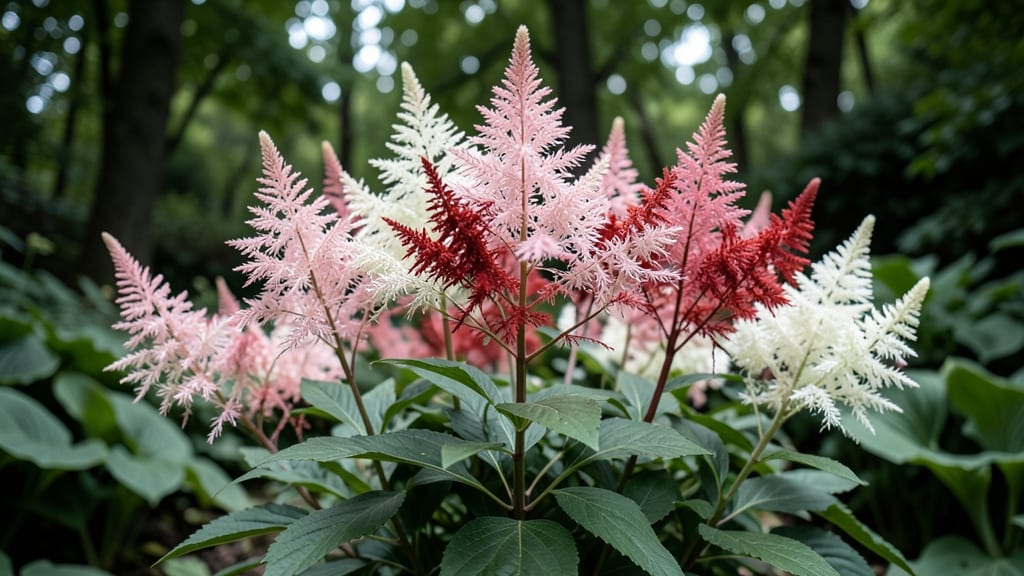
Tired of shade gardens that look flat and lifeless? Astilbe brings drama with its airy, feathery plumes that dance in the breeze, creating movement where other shade plants stand still. These perennials thrive in partial to full shade and deliver blooms in soft pinks, fiery reds, or pure white—perfect for brightening dark corners.
To keep your astilbes thriving, prioritize consistent moisture—they wilt quickly in dry soil but reward you with blooms from mid-summer to early fall. Plant them in well-draining, rich soil with a touch of organic matter, and space them 18-24 inches apart for full, lush clusters. Deadhead spent blooms to encourage a second flush of flowers.
Urban gardeners and small-space lovers will appreciate how astilbes add vertical interest without sprawling. Pair them with hostas or ferns for a layered, woodland-inspired look that feels both wild and intentional. 🌷
Hellebores for Early Spring Blooms
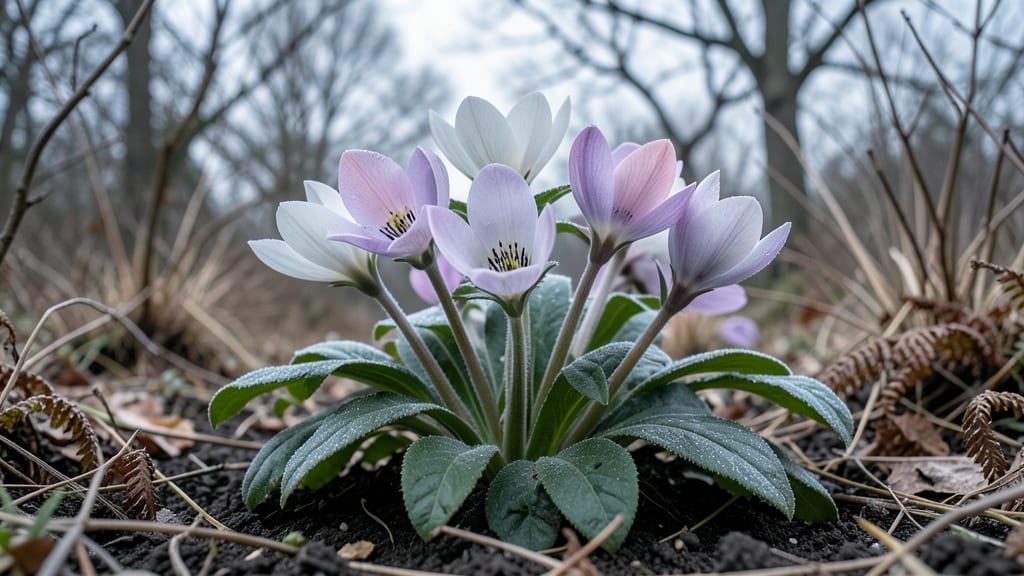
When the rest of your garden is still dormant under winter’s chill, helleborus—or Lenten roses—burst into bloom with delicate flowers in white, pink, or deep purple. These shade-loving perennials defy the cold, offering early-season color when few other plants can compete.
Plant them in partial to full shade, where they’ll thrive in moist, well-drained soil enriched with organic matter. Their evergreen foliage provides year-round interest, while their nodding blooms attract early pollinators like bees. Varieties like ‘Annemarie’ or ‘Black Beauty’ add drama with dark centers or deep burgundy hues.
Perfect for woodland gardens, under trees, or along shady borders, hellebores are a low-maintenance choice that rewards patience with months of blooms—starting as early as February in mild climates. 🌷
Japanese Painted Fern with Unique Fronds
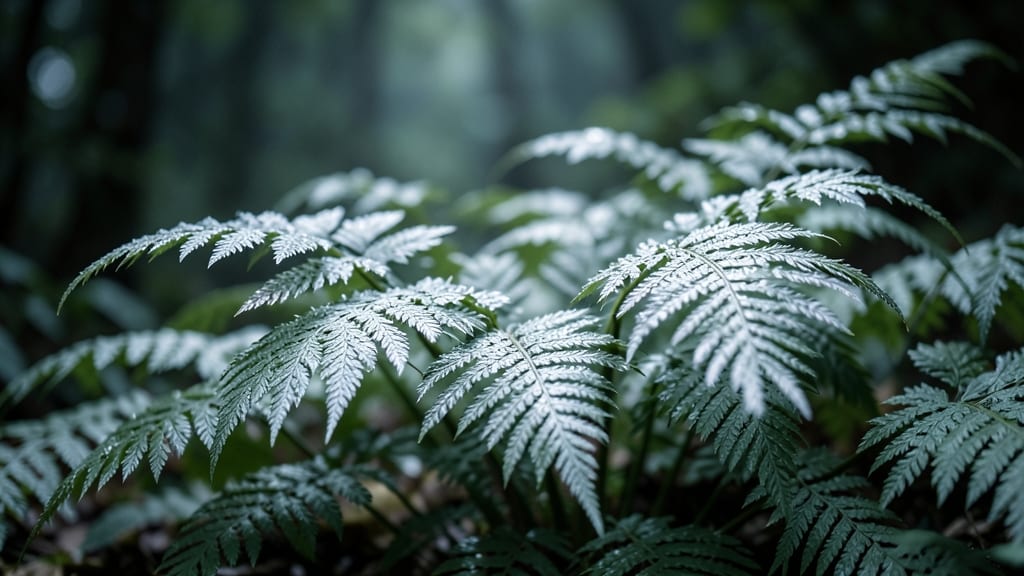
Want to transform your shady garden into a textural masterpiece without relying on flowers? The Japanese painted fern (Athyrium niponicum var. pictum) brings architectural drama with its silver-and-green fronds, creating a striking focal point that thrives in deep shade where other plants struggle.
This low-maintenance fern flourishes in partial to full shade (even under trees) and prefers moist, well-draining soil—ideal for woodland gardens or container plantings on patios. Its unique variegated leaves add movement and depth, while its clumping habit keeps it tidy without spreading invasively. Simply water regularly to keep soil evenly moist, and it’ll reward you with year-round interest—even after frost.
Perfect for urban gardeners, woodland enthusiasts, or container lovers, this fern pairs beautifully with hostas or hellebores for a serene, high-impact shade garden. Just a few plants create a dramatic statement with minimal effort. ✨
Lungwort for Medicinal Beauty and Long Bloom Time
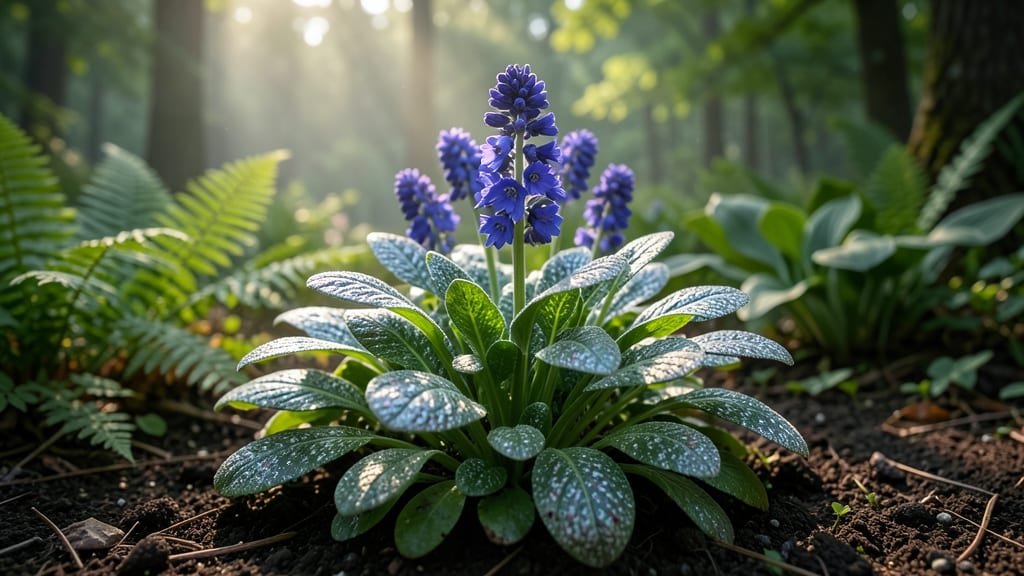
Want a shade-loving perennial that doubles as both a stunning garden star and a historical remedy? Lungwort (Pulmonaria) delivers silver-spotted leaves that shimmer in the light, paired with blue or purple flowers that bloom from late spring to early summer—longer than most shade plants.
This hardy perennial thrives in partial to full shade and moist, well-drained soil, making it ideal for woodland gardens or under trees. Its medicinal history (used in traditional remedies for lung ailments) adds a fascinating layer—though modern gardens grow it purely for its beauty. Plant it in clusters for a textured ground cover, and enjoy its year-round foliage interest even after blooms fade.
Perfect for heritage gardens or modern shade beds, lungwort brings both visual intrigue and a touch of history to your garden. 💚
Coral Bells for Colorful Foliage Varieties
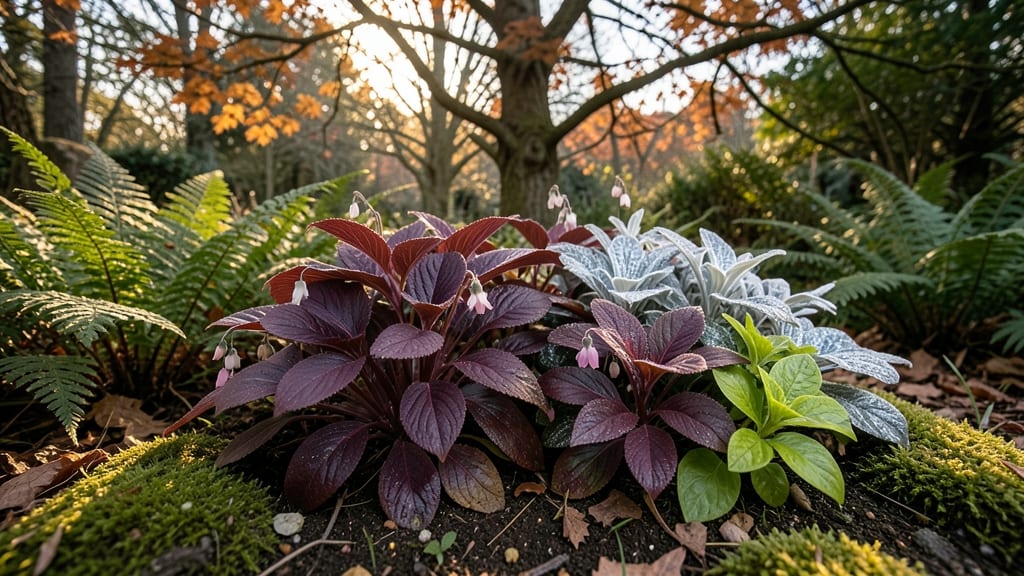
Want to add bold, year-round color to your shady garden without the fuss? Coral bells (Heuchera) deliver vibrant foliage in deep purples, silvery whites, or lime greens that outshine most flowers. Unlike other shade plants, their leaves stay striking from spring through frost, making them the perfect low-maintenance star for modern gardens.
These drought-tolerant perennials thrive in partial to full shade (2-6 hours of sun) and adapt to almost any well-draining soil. Plant them in clusters for maximum impact, spacing 12-18 inches apart, and water occasionally once established. Their delicate bell-shaped flowers add a bonus touch in late spring, but the real show is the foliage—choose varieties like 'Palace Purple' for drama or 'Lime Rickey' for a zesty pop.
Ideal for urban gardeners, container growers, or anyone tired of boring shade plants, coral bells bring modern sophistication with almost no effort. Mix them with hostas or ferns for a textured, low-light garden that never goes out of style. 💚
Foxglove for Tall, Dramatic Spikes
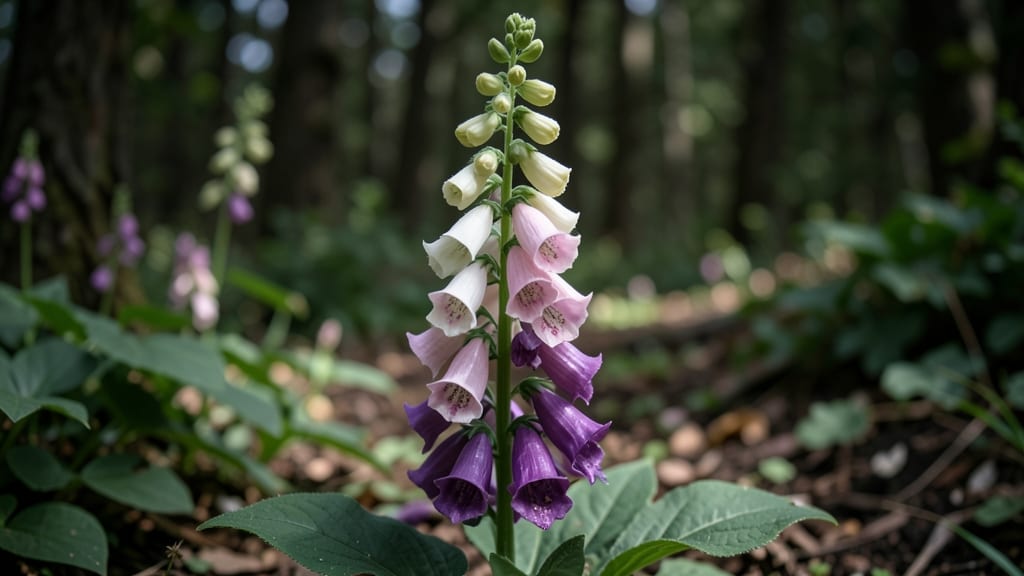
Want to add dramatic height to your shady garden without sacrificing bloom power? Foxglove (Digitalis purpurea) delivers towering spikes of bell-shaped flowers in white, pink, or deep purple—perfect for creating a cottage-garden focal point where other perennials fade.
These biennials or short-lived perennials thrive in partial shade (3-6 hours of sun) and prefer moist, well-draining soil enriched with compost. Plant seeds in early fall or transplant young plants in spring, spacing them 18-24 inches apart to accommodate their mature 3-5 foot height. Deadhead spent blooms to encourage a second flush, and avoid over-fertilizing—foxglove prefers nutrient-rich but not overly fertile soil. Their height and vertical structure make them ideal for borders, woodland edges, or as a dramatic backdrop for shorter perennials.
Bonus: Foxglove is a pollinator magnet, attracting bees and hummingbirds while adding whimsical charm to any shade garden. Perfect for cottage-style gardens, wildflower meadows, or as a dramatic centerpiece in containers. Just be mindful—foxglove is toxic if ingested, so keep it away from pets and children. 🌻
Sweet Woodruff for Ground Cover and Fragrance
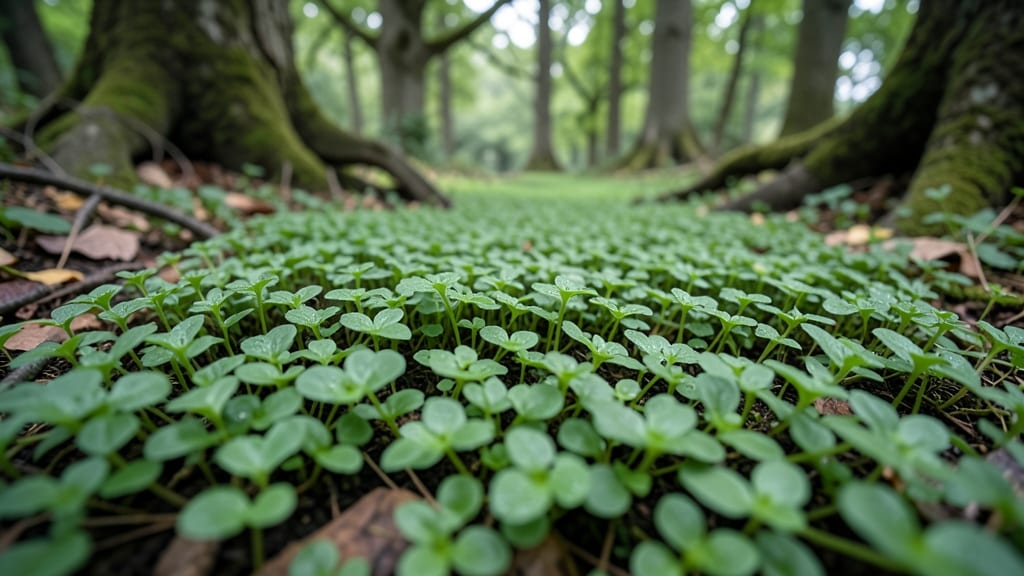
Craving a fragrant, evergreen ground cover that thrives where others fail? Sweet woodruff (Galium odoratum) is your secret weapon for shady spots under trees or along walkways. This low-growing perennial spreads quickly to create a lush, green carpet while releasing a delicate vanilla-like scent when crushed—especially after rain.
Plant it in partial to full shade with moist, well-draining soil, and it will reward you with delicate white flowers in spring followed by fragrant foliage year-round. Unlike invasive ground covers, sweet woodruff stays contained and even self-seeds gently. Mulch lightly to retain moisture, and watch it fill gaps between hostas or ferns effortlessly.
Perfect for woodland gardens, urban courtyards, or fragrant pathways, this plant is especially magical for gardeners who love sensory experiences. Plus, it’s deer-resistant and thrives in USDA zones 4-8, making it a reliable choice for cool climates. 🌿
Toad Lily for Unique Star-Shaped Blooms

When your shade garden seems to fade into summer’s end, toad lily (Tricyrtis) steps in as a dramatic late-season star. Its mysterious, star-shaped blooms in purple, white, or brown emerge in late summer to fall, when most perennials have already called it quits. This woodland native thrives where others struggle—deep shade under trees—and rewards you with delicate, fragrant flowers that glow in the twilight.
Plant toad lily in moist, well-draining soil enriched with organic matter, and it’ll spread slowly into clumping colonies over time. Its dark green, lance-shaped leaves provide year-round structure, while the unusual flowers attract pollinators like hummingbirds and bees. Varieties like ‘Miyako’ or ‘Hillside’ offer different bloom colors and heights, perfect for layered woodland gardens or shady borders.
Ideal for woodland gardeners, pollinator enthusiasts, or those craving late-season color, toad lily adds a touch of magic to forgotten corners. Pair it with hellebores or ferns for a moody, evergreen shade garden that stays stunning well into autumn. 🌷