
Tools
Struggling to make the most of shady garden spaces? Astilbe’s feathery plumes bring drama, texture, and vibrant color to dark corners—even in the toughest shade conditions. These 10 creative ideas prove how this versatile perennial can be the star of your garden’s underutilized areas.
Deep Purple Astilbe Clusters Against Black Boulders
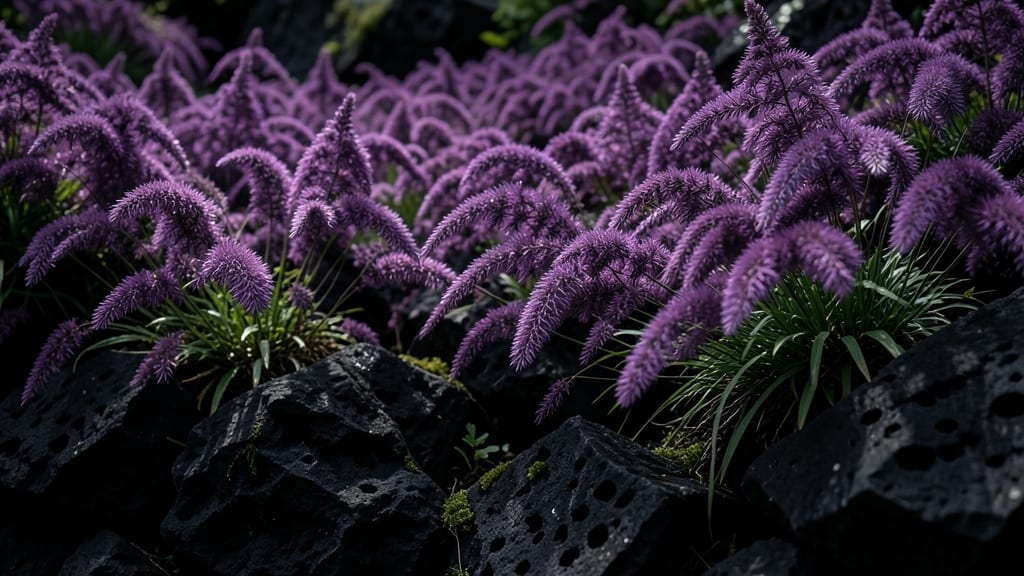
Turn your darkest garden corners into a dramatic art installation with deep purple astilbe cascading over black boulders. This high-contrast combo transforms gloomy shade into a moody, sophisticated focal point that feels both wild and refined—perfect for gardeners who crave visual impact without sacrificing low-light tolerance.
Start by selecting Astilbe 'Fanal' or 'Purple Haze' for their rich, velvety plumes that spill dramatically over dark volcanic rocks or slate. Pair them with hostas or heuchera for lush green foliage that makes the purple pop even more. Since astilbe thrives in dappled or full shade, this combo works beautifully under trees or along north-facing walls where other plants struggle.
This design is ideal for small-space gardeners or those with limited sunlight—no sun, no problem. The bold contrast creates instant drama, making it a standout feature even in the darkest corners of your garden. ✨
White Astilbe Border Along Woodland Pathways
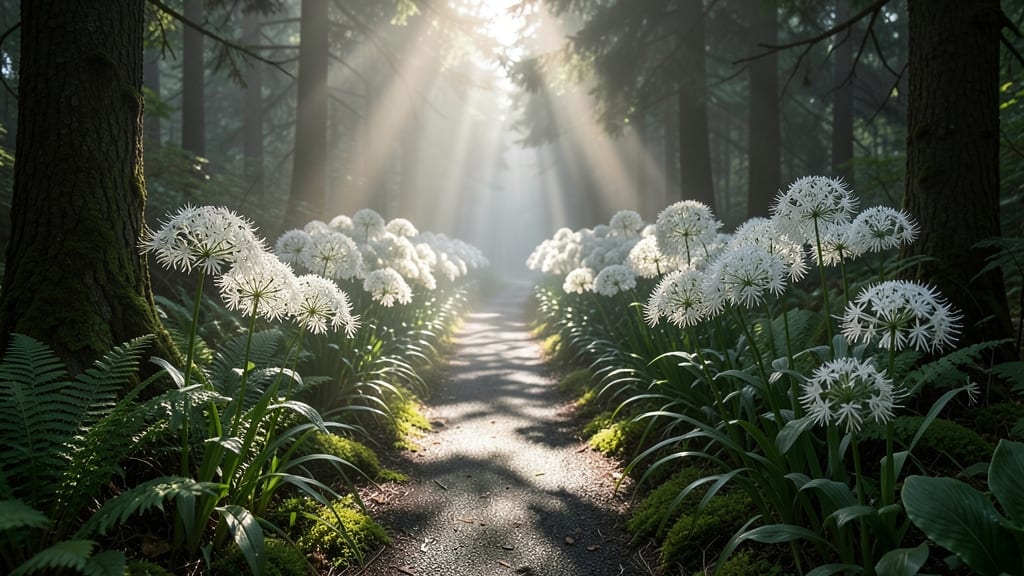
Transform narrow, shady pathways into enchanting woodland retreats with a white astilbe border—its airy plumes create a dreamy, light-reflecting canopy that softens harsh edges. Unlike bold focal points, this delicate planting whispers elegance while guiding visitors through your garden with a natural, flowing rhythm.
Plant white astilbe varieties like 'Snowdrift' or 'Fanal' along both sides of your walkway, spacing them 12-18 inches apart for a lush, cascading effect. Pair them with moss-covered stepping stones or low-growing ferns to maintain the woodland aesthetic while preventing tripping hazards. Mulch with shredded bark to suppress weeds and retain moisture—critical for shady, moisture-retentive soils where astilbe thrives.
This design is ideal for gardeners seeking a low-maintenance yet high-impact solution that enhances natural beauty without overwhelming small spaces. The reflected light from white blooms will make your pathway feel brighter and more inviting. 🌿
Terracotta Pots With Mixed Astilbe Heights
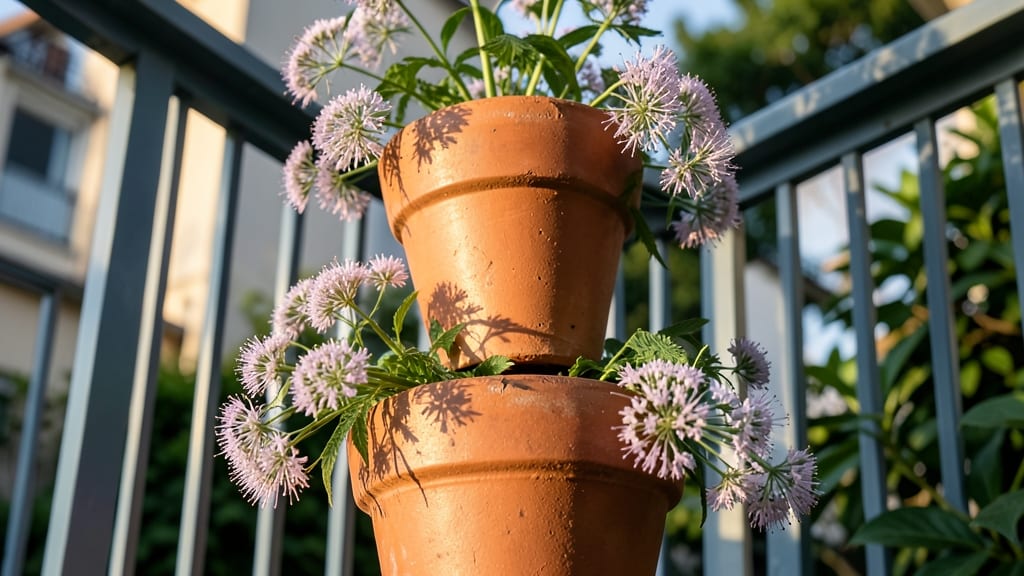
Balconies and patios with limited space can still shine with astilbe—just stack your pots! Using terracotta containers in varying heights creates a stunning vertical display while keeping your shade-loving plants thriving. The rustic charm of clay pots contrasts beautifully with the soft plumes of astilbe, adding texture and color to even the smallest outdoor areas.
Start with a tall pot (12-14 inches) for bold varieties like ‘Fanal’ (deep red) at the back, then add a medium pot (8-10 inches) with ‘Deutschland’ (lavender) in the middle, and finish with a low, wide pot (6-8 inches) for ‘Bridal Veil’ (white) at the front. Place them on a rustic wooden stand or stack them directly to save space. Ensure each pot has drainage holes and use a well-draining potting mix to prevent soggy roots—astilbe hates wet feet!
This tiered approach works perfectly for urban gardeners or anyone with limited ground space. The vertical arrangement draws the eye upward, making your patio feel more expansive while keeping maintenance simple. Plus, the warm terracotta tones complement astilbe’s vibrant blooms beautifully. 🌻
Astilbe And Hostas In Layered Shade Beds
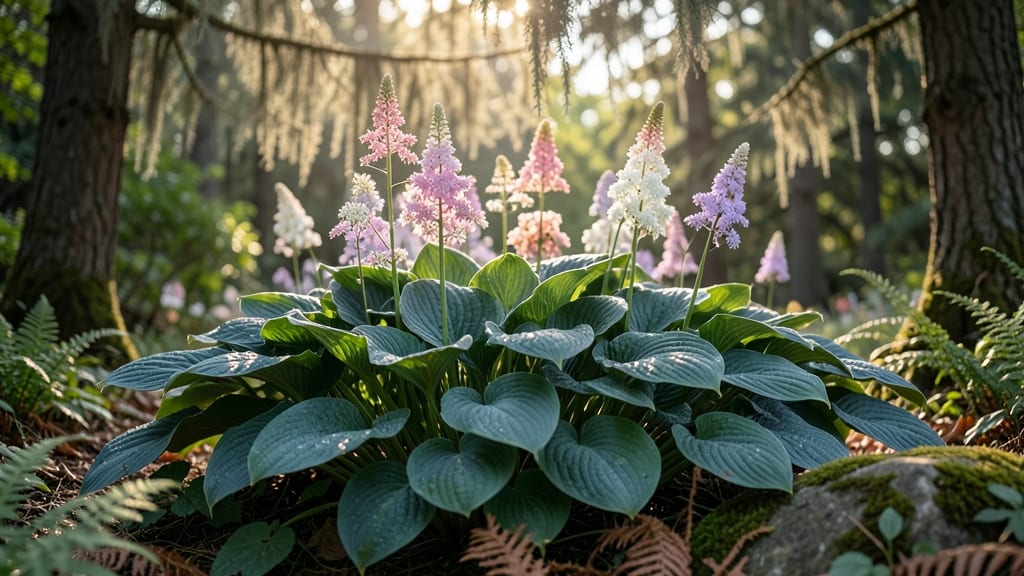
Create a lush, low-maintenance shade garden that feels like a secret woodland retreat by pairing hostas with astilbe. This classic duo thrives together—hostas provide bold, textured foliage as a foundation, while astilbe’s feathery plumes add height and seasonal color bursts from spring through summer. The contrast between hosta’s broad leaves and astilbe’s airy blooms creates natural layers that draw the eye through your garden.
Start by planting hostas in the back row for their sturdy, upright growth, then tuck astilbe varieties like 'Deutschland' (lavender) or 'Bridal Veil' (white) in front for cascading texture. Space them 12-18 inches apart to allow both plants to spread comfortably. Mulch with shredded bark to retain moisture—critical for shade beds where soil stays damp. This combo works beautifully in partial to full shade, making it perfect for areas under trees or along north-facing walls.
This design is ideal for beginner gardeners or those with limited sunlight—hostas and astilbe are both drought-tolerant once established and require minimal fuss. The layered look adds depth to flat spaces, while the color variation keeps your garden feeling vibrant all season long. 💚
Dwarf Astilbe For Rock Garden Edging
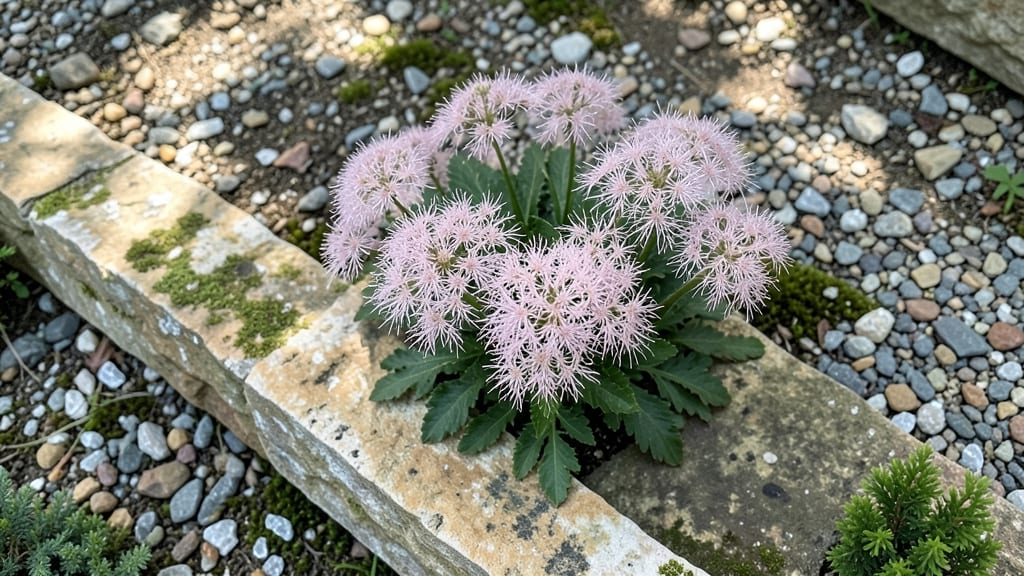
Tiny gardens and alpine landscapes deserve big personality too—and dwarf astilbe delivers with its miniature feathery plumes that add delicate texture without stealing the show. These compact varieties (like 'Pumila' or 'Little Pink') reach just 6-12 inches tall, making them perfect for edging rock gardens, filling crevices between stones, or softening the edges of alpine plantings.
Plant them in well-draining soil mixed with sand or gravel to mimic their natural rocky habitats, and place them where they’ll receive morning sun or dappled shade—they’ll reward you with season-long blooms from early summer through fall. Pair them with moss, miniature hostas, or tiny sedums to create a lush, miniature woodland scene that thrives in containers or directly in the ground.
This design is ideal for urban gardeners, fairy garden enthusiasts, or anyone with limited space—it’s the secret weapon for adding color and movement to tiny landscapes without overwhelming them. 🌷
Astilbe As Cut Flowers In Shady Vases
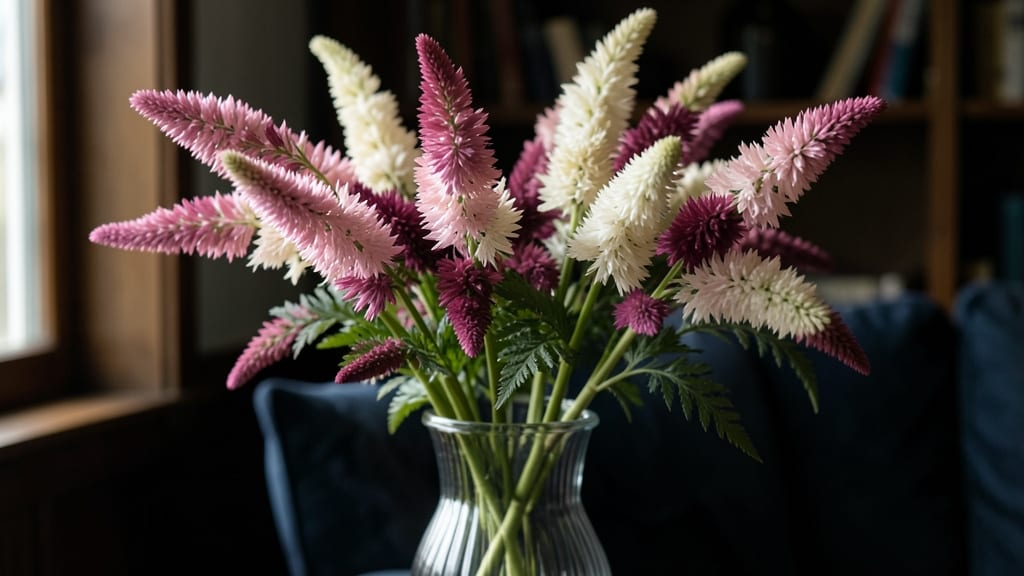
Bring the garden’s soft elegance indoors with astilbe as cut flowers—a secret weapon for brightening dimly lit rooms where other blooms wilt within days. Unlike sun-loving cut flowers that droop in low light, astilbe thrives in shady spaces and keeps its feathery plumes fresh for 10-14 days in a vase, making it perfect for bathrooms, offices, or north-facing windowsills.
Harvest stems when half the blooms open for maximum vase life, and pair them with eucalyptus or ferns to extend freshness. For best results, trim stems at an angle and place in lukewarm water—astilbe hates cold water, which can cause premature wilting. Varieties like ‘Deutschland’ (lavender) or ‘Fanal’ (deep red) hold their color beautifully in indoor light.
This is the ideal solution for urban apartment dwellers or anyone who wants to enjoy their garden’s beauty year-round without sacrificing shade-loving plants. Just snip a few stems, and you’ll have living decor that brightens even the gloomiest corners. 💚
Astilbe And Ferns Under Tree Canopies
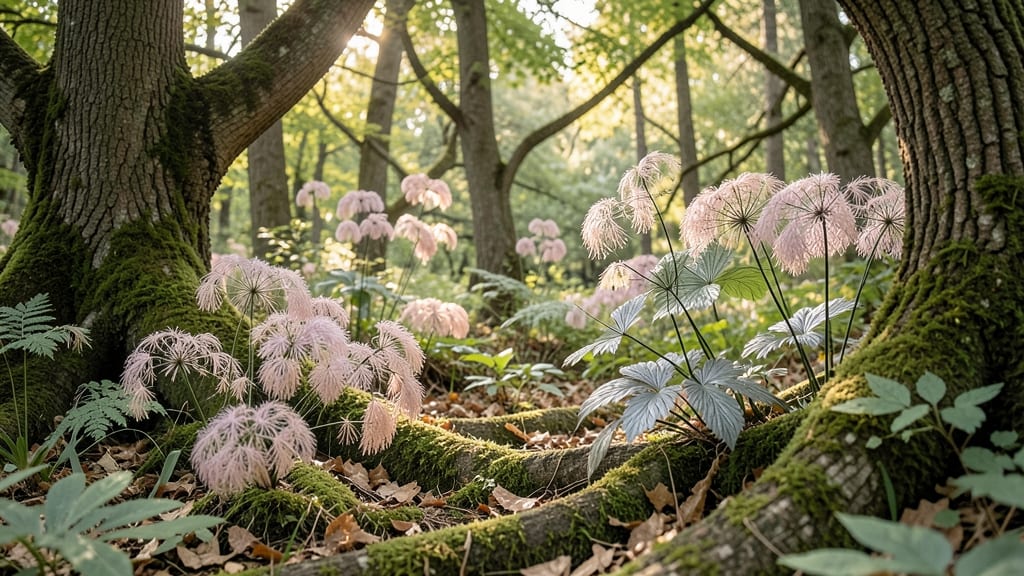
Create a whimsical woodland retreat under your trees by pairing astilbe with ferns—a dynamic duo that thrives in the dappled light beneath canopies. This naturalistic combo mimics the lush understory of forests, where delicate maidenhair ferns and Japanese painted ferns provide fine texture, while astilbe’s feathery plumes add height and seasonal color.
Start by planting astilbe varieties like 'Deutschland' (lavender) or 'Bridal Veil' (white) alongside Ostrich ferns or Christmas ferns for year-round interest. Use a mulch of shredded bark to suppress weeds and retain moisture, which both plants love. Space them 12-18 inches apart to allow their foliage to intertwine naturally, creating a soft, layered effect that feels untamed yet intentional.
This design is perfect for gardeners who love low-maintenance, high-impact plantings that require minimal intervention. The combination of ferns and astilbe brings movement and texture to shady spots, making even the darkest corners feel alive and inviting. 🌿
Astilbe Color Blocking In Shady Containers
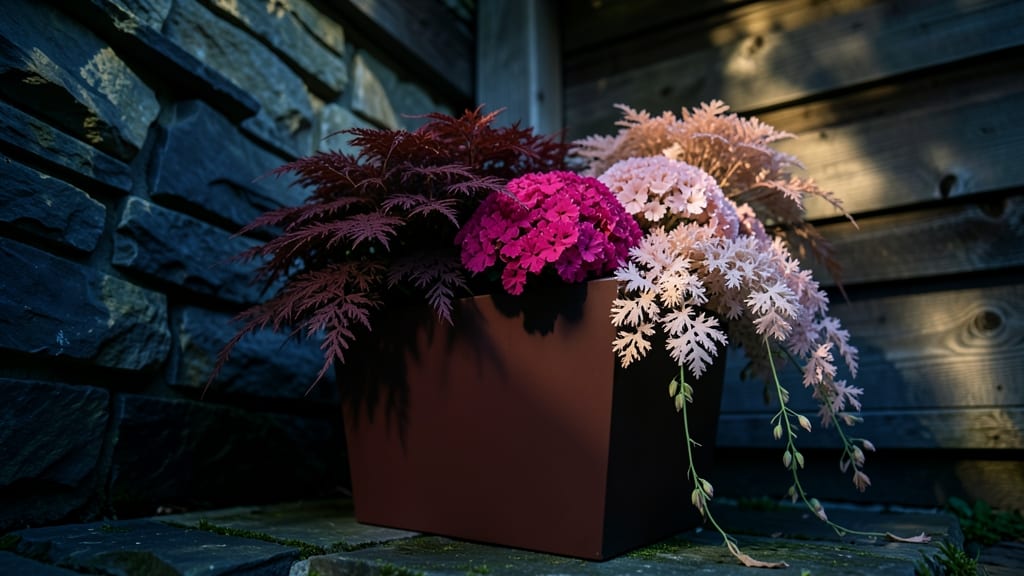
Brighten up dark patios or entryways with a color-blocked astilbe container—a bold design trick that turns gloomy spaces into vibrant focal points. By combining three astilbe varieties in one planter, you create a striking visual contrast that’s impossible to ignore, even in the shadiest corners of your garden.
Start with a large rectangular planter (at least 12 inches deep) and arrange purple ('Fanal'), white ('Bridal Veil'), and pink ('Deutschland') astilbe in distinct geometric sections. Use a moisture-retentive potting mix with added compost to keep roots happy, and place the container where it receives 4-6 hours of filtered light daily. For extra drama, pair it with a black metal frame or concrete surface to make the colors pop even more.
This technique is perfect for urban gardeners or anyone with limited space who wants to make a big impact. The structured arrangement adds modern flair while keeping maintenance simple—just water regularly and deadhead spent blooms for continuous color all season. 💚
Astilbe And Coral Bells For Season-Long Interest
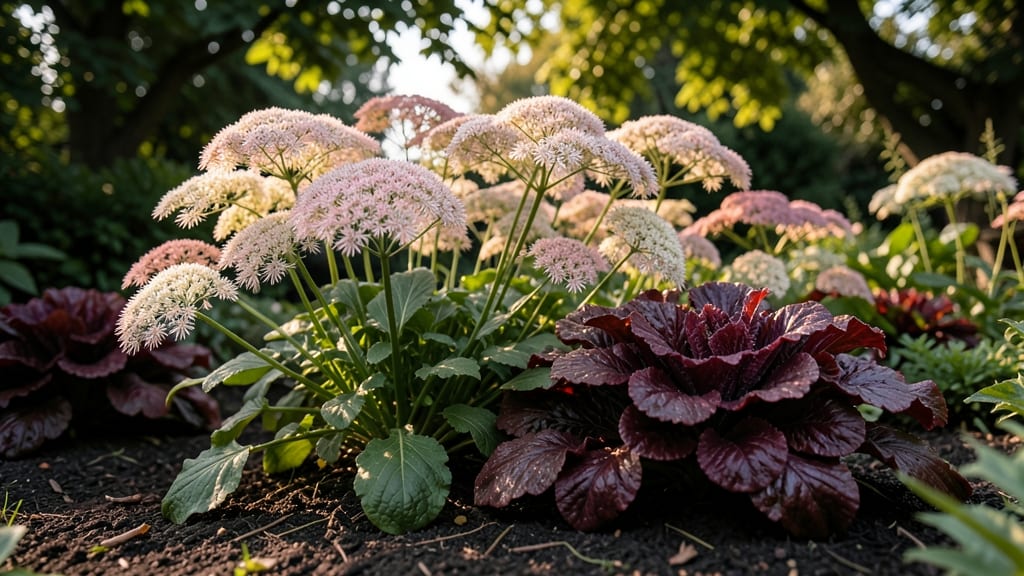
Want a shade garden that stays vibrant from spring through fall? Pair astilbe with coral bells (Heuchera) for a dynamic duo that delivers season-long color without needing full sun. Astilbe’s feathery plumes burst into bloom in early summer, while coral bells’ striking foliage (in shades of burgundy, lime, or silver) keeps the show going well into autumn—even after astilbe’s flowers fade.
Plant astilbe varieties like 'Deutschland' (lavender) or 'Fanal' (deep red) alongside coral bells with contrasting foliage, such as 'Palace Purple' (dark purple) or 'Lime Rickey' (chartreuse). Both thrive in partial to full shade, making them ideal for under trees or north-facing beds. To maximize their partnership, group them in clusters of 3-5 plants spaced 12-18 inches apart, and mulch with shredded bark to retain moisture—critical for their shallow roots.
This combo is perfect for gardeners with limited sunlight who want year-round interest without high maintenance. The textural contrast between astilbe’s airy blooms and coral bells’ bold leaves creates a layered look that feels lush and intentional. 💚
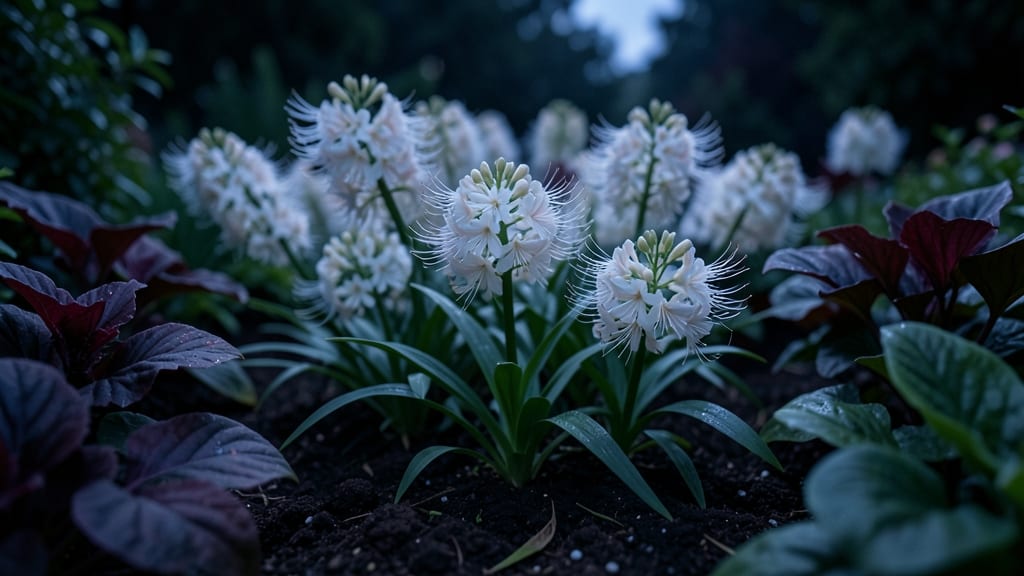
Astilbe As A Moon Garden Centerpiece

Turn your garden into a nocturnal paradise with pale astilbe varieties that glow under moonlight like magical lanterns. Unlike daytime gardens, this design focuses on ethereal textures and soft lighting—where white and blush astilbe plumes catch the moon's glow, creating a dreamy, almost luminescent effect perfect for completely shaded spaces that never see sunlight.
Start with white astilbe varieties like 'Bridal Veil' or 'White Glow,' which reflect moonlight beautifully, and pair them with silver foliage plants like lamb's ear or dusty miller for extra shimmer. Plant them in moist, well-draining soil under trees or along north-facing walls where they’ll thrive in deep shade. For maximum impact, group them in clusters of 5-7 plants to create a soft, glowing halo when the moon rises.
This design is perfect for nighttime gardeners, romantic gardeners, or anyone with a love for moonlit magic. It transforms forgotten shade corners into enchanting focal points that come alive after dark—proving that the best gardens aren’t just for daytime. ✨