
Light Requirements
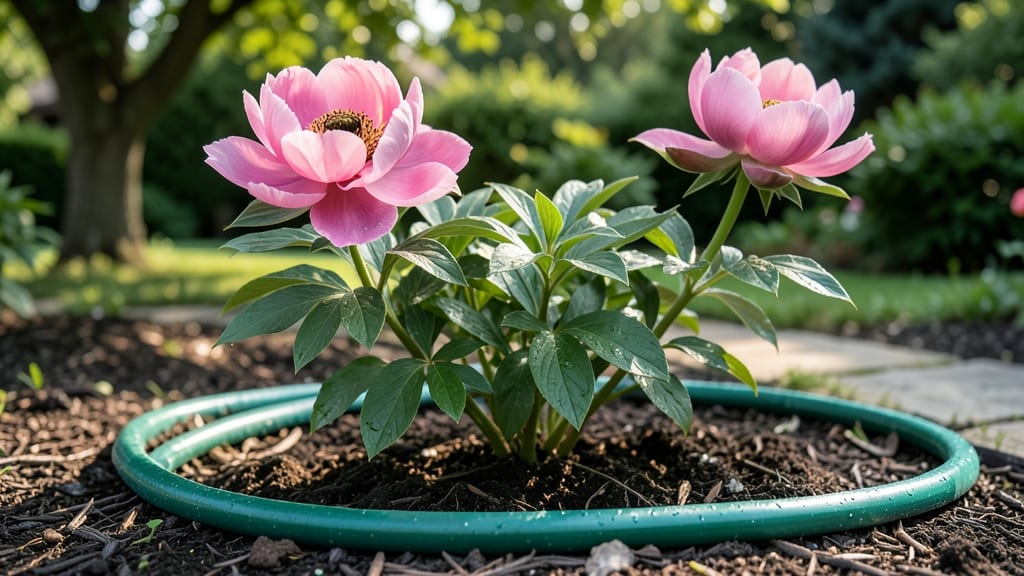
Peonies thrive in full sun or shade—but the right balance is the secret to their legendary blooms 🌸. You’ve probably seen them struggling in your garden: wilted stems, sparse flowers, or leaves that crisp under the midday heat.
Here’s the truth: most peonies need at least 6 hours of sunlight daily, but too much scorching afternoon sun can backfire—especially in hotter zones. The trick? Morning sun and afternoon shade, or a gentle dappled light in climates where the sun is relentless.
In this guide, I’ll break down exactly how much light your peonies need, how to spot when they’re getting it wrong, and the simple fixes to keep them blooming like a pro. No more guesswork—just vibrant, healthy peonies year after year.
Whether you’re in a sunny border or a shadier spot, you’ll learn how to tweak their environment for maximum bloom power, no matter your zone. Let’s get those peonies shining!

Peony light requirements: full sun vs. partial shade explained
Peonies thrive when given the right amount of sunlight, but their needs vary dramatically between herbaceous and tree peonies. Too much intense afternoon sun can scorch delicate foliage, while insufficient light leads to weak stems and fewer blooms.
Understanding the nuances—like how morning sun differs from brutal afternoon heat—will help you position your peonies for maximum bloom power. Let’s break down the ideal light conditions for each type and how your local climate plays a role.
Most peonies prefer 6 to 8 hours of sunlight daily, but the type of light matters just as much as the duration. Morning sun (before 10 AM) is gentler and ideal for building plant strength, while afternoon sun (after 2 PM) can cause heat stress in hot climates.
Tree peonies, in particular, tolerate more direct sun than their herbaceous cousins, but even they benefit from afternoon shade in zones 7-8 where temperatures soar. Let’s compare how these factors influence peony performance.
Herbaceous peonies—like the classic 'Sarah Bernhardt' or 'Bowl of Beauty'—flourish with morning sun and afternoon shade, especially in southern climates. These varieties prioritize cool roots and bright blooms, so positioning them near tall shrubs or walls that cast shade after 2 PM can prevent leaf scorch.
In USDA zones 3-5, they handle full sun beautifully, but even here, a light breeze to cool the foliage helps.
Tree peonies, such as 'Koi No Ue' or 'Bai Tao', are hardier and can take full sun all day in most regions. Their thick, leathery leaves resist heat better, making them ideal for zones 6-8.
However, even tree peonies benefit from 30% afternoon shade in the deepest South (zone 9+) to prevent bud drop. Think of them as the sun-loving cousins of herbaceous types.
Your local climate dictates whether you should lean toward full sun or partial shade. In cooler zones (3-5), peonies thrive in full sun with no afternoon protection needed. But in hot zones (7-8)2-4 hours of afternoon shade.
Pay attention to microclimates—a north-facing wall or large tree can create the perfect shaded spot just a few feet away from full sun.
Color also plays a subtle role in light needs. Dark pink and red peonies (like 'Coral Charm') often tolerate more sun than pale varieties (like 'Duchesse de Nemours'), which may bleach in intense light.
If you’re unsure, start with partial shade and gradually increase sun exposure over 2-3 years to avoid shocking the plant. This slow acclimation mimics natural conditions and reduces stress.
One common mistake is assuming "partial shade" means deep shade. Peonies need bright, indirect light—think dappled sunlight under a canopy of trees, not the dim corner of your garden. If your peonies are already planted in full shade, they’ll likely produce fewer blooms and longer, leggy stems.
In this case, consider pruning nearby trees or moving them to a sunnier spot in early fall when roots are less active.
For container-grown peonies, light needs shift slightly. Pots heat up faster, so morning sun is critical to prevent root stress. If your patio gets intense afternoon sun, use a light-colored container (which reflects heat) and move it to a shadier spot by 1 PM.
This small adjustment can mean the difference between vibrant blooms and wilting leaves.
Remember, peonies are perennials with long lifespans—sometimes 50+ years! Getting their light needs right from day one ensures they’ll reward you with
How to adjust light conditions for maximum peony blooms
Peonies thrive with 6+ hours of sunlight daily, but too much direct sun—especially in hot climates—can cause leaf scorch or reduced blooms. If your garden has intense afternoon sun (like in Zone 7-8), you’ll need to create filtered light to protect their delicate foliage.
Conversely, peonies in low-light spots may produce fewer flowers or flop under weak stems.
Adjusting light isn’t just about planting location—it’s about strategic garden design. Whether you’re battling scorching sun or shady corners, these solutions will help your peonies reach their full bloom potential every spring.
🌿 Peony Light Adjustments: Quick Fixes
- For Too Much Sun: Use 30-50% shade cloth (white or silver) to filter harsh rays while allowing 6+ hours of light.
- For Partial Shade: Plant reflective mulch (like gravel) or use mirror panels to bounce light onto peony beds.
- Prune Overhead Trees: Thin branches to open the canopy and let dappled light reach peonies by late winter.
- Seasonal Tweaks: Move potted peonies to sunnier spots in spring and partial shade in summer to prevent stress.
- Companion Plants: Pair peonies with tall grasses (like Miscanthus) to break wind and reduce sun exposure.
If your peonies are in a hot, exposed area, start with shade cloth during peak sun hours (11 AM–3 PM). I’ve seen herbaceous peonies in Zone 8 thrive under 50% shade cloth while still producing dozens of blooms.
For tree peonies, which are slightly more sun-tolerant, opt for 30% shade cloth to prevent leaf burn.
For gardens with limited sunlight, strategic planting is key. Place peonies near south-facing walls or east-west garden borders to maximize indirect light. Even 2-3 hours of direct morning sun can boost flowering when combined with bright, reflective surfaces like white gravel or light-colored mulch.
Don’t forget seasonal adjustments! In summer’s peak heat, peonies benefit from afternoon shade—even if they love full sun in spring. I’ve had success using movable shade sails over peony beds in July to prevent wilting while keeping them sun-happy in cooler months.
With these tweaks, your peonies will reward you with lush foliage and bountiful blooms year after year. The secret? Balance—just like Goldilocks’ porridge, peonies need their light just right! 🌸