
Landscaping
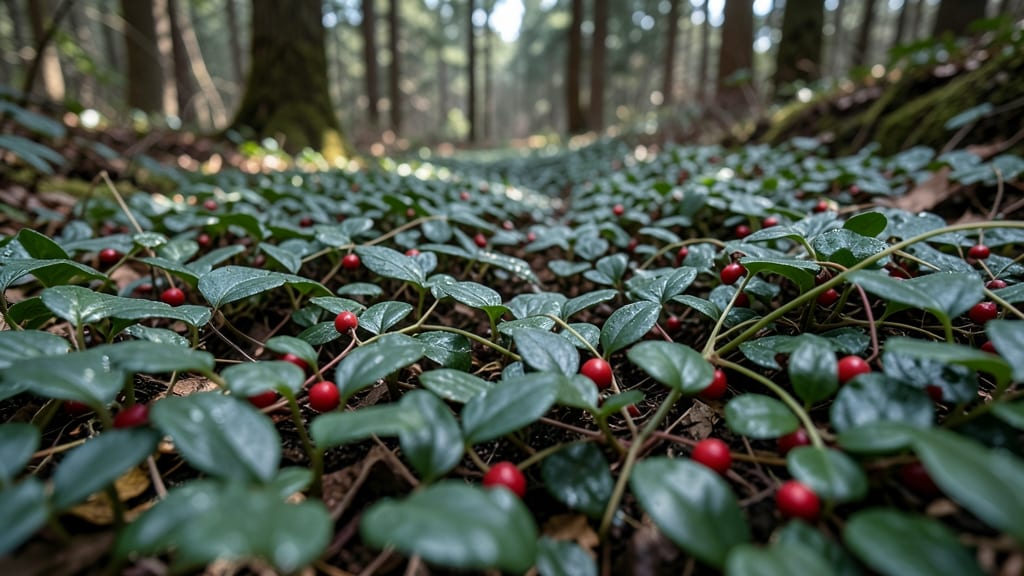
Transform your shady garden into a lush woodland retreat with these 10 layered plant combinations. These low-light thrivers create natural beauty while requiring minimal maintenance—ideal for understory areas, north-facing yards, or dense forest edges.
Classic Fern and Hostas Foundation Layer
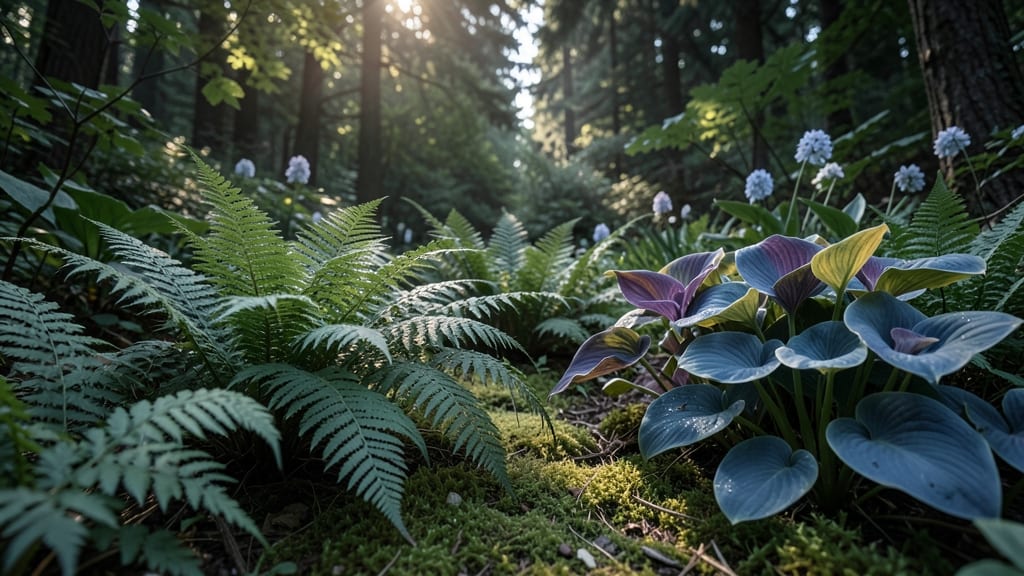
If you're working with deep shade areas that seem impossible to garden, ferns and hostas are your secret weapon. This classic duo creates a lush, textured foundation that thrives where sunlight barely reaches—while looking effortlessly natural. The key lies in their contrasting textures: delicate fern fronds against hosta's bold foliage patterns.
Start with ostrich ferns or Japanese painted ferns for height and movement, then fill gaps with hostas like 'Blue Angel' or 'Halcyon' for vibrant color. Both plants spread slowly but densely, crowding out weeds naturally. Mulch with shredded leaves to retain moisture and protect roots—critical in shady conditions where soil stays damp longer.
This combination is perfect for beginners or busy gardeners who want low-maintenance beauty without sacrificing impact. The ferns add vertical interest while hostas provide year-round color, making it a woodland staple that never goes out of style. 🌿
Wild Ginger and Bleeding Heart Ground Cover
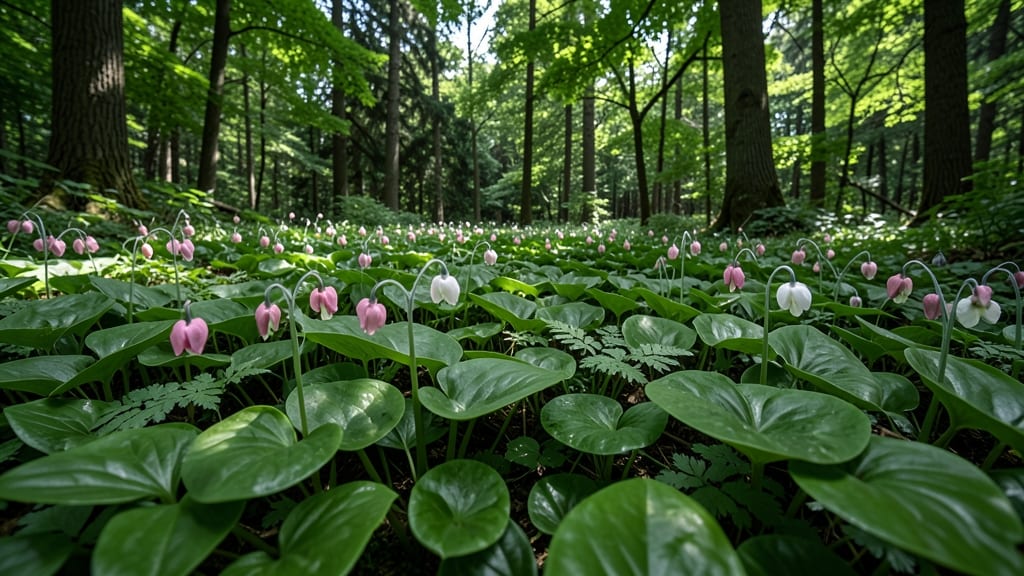
Want a woodland garden that feels alive with fragrance and movement? Pair wild ginger (Asarum canadense) with bleeding heart (Dicentra spectabilis) for a fragrant, spreading ground cover that thrives in moist, shady spots. The glossy, heart-shaped leaves of wild ginger create a lush base, while bleeding heart’s delicate pink or white flowers arch above in late spring.
Both plants love consistently moist soil and dappled shade, making them perfect for woodland edges or under deciduous trees. Wild ginger spreads slowly but reliably, while bleeding heart self-seeds gently, creating a natural, layered effect. For best results, plant them in clusters of 3-5 to encourage fuller growth, and mulch with leaf litter to retain moisture and suppress weeds.
This combination is ideal for gardeners seeking low-maintenance beauty with a touch of whimsy—wild ginger’s subtle spicy scent and bleeding heart’s romantic blooms make it a standout in any woodland shade garden. 🌿
Japanese Painted Fern and Solomon's Seal
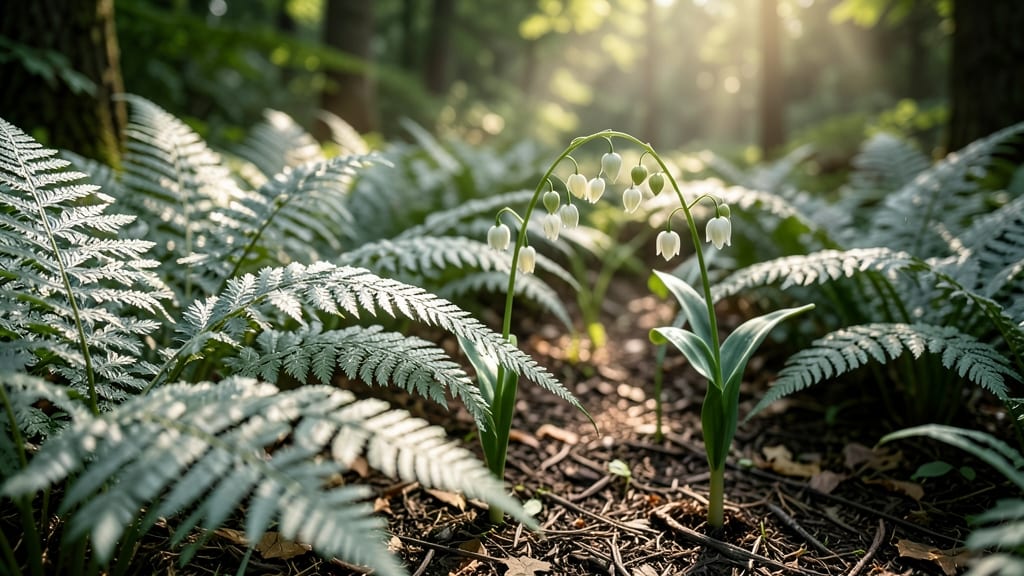
Want a woodland shade garden that feels like a living painting? The Japanese painted fern (Athyrium niponicum) and Solomon's seal (Polygonatum) create a stunning contrast that dances between silver and green while adding movement to your space.
This duo thrives in partial to full shade, with the fern’s delicate, silvery-edged fronds cascading beside Solomon’s seal’s graceful, arching stems. In late spring, the seal produces dangling white flowers that attract pollinators, while the fern’s foliage adds texture year-round. Plant them together for a vertical focal point that brings depth and seasonal interest without needing sunlight.
Perfect for gardeners who love low-maintenance elegance, this pair is ideal for borders, woodland edges, or understory plantings. Their contrasting heights and colors make them a standout in any shade garden. ✨
Heuchera and Coral Bells Textured Mix
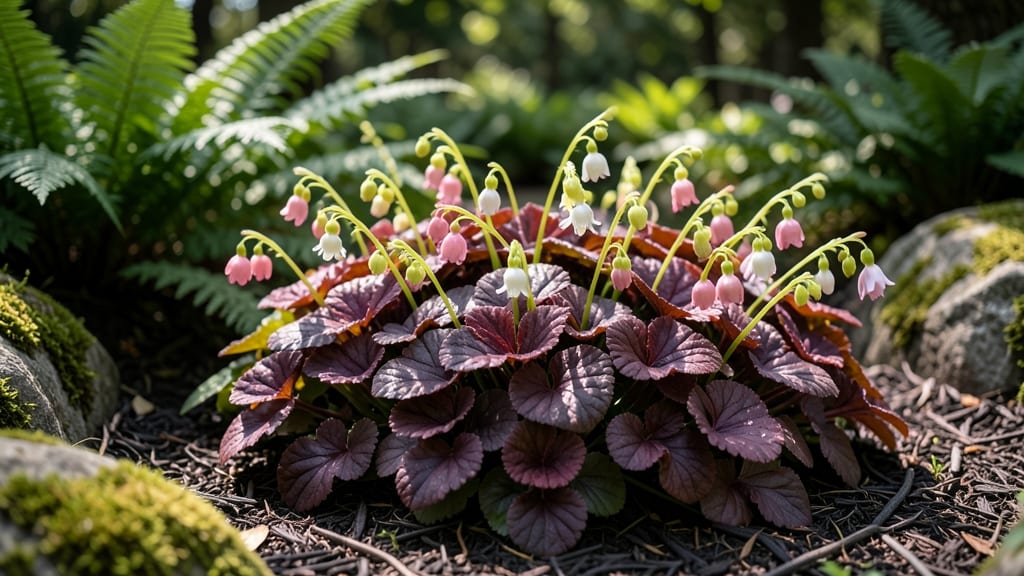
Looking for a shade garden that stays vibrant even when other plants fade? The heuchera and coral bells mix delivers year-round color with minimal effort—no summer wilting or boring winter beds in sight.
Start with heuchera varieties like 'Palace Purple' or 'Lime Rickey' for bold foliage in burgundy, lime, or silver tones. Pair them with coral bells (Heucherella), which produce delicate pink or white flowers in late spring and early summer. Both thrive in partial to full shade, making them perfect for east-facing beds or forest edges. Use fine gravel mulch to preserve their vibrant hues and deter weeds while keeping moisture levels consistent.
This combination is ideal for gardeners who want low-maintenance beauty without sacrificing visual impact. The contrasting textures and colors create movement in shady spots, making it a standout choice for woodland-inspired designs. 🌟
Trillium and Foamflower Woodland Floor
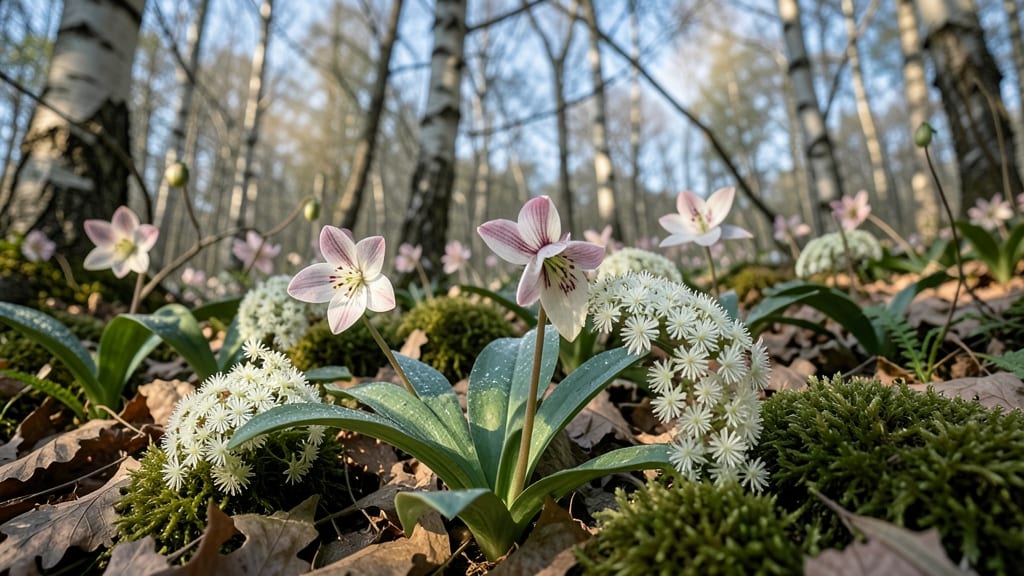
Want to capture the magic of a spring woodland walk right in your own garden? Trillium and foamflower create a fleeting but unforgettable understory display that disappears by early summer—just like nature intended. These spring ephemerals emerge when light conditions are perfect, blooming before the canopy fully leafs out.
Plant trillium (like the iconic white or marbled varieties) alongside foamflower (Tiarella cordifolia) for a dreamy contrast: trillium's bold, three-petaled blooms paired with foamflower's lacy white flower clusters. Both thrive in dappled shade with moist, well-draining soil—ideal for woodland edges or beneath deciduous trees. Let them naturalize: their self-seeding habit creates a gradual, organic carpet over time.
This combination is perfect for gardeners who love seasonal drama without year-round upkeep. The fleeting blooms make every spring visit special, while the foliage adds subtle texture until summer shade takes over. 🌷
Sweet Woodruff and Lungwort Moisture Lovers
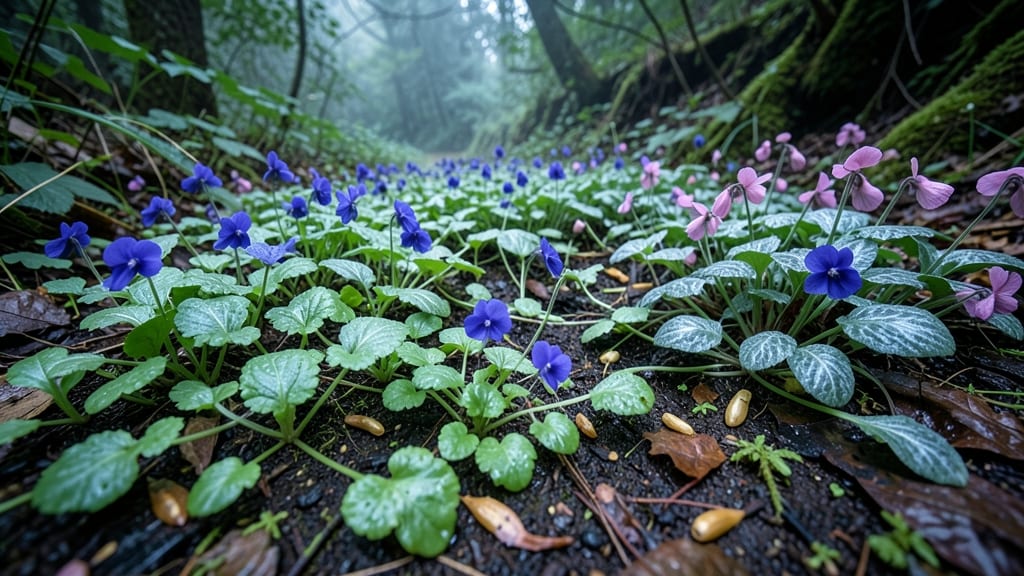
Struggling with a damp, shady corner that feels impossible to garden? Sweet woodruff and lungwort turn soggy spots into fragrant, thriving havens. Their lush foliage and delicate blooms create a self-sustaining ground cover that loves moisture—perfect for woodland edges, rain gardens, or areas near downspouts.
Sweet woodruff's tiny white star-shaped flowers release a vanilla-like scent when crushed, while lungwort's silver-spotted leaves add striking texture. Both spread slowly but reliably, forming a dense mat that suppresses weeds. Plant them together in clusters for maximum impact, and mulch with leaf litter to maintain consistent moisture levels.
This combination is ideal for gardeners who want low-maintenance beauty in challenging conditions—no drainage issues required! The fragrant foliage and delicate flowers make it a standout for pollinators and sensory gardens alike. 💚
Dwarf Maple and Boxwood Structural Layer
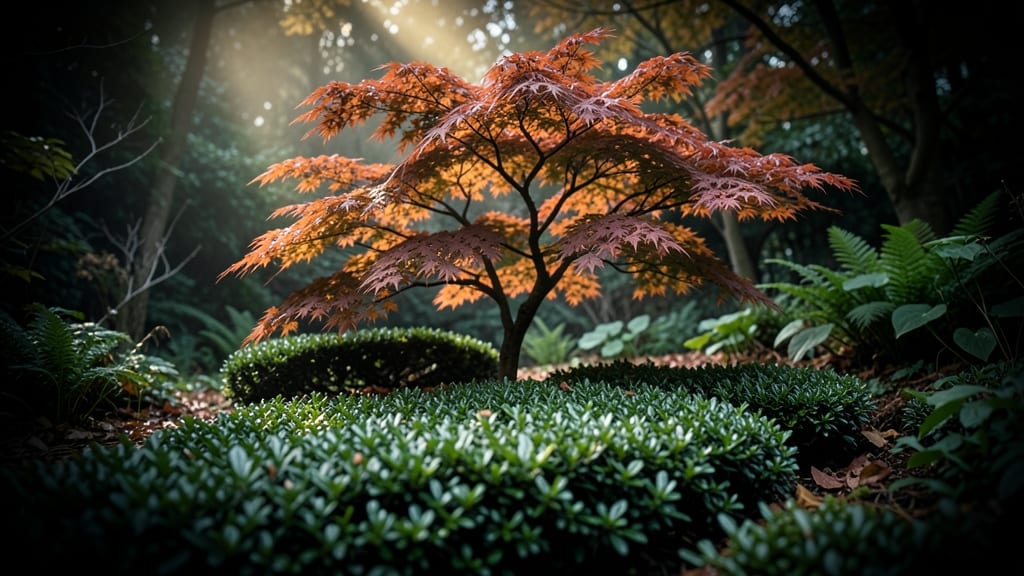
Struggling to add height and structure to your woodland shade garden without sacrificing seasonal interest? A dwarf maple paired with boxwood creates a striking architectural framework that works year-round. The boxwood's dense, evergreen foliage provides a solid base, while the dwarf maple's fiery fall colors deliver a dramatic seasonal punch—think deep reds and oranges that contrast beautifully with the boxwood's dark green.
Plant dwarf Japanese maple varieties like 'Emperor 1' or 'Bloodgood' (3-5 feet tall) alongside boxwood cultivars such as 'Green Velvet' or 'Winter Gem' for a polished, layered look. Both thrive in partial to full shade and tolerate moist, well-drained soil—ideal for woodland edges or understory plantings. Prune boxwoods lightly in spring to maintain their shape, while maples require minimal care beyond occasional leaf cleanup.
This combination is perfect for gardeners who want structured elegance with minimal effort, especially in formal or cottage-style woodland gardens. The contrast between evergreen and deciduous plants ensures your garden stays visually compelling from spring through winter. ✨
Solomon's Plume and Astilbe Flowering Height
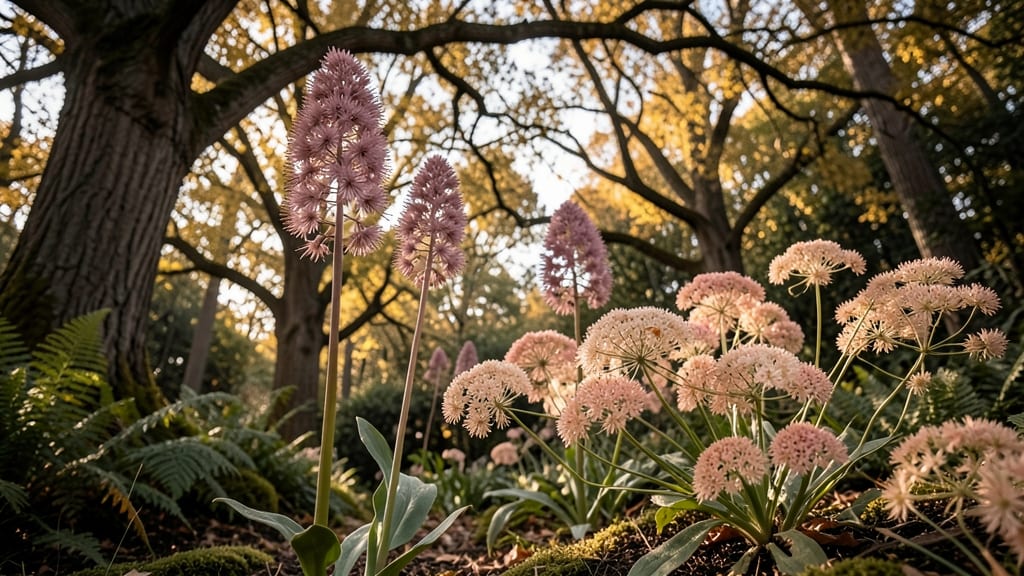
When most shade gardeners have packed away their shears for the season, Solomon's plume (Majesty series) and astilbe are just getting started. These late-season stars burst into bloom from late summer through fall, extending your woodland garden's drama when other plants have already called it quits.
Solomon's plume reaches 3-5 feet tall with feathery plumes in shades of pink, white, or purple, while astilbe adds 2-4 feet of fluffy texture in deep purples, pinks, or whites. Both thrive in partial to full shade and moist, well-draining soil—perfect for woodland edges or understory plantings. For maximum impact, plant them together in groups of 3-5, using dark mulch to enhance their vibrant colors and retain moisture.
This combination is ideal for gardeners who want extended seasonal interest without extra effort. Their contrasting heights and bloom times create a dynamic vertical display that keeps your shade garden looking fresh well into autumn. 🌻
Moss and Liverwort Living Carpet
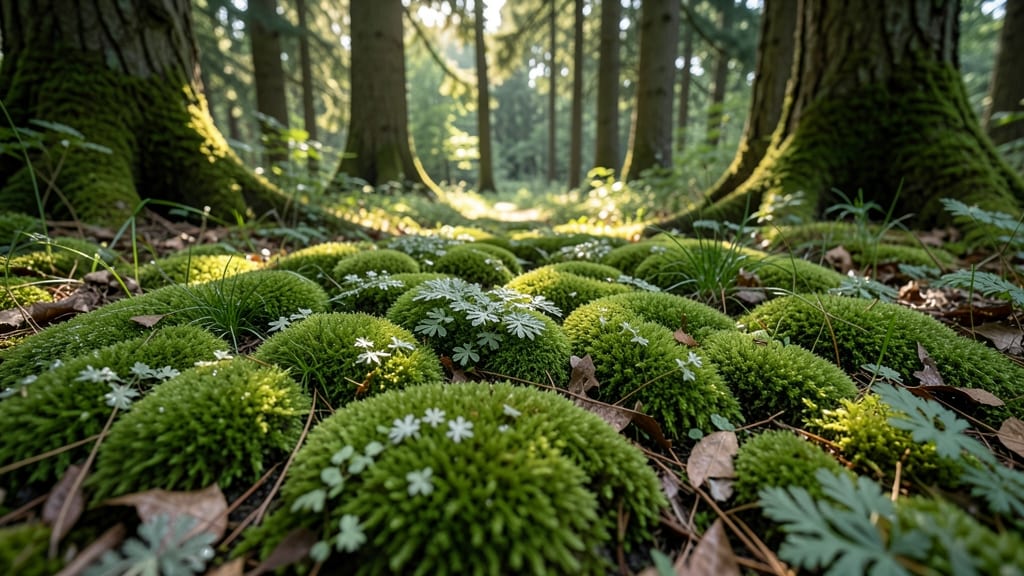
Tired of battling weeds in your deep shade garden? Skip the ground covers that demand watering and upkeep—moss and liverwort are nature’s answer. These ancient plants create a lush, velvety carpet that thrives where sunlight barely reaches, outcompeting weeds while adding a prehistoric charm to your woodland garden.
Start by selecting a mix of moss species like feather moss or cushion moss for texture, paired with liverworts for their unique, leafy growth. They prefer moist, acidic soil and benefit from occasional misting to keep them hydrated. Spread a thin layer of sphagnum peat moss or leaf litter as mulch to create the ideal microclimate, then let them spread naturally—no digging or dividing required.
This combination is perfect for urban gardeners with shady patios or anyone who wants a low-maintenance alternative to traditional lawns. The soft textures and earthy tones make it a standout in woodland-inspired designs, while its ability to thrive in year-round shade makes it a true workhorse for the garden. 🌿
Wintergreen and Partridge Berry Evergreen Spreaders

Tired of winter gardens that look bare and forgotten? Wintergreen (Gaultheria procumbens) and partridge berry (Mitchella repens) are the unsung heroes of evergreen shade gardens, offering year-round color and texture without a single deciduous leaf in sight. Their glossy, dark green foliage stays vibrant through snow, while wintergreen's bright red berries add a pop of color that birds adore.
These two plants thrive in deep shade to partial sun, making them perfect for woodland edges, understory plantings, or north-facing beds. Wintergreen spreads slowly via underground runners, creating a dense, weed-suppressing mat, while partridge berry trails gracefully, adding movement to rock gardens or woodland borders. Both prefer well-drained, acidic soil—ideal for areas with leaf litter or pine mulch—and tolerate dry conditions once established. For best results, pair them with ferns or hostas to create a lush, layered woodland floor.
This combination is ideal for gardeners seeking low-maintenance beauty that stays stunning through all seasons. The berries provide winter interest for wildlife, while the evergreen foliage ensures your garden never looks dull—even when other plants have gone dormant. 💚