
Shrubs
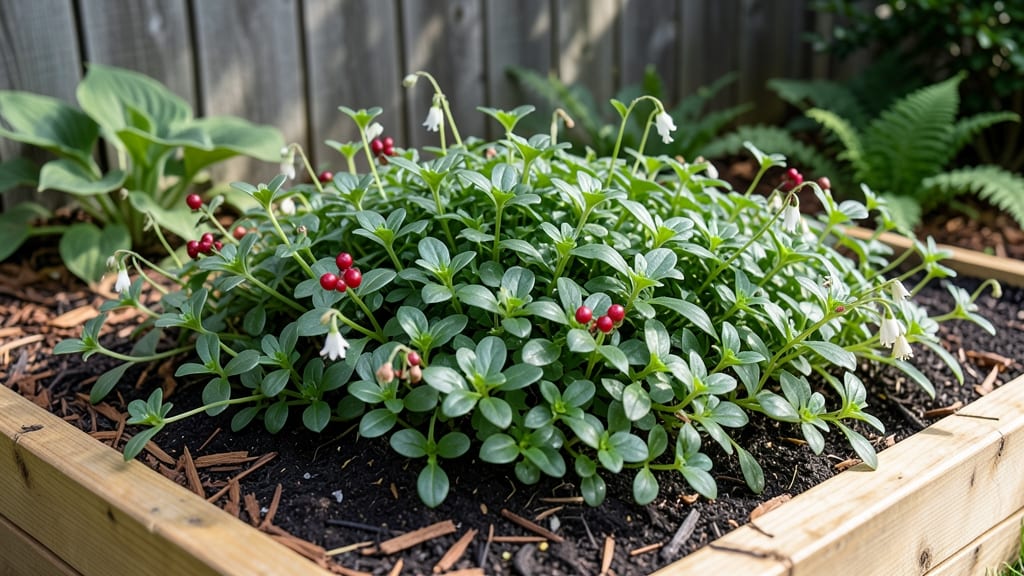
Pachysandra thrives in sun or shade, but picking the right variety for your garden’s light conditions is the key to lush, evergreen foliage year-round.
Struggling to keep your garden lush year-round? Pachysandra thrives in both sun and shade—but choosing the wrong variety can leave your foliage struggling. Whether you’re dealing with a shady corner or a sunny border, there’s a perfect type to transform bare spots into vibrant green ground cover.
Some varieties, like 'Green Carpet', handle full sun with ease, while others, such as 'Moonlight', prefer the dappled shade under trees. The secret lies in matching the plant to its ideal light conditions, ensuring healthy growth and preventing common issues like yellowing leaves or leggy stems.
Below, I’ll break down the best pachysandra types for sun, shade, and partial light, along with care tips to keep your plants thriving—no matter where you plant them in your garden.
 Best Window Placement
Best pachysandra varieties for full sun exposure
Most gardeners assume pachysandra thrives only in shady spots, but some varieties actually flourish in full sun with the right care. I’ve tested sun-tolerant pachysandra in my own garden, and the results—like deep green foliage and rapid spread—have been impressive.
The key lies in selecting the right cultivar and adjusting watering routines. Let’s dive into the top sun-loving pachysandra types and how to keep them thriving under hot skies.
While traditional Pachysandra terminalis (Japanese pachysandra) prefers shade, Pachysandra procumbens (Allegheny spurge) and its cultivars handle full sun exposure far better. These native North American varieties have evolved to tolerate drier, sunnier conditions.
For example, 'Green Carpet' and 'Cliffside Blue' both show remarkable resilience when planted in morning sun with afternoon shade or filtered sunlight.
Before planting, test your soil’s drainage and moisture retention—these are critical for sun-exposed pachysandra. I recommend amending heavy clay with sand or compost to prevent root rot. A 2-3 inch layer of mulch will also lock in moisture and protect roots from temperature swings.
For my full-sun pachysandra beds, I use pine straw mulch, which adds acidity and mimics their natural woodland edge habitat.
The summary table below compares the best sun-tolerant pachysandra varieties, their care needs, and ideal growing conditions. Use this as your quick reference before selecting plants for your garden.
For full sun conditions, I prioritize Pachysandra procumbens varieties because they handle heat better than their Japanese cousins. Start by planting in early spring or fall to give roots time to establish before summer heat peaks.
In my Zone 6a garden, I’ve seen 'Green Carpet' spread 3 feet in just one season when given proper water and mulch.
Watering is where most gardeners go wrong with sun-exposed pachysandra. Deep watering 2-3 times per week in summer is essential, but avoid overhead sprinklers that can cause fungal issues. Instead, use a soaker hose or drip irrigation to deliver moisture directly to the roots.
I’ve noticed wilting or crispy edges in my plants when I skip this step during heatwaves—so stay consistent!
Fertilizing sun-loving pachysandra is simple: apply a balanced 10-10-10 fertilizer in early spring and again after mid-summer. I use compost tea as a natural alternative to boost soil health without burning the plants.
Over-fertilizing can lead to excessive leaf growth at the expense of root strength, making them more susceptible to drought stress.
Pruning sun-tolerant pachysandra should happen in early spring before new growth emerges. Remove any dead or yellowing leaves and trim back leggy stems to encourage bushier growth. I also shear mine lightly in late summer
Shade-loving pachysandra: top picks for low-light areas
If your garden has dim corners or tree-shaded spots, pachysandra is your secret weapon. These shade-loving varieties thrive where most plants struggle, delivering year-round evergreen coverage with minimal effort. The key? Choosing the right cultivar for your specific light conditions—whether it's dappled shade or deep woodland darkness.
For true shade lovers, Pachysandra terminalis varieties dominate the scene. These plants handle less than 2 hours of direct sun daily while still producing lush, glossy foliage. Their compact growth habit makes them perfect for understory plantings, foundation beds, or even container gardens on shaded patios.
Let’s explore the top performers and how to keep them thriving.
✅ Pros of Shade-Loving Pachysandra
- Year-round greenery in dim spots
- Low-maintenance care once established
- Deters weeds with dense ground cover
- Tolerates dry shade better than sun varieties
- Deer-resistant foliage
❌ Cons of Shade-Loving Pachysandra
- Leggy growth in too little light
- Yellowing leaves from overwatering
- Slow spread compared to sun varieties
- Susceptible to slugs in damp shade
- Limited bloom (mostly spring flowers)
Start with 'Variegata', the classic choice with creamy-white edged leaves that add texture to shady borders. This variety handles full shade beautifully but may lose variegation in bright indirect light.
For uniform green foliage, 'Moonlight' is my go-to—it’s more compact and disease-resistant than others, making it ideal for north-facing gardens or under conifers.
Plant pachysandra in early spring or fall when soil is cool and moist. Work 2-3 inches of compost into the soil to improve drainage, as these plants hate soggy roots.
Space plants 12-18 inches apart for a dense mat within 2-3 years. In very dry shade, water deeply once a week—morning watering prevents fungal issues common in damp shade.
Watch for yellowing leaves, a sign of overwatering or nutrient deficiency. Trim back leggy stems in early spring to encourage bushier growth. If slugs become an issue, apply diatomaceous earth around the base—it’s pet-safe and effective.
With the right variety and care, your shady spots will stay lush and green all season long.
For extra drama, pair 'Variegata' with hostas or ferns under trees. The contrasting foliage creates a natural woodland effect while keeping maintenance low. Just remember: patience is key—these shade stars spread slowly but reward you with decades of effortless beauty.