
Shrubs
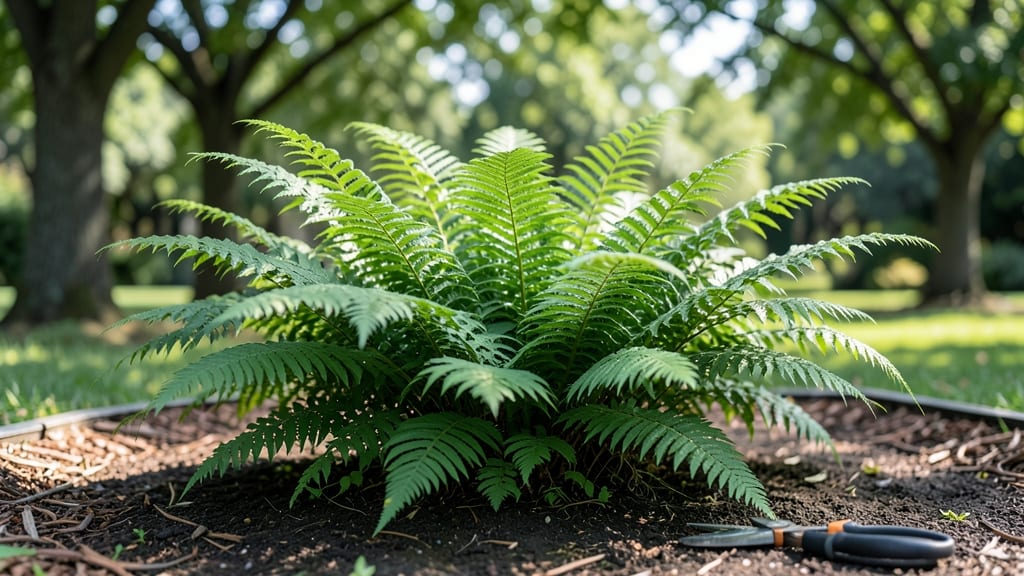
The Kimberly Queen fern flourishes in sun or shade, but it truly shines with bright, indirect light for its lush, vibrant growth. 🌿 Too much sun can crisp its delicate fronds, while too little shade leaves it leggy and sparse.
I’ve seen gardeners struggle with this balance, especially when moving their fern between indoor and outdoor spaces.
This elegant fern isn’t fussy, but it does need the right light to show off its deep green, arching fronds. Whether you’re placing it in a shady corner of your garden or a north-facing windowsill, small adjustments can make all the difference.
Below, I’ll break down exactly how much sun or shade your Kimberly Queen needs — and how to spot when it’s not quite right.
If your fern’s leaves are turning yellow or crispy at the edges, it’s likely getting too much direct sunlight. On the flip side, slow growth or pale fronds mean it’s craving a little more brightness.
The good news? With a few simple tweaks, you can keep your fern thriving year-round, whether it’s basking in filtered light or tucked away in a cozy, shaded spot.
Ready to master the art of light for your Kimberly Queen? You’ll learn how to create the perfect conditions — indoors or out — so this stunning fern stays healthy, happy, and full of life. Let’s get started.
 Best Window Placement
Kimberly Queen fern light requirements: sun vs. shade breakdown for optimal growth
The Kimberly Queen fern is a stunning, architectural plant that thrives in bright indirect light, but its exact needs often spark confusion. Unlike sun-loving plants, this fern prefers partial shade—meaning it craves filtered sunlight rather than harsh rays.
Understanding the difference between morning sun and afternoon shade can mean the difference between lush, vibrant fronds and crispy, struggling leaves.
In my own garden, I’ve learned that east-facing spots or dappled sunlight from nearby trees are ideal. These conditions mimic the fern’s natural habitat in understory environments, where sunlight is gentle but abundant.
Too much direct sun—especially in afternoon hours—can cause leaf scorch, while too little light leads to leggy, sparse growth.
Kimberly Queen ferns are incredibly versatile, adapting well to both indoor and outdoor settings. However, their light needs shift with the seasons. In summer’s intense heat, they may need extra shade, while winter’s weaker sunlight might require a brighter spot. Let’s break down the specifics to help you find the perfect balance for your plant.
When placing your Kimberly Queen fern outdoors, prioritize locations with morning sunlight and afternoon shade. For example, a spot near a north-facing wall or under a deciduous tree (like oak or maple) works beautifully.
The tree’s leaves act as a natural sun filter, preventing leaf burn while still allowing enough light for photosynthesis.
Indoors, east-facing windows are ideal because they provide gentle morning light without the intense heat of south-facing windows. If your home lacks natural light, consider supplementing with a grow light for 12-14 hours daily.
LED grow lights with a cool white spectrum mimic natural daylight and encourage healthy frond development.
Seasonal changes require adjustments to keep your fern thriving. In spring and fall, when sunlight is moderate, your Kimberly Queen can handle up to 4 hours of indirect light. However, during summer’s peak, reduce direct exposure to 2 hours or less to avoid stress.
In winter, when daylight is scarce, move your fern closer to a south-facing window or use a reflective surface (like a white wall) to maximize light absorption.
Signs your Kimberly Queen fern needs more sun or shade (and how to fix it)
The Kimberly Queen fern sends clear signals when its light needs aren't met. Watch for yellowing fronds or crispy edges—these are classic signs of light stress. Too much sun causes brown patches, while too little shade leads to pale, leggy growth.
Understanding these visual cues helps you adjust care before permanent damage occurs.
I’ve seen many gardeners struggle with this fern’s delicate balance. In my USDA Zone 6a garden, I learned the hard way that afternoon sun can scorch fronds within weeks. The key is observing your plant’s response to its current location and making gradual adjustments.
⚠️ callout warning
⚠️ Critical Light Stress Signs
Too Much Sun: Crispy brown edges on fronds, dry leaf tips, and leathery texture (like overcooked greens). Act fast—move to filtered light within 24 hours to prevent spread.
Too Little Shade: Pale yellow fronds, slow growth, and long, weak stems (called "etoliation"). Boost indirect light gradually to avoid shocking the plant.
Pro Tip: Rotate your potted fern weekly for even light exposure. Outdoor plants? Prune nearby trees to filter harsh afternoon rays in summer.
For indoor setups, I recommend placing your Kimberly Queen fern near an east-facing window where it gets 2-4 hours of morning sun. If your space lacks natural light, try a grow light on a timer for 12-14 hours daily.
I use a full-spectrum LED bulb 12 inches above the plant—this mimics natural partial shade perfectly.
Outdoor gardeners in hot climates (Zones 7-10) should provide afternoon shade using lightweight shade cloth (30-50%) or plant near deciduous trees that offer seasonal shade. In cooler climates (Zones 3-5)morning sun only and protect it from midday winds, which dry out fronds quickly.
Don’t ignore slow growth—it’s often the first sign of light deprivation. If your fern hasn’t grown in 3-4 months, it’s begging for more light. Try moving it 6 inches closer to a window or reflective surface (like a white wall) to bounce extra light onto the fronds.
I’ve seen growth double within weeks after this simple fix!
Remember, gradual changes are key. Sudden light shifts can shock your fern, causing fronds to curl or drop. If you’re unsure, start with 1 hour more light per day and monitor for 3 days before making bigger adjustments.
Patience pays off with vibrant, healthy growth all season long. 🌿