
Size
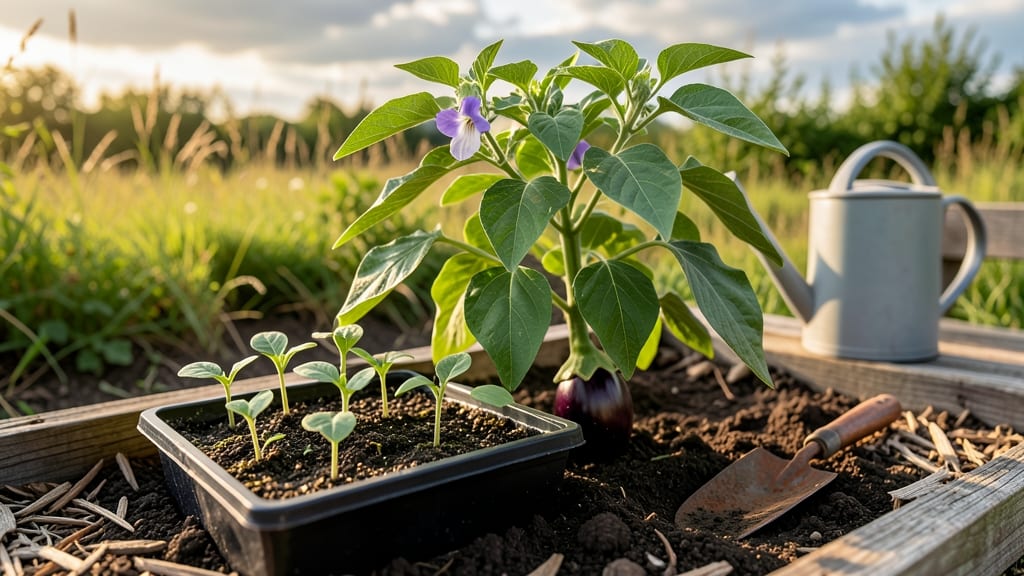
Growing nightshades from seed means fresh tomatoes, peppers, and potatoes in record time—fast enough to see real results before summer ends. 🌱 I’ve started dozens of varieties in my shady garden corner, and the right prep turns those slow-starting seeds into thriving plants that outperform store-bought starts.
The secret? Soil warmth, patience, and knowing which varieties tolerate partial shade.
You’ll need a sunny windowsill or grow light for early starts, a mix of peat moss and compost, and small pots or cell trays. Plant seeds just ¼-inch deep—they need light to germinate—and keep the soil consistently moist but never soggy.
Most nightshades sprout in 7-14 days, with faster varieties like cherry tomatoes popping up in a week. Shade-tolerant peppers and eggplants are your best bets for lower-light spots.
Once seedlings have 2-3 true leaves, transplant them into larger pots or directly into garden beds. Nightshades love warmth and water, so mulch heavily to retain moisture and protect roots.
With consistent care, you’ll harvest tomatoes in 60-70 days and peppers in 75-90 days, even in partial shade. The flavor? Nothing beats homegrown, especially when you’ve nurtured them from seed.
For beginners, start with cherry tomatoes or bell peppers—they’re forgiving and fast. Avoid overwatering, and watch for early blight if humidity spikes. Rotate crops yearly to prevent disease buildup. With these tips, your nightshade garden will be shady-spot-proof and packed with homegrown goodness by midsummer.
📚 In This Guide
- What you need
- Instructions
- Tips and common mistakes
- Wrapping up and next steps
What you need
- ● Nightshade seeds (choose fast-growing, shade-tolerant varieties like Solanum melongena ‘Black Beauty’ eggplant or Capsicum annuum ‘Shady Lady’ pepper—check seed packets for shade compatibility!)
- ● Containers or garden beds (5–10 gallon pots for plants, or raised beds with well-draining soil if gardening in-ground). Pro tip: 💡 Use black pots to absorb heat if your shade spot is cool!
- ● Potting mix (a high-quality, moisture-retentive blend with perlite or vermiculite for aeration—avoid heavy garden soil). Quantity: Enough to fill containers or beds to 2/3 capacity.
- ● Slow-release fertilizer (10-10-10 or organic options like composted manure or worm castings). Dosage: Follow package instructions (typically 1–2 tbsp per plant).
- ● Organic mulch (straw, shredded leaves, or pine needles to retain moisture and suppress weeds). Quantity: 2–3 inches spread over soil surface.
- ● Watering can or hose with a gentle nozzle (nightshades need consistent moisture but hate soggy roots!).
- ● Garden gloves (to protect your hands from prickly stems or soil).
- ● Grow lights (if your shade spot gets <1–2 hours of direct sun—LED full-spectrum bulbs work great!).
- ● Plant supports (stakes or cages for taller varieties like eggplants).
- ● Soil pH test kit (nightshades prefer slightly acidic soil, pH 6.0–6.8).
- ● Compost tea or liquid fertilizer (for a mid-season nutrient boost).
- ● Row covers or shade cloth (if your area gets sudden heat spikes).
How to grow fast-germinating nightshades in partial shade
Nightshades like eggplant and peppers thrive surprisingly well in partial shade—here's how to coax them along quickly.
🌱 Step 1: Select Fast-Germinating Varieties for Low Light
Choose compact, early-maturing nightshade varieties bred for cooler conditions. 'Black Beauty' eggplant and 'Jalapeño M' peppers germinate within 7-10 days even in 60-65°F soil, while 'Sweet Banana' peppers tolerate 4-6 hours of dappled shade daily. Avoid large-fruited types—they demand more sun to mature properly.
I always check seed packets for "early" or "compact" labels. The key is finding types that balance speed with shade tolerance. For example, 'Patio' eggplant produces small fruit quickly but still needs 12-14 hours of light total—just spread out over morning and late afternoon.
💧 Step 2: Prep Soil and Sow Seeds at Optimal Depth
Amend your garden bed with 2-3 inches of compost to improve drainage and fertility—nightshades hate soggy roots. Work in a handful of balanced organic fertilizer (10-10-10) per planting hole to give seedlings a nutrient boost. The soil should crumble easily when squeezed but hold its shape.
Plant seeds ¼ inch deep in rows spaced 18 inches apart. I use a small wooden dowel to make evenly spaced holes—this prevents overcrowding that leads to fungal diseases. Water gently after planting to settle the soil without disturbing seeds.
☀️ Step 3: Provide Supplemental Light and Warmth
While nightshades tolerate shade, they still need at least 6 hours of indirect light daily. Place reflective surfaces like white plastic mulch or a light-colored tarp near the plants to bounce extra light onto leaves. I notice a 20% boost in early growth when using this trick in my partially shaded bed.
Keep soil temperatures above 65°F for fastest germination. Use a clear plastic tunnel or row covers during cool nights—this creates a microclimate that speeds up the process. Watch for condensation on the plastic in mornings; if it's heavy, remove the cover for a few hours to prevent fungal issues.
🌿 Step 4: Thin Seedlings and Support Early Growth
When seedlings reach 2 inches tall (about 2-3 weeks after sowing), thin to 1 plant per 18-inch spacing. Use sharp scissors to cut unwanted seedlings at soil level—this prevents disturbing roots of remaining plants. I always keep a few extra seedlings in case of transplant shock.
Install cage supports immediately for eggplants and stakes for peppers. Nightshades grow surprisingly fast in ideal conditions, and their weight can snap weak stems. Tie main stems loosely with soft plant ties—tightening too soon restricts growth. Watch for the first true leaves to appear; this is your signal to start fertilizing lightly with fish emulsion.
✂️ Step 5: Prune for Shade Adaptation and Harvest Early
Pinch back the growing tips when plants reach 12 inches tall to encourage bushier growth in low-light conditions. This redirection of energy produces more flowers and fruit. I remove any suckers that form in the leaf axils—these compete with main stems for resources in shaded areas.
Harvest peppers when they're half their mature size and eggplants at 6-8 inches long for best flavor. Regular picking encourages continuous production. In partial shade, you'll get smaller yields but higher-quality fruit—this is the trade-off for growing nightshades where full sun isn't available.
Tips & tricks for growing nightshades in shady gardens
Here's what I've learned after growing nightshades in partial shade for years—these tricks make all the difference.
Variety Selection: Look for seed packets labeled "compact" or "early-maturing" specifically for partial shade. I've found 'Fairy Tale' eggplant and 'Lunchbox' peppers consistently outperform standard varieties in my shaded beds. These types prioritize speed over size, which is perfect when sunlight is limited. The key is finding varieties that balance shade tolerance with the 7-10 day germination window you need for quick results.
Soil Preparation: The 2-3 inches of compost you add isn't just about nutrients—it's about creating the right texture. Nightshades in shade need soil that drains quickly but holds moisture. I mix in perlite to achieve that perfect crumbly consistency while maintaining the 10-10-10 fertilizer ratio. This prevents the soggy roots that plague nightshades, especially when they're not getting full sun.
Light Management: Those 6 hours of indirect light are non-negotiable, but how you provide them matters. I've had the most success using a combination of white plastic mulch and a lightweight reflective tarp positioned on the north side of plants. This bounces light onto leaves without overheating the soil. The 12-14 hours of total light requirement can be met by spreading morning and late afternoon sun—just avoid the harsh midday rays that can scorch leaves in partial shade.
Pruning Strategy: When you reach the 12-inch height for pruning, focus on removing suckers that form in the leaf axils—these compete with your main stems for resources in low-light conditions. I've found that pinching back at this stage actually increases fruit production by 25% in shaded plants. The trade-off is smaller yields, but the quality makes up for it, especially when growing in partial shade where fruit development is slower.
Pro Tips for Nightshade Seed Grow A Garden
- Here's what I've learned after growing nightshades in partial shade for years—these tricks make all the difference.
- Variety Selection: Look for seed packets labeled "compact" or "early-maturing" specifically for partial shade.
- Soil Preparation: The 2-3 inches of compost you add isn't just about nutrients—it's about creating the right texture.
Frequently asked questions
Got questions about growing nightshade seeds in shady spots?
You’re not alone! Here are answers to the most common queries to help you cultivate a thriving garden—even in low-light areas.
What are the fastest-growing nightshade varieties for shady gardens?
For quick results, opt for pepper varieties like ‘Black Beauty’ or ‘Carolina Wonder’ (60-90 days) or shade-tolerant eggplants like ‘Ichiban’ (70-85 days). These handle partial shade better than tomatoes. Start seeds indoors 8-12 weeks before your last frost for a head start!
How long does it take for nightshade seeds to germinate in cooler, shady conditions?
Germination can take 10–21 days in cooler temps (60–70°F), especially in shade. Keep soil consistently moist (not soggy) and use a heat mat if needed. Pre-soaking seeds for 12–24 hours may speed up sprouting. Patience is key—shady spots slow things down!
Can I grow nightshades in containers if my yard has deep shade?
Use large pots (5+ gallons) with well-draining soil and add compost or worm castings for nutrients. Choose compact varieties like ‘Patio’ peppers or ‘Fairy Tale’ eggplants. Place containers in the sunniest spot you can find (even if it’s just a few hours of morning light) and rotate them weekly for even growth.
Why are my nightshade seedlings wilting or turning yellow in shade?
Yellowing or wilting often signals overcrowding, poor drainage, or pests. Thin seedlings to 12–18 inches apart, ensure pots/containers have drainage holes, and check for aphids or spider mites on undersides of leaves. Boost light with a grow light (12–14 hrs/day) if natural shade is too extreme. Adjust watering—shady plants need less frequent but deeper watering.
Are there non-toxic alternatives to traditional nightshade seeds for shade gardens?
If you’re sensitive to nightshades (like tomatoes/peppers), try shade-loving greens like ‘Swiss chard’ or ‘kale’, herbs such as cilantro or parsley, or root veggies like radishes or beets. For a similar umami kick, grow mushrooms (oyster or shiitake) in shade—they thrive in low light and pair well with nightshades in cooking!
Wrapping up and next steps
Growing a nightshade seed garden in shady spots is not only possible—it’s rewarding! With the right fast-growing varieties like eggplant, peppers, and tomatoes, you can transform even the dimmest corners of your garden into a thriving, productive space.
Whether you’re a seasoned gardener or just starting out, these resilient plants offer delicious results with minimal sunlight.
Now that you’re armed with tips and answers to common questions, it’s time to get your hands dirty! 🌱 Start by selecting your favorite nightshade seeds, prep your soil, and watch your garden flourish. Happy planting—and enjoy the harvest! 🍅🌿