
Companion Plants
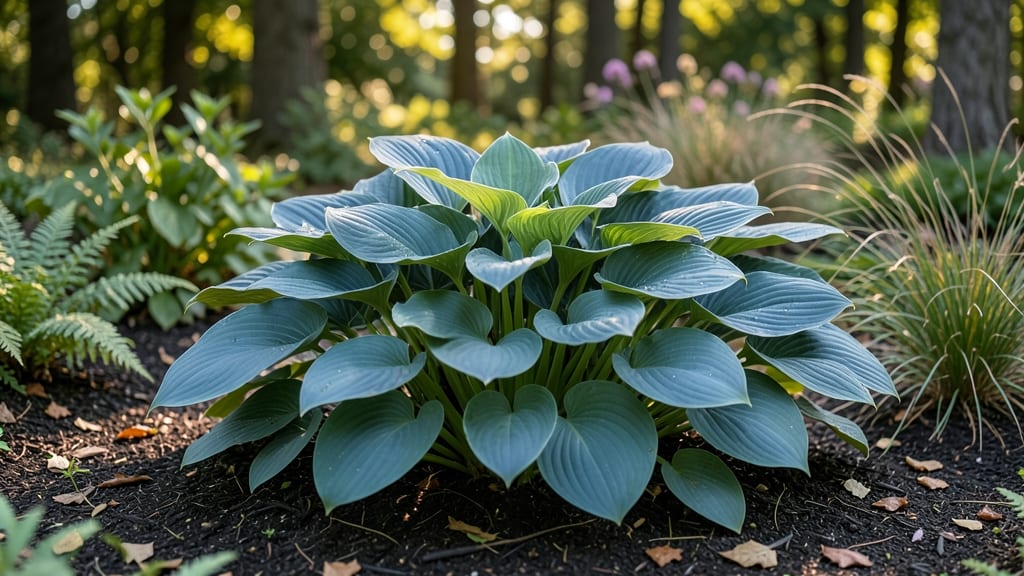
Massachusetts shade gardens stay vibrant all year with the right native plants. 🌿 I’ve transformed my darkest corners into lush, low-maintenance havens by planting species that thrive where sunlight struggles—think inkberry holly, spicebush, and ferns that outperform non-natives.
These plants don’t just survive; they support local wildlife and cut back on watering once established.
The best native shade plants for New England handle our humid summers and snowy winters with ease. Look for understory shrubs like winterberry (with its striking red berries) or Virginia creeper, which turns fiery in fall.
For ground cover, foamflower or wild ginger spread beautifully while keeping weeds at bay. These plants are also drought-tolerant once their roots establish, making them perfect for busy gardeners.
By the end of the season, you’ll have a garden that’s bursting with texture and color—even in the shadiest spots. The key is matching plants to your light conditions: partial shade for hostas and asters, deep shade for ferns and trilliums.
Local nurseries like Native Plant Trust or Garden in the Woods carry these species, ensuring you’re planting what thrives naturally in your region.
Start small with a few plants, then expand as you see what works best in your space. These natives will reward you with year-round interest, from spring blooms to winter structure. Plus, they’re the easiest way to create a garden that feels like it belongs here—no fuss, just beauty.
📚 In This Guide
- What you need
- Instructions
- Tips and common mistakes
- Wrapping up and next steps
What you need
- ● Native shade plants: Choose from 5–10 species like Trillium grandiflorum (white trillium), Hepatica nobilis (liverleaf), Actaea rubra (red baneberry), or Asarum canadense (wild ginger). Buy 3–5 plants per species for a balanced look.
- ● High-quality native soil mix: 2–3 cubic yards (for a 10’x10’ area) to improve drainage and fertility. Look for blends labeled for shade gardens.
- ● Mulch: 2–3 bags of wood chips or pine straw (3–4 inches deep) to retain moisture and suppress weeds.
- ● Organic compost: 1–2 bags (20–40 lbs each) to enrich the soil before planting.
- ● Garden gloves (1 pair) for protection.
- ● Hand trowel or transplant spade (for delicate root systems).
- ● Garden fork or broadfork (for aerating compacted soil).
- ● Wheelbarrow or bucket (5–10 gallons) for hauling soil and mulch.
- ● Watering can or hose with a gentle spray nozzle (for post-planting hydration).
- ● Measuring tape (for spacing plants 12–24 inches apart).
- ● Pruners or shears (for trimming dead foliage or adjusting plant shapes).
- ● Shade fabric (for newly planted areas if sunlight is a concern).
- ● Slow-release fertilizer (native-friendly, like fish emulsion or kelp meal).
- ● Garden markers (to label plants and track growth).
- ● Drip irrigation system (for low-maintenance watering).
How to design a thriving native shade garden in Massachusetts
Here's how to transform dark corners into lush, low-maintenance havens using plants that thrive in New England's climate.
🌿 Step 1: Assess Your Shade Conditions
Massachusetts shade varies dramatically—what's deep shade under a mature oak may be dappled light near a birch. Use a light meter app to measure foot-candle levels: 100-500 ft-c qualifies as shade, while below 100 ft-c is deep shade. I've found that Virginia bluebells (Mertensia virginica) and wild ginger (Asarum canadense) perform best in the deepest shadows, while foamflower (Tiarella cordifolia) handles moderate shade beautifully.
Walk your space at different times of day—morning light behaves differently than afternoon shade. Note where moisture lingers after rain, as many native shade plants appreciate consistently damp soil. If your area stays soggy for days, amend with 1-2 inches of compost to improve drainage without altering the natural ecosystem.
🪴 Step 2: Select Plants for Seasonal Interest
For year-round color, layer plants with staggered bloom times and winter interest. Start with 3-5 anchor plants that provide structure, like American beech (Fagus grandifolia) for height or eastern redbud (Cercis canadensis) for early spring color. Underplant with wild columbine (Aquilegia canadensis) for spring blooms, black cohosh (Actaea racemosa) for summer foliage, and smooth hydrangea (Hydrangea arborescens) for late-season flowers.
Don't overlook ground covers—they prevent weeds and maintain moisture. Allegheny spurge (Pachysandra procumbens) creates a lush carpet while wintergreen (Gaultheria procumbens) provides evergreen interest with red berries. I've seen gardens where these two alone transform bare soil into a vibrant understory within a single season.
☀️ Step 3: Prepare the Planting Site
Clear existing vegetation but avoid tilling—this disrupts beneficial soil organisms. Instead, smother weeds with cardboard or newspaper topped with 4-6 inches of mulch to suppress growth while improving soil structure. For new beds, mix 1 part compost into the top 6 inches of native soil—this boosts microbial activity without overwhelming the ecosystem.
Plant in early spring or fall when temperatures are mild. Dig holes twice as wide as the root ball but no deeper—this encourages root expansion. Water each plant deeply before backfilling, then top with 2-3 inches of shredded bark mulch to retain moisture and regulate soil temperature. Keep mulch 6 inches away from stems to prevent rot.
💧 Step 4: Establish a Watering Routine
Native plants need less water once established, but seedlings require consistent moisture. Water deeply 2-3 times per week during the first growing season, aiming for 1-2 inches of water per session. You'll know you've watered enough when soil 6 inches deep feels uniformly moist. After the first year, most native shade plants only need supplemental water during prolonged dry spells.
I've seen many gardeners overwater shade plants, thinking they need more moisture. The key is deep, infrequent watering—this encourages deep root growth. Install a soaker hose on a timer for hands-off maintenance, positioning it along the drip line of mature plants rather than at the base.
✂️ Step 5: Maintain for Long-Term Health
Prune in late winter or early spring before new growth begins. Remove dead or crossing branches first, then thin out 20-30% of the oldest stems to encourage vigorous new growth. For flowering plants like trillium (Trillium grandiflorum), wait until after blooming to prune—this preserves next year's flowers.
Fertilize lightly in early spring with 1/4 cup of compost tea per square foot. Native plants rarely need synthetic fertilizers—they thrive in lean soil. Instead, focus on mulching annually to replenish organic matter. Watch for Japanese beetles on roses and spider mites on hydrangeas, treating with neem oil if needed.
Tips & tricks for perfect native shade gardens in Massachusetts
A few key strategies will help you create a thriving native shade garden that outshines the competition—and lasts for years.
Light Meter Precision: Don't rely on guesswork when assessing shade conditions. I've seen gardeners place plants in areas that seem shady but actually get 2-3 hours of morning sun—enough to stress shade-loving species. Use a light meter app to verify foot-candle levels before making selections. For example, Virginia bluebells need below 100 ft-c for optimal growth, while foamflower thrives at 100-500 ft-c. This small investment prevents costly mistakes with high-maintenance plants.
Seasonal Layering Strategy: The magic happens when you stagger bloom times and textures throughout the year. Start with your anchor plants like American beech for structure, then add wild columbine for spring color, black cohosh for summer foliage, and smooth hydrangea for late-season blooms. I've found that including wintergreen for its evergreen foliage and red berries creates visual interest even when other plants are dormant. This layered approach ensures your garden has something spectacular to offer in every season.
Soil Preparation Secret: The instructions mention mixing 1 part compost into the top 6 inches of native soil, but here's what nobody tells you—this isn't just about adding nutrients. The compost introduces beneficial microbes that help break down organic matter and improve soil structure. For areas with particularly compacted soil, consider adding 1-2 inches of coarse sand to the mix to improve drainage without altering the natural ecosystem. This creates the perfect balance of moisture retention and aeration that native plants crave.
Watering Wisdom: Those 2-3 deep waterings per week during the first year are non-negotiable, but timing matters just as much. Water in the early morning so the foliage has time to dry before evening—this prevents fungal diseases that thrive in damp conditions. I've seen gardens where overwatering led to root rot in just two weeks. For established plants, focus on deep, infrequent watering to encourage those deep root systems. A soaker hose on a timer positioned along the drip line is my go-to method for hands-off maintenance.
Pro Tips for Native Shade Plants Massachusetts
- A few key strategies will help you create a thriving native shade garden that outshines the competition—and lasts for years.
- Light Meter Precision: Don't rely on guesswork when assessing shade conditions.
- Seasonal Layering Strategy: The magic happens when you stagger bloom times and textures throughout the year.
Frequently asked questions
about native shade plants for Massachusetts gardens—because every gardener deserves clarity!What are the easiest native shade plants to grow in Massachusetts?
Start with Virginia bluebells (for spring blooms), wild ginger (tough and low-maintenance), or foamflower (great ground cover). These thrive in partial to full shade and handle Massachusetts’ climate well. Check the materials section for soil prep tips!
When is the best time to plant native shade plants in MA?
Plant in early spring (April–May) or early fall (September–October) for best results. Avoid summer heat—roots need time to establish before winter. Pro tip: Water deeply after planting to reduce transplant shock!
Can I use native shade plants under mature trees?
Many natives, like partridgeberry or golden ragwort, tolerate low light and root competition. Just amend the soil with compost to improve drainage. Avoid planting directly under tree canopies where roots may compete aggressively.
How do I keep my shade garden colorful year-round?
Layer plants with different bloom times:
- Spring: Bloodroot, trout lily
- Summer: Wild columbine, wild bergamot
- Fall/Winter: Wintergreen, hellebores (for evergreen foliage)
Are native shade plants deer-resistant?
Some are less appealing to deer, like wild ginger or solomon’s seal, but no plant is 100% deer-proof. Use physical barriers (fencing) or repellents if deer are a problem. Pro tip: Plant toxic natives like bloodroot near high-value plants as a deterrent!
Wrapping up and next steps
Transforming your Massachusetts garden’s shady spots into vibrant, low-maintenance havens is easier than you think! By choosing native shade plants like heuchera, ferns, and hostas, you’re not only adding year-round beauty but also supporting local ecosystems.
These hardy plants thrive in minimal sunlight and require little fuss, making them the perfect solution for dark corners.
Ready to take the next step? Start small—pick one or two plants to test your shady spot, then expand as you see what flourishes. Your garden (and the pollinators!) will thank you. Happy planting! 🌿✨