
Light Requirements
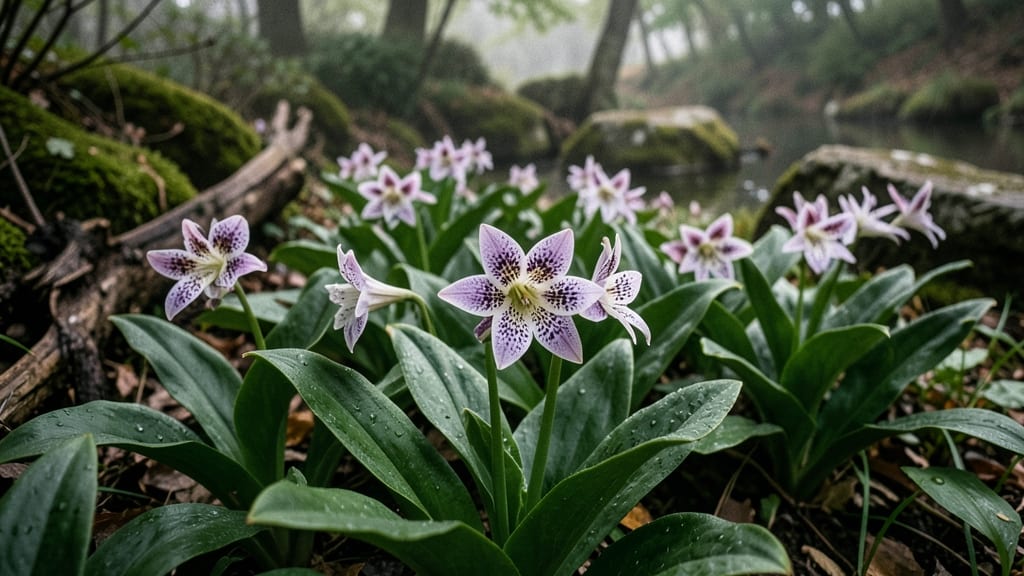
Struggling to find vibrant flowers that thrive in part shade? These 10 low-maintenance flowering plants bring color and life to shady gardens with minimal effort, perfect for gardeners who want beauty without the fuss.
Hostas with Lavender Blooms
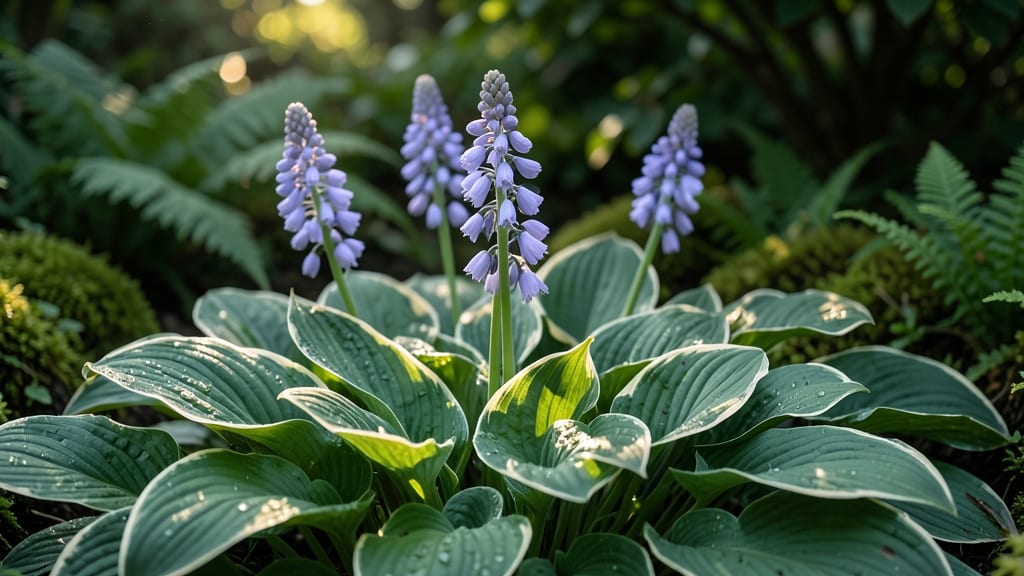
Looking for a part-shade superstar that delivers both bold foliage and delicate blooms? Hostas with lavender flowers (like 'Halcyon' or 'Royal Standard') are the ultimate low-maintenance workhorses for shady spots. These varieties combine the classic deep green or variegated leaves gardeners adore with unexpected purple flower spikes in summer that hummingbirds can't resist.
Plant them in well-draining soil with morning sun and afternoon shade, and water consistently until established. Once settled, they thrive on neglect—no staking, no fussing—just year-round interest from their striking foliage. For extra drama, pair them with ferns or astilbes to create a lush woodland understory. The best part? Slugs rarely bother the flowering varieties, making them ideal for problem-prone gardens. 🌿
Bleeding Heart Flowers
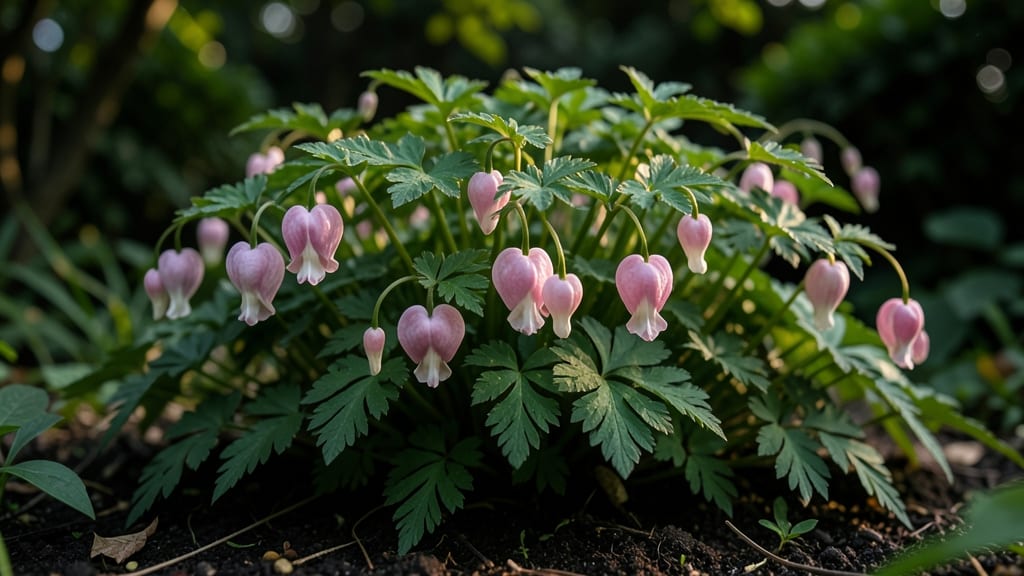
Tired of shade gardens that look dull and lifeless? Bleeding heart flowers (Dicentra spectabilis) bring whimsical romance with their iconic heart-shaped blooms, cascading like delicate lace in the softest light. These perennials are the perfect solution for moist, shady spots where other plants struggle—think woodland edges, north-facing borders, or beneath tall trees.
Plant them in well-draining, humus-rich soil and keep it consistently moist (they hate drought!). The pink, white, or red flowers appear in late spring, lasting 6-8 weeks, while the fern-like foliage adds lush texture year-round. Unlike many shade plants, bleeding hearts require almost no pruning—simply cut back faded foliage in late summer to encourage next year’s blooms. Their vertical growth habit (2-3 feet tall) makes them ideal for adding height to cottage-style gardens or as a dramatic focal point.
Perfect for gardeners who love low-maintenance charm, bleeding hearts thrive in USDA zones 3-9 and pair beautifully with hostas or ferns. Their ethereal blooms will make your shady spots feel like a secret garden. ✨
Japanese Forest Grass with Flowers
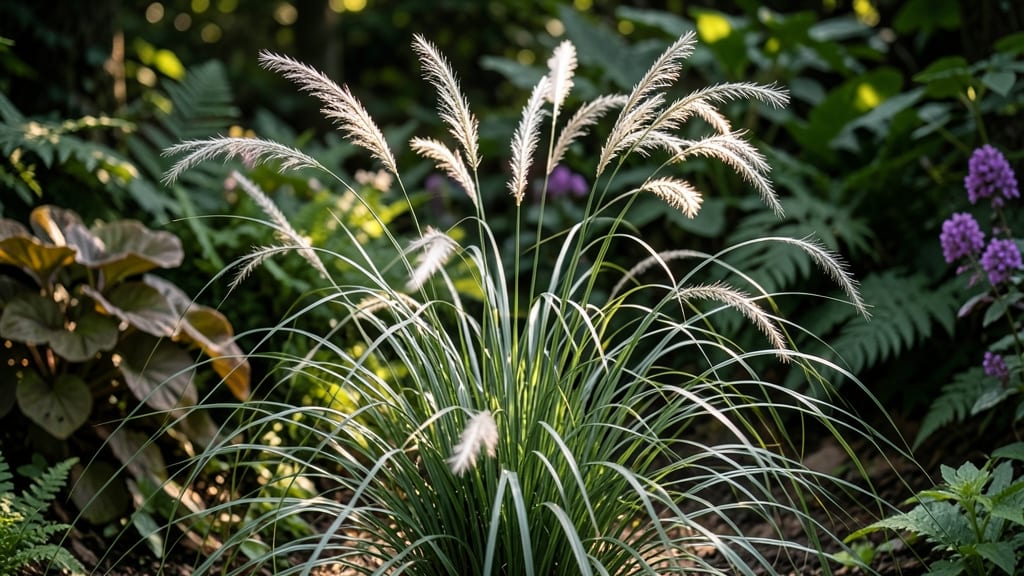
Want to add movement and texture to your shady garden without the upkeep? Japanese Forest Grass (Hakonechloa macra) is the secret weapon you’ve been missing. This ornamental grass thrives in part shade to full shade and produces delicate, feathery white flowers that sway gently in the breeze, creating a dreamy woodland effect.
Unlike traditional grasses, this variety stays compact (18-24 inches tall) and spreads slowly, making it ideal for borders. It prefers well-draining, slightly acidic soil but tolerates average garden conditions once established. The best part? It requires no pruning, fertilizing, or deadheading—just occasional division every 3-4 years to keep it fresh. Plant it near ferns or hostas for a layered, natural look.
Perfect for urban gardeners with limited space or busy beginners, this grass brings year-round interest with its arching blades and seasonal flowers. It’s also deer-resistant, so you won’t lose it to hungry critters. 🌿
Astilbe with Feathered Plumes
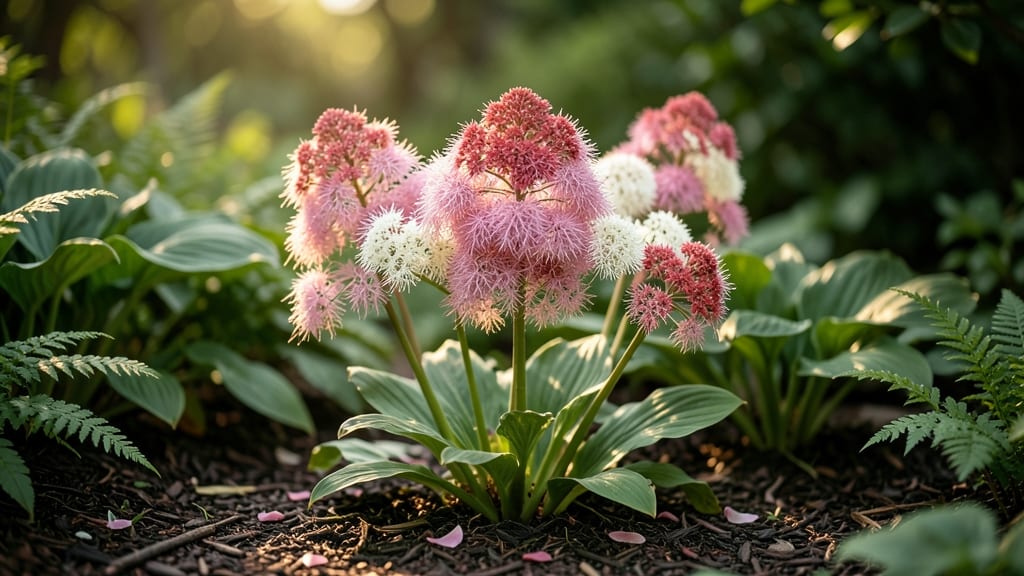
If you crave vibrant color in your shady garden but dread high-maintenance blooms, astilbe delivers dreamy, feathery plumes in shades of pink, red, and white—without the fuss. These woodland natives thrive where others struggle, making them perfect for understory plantings or containers that need consistent moisture.
Plant astilbe in part shade to full shade with moist, well-draining soil (they hate drying out!). Their airy flower clusters bloom from mid to late summer and require almost no deadheading—just a quick trim after flowering to encourage next year’s growth. Varieties like ‘Fanal’ or ‘Glut’ offer bold colors, while ‘Bridal Veil’ adds soft white elegance.
Urban gardeners and woodland enthusiasts will love how astilbe softens shady corners with minimal effort. Pair them with hostas or bleeding hearts for a lush, low-light oasis. 🌻
Hellebores with Winter Blooms
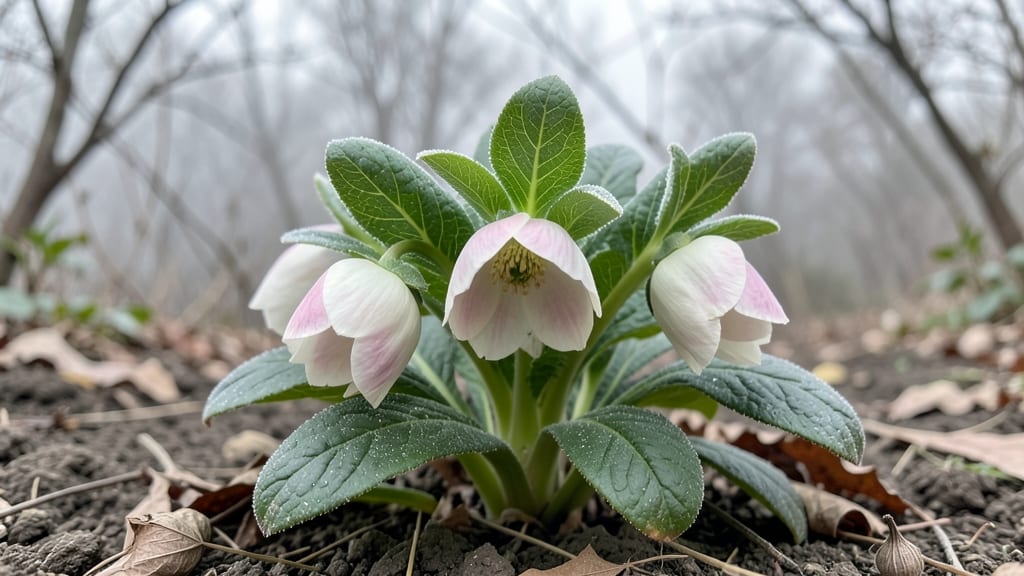
Looking for a low-maintenance perennial that blooms when most gardens are still dormant? Hellebores (also called Lenten roses) deliver stunning winter color in late February through April, long before spring bulbs even appear.
These shade-loving plants thrive in dry, poor soil where other flowers would struggle, and their leathery leaves protect them from deer and rabbits. Once established, they require no summer care—just occasional watering during extreme drought. Their nodding blooms come in shades of white, pink, purple, and green, creating a dreamy woodland effect.
Perfect for gardeners who want year-round interest with minimal effort, hellebores are especially rewarding for those with acidic or rocky soil where other shade plants fail. 🌱
Impatiens for Container Gardens
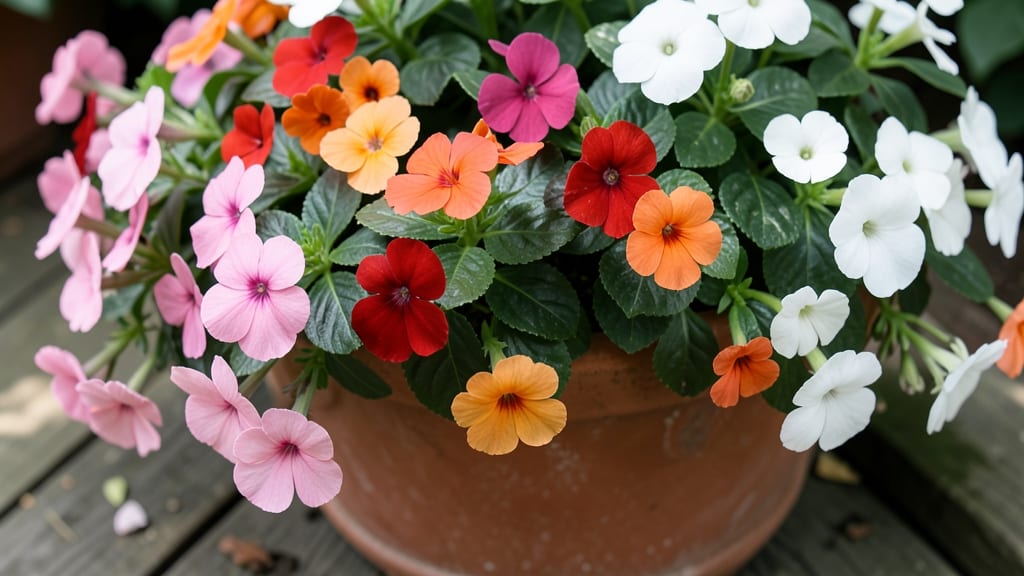
Need instant color in containers or shady garden spots without the upkeep of perennials? Impatiens are the answer—these cheerful annuals bloom nonstop from spring until frost, turning even the gloomiest corners into vibrant displays. Available in shades of pink, red, orange, and white, they thrive in partial shade (2-6 hours of sun daily), making them ideal for patios, balconies, or under trees where other plants struggle.
For containers, choose compact varieties like 'Super Elfin' or 'Accent' to prevent overcrowding, and plant them in well-draining potting mix with a slow-release fertilizer. Deadhead spent blooms weekly to encourage more flowers, and keep soil consistently moist (they wilt quickly if dry). Unlike perennials, impatiens die back in winter—so treat them as seasonal stars that deliver maximum impact with minimal effort.
Perfect for renters, urban gardeners, or anyone craving low-maintenance color, impatiens also deter pests like deer and rabbits. Just avoid planting them in full sun or windy spots—they’ll reward you with months of blooms without a single headache. 🌻
Columbines with Spurred Flowers
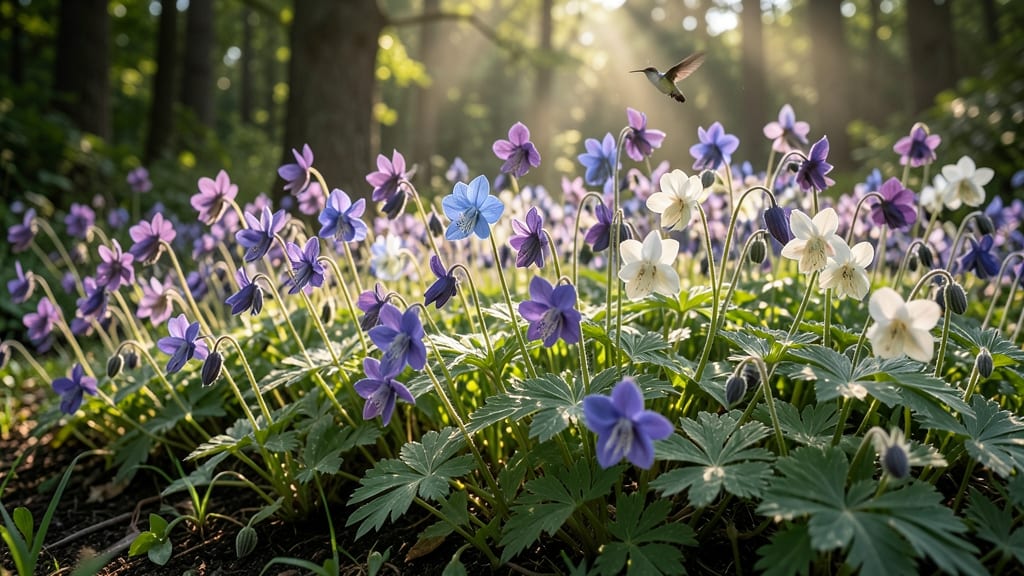
Want a wildflower that spreads effortlessly while adding whimsy to your shady garden? Columbines (Aquilegia) are the answer—these native beauties thrive in part shade to full shade and produce unique, spurred blooms that hummingbirds adore. Their self-seeding nature means you’ll get more plants each year with zero effort, creating a naturalized meadow effect over time.
Plant them in average garden soil (they tolerate poor conditions) and water occasionally until established. The nodding flowers come in shades of blue, purple, pink, or white, and their fern-like foliage adds texture year-round. Deadhead spent blooms only if you dislike self-seeding—otherwise, let them go to seed for a low-maintenance wildflower show. They’re also deer-resistant, making them ideal for rural gardens.
Perfect for beginner gardeners or those who want effortless beauty, columbines bring a touch of woodland magic with almost no work. 🌱
Foamflower with Delicate Clusters
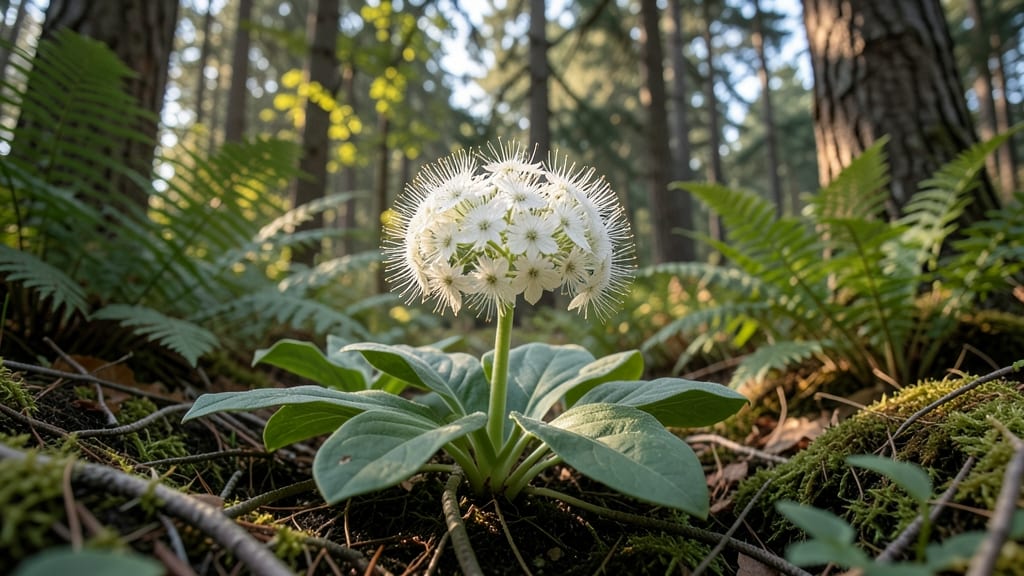
Want to fill those tricky gaps in your woodland garden where nothing else seems to thrive? Foamflower (Tiarella cordifolia) is the unsung hero of early spring, bursting into airy white clusters that dance above glossy green leaves—all while tolerating dry shade better than most perennials.
This native woodland beauty thrives in dry to average soil with morning sun and afternoon shade, making it perfect for understory plantings where moisture-loving plants fail. Its delicate, frothy blooms appear in late spring (April-May) before fading into attractive foliage that persists through summer. Unlike fussy shade plants, foamflower requires no staking, fertilizing, or deadheading—just occasional division every few years to keep it vigorous.
Ideal for beginner gardeners and woodland enthusiasts, foamflower pairs beautifully with hellebores and ferns. Its low-growing habit (12-18 inches tall) makes it perfect for filling gaps between taller perennials. 🌿
Coral Bells with Colorful Foliage
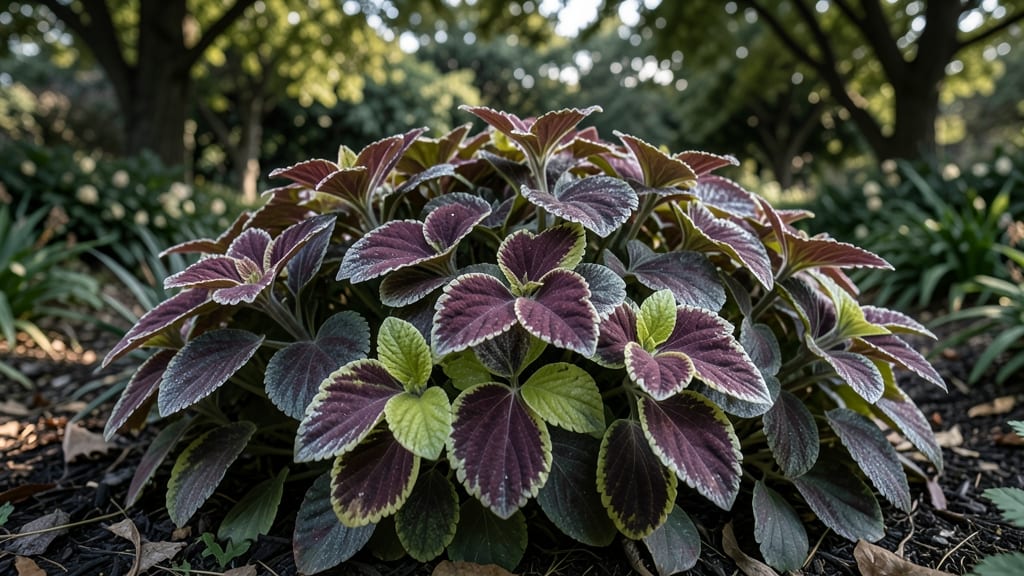
Want a shade-loving plant that delivers year-round visual impact without demanding constant attention? Coral bells (Heuchera) are the secret weapon for part-shade gardens, offering striking foliage in shades of purple, silver, lime green, or deep burgundy that stays vibrant all season. Unlike many shade plants, they also reward you with delicate pink, white, or red flower spikes in late summer, adding unexpected height and texture to your garden.
These perennials thrive in part shade to full shade and adapt to most soil types, though they prefer well-draining conditions to prevent root rot. The real magic? Their low-maintenance nature—simply prune back old foliage in early spring and watch them bounce back with fresh color. Varieties like 'Palace Purple' or 'Lime Rickey' create dramatic contrasts, while 'Berry Smoothie' offers a mix of red, orange, and yellow hues. They're also deer-resistant, making them ideal for rural gardens.
Perfect for gardeners who want bold color with minimal fuss, coral bells shine in containers, rock gardens, or woodland edges. Pair them with hostas or ferns for a layered, lush look that keeps your shady spots thriving all year. 💚
Toad Lilies for Moist Shade

If your garden has moist, shady spots that feel like afterthoughts, toad lilies (Tricyrtis) are your secret weapon. These underrated perennials produce exotic, spotted blooms in late summer to fall—when most shade plants have already faded—adding unexpected drama to pond edges, rain gardens, or woodland borders.
Thriving in consistently moist, well-draining soil, toad lilies prefer part shade to full shade and tolerate humidity better than most shade plants. Their heart-shaped leaves create lush ground cover, while the yellow, brown, or purple-spotted flowers (often with white centers) nod gracefully on 12-18 inch stems. The best part? They require no staking, fertilizing, or deadheading—just occasional division every 3-4 years to keep them vigorous.
Perfect for gardeners who love low-maintenance woodland plants with a tropical twist, toad lilies pair beautifully with hostas or ferns for a lush, layered look. Their late-season blooms also attract pollinators when other flowers are winding down. 🌷