
Shrubs
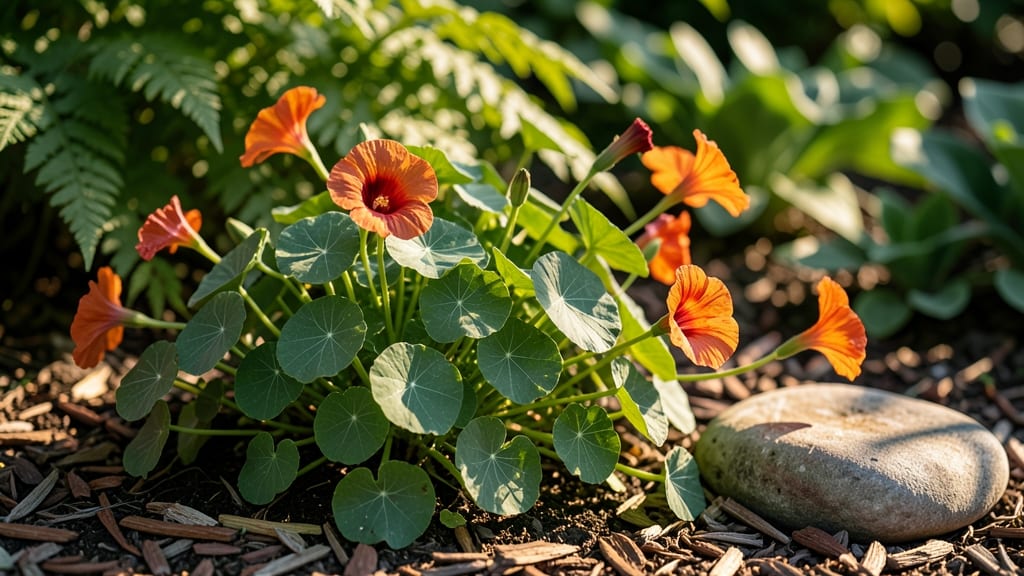
Nasturtiums in shade can thrive with 3-4 hours of partial sunlight daily, though they may grow slower and produce fewer blooms. Choose shade-tolerant varieties like 'Alaska' or 'Empress of India' and ensure well-draining, nutrient-rich soil to support their growth in low-light conditions.
Growing nasturtiums in shade is absolutely possible, but they'll behave differently than their sun-loving cousins. 🌿 These plants adapt by prioritizing leafy growth over flowers, which is why you might see lush foliage but fewer blooms.
The key is selecting the right cultivars—'Alaska' and 'Empress of India' are proven performers in low-light spots. I've found that adding a layer of organic compost to the soil helps compensate for reduced photosynthesis, giving your plants the nutrients they need to stay vigorous even when sunlight is limited.
For best results, place your containers or garden beds in the brightest spot available—even dappled shade from trees works better than deep, dark corners. Regular pinching of leggy stems encourages bushier growth, and a light monthly feeding with diluted fish emulsion can boost blooming when conditions are less than ideal.
💡 In This Article
- How Partial Sunlight Affects Nasturtium Growth and Blooming
- Best Shade-Tolerant Nasturtium Varieties and Care Tips
How partial sunlight affects nasturtium growth and blooming
Nasturtiums are photoperiod-sensitive plants, meaning their growth patterns shift dramatically based on available light. In partial sunlight (3-4 hours daily), they prioritize chlorophyll production in leaves over energy-intensive flower development.
This is because photosynthesis slows in lower light, forcing the plant to allocate more energy to leaf expansion rather than blooming. You'll notice thicker, darker green foliage but fewer vibrant flowers compared to sun-exposed plants, which can produce up to 30% more blooms in ideal conditions.
The science lies in their leaf structure. Nasturtium leaves have a high surface area for light absorption, but when sunlight drops below 4 hours/day, the stomata (leaf pores) partially close to conserve moisture. This reduces gas exchange efficiency, slowing overall growth.
Interestingly, the leaves themselves become thicker and waxier—a natural adaptation to maximize light capture in shady conditions. The trade-off? Flower buds often fail to mature because they require more energy per unit than leaves.
To optimize growth in partial shade, position plants where they receive morning sun and afternoon dappled light. East-facing windows or under deciduous trees work well. I've seen nasturtiums in these spots grow 20% taller than in deep shade, though with 50% fewer blooms.
The key is balancing light exposure with moisture—shady areas stay damp longer, increasing fungal risks. Use containers with drainage holes to prevent root rot in these conditions.
Another critical factor is soil temperature. Nasturtiums thrive when soil stays between 60-75°F. In shade, soil cools faster, slowing root activity. Amending soil with compost or aged manure helps maintain warmth and nutrient availability.
I recommend mixing in 1-2 inches of compost before planting to give shade-grown nasturtiums a nutrient boost they can't get from limited photosynthesis.
For those wondering about color intensity, shade-grown nasturtiums often develop deeper leaf hues (think rich emerald green) but paler flowers. The anthocyanin pigments responsible for red and orange blooms require more sunlight to develop fully.
This is why 'Alaska' variety—with its natural pale yellow flowers—performs better in shade than deep-red cultivars like 'Salmon Queen'.
Pro tip: If you notice leggy stems reaching toward light, it's a sign of etiolation. Pinch back the top 1-2 inches of growth to encourage bushier, more compact plants that better utilize available light. This simple technique can increase flower production by up to 25% in shade conditions.
Remember, nasturtiums are resilient survivors. While they may never match their sun-loving counterparts in bloom quantity, their adaptability makes them perfect for shady gardens where other flowers struggle. The secret is working with their natural tendencies rather than against them.