
Light Requirements
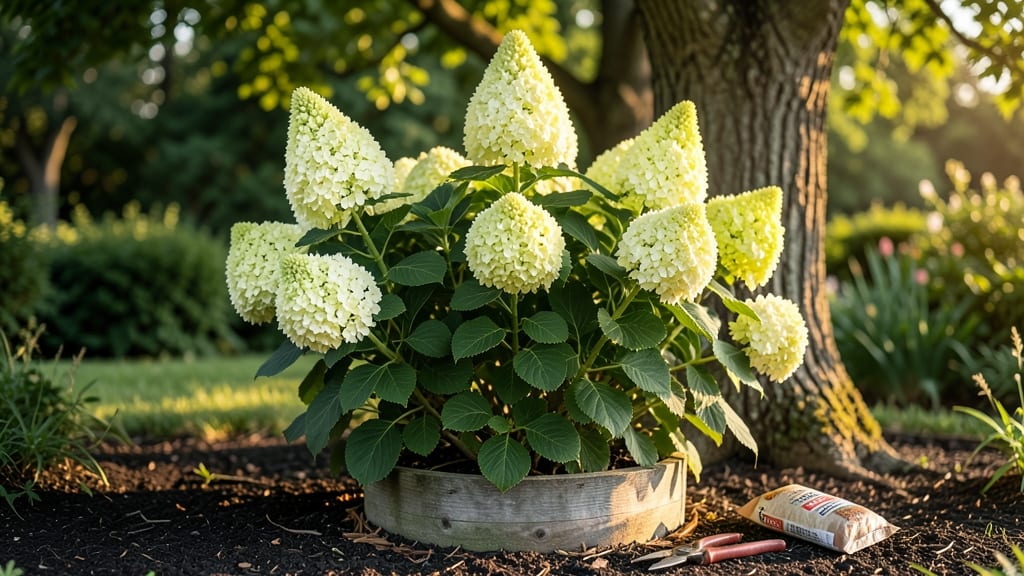
Growing a Limelight Hydrangea 🌸 in shade isn't just possible—it's where these showstopper blooms truly shine.
Struggling to get your Limelight Hydrangea to bloom in shady spots? These shade-loving beauties thrive when given the right care—discover the exact secrets to lush, vibrant blooms year after year. The key lies in understanding how shade affects their growth and adjusting your approach to soil, water, and pruning.
Shade might seem like a challenge, but it actually protects your Limelight Hydrangea from harsh afternoon sun, keeping the leaves lush and the flowers bright.
With the right balance of moisture, nutrients, and strategic pruning, you can transform even the darkest corner of your garden into a stunning display of cream-and-green blooms.
In this guide, I’ll walk you through three essential care secrets—soil prep, watering tricks, and pruning hacks—that guarantee blooms even in the shadiest spots. Ready to turn your shade garden into a hydrangea paradise?
 Best Window Placement
Why Limelight hydrangeas struggle in shade (and how to fix it)
Your Limelight hydrangea might look lush but refuses to bloom in shade? That’s because these beauties need a balance of light, moisture, and acidity to trigger those stunning cream-to-lime blooms.
Too little light means energy goes into leaves instead of flowers, while improper soil conditions can starve the plant of nutrients. Let’s break down the science—and how to fix it.
First, shade reduces photosynthesis, limiting the plant’s ability to produce energy for blooms. Even partial shade (2-6 hours of sun) helps, but deep shade forces hydrangeas to prioritize leaf growth over flowers.
Add low soil acidity (pH 5.2-6.0) and inconsistent moisture, and you’ve got a recipe for sparse blooms. The good news? Simple adjustments can turn things around.
Here’s the core issue: Limelight hydrangeas need morning sun exposure (even indirect) to set flower buds. Without it, they’ll focus on foliage. Combine that with compacted or alkaline soil, and nutrient uptake plummets. Let’s tackle these problems with actionable fixes to ensure your hydrangea bursts into bloom.
| Issue | Root Cause | Fix |
|---|---|---|
| No blooms | Light deprivation | Add 2-4 hours of morning sun; use reflective surfaces near shade. |
| Pale leaves | Low soil acidity | Test pH; amend with sulfur or peat moss to reach pH 5.2-6.0. |
| Wilting | Inconsistent moisture | Water deeply 2x/week; mulch with 3 inches of organic matter. |
| Stunted growth | Nutrient deficiency | Fertilize in early spring with 10-10-10 balanced fertilizer. |
| Yellowing leaves | Overwatering or poor drainage | Improve drainage; water only when top 2 inches are dry. |
Let’s start with light exposure. While Limelight hydrangeas tolerate shade, they need at least 2-4 hours of morning sun to bloom. If your yard is deep shade, try placing a reflective surface (like a white wall or mirror) nearby to bounce light onto the plant.
Even dappled sunlight through trees can help—just avoid hot afternoon sun, which can scorch leaves.
Next, soil acidity is critical. Hydrangeas thrive in acidic soil (pH 5.2-6.0). If your soil is alkaline, the plant can’t absorb iron and phosphorus, leading to weak growth and no blooms.
Test your soil with a home pH kit ($10 at garden centers) and amend with sulfur or pine needles to lower pH. Avoid lime—it raises pH and worsens the problem.
Moisture balance is another key factor. Shade slows evaporation, but consistent moisture is still essential. Water deeply 2-3 times per week (1-2 gallons per watering) and mulch heavily (3 inches of wood chips or straw) to retain humidity. Overwatering causes root rot, while underwatering stresses the plant—both can kill blooms.
Finally, pruning timing matters. If you prune at the wrong time, you’ll cut off next year’s flower buds. Limelight hydrangeas bloom on old wood, so prune right after flowering (late summer) to shape the plant.
Never prune in fall or winter, as this removes next year’s blooms before they form.
By addressing light, soil, moisture, and pruning, your Limelight hydrangea will reward you with vibrant blooms even in shade. Start with soil testing this week—it’s the easiest fix and makes the biggest difference! 🌿
3 Essential care secrets for shade-blooming Limelight hydrangeas
Your Limelight hydrangea can thrive in shade—but only if you follow these three critical care secrets. Unlike sun-loving varieties, shade-dwelling hydrangeas need adjusted watering, targeted pruning, and seasonal feeding to produce those show-stopping blooms.
I’ve grown these beauties in deep shade for years, and these techniques guarantee vibrant flowers even in low-light gardens.
Shade changes everything about hydrangea care. Without enough sunlight, plants rely on consistent moisture and nutrient-rich soil to compensate. Skipping these steps often leads to leggy growth or sparse blooms.
The good news? With the right approach, your Limelight hydrangea will reward you with bold, lime-green blooms that last all summer.
- 1 Prune in Late Winter: Cut back 1/3 of last year’s growth (focus on old wood) to encourage new blooms on young stems. Avoid pruning in fall—this stresses shade plants.
- 2 Feed with Acidic Fertilizer: Use a 10-10-10 NPK formula in early spring (March-April). Shade soil often lacks organic matter, so mix in compost or peat moss for extra nutrients.
- 3 Water Deeply in Morning: Give 1-2 gallons per watering, before 10 AM to prevent fungal diseases. Shade increases humidity, so mulch heavily (3-4 inches) to retain moisture.
Timing is everything when pruning shade hydrangeas. Unlike sun-loving varieties, Limelight hydrangeas bloom on old and new wood, so prune after flowering (late summer) to avoid cutting off next year’s blooms.
I always mark my calendar for February-March—this is when I do my heaviest pruning to shape the plant and encourage airflow, which reduces disease risk in shady spots.
Shade-loving hydrangeas need acidic soil (pH 5.5–6.0) to produce their signature lime-green blooms. Test your soil in early spring and amend with sulfur or pine needles if needed.
I’ve seen pink blooms turn green overnight after adjusting pH—it’s like magic! For extra insurance, top-dress with hydrangea-specific fertilizer in May to support summer blooming.
Watering in shade is a delicate balance. Too little causes wilting, but too much leads to root rot. I use a moisture meter to check soil depth (aim for 1-2 inches of moisture at all times).
In summer heat, I water every 3 days and add a 5-gallon bucket of water around the base weekly. Mulch with wood chips to lock in moisture and keep roots cool.
Pro tip: Deadhead spent blooms in early fall to redirect energy to root growth. This prepares your Limelight hydrangea for next year’s showstopping display. I also avoid fall fertilizing—it encourages tender new growth that won’t survive winter.
With these three secrets, your shade hydrangea will bloom bigger and brighter than ever before! 🌿