
Shrubs
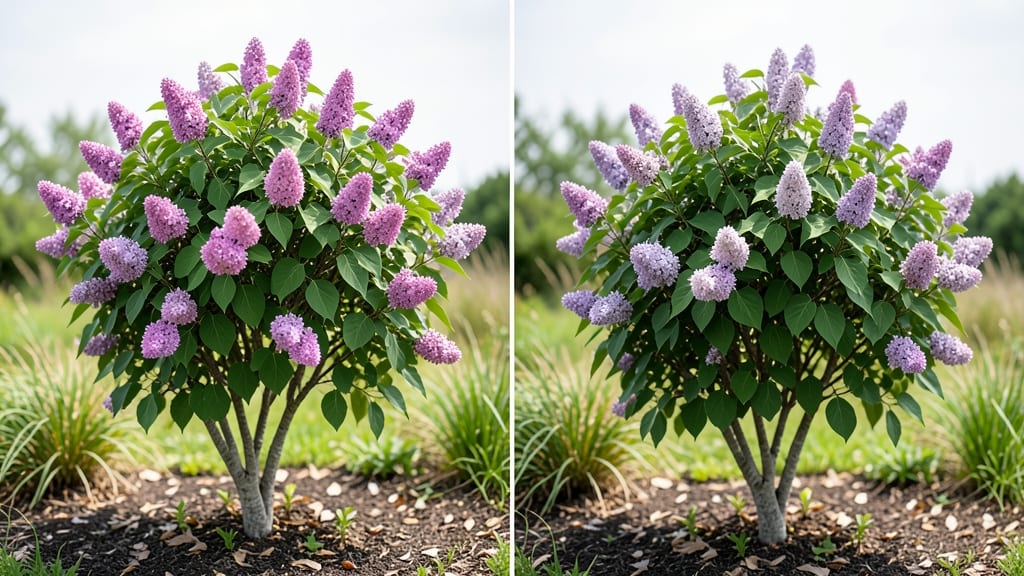
Lilac bushes thrive best in full sun or partial shade 🌸, but getting that balance right can mean the difference between a bush bursting with fragrant blooms and one that barely puts on a show.
Picture this: You’ve just planted your new lilac bush, dreaming of that classic spring perfume filling your yard. But after a year, it’s still sparse, with weak stems and fewer flowers than your neighbor’s. The culprit?
Too much shade, or maybe too much harsh afternoon sun without the right care.
Lilacs are tougher than they look—they adapt to different light conditions—but they do have preferences. Too little sun and you’ll miss out on those showstopping blooms; too much direct heat can scorch leaves.
The key is understanding how to read your lilac’s light needs and tweak its environment for the best results.
In this guide, I’ll walk you through the ideal sunlight for lilacs, how to spot when they’re struggling, and the simple adjustments that can turn a lackluster bush into a fragrant, blooming powerhouse—no matter where you live.
 Best Window Placement
Ideal sunlight requirements for lilac bushes and how to adapt
Lilac bushes (Syringa spp.) are classic spring bloomers that reward gardeners with fragrant, showy flowers—but only when given the right amount of sunlight. While they’re often labeled as full-sun plants, they’re actually quite adaptable.
Understanding their light requirements and how to adapt them to your garden’s conditions is key to maximizing those vibrant blooms year after year.
The ideal sunlight for lilacs is 6 to 8 hours of direct sun daily, but they can tolerate partial shade in hotter climates or northern regions. Too little light leads to sparse flowers and leggy growth, while intense afternoon sun in southern climates can scorch leaves.
Balancing these factors ensures your lilac thrives without stress.
| Light Condition | Sunlight Hours | Bloom Impact | Best For |
|---|---|---|---|
| Full Sun | 6–8+ hours | Abundant, vibrant blooms | Cooler climates (Zones 3–6) |
| Partial Shade | 3–6 hours | Moderate blooms, smaller size | Hot climates (Zones 7–9) |
| Deep Shade | <3 hours | Minimal blooms, weak growth | Avoid unless using shade-tolerant varieties |
In cooler climates like USDA Zones 3–6, lilacs thrive in full sun because they need ample light to develop strong flower buds over winter. However, in hotter regions (Zones 7–9), afternoon sun can cause leaf scorch, so morning sun + afternoon shade is ideal.
Observe your lilac’s leaves—if they’re yellowing or crispy, it’s likely getting too much direct sun.
If your lilac is in partial shade, it may produce fewer flowers but will grow more slowly and compactly. To boost blooms, prune nearby trees or thin out dense foliage to increase light exposure.
For deep shade conditions, choose shade-tolerant varieties like Syringa meyeri or Syringa oblata, which handle lower light better than standard types.
Watch for light-related stress signs: Yellowing leaves often mean too much sun, while weak stems and sparse blooms signal insufficient light. Adjust by gradually acclimating your lilac—move it to a sunnier spot over weeks rather than suddenly exposing it to full sun, which can cause sunburn.
Mulching with organic matter also helps regulate soil temperature and moisture.
For container-grown lilacs, place them in bright, indirect light if full sun isn’t available. Rotate the pot quarter-turns weekly to ensure even growth. In urban gardens with limited space, a south-facing wall or reflective surfaces can amplify light exposure.
Always prioritize well-draining soil—even the right light won’t help if roots sit in soggy conditions.
Regional adjustments matter: In the Southwest, provide afternoon shade with a lattice or umbrella, while in the Northeast, full sun is perfect. Test your garden’s microclimates—some spots may get more sun than others just a few feet away.
Use a sunlight tracker for a week to map your lilac’s exposure accurately.
Remember, lilacs are perennials, so long-term light conditions matter most. If you’re planting a new lilac, choose a permanent spot—they hate being transplanted once established. For existing bushes, adjust slowly and monitor for stress.
With the right light balance, your lilac will reward you with years of fragrant blooms and lush foliage.
🌸
Shade-tolerant lilac varieties and how to maximize blooms in low-light gardens
Not all lilacs need full sun to thrive—some varieties actually prefer shade, making them perfect for woodland gardens or north-facing yards. While most lilacs love sunlight, certain cultivars like Syringa meyeri and Syringa oblata adapt beautifully to partial shade, producing stunning blooms with the right care.
The key lies in selecting the right variety and optimizing growing conditions.
For shade-loving lilacs, pruning strategies and companion planting can dramatically improve light exposure and bloom production. For example, thinning nearby trees or pairing lilacs with sun-loving perennials can create a microclimate that boosts flower power.
Even in low-light areas, these shade-tolerant lilacs can still deliver fragrant, abundant blooms if given proper attention.
Top Shade-Tolerant Lilac Varieties for Low-Light Gardens
- Syringa meyeri ('Palibin'): Compact, dwarf variety with vibrant purple blooms; thrives in partial shade.
- Syringa oblata ('Charles Joly'): Fragrant white flowers, tolerates deep shade better than most lilacs.
- Syringa reticulata ('Amethyst': Purple-pink blooms, adapts to morning sun + afternoon shade.
- Syringa villosa ('Krasavitsa'): Pink flowers, handles filtered light well in woodland settings.
When growing shade-tolerant lilacs, winter pruning is your secret weapon. Prune late winter or early spring to remove dead or crossing branches and open up the center for better air circulation and light penetration. This practice encourages stronger growth and more abundant blooms in the following season.
Companion planting plays a crucial role in maximizing light exposure for shade-grown lilacs. Pair them with tall grasses like Miscanthus or ornamental grasses to create windbreaks while allowing indirect sunlight to reach the foliage. Additionally, low-growing perennials like hostas or ferns can improve soil moisture and root health.
For seasonal light management, consider gradual acclimation if your lilac is transitioning from deep shade to partial sun. Start by exposing it to 1-2 hours of morning sun and gradually increase exposure over 2-3 weeks.
This prevents sunburn on leaves and ensures a smooth adjustment for optimal blooming.
With the right shade-tolerant variety, pruning techniques, and companion plants, your lilac can still thrive and bloom beautifully—even in the shadiest corners of your garden. The key is patience and light management to coax out those fragrant, showstopping flowers every spring. 🌸