
Orchid Care
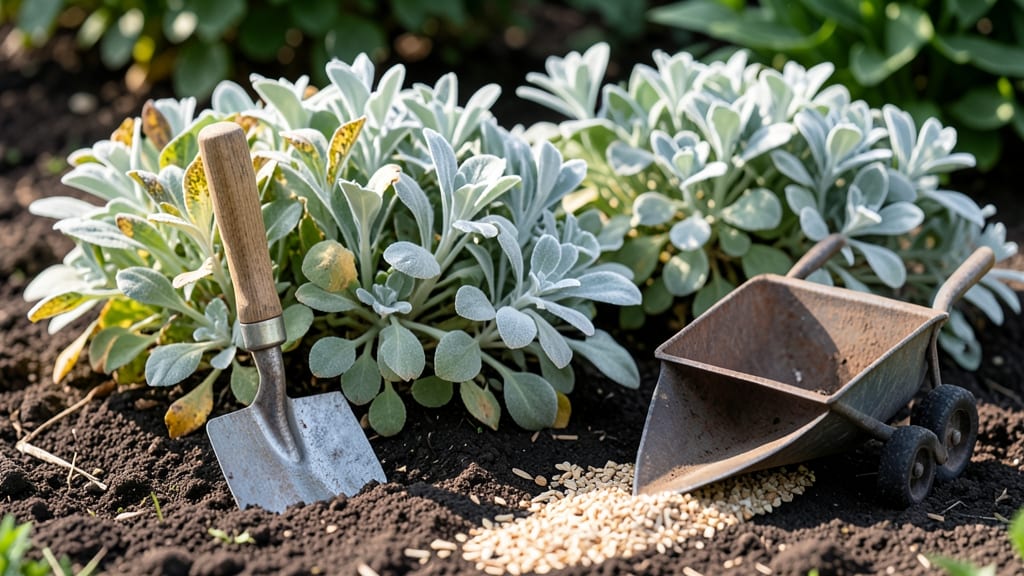
Lamb’s ear thrives in sun or shade 🌿, but getting that balance right is the key to those signature fuzzy leaves you love.
Ever notice your lamb’s ear stretching toward the light or losing its velvety texture? That’s your plant begging for the perfect spot—whether it’s basking in morning sun or lounging in dappled shade.
The difference between a lush, healthy plant and one that struggles often comes down to how much light it’s getting.
Too much sun can scorch those delicate leaves, while too little shade leaves them sparse and leggy. But here’s the good news: with the right adjustments to watering, soil, and placement, you can keep your lamb’s ear happy year-round, no matter your garden’s light conditions.
In this guide, I’ll break down exactly how much sun or shade lamb’s ear needs, how to spot when it’s not quite right, and the simple tweaks that make all the difference. Let’s get started!
 Best Window Placement
Lamb’s ear sun vs shade requirements: the perfect light balance
Lamb’s ear (Stachys byzantina) is a stunning ornamental plant with its signature fuzzy, silver-gray foliage, but its light requirements can make or break its success. Too much sun causes leaf scorch, while too little shade leads to leggy, pale growth.
Finding the perfect light balance ensures those velvety leaves stay lush and vibrant year-round.
This hardy perennial thrives in 4 to 6 hours of sunlight daily, but it’s remarkably adaptable. Whether you’re working with a sun-drenched garden bed or a shady corner, understanding how to adjust care based on light exposure is key.
Let’s break down the ideal conditions and how to spot when your lamb’s ear is under- or over-exposed to sunlight.
| Light Condition | Daily Sunlight | Ideal Location | Leaf Color | Growth Habit |
|---|---|---|---|---|
| Full Sun | 6+ hours | South-facing beds, raised beds | Bright silver-gray | Compact, bushy |
| Partial Shade | 3-4 hours | East/west-facing, dappled shade | Silver-gray with slight green tint | Moderate spread |
| Deep Shade | <2 hours | North-facing, under trees | Pale green, loses texture | Leggy, sparse |
For full sun exposure, lamb’s ear performs best in 6+ hours of direct sunlight daily, especially in south-facing garden beds or raised planters. In these conditions, the leaves maintain their signature silver-gray hue and grow in a compact, bushy habit.
However, afternoon sun in hot climates can cause leaf scorch, so provide afternoon shade if temperatures exceed 85°F (29°C).
In partial shade, lamb’s ear tolerates 3 to 4 hours of morning sun with afternoon shade, ideal for east- or west-facing garden spots. The foliage may develop a slight green tint but remains textured.
This is the sweet spot for most gardeners, offering flexibility in garden design while keeping the plant healthy.
If your lamb’s ear is planted in deep shade (less than 2 hours of sunlight daily), you’ll notice the leaves turning pale green and losing their velvety texture. The plant may also become leggy and sparse, as it stretches toward any available light.
While it can survive in these conditions, it won’t thrive—so consider relocating or supplementing with a grow light if shade is unavoidable.
Seasonal adjustments are crucial, especially in summer and winter. During peak summer heat, lamb’s ear may need afternoon shade to prevent wilting. In winter, it can handle more direct sunlight since days are shorter.
Monitor your plant’s foliage color and growth pattern to fine-tune its light exposure throughout the year.
Watch for visual cues like yellowing leaves (overwatering or too much shade) or brown, crispy edges (underwatering or too much sun). Adjusting the plant’s location or providing dappled shade with a sheer curtain can help correct these issues.
With the right light balance, your lamb’s ear will reward you with lush, velvety foliage all season long.
Pro tip: If you’re unsure about your garden’s light conditions, use a light meter app or observe how other plants grow in the same spot. Lamb’s ear is forgiving, but consistency in light exposure is key to keeping it thriving.
🌿
How to adjust care for lamb’s ear in different light conditions
Lamb’s ear (Stachys byzantina) thrives with flexibility, but its care routine changes dramatically based on whether it’s basking in full sun or nestled in partial shade.
The key lies in adjusting watering frequency, soil moisture, and fertilization timing—all while keeping an eye on those signature fuzzy leaves for clues about its happiness.
In sunny spots, your lamb’s ear will grow bushier and more vibrant, but it demands well-draining soil to prevent root rot from summer heat. Meanwhile, shade-dwelling plants stretch taller and paler, needing gentler care to avoid legginess. Let’s break down how to tailor your approach for each scenario.
Lamb’s ear in full sun needs less frequent watering (every 5-7 days) because heat evaporates moisture faster. In shade, soil stays damp longer—water only when the top 1 inch feels dry. Overwatering sun plants causes root rot, while underwatering shade plants leads to leggy, sparse growth.
Start with soil adjustments—sun-loving lamb’s ear benefits from sandy loam mixed with perlite to improve drainage, while shade plants prefer richer, moisture-retentive soil with added compost. For both, avoid heavy clay, which suffocates roots regardless of light exposure.
Fertilization becomes seasonal in sun vs. shade. In full sun, feed with a balanced 5-10-10 fertilizer every 6 weeks during spring and fall. In shade, reduce to half-strength feedings every 8 weeks, as slower growth means less nutrient demand.
Always apply fertilizer in the early morning to prevent leaf burn.
Reviving leggy or pale lamb’s ear starts with light exposure tweaks. If your plant stretches toward light, it’s begging for more bright indirect sunlight. Move it closer to a south-facing window or prune leggy stems to encourage bushier growth.
For pale leaves, increase sunlight gradually—sudden exposure causes sunburn on fuzzy foliage.
Use this troubleshooting checklist for common issues: ☑️ Yellow leaves = Overwatering (reduce frequency) ☑️ Brown leaf tips = Low humidity or fluoride buildup (use distilled water) ☑️ No new growth = Nutrient deficiency (feed lightly in spring) ☑️ Wilting despite water = Root rot (repot in fresh, dry soil)
With these adjustments, your lamb’s ear will reward you with dense, velvety foliage year-round—whether it’s soaking up morning sun or thriving under the dappled shade of taller perennials. 🌿