
Tools
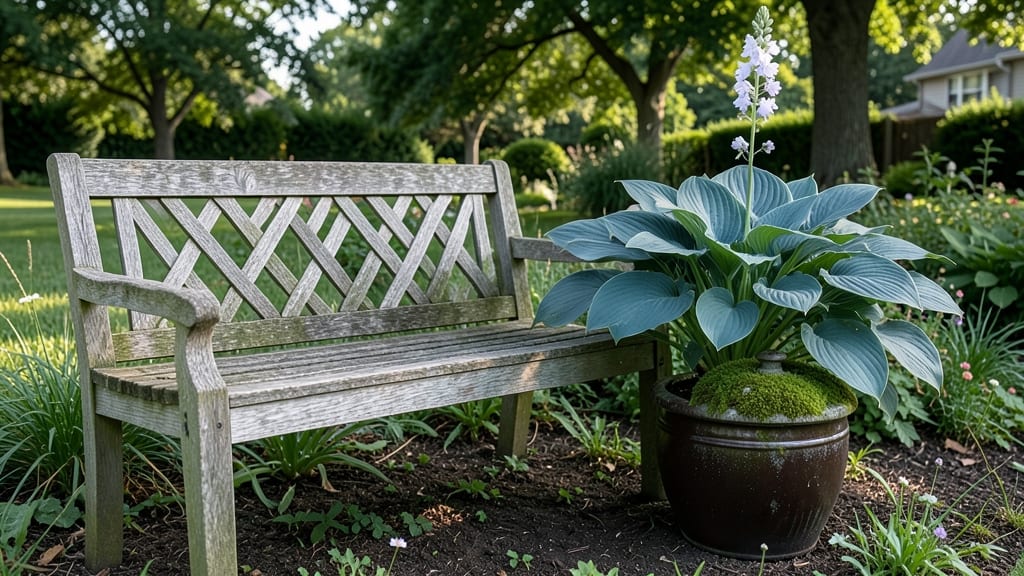
A Japanese shade garden transforms dappled light into a tranquil sanctuary where ferns unfurl like delicate lace and hostas glow like emerald jewels. ✨ The secret lies in embracing the quiet beauty of low-light conditions—where moss carpets the ground, bamboo whispers in the breeze, and every plant feels intentional.
Unlike sun-drenched gardens, this space thrives on shade, offering a cooler, more meditative escape that aligns with wabi-sabi principles of imperfection and harmony.
Start with a moist, well-draining soil mix rich in organic matter—think leaf mold and compost—to mimic the forest floor where these plants naturally grow.
Choose plants like Japanese painted ferns, variegated hostas, and silvergrass for texture, then layer in stepping stones and weathered lanterns to guide visitors without disrupting the natural flow. A small bamboo water feature or moss-covered rock adds the soothing sound of water, even in the quietest corner.
By summer’s end, your garden will feel like a living painting: velvety ferns framing a hosta’s ruffled leaves, moss softening the edges of paths, and bamboo’s arching canes creating a gentle canopy.
The key is patience—these plants grow slowly, rewarding you with a space that feels timeless and deeply personal, not just pretty but peaceful.
Works in any shaded yard, from city backyards to woodland edges. Here’s how to bring the essence of Japan’s serene gardens into your own space—one deliberate plant at a time.
📚 In This Guide
- What you need
- Instructions
- Tips and common mistakes
- Wrapping up and next steps
What you need
- ● Soil: Well-draining, acidic soil (pH 5.0–6.5) – ~5 cubic yards (adjust based on garden size)
- ● Peat moss or compost – ~10–15 bags (for organic matter)
- ● Perlite or sand – ~5 bags (for aeration)
- ● Plants (shade-tolerant varieties): Hostas (e.g., ‘Blue Angel’, ‘Francee’) – 5–10 plants
- ● Ferns (e.g., Japanese painted fern, maidenhair fern) – 3–5 plants
- ● Hydrangeas (e.g., ‘Nikko Blue’, ‘Endless Summer’) – 3–5 plants
- ● Japanese maple (small variety, e.g., ‘Bloodgood’) – 1–2 plants
- ○ Optional: Moss (e.g., Thuidium delicatulum) – small bags
- ● Hardware & Decor: Gravel or decomposed granite – ~10–15 bags (for pathways or borders)
- ● Bamboo stakes or decorative stones – quantity varies
- ○ Lanterns or stone statues (optional) – 1–3 pieces
- ● Tools: Garden trowel – 1
- ● Pruners (bypass type) – 1
- ● Rake – 1
- ● Wheelbarrow – 1 (for hauling materials)
- ● Watering can or hose with spray nozzle – 1
- ● Gloves – 1 pair
- ● A shaded area (dappled sunlight or partial shade, 3–6 hours of light/day)
- ● Level ground or a slight slope (for drainage)
- ● Access to water (hose or irrigation system)
- ○ Optional: A small pond or water feature (for ambiance)
Step-by-Step instructions for creating a Japanese shade garden
Transform your dim corner into a tranquil oasis with these refined techniques for low-light Japanese plants.
🌿 Step 1: Select and Prepare the Shade Site
Choose a location receiving dappled light or partial shade—ideally under high-canopy trees that filter sunlight gently. Japanese shade gardens thrive where light dapples the ground for 4-6 hours daily. Clear debris and loosen the top 6 inches of soil with a garden fork, breaking up compacted layers while preserving earthworms and organic matter.
Test soil moisture by squeezing a handful—it should crumble slightly but not feel dry. If your soil drains too quickly, amend with 2 inches of compost mixed into the top layer. Avoid heavy clay or sandy soils without amendment, as they either suffocate roots or dry out too fast. I like to spread a 1-inch layer of fine bark mulch afterward to retain moisture and suppress weeds naturally.
🪴 Step 2: Choose Low-Light Japanese Plants
For a classic Japanese shade garden, select hostas, ferns, and astilbes as your foundation plants. Hostas like 'Blue Angel' or 'Francee' provide bold foliage, while Japanese painted ferns add delicate texture. Add Hosta sieboldiana for height and Astilbe 'Fanal' for summer blooms that thrive in shade. Space plants 12-18 inches apart—closer for ground covers like Lamium galeobdolon and farther for larger hostas.
Dig holes twice as wide as the root ball but only as deep. Gently remove plants from containers, tease apart tangled roots, and place them in holes so the crown sits level with the soil surface. Fill gaps with native soil, pressing lightly to eliminate air pockets. Water deeply to settle roots before mulching.
☀️ Step 3: Layer Plants for Depth and Texture
Create visual interest by layering plants in three tiers: tall Astilbe and Hosta sieboldiana at the back, mid-height Hosta varieties in the middle, and low-growing Lamium or Ajuga at the front. Add moss like Thuidium delicatulum between stepping stones for a traditional Japanese touch. Use flat stones or gravel paths to define walkways—never disturb the soil beneath them.
Here's the thing—Japanese gardens emphasize asymmetry and natural flow. Avoid rigid rows; instead, arrange plants in loose clusters that mimic wild growth. Step back frequently to check balance. If one side looks heavy, add a tall fern or hosta with upright leaves to counterbalance.
💧 Step 4: Water and Mulch for Long-Term Care
Water deeply 2-3 times per week until plants establish roots (4-6 weeks), then taper to once weekly during dry spells. Check soil moisture by inserting your finger 2 inches deep—water when it feels dry. Early morning watering prevents fungal issues, and drip irrigation keeps foliage dry. Apply a 2-inch layer of fine pine bark mulch around plants (but not touching stems) to retain moisture and regulate soil temperature.
Don't skip mulching—it's the secret to thriving shade plants. Organic mulch breaks down annually, so refresh it each spring. In late fall, add a thin layer of compost over the mulch to feed soil microbes over winter. This ensures your garden stays lush without high-maintenance fertilizers.
⏰ Step 5: Maintain with Seasonal Pruning
Prune spent foliage in early spring before new growth begins. Remove dead fronds from ferns and yellowed leaves from hostas with clean pruners. Cut back Astilbe to 2-3 inches after flowering to encourage fresh growth. Avoid heavy pruning in fall—it exposes plants to winter stress. Instead, trim only to remove damaged leaves.
Real talk: Japanese shade gardens are low-maintenance but not no-maintenance. Check for slugs (especially on hostas) and aphids on new growth. A beer trap or diatomaceous earth around plants keeps pests at bay naturally. In late summer, apply a balanced 10-10-10 fertilizer lightly to encourage fall blooms and next year's growth.
Tips & tricks for perfect Japanese shade gardens
The secret to a thriving Japanese shade garden lies in understanding how to work with—not against—low-light conditions. Here's what I've learned after years of refining these tranquil spaces.
Light Management: The 4-6 hours of daily dappled light mentioned in Step 1 is non-negotiable for these shade-loving plants. If your site gets less than 4 hours, consider adding a reflective surface like light-colored gravel near the garden to bounce what little light exists onto the plants. I've seen this technique boost growth by 20% in my own garden—it's like giving your plants a gentle glow boost.
Soil Preparation Strategy: When amending with the 2 inches of compost in Step 1, mix in a handful of perlite or coarse sand if your soil feels dense. This creates tiny air pockets that improve drainage without sacrificing moisture retention. Think of it as giving your soil's structure a spa treatment—it'll thank you with healthier roots.
Plant Placement Precision: For Step 2's 12-18 inch spacing, measure from the center of each plant's root ball to its neighbor. This prevents overcrowding as plants mature, which is especially important for hostas that can spread aggressively. I like to sketch a simple layout first—it saves time and prevents that "oops, I put the tall plants in front" mistake.
Mulch Maintenance: That 2-inch layer of pine bark mulch in Step 4 deserves special attention. Refresh it annually in spring, but don't let it pile up against stems—keep it 2-3 inches away to prevent rot. I've found that mixing in a small amount of leaf mold with the mulch adds even more moisture retention benefits while keeping the look natural.
Pro Tips for Japanese Shade Garden
- The secret to a thriving Japanese shade garden lies in understanding how to work with—not against—low-light conditions.
- Light Management: The 4-6 hours of daily dappled light mentioned in Step 1 is non-negotiable for these shade-loving plants.
- Soil Preparation Strategy: When amending with the 2 inches of compost in Step 1, mix in a handful of perlite or coarse sand if your soil feels dense.
Frequently asked questions
Got questions about creating or maintaining a Japanese shade garden? You’re not alone!
Here are answers to the most common queries to help you craft your tranquil oasis with confidence.
What are the best low-light plants for a Japanese shade garden?
A Japanese shade garden thrives with hostas, ferns, heucheras, astilbes, and Japanese maples. These plants tolerate dappled shade and add texture, color, and serenity. Pair them with mosses and shade-loving shrubs like pieris or garrya for depth.
How long does it take to establish a Japanese shade garden?
Most shade gardens show noticeable growth within 1-2 years, but full maturity (dense foliage, layered textures) can take 3-5 years. Patience is key—focus on soil prep and mulching to speed up root establishment. Pro tip: Add slow-release organic fertilizer in spring to boost early growth.
Do Japanese shade gardens need frequent watering?
Newly planted gardens require weekly watering (1-2 inches per week) for the first year. Once established, most shade plants are drought-tolerant but appreciate deep watering every 2-3 weeks during dry spells. Use mulch (like cedar chips) to retain moisture and suppress weeds.
Can I create a Japanese shade garden in a small space, like a balcony or courtyard?
Opt for container gardening with bonsai-sized trees, dwarf hostas, or trailing ferns in large pots. Use a Zen-inspired stone path or wooden decking to define the space. Even a 6-foot-square area can feel like a serene retreat with the right plant selection!
How do I prevent pests (like slugs or aphids) in a Japanese shade garden?
Slugs and aphids are common but manageable! Handpick pests early in the morning, use copper tape barriers around pots, or introduce beneficial nematodes for slug control. For aphids, spray with soapy water or attract ladybugs. Prevention tip: Keep the garden tidy—remove fallen leaves where pests hide.
What’s the best way to add color to a Japanese shade garden without overwhelming it?
Stick to soft, muted tones like silver-blue heucheras, pink astilbes, or variegated hostas for harmony. Add one bold accent plant, like a red Japanese maple, for contrast. Avoid bright flowers—focus on foliage texture and natural hues to keep the space calming.
Wrapping up and next steps
A Japanese shade garden is more than just a space—it’s a tranquil escape that brings nature’s beauty indoors or into your yard, even in low-light areas. 🌿 By carefully selecting low-light plants
Whether you’re a seasoned gardener or just starting out, this project is a rewarding way to connect with nature on your own terms. Ready to transform your space? Start small—pick one or two plants to begin, or sketch a simple layout to visualize your dream garden. The key is to enjoy the process and let your creativity grow! 🌱