
Shrubs
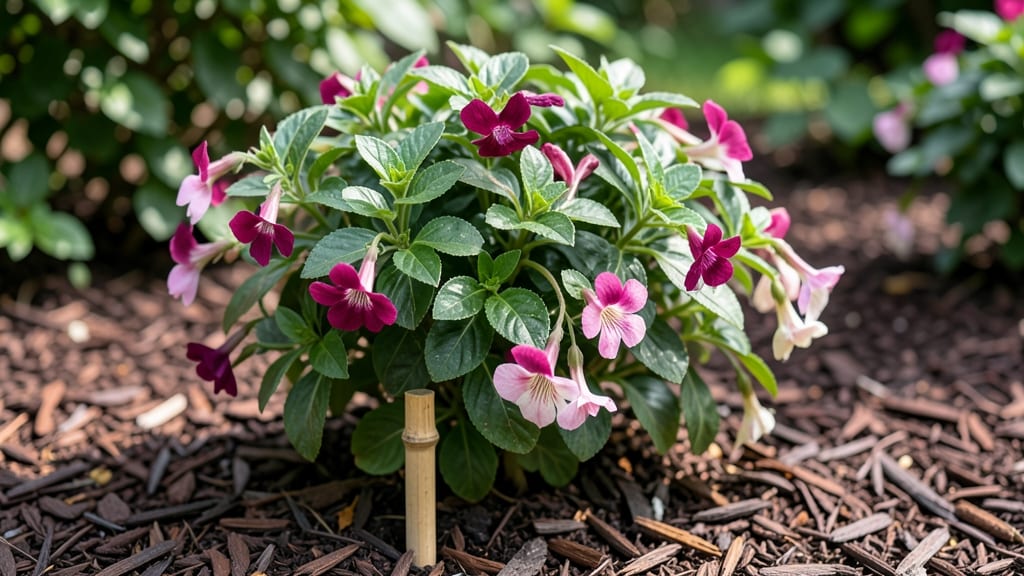
Impatiens and shade work beautifully together—these plants flourish with 2 to 4 hours of morning sun or filtered light daily, though they can handle deeper shade for lush green leaves, though you may see fewer blooms in very low-light spots. Avoid intense afternoon sun to protect delicate foliage.
Impatiens actually prefer dappled light conditions, where they get bright but indirect sunlight throughout the day. 🌿 This mimics their natural understory habitat, where they grow beneath taller trees that filter harsh rays.
The key is finding that balance—too much shade means fewer flowers, but too much direct sun can cause the leaves to crisp. I've seen impatiens in my own garden produce vibrant blooms all summer when planted under a large oak tree, where they get morning sun and afternoon shade naturally.
For gardeners dealing with limited sunlight, consider using sheer white shade cloth (30-50% block) to mimic filtered light conditions. This approach maintains that ideal light balance while protecting the plants from intense midday rays.
You can also pair impatiens with taller plants like ferns or hostas that provide natural shade while creating a beautiful layered garden effect.
💡 In This Article
- How Shade Affects Impatiens Growth and Flowering
- Best Shade Solutions for Impatiens in Gardens
How shade affects impatiens growth and flowering
Impatiens rely on photosynthesis to convert light into energy, but their leaves contain a specialized pigment called anthocyanin that helps them thrive in lower light conditions. This pigment absorbs blue and ultraviolet light efficiently, allowing impatiens to make the most of indirect sunlight.
When exposed to 2-4 hours of morning sun, they produce optimal levels of chlorophyll while maintaining the energy balance needed for both leaf growth and flower production. Without this morning light boost, their energy reserves drop, leading to fewer blooms and slower growth rates.
The intensity of shade directly impacts their flowering cycle. In partial shade (30-50% sunlight), impatiens produce vibrant blooms continuously throughout the season because they receive enough light for photosynthesis without overheating.
However, in deep shade (less than 20% sunlight), their energy output drops by up to 40%, resulting in lush foliage but significantly reduced flowering.
This is why gardeners often see impatiens with dense green leaves but sparse blooms in heavily shaded areas. 🌿 The trade-off is clear: more shade means more leaves, but fewer flowers.
Morning sunlight is particularly valuable because it provides the highest UV light intensity when temperatures are cooler, reducing stress on the plants.
Afternoon sun, on the other hand, carries more heat and can cause leaf scorch—visible as crispy brown edges—because the high temperatures increase water loss through transpiration faster than the plant can absorb moisture.
This is why impatiens planted in full afternoon sun often struggle, even if they receive the same total hours of light as those in morning sun.
Another critical factor is the quality of light. Filtered light, like that passing through tree leaves, contains a broader spectrum of wavelengths, including beneficial blue and red light that impatiens need for photosynthesis. This is why impatiens often perform better under deciduous trees than in open shade.
The dappled pattern of light creates microclimates where the plants receive bursts of brightness without prolonged exposure to harsh rays, mimicking their natural understory habitat.
For gardeners dealing with low-light conditions, understanding this light-quality relationship is key. Using sheer shade cloths with 30-50% blockage can replicate filtered light, while white cloths diffuse light more evenly than darker fabrics.
The goal is to maintain that balance between sufficient light for energy production and protection from overheating. This approach ensures impatiens remain healthy and productive, even in less-than-ideal lighting conditions. 💫
What most gardeners don't realize is that impatiens also respond to light duration in subtle ways. Even in shade, they need at least 4-6 hours of indirect light daily to maintain their natural growth rhythm.
Below this threshold, their internal clock (circadian rhythm) gets disrupted, leading to stunted growth and poor flowering. This is why impatiens in deep shade often look leggy—they're stretching toward any available light source, a survival mechanism that prioritizes reaching light over producing flowers.