
Light Requirements
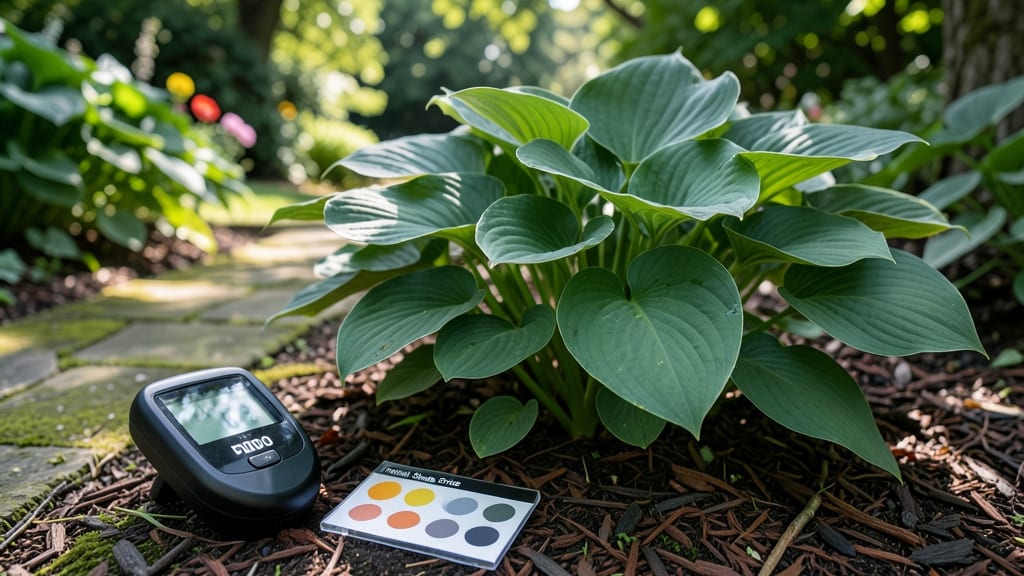
When we talk about part shade, we're describing a specific balance that keeps plants happy without burning them. 🌿 The 3-6 hour range is ideal because it prevents two extremes: leggy, weak growth from too little light and scorched leaves from too much.
I've noticed that morning sun (when temperatures are cooler) plus afternoon shade often creates the perfect natural part-shade environment. For example, plants like hostas and ferns thrive in this setup, while others like impatiens might need slightly more filtered light to avoid stress.
What's interesting is how light intensity changes throughout the year. A spot that gets 4 hours of direct sun in spring might receive 6 hours in summer as the sun climbs higher in the sky.
This is why many gardeners adjust their plant placement seasonally or choose varieties that can handle these natural fluctuations. For instance, moving a shade-loving plant slightly closer to a tree in summer can prevent it from getting too much harsh afternoon light.
💡 In This Article
- Understanding Part Shade Light Requirements by Plant Type
- Adjusting Sunlight for Part-Shade Gardens: Practical Tips
Understanding part shade light requirements by plant type
Part shade isn't a one-size-fits-all measurement—it varies dramatically depending on the plant's native habitat and growth habits.
For example, ferns and hostas thrive with just 3-4 hours of morning sun plus dappled light the rest of the day, as their natural environments typically include forest understories where light filters through dense canopies.
These plants have evolved to maximize photosynthesis in low-light conditions, using their broad fronds to capture even indirect rays. In contrast, impatiens and astilbes often need 4-6 hours of sun, particularly in cooler climates where afternoon light is gentler.
The key difference lies in how plants handle light intensity rather than just duration. A 3-hour sun exposure in a hot, dry climate (like southern California) can be more damaging than 6 hours in a coastal, humid environment (like the Pacific Northwest), where cloud cover naturally diffuses the sun's rays.
This is why gardeners in different zones must adjust their expectations—what works for a shade-loving begonia in Boston might scorch the same plant in Phoenix.
The angle of the sun also matters: plants receiving direct overhead sun (like midday rays in summer) need more protection than those getting gentle morning light (which is cooler and less intense).
Light requirements also shift based on a plant's growth stage. Seedlings and young plants often need less sun (around 2-3 hours) to avoid stress, while mature specimens can handle up to 6 hours as their root systems and leaf canopies develop.
For instance, a young rhododendron might start in a 3-hour sun spot, but once established, it can tolerate 5-6 hours—especially if the afternoon light is filtered through trees. This adaptability is why many gardeners use light meters or shade cloth to monitor conditions and adjust plant placement seasonally.
Another critical factor is the type of shade. Dappled shade (from trees with sparse canopies) provides more light than dense shade (from evergreens or buildings), which can block up to 90% of sunlight.
Plants like caladiums or coral bells often do well in dappled conditions, while others, such as maidenhair ferns, may struggle if the shade is too heavy.
The texture of the leaves also gives clues: plants with thin, delicate leaves (like impatiens) typically need more light than those with thick, waxy foliage (like hostas), which store water and photosynthesize efficiently in lower light.
Understanding these nuances helps prevent common mistakes, like placing a shade-loving plant in a spot that gets full sun for even 2 hours during peak afternoon—this can cause leaf scorch within weeks.
For example, I once saw a prized fern turn crispy after being moved to a 6-hour sun spot in summer, even though it had thrived in the same location in spring. The solution?
Monitoring light exposure with a simple light meter or observation journal to track how many hours of direct sun a spot receives at different times of year.
Seasonal changes also play a role. A spot that offers 4 hours of sun in spring might become a 6-hour zone in summer as the sun arcs higher. This is why many gardeners use shade cloth or temporary screens to adjust light exposure.
For instance, a 30% shade cloth can reduce intense midday sun by half, creating a part-shade effect even in full-sun areas. This flexibility is especially useful for plants like hydrangeas, which prefer morning sun and afternoon shade but can handle more light in cooler months.