
Light Requirements
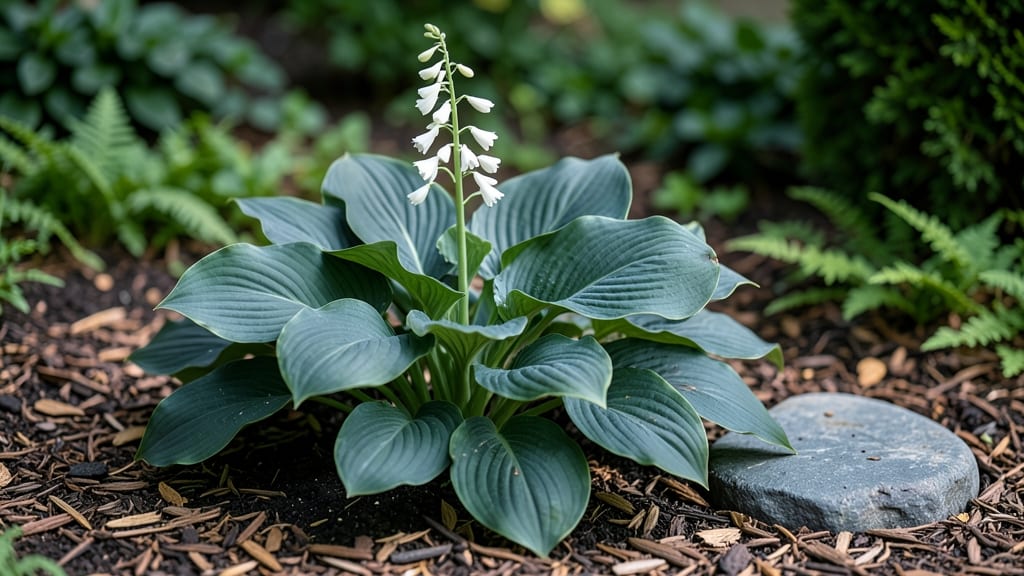
Hostas for partial shade turn your shady spots into velvety green showstops—no sun required. 🌿 I’ve grown them under trees for years, and the right varieties explode with color where other plants struggle, their broad leaves forming lush ground cover that feels like a living carpet.
The secret starts with soil: rich, moist, and well-draining. Amend heavy clay with compost, and mulch heavily to keep roots cool. Water consistently but avoid soggy soil—hostas hate wet feet. Choose compact varieties like ‘Blue Angel’ or ‘Halcyon’ for tight spaces, or let ‘Francee’ sprawl for drama.
By midsummer, you’ll have foliage so thick it blocks weeds and so vibrant it makes neighbors ask for your secrets. The best part? These plants thrive with almost no fuss—just a little TLC after planting, and they’ll reward you for years.
Works in woodland gardens, under eaves, or even in containers. Here’s how to keep them happy in shade.
📚 In This Guide
- What you need
- Instructions
- Tips and common mistakes
- Wrapping up and next steps
What you need
- ● Hostas: Choose 3–5 mature plants (or 10–15 young starts) of your preferred varieties (e.g., Hosta 'Blue Angel', Hosta 'Francee', or Hosta 'Guacamole').
- ● Well-draining soil: Amend native soil with 2–3 inches of compost or organic matter (e.g., peat moss, coconut coir, or aged manure) to improve moisture retention.
- ● Mulch: 2–3 inches of organic mulch (e.g., shredded bark, pine needles, or straw) to retain moisture and suppress weeds.
- ● Watering can or hose: With a gentle spray nozzle for even hydration.
- ● Garden gloves: A pair of durable, breathable gloves to protect your hands.
- ● Trowel or garden spade: A 5–6 inch hand trowel for planting or a round-point shovel for larger areas.
- ○ Balanced fertilizer (optional but recommended): A 10-10-10 or 20-20-20 formula (apply at ½ strength in spring and early summer).
- ● Soil pH test kit: To ensure your soil is slightly acidic to neutral (pH 6.5–7.5), ideal for hostas.
- ● Plant stakes or labels: For tracking varieties (especially useful if planting multiple types).
- ● Slow-release fertilizer pellets: Sprinkle 1–2 cups per plant into the soil at planting time for a nutrient boost.
- ● Slug/bait traps or copper barriers: Hostas are delicious to slugs—protect your plants with organic slug bait or copper tape.
- ● Pruners: Sharp, bypass pruners for trimming dead leaves or dividing mature plants.
- ● Wheelbarrow or bucket: For mixing soil amendments or hauling mulch.
Step-by-Step guide to planting hostas in partial shade
Hostas love shade—here’s how to plant them for bold, healthy foliage that keeps thriving where sun won’t reach.
🌱 Step 1: Choose the Right Spot and Prepare the Soil
Hostas perform best with 4-6 hours of morning sun and afternoon shade, or full shade in hotter climates. Look for areas where sunlight filters through trees or buildings—this gentle light prevents scorching while keeping leaves vibrant. Avoid spots with competing tree roots that steal moisture and nutrients.
Test your soil’s drainage by digging a 6-inch hole and filling it with water. If it drains within 1-2 hours, your soil is fine. If water pools after 4+ hours, amend with 2-3 inches of compost or sand to improve drainage. Hostas hate soggy roots, so prioritize well-draining soil over anything else.
🪴 Step 2: Dig Holes and Plant Crowns Correctly
Dig holes twice as wide as the root ball but no deeper—hostas dislike being buried too deep, which can rot the crown. Space plants 18-24 inches apart for medium-sized varieties (like ‘Blue Angel’), or 30+ inches for large ones (like ‘Francee’). I always plant in early spring or fall when soil temps are 50-65°F—this gives roots time to establish before extreme heat or cold.
Gently remove the hosta from its pot and loosen any circling roots with your fingers. Place it in the hole so the crown sits just above soil level—this prevents water from pooling around the base. Backfill with native soil mixed with 1 cup of compost per plant to boost early growth.
💧 Step 3: Water Deeply and Mulch to Retain Moisture
Water deeply right after planting—soak the soil until it’s 6 inches down, then let it dry slightly before watering again. Hostas in shade need 1 inch of water weekly, but check soil moisture by sticking your finger 2 inches deep. If it feels dry, water; if damp, wait. Overwatering in shade leads to mushy leaves and fungal issues.
Spread 2-3 inches of mulch (like shredded bark or straw) around each plant, keeping it 2 inches away from the crown to prevent rot. Mulch locks in moisture and keeps roots cool—critical in partial shade where soil can dry out unevenly. Replenish mulch annually to maintain protection.
☀️ Step 4: Monitor Light and Fertilize for Vibrant Foliage
If hosta leaves turn pale or stretch toward light, your spot gets too much sun—move plants deeper into shade or add dappled shade with a sheer curtain. Conversely, if leaves look dull or small, they need more indirect light. Hostas in shade grow slower, so fertilize lightly in spring with a balanced 10-10-10 formula—just ½ teaspoon per plant to avoid burning roots.
Watch for slugs and snails in shady, moist areas—they adore hosta leaves! Set out beer traps (shallow dishes of beer) or use copper barriers around plants. A quick spray of neem oil deters pests without harming the foliage. With proper care, your hostas will reward you with lush, variegated leaves all season long.
Tips & tricks for perfect hostas in partial shade
These practical insights will help you create the ideal growing conditions for hostas that thrive in shade.
Lighting Strategy: Pay attention to the quality of shade in your chosen spot. East-facing windows or areas under deciduous trees provide the best partial shade—these spots get gentle morning light while avoiding harsh afternoon sun. I've noticed that hostas in spots with too much filtered light (like through dense evergreens) often develop dull leaves because they're not getting enough light intensity.
Soil Drainage Test: The drainage test in Step 1 is crucial—don't skip it! I've learned the hard way that soggy soil is hostas' worst enemy. If your soil doesn't drain properly, consider creating raised beds or planting mounds to improve drainage. You can also mix in perlite or coarse sand to help with water movement through the soil.
Planting Depth: The crown placement in Step 2 is often where beginners go wrong. Remember, the crown should be just above soil level—never buried. I've seen many gardeners accidentally plant too deep, which leads to crown rot. A good trick is to use a pencil to mark the soil level on the pot before planting, then match that level when placing in the ground.
Mulching Technique: When applying mulch in Step 3, create a donut shape—keep it 2 inches away from the crown to prevent moisture buildup that can cause rot. I like to use shredded hardwood mulch because it breaks down slowly and improves soil structure over time. Just be sure to replenish it annually as it decomposes.
Pro Tips for Hostas For Partial Shade
- These practical insights will help you create the ideal growing conditions for hostas that thrive in shade.
- Lighting Strategy: Pay attention to the quality of shade in your chosen spot.
- Soil Drainage Test: The drainage test in Step 1 is crucial—don't skip it!
Frequently asked questions
Got questions about growing hostas for partial shade? You’re not alone! Here are some of the most common concerns—and their answers—to help you cultivate thriving, lush foliage with ease.
What exactly is "partial shade," and how much shade do hostas need?
Partial shade typically means 3–6 hours of direct sunlight per day, with the rest of the time in dappled light or shade. Hostas are flexible but avoid full sun (which can scorch leaves) or deep shade (which may reduce flowering and slow growth). Aim for a balance—think morning sun + afternoon shade under trees or near structures.
When is the best time to plant hostas in partial shade?
Plant hostas in early spring or early fall for optimal results. This gives roots time to establish before extreme heat or cold. Avoid planting in summer’s peak heat—roots can dry out quickly. Pro tip: Water deeply after planting to settle soil and reduce transplant shock!
How often should I water hostas in partial shade?
Hostas prefer consistently moist (but not soggy) soil. Water 1–2 times per week, depending on rainfall and soil drainage. Signs of underwatering: Wilting leaves or crispy edges. Overwatering? Yellow leaves or mushy stems. Adjust based on your climate—container hostas may need daily watering in hot weather.
What are the most common pests for hostas, and how do I prevent them?
Hostas attract slugs, snails, and deer—but don’t worry, there are solutions! Use organic slug baits (like iron phosphate) or create barriers with copper tape or diatomaceous earth. For deer, try repellent sprays or fencing. Pro tip: Healthy hostas with thick leaves are less appealing to pests—keep them well-watered and fertilized!
Can I grow hostas in containers, and what’s the best soil mix?
Hostas thrive in containers with well-draining soil. Use a mix of potting soil, compost, and perlite or sand (50/30/20 ratio). Ensure the pot has drainage holes and choose a size 2–3 times wider than the root ball. Bonus: Container hostas may need more frequent watering than ground-planted ones.
Do hostas come back every year, or do I need to replant them?
Hostas are perennial plants, meaning they return year after year—often for decades! With proper care (water, shade, and occasional division every 3–4 years), they’ll grow larger and fuller. Division tip: Split clumps in early spring or fall to rejuvenate growth and share with friends!
Wrapping up and next steps
Hostas are the perfect shade-loving superstars for gardens with partial sunlight—offering vibrant foliage, low maintenance, and year-round interest with minimal effort! Whether you’re dealing with dappled light or deeper shade, these plants prove that beauty doesn’t need bright sun to shine. 🌿✨
Ready to transform your garden? Start by selecting the right varieties for your light conditions, then plant with confidence. Add some mulch, water consistently, and watch your hostas flourish into a lush, green oasis. Your shade garden just got an upgrade!