
Flowers
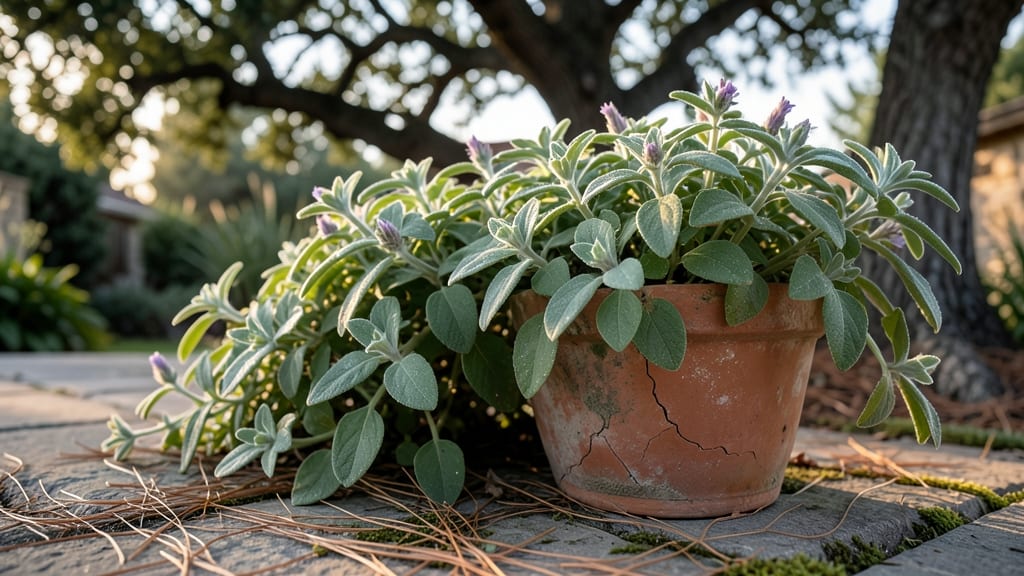
Struggling with shady garden spots that refuse to grow herbs? These 10 shade-tolerant herbs prove that low-light areas can still yield flavorful, fragrant, and medicinal plants with minimal effort. Perfect for urban balconies, forest-edge gardens, or north-facing patios.
Sweet Woodruff for Fragrant Ground Cover

If your garden has areas where sunlight barely touches the soil, sweet woodruff (Galium odoratum) is your secret weapon. This charming, shade-loving herb thrives in deep shade gardens where most plants struggle, spreading gently to create a fragrant, weed-suppressing carpet.
Plant it in moist, well-drained soil with a slightly acidic to neutral pH, and watch it spread quickly—ideal for filling gaps under trees or along woodland edges. Crush the leaves to release its vanilla-like scent, perfect for sensory gardens or as a natural air freshener. It’s also deer-resistant and attracts pollinators with its delicate white flowers in spring.
Woodland gardeners and those seeking a low-maintenance living mulch will love sweet woodruff, as it thrives with minimal care once established. 🌿
Culinary Mint Varieties for Shady Pots

If your balcony or patio gets little sunlight but you still crave fresh herbs, culinary mint is your secret weapon. These fast-growing varieties like 'Mocha' (with rich purple-brown leaves) or 'Chocolate' (with deep green foliage) thrive in shady pots while repelling pests naturally—no chemicals needed.
Mint prefers morning sun or dappled shade, making it perfect for urban spaces under trees or north-facing walls. Plant in well-draining potting mix and keep soil consistently moist (but not soggy). Harvest leaves regularly to encourage bushier growth, and use them in tea blends, cocktails, or garnishes—their bold flavors shine even in low-light conditions.
This is the ideal herb for urban gardeners, beginners, or anyone with limited sunlight. Plus, its strong scent deters ants and mosquitoes, making it a dual-purpose powerhouse. 🌿
Lemon Balm for Bright Citrus Flavors

If you crave that fresh citrus aroma without needing full sun, lemon balm is your shade-loving superstar. This hardy perennial thrives in partial to full shade, making it perfect for north-facing gardens, under trees, or even deep shade spots where other herbs struggle.
Harvest its bright yellow-green leaves for homemade teas, natural pest repellent sprays, or calming herbal infusions. Unlike its sun-loving relatives, lemon balm grows aggressively—often reaching 3 feet tall—and spreads via underground runners. For best results, plant in moist but well-drained soil and prune regularly to encourage bushier growth and prevent it from taking over.
This versatile herb is ideal for beginner gardeners or those with limited space, as it grows well in containers. Its dual-purpose nature—both ornamental and functional—makes it a must-have for shade gardens. 🌿
Golden Creeping Thyme as Edible Ground Cover

Tired of barren pathways or rocky patches that refuse to grow anything useful? Golden creeping thyme transforms these spaces into fragrant, drought-proof ground cover that doubles as a kitchen staple. This shade-loving thyme variety thrives where others fail, spreading slowly into a lush, golden-green carpet perfect for rock gardens or between stepping stones.
With its drought-resistant nature, this thyme needs little water once established and handles partial shade beautifully—ideal for north-facing beds or woodland edges. The tiny purple flowers attract pollinators, while the leaves add subtle thyme flavor to soups, stews, or cocktails. Simply shear back after flowering to keep it dense and tidy.
Urban gardeners and rock garden enthusiasts will love how this low-maintenance plant suppresses weeds while adding texture and scent. It’s the perfect solution for shady spots that need both beauty and function! 🌿
Chives for Onion-Like Flavor in Shade

If you’ve ever wished for a culinary allium that thrives in shade, chives are your answer. Unlike sun-loving onions or garlic, chives adapt beautifully to partial shade, making them one of the few edible alliums perfect for containers or shaded garden beds.
Plant chives in well-draining soil with morning sun or dappled shade, and you’ll enjoy edible flowers and leaves for garnishes, soups, or pest control. Their cold-hardy nature means they’ll return year after year, even in cooler climates. For extra flavor, harvest the purple-stemmed variety—it’s milder but stunning in pots.
Urban gardeners and balcony growers will love chives, as they’re container-friendly and add a subtle onion kick without needing full sun. Plus, their deer-resistant leaves make them a low-maintenance choice. 🌱
Sweet Annie for Mosquito-Repellent Leaves

Tired of battling mosquitoes in your shady garden spots? Sweet Annie (Artemisia annua) is the unsung hero you’ve been missing—this fragrant, mosquito-repelling herb thrives in partial to full shade while adding beauty to your garden. Unlike its sun-loving relatives, it flourishes where most herbs fail, making it a must-have for shaded patios or woodland gardens.
Plant Sweet Annie in well-drained soil with partial shade (3–6 hours of sunlight daily), and let its ferny, aromatic leaves deter pests naturally. The delicate white flowers in summer add a touch of elegance, while its medicinal properties (used in malaria treatments historically) make it a functional powerhouse. Snip leaves fresh for teas or potpourris, or let the scent waft through your garden to keep bugs at bay.
This herb is ideal for urban gardeners with limited sun or forest-edge gardeners seeking dual-purpose plants. Its low-maintenance nature and pest-control benefits make it a standout in any shade garden. 🌿
Hostas with Medicinal and Ornamental Value

If you're looking to add ornamental value to your shade garden while supporting delicate herbs, hostas are the perfect understory companions. While not culinary herbs, their broad, lush foliage creates a protective canopy for more sensitive plants like sweet woodruff or chives.
Varieties like 'Blue Angel' offer more than just beauty—their leaves contain allantoin, a compound used in traditional medicine to promote healing and reduce inflammation. Plant them in moist, well-draining soil with partial to full shade, and watch them attract beneficial insects like ladybugs and lacewings that prey on garden pests. Their striking foliage also adds texture and color contrast to shady borders.
Shade gardeners and those with woodland-style gardens will appreciate hostas' low-maintenance nature and ability to thrive where other plants fail. 💚
Peppermint for Cooling Shady Spots

When your shady spot needs a cooling, fragrant herb that thrives where others fail, peppermint is the answer. Unlike its sun-loving cousins, peppermint handles partial to full shade better than spearmint, making it perfect for north-facing patios or under dense tree canopies where other herbs wilt.
This powerhouse herb grows aggressively—so aggressively that it needs dedicated containers (at least 12 inches deep) to prevent it from taking over your garden. Its potent, cooling leaves are ideal for homemade teas, infusions, or even natural cooling remedies when crushed fresh. For best results, plant in well-draining potting mix and keep soil consistently moist, but never soggy. Harvest regularly to encourage bushier growth and prevent it from becoming leggy.
Urban gardeners and those with limited space will love peppermint, as it delivers high yields in small containers while repelling pests with its strong aroma. Just be prepared for its enthusiastic growth—it’s worth the effort for its refreshing, minty rewards! 🌱
Japanese Mint for Unique Culinary Uses

Looking for a shade-loving herb that adds a unique twist to your culinary creations? Japanese mint (Mentha japonica) delivers an anise-like flavor—sweeter and more complex than common mint—while thriving where others fail. Unlike its aggressive relatives, this herb grows in neat clumps rather than spreading invasively, making it perfect for containers or garden beds.
Plant it in partial to full shade with consistently moist, well-drained soil, and harvest its triangular leaves year-round for teas, desserts, or pest control sprays. Its delicate white flowers also attract pollinators, adding beauty to shady corners. Unlike peppermint, it won’t take over your garden—ideal for urban gardeners or small-space growers.
This versatile herb is a game-changer for shade gardeners who want both flavor and function without the hassle of invasive spread. 🌱
Oregano 'Greek' for Partial Shade Gardens

If you love Mediterranean flavors but struggle with shady garden spots, Oregano 'Greek' is your game-changer. Unlike traditional oregano that demands full sun, this unique variety thrives in partial shade, making it perfect for urban balconies, north-facing patios, or under tree canopies where other herbs fail.
Plant it in well-draining soil with at least 3-4 hours of indirect light daily, and you'll enjoy its intense, slightly peppery flavor ideal for pizzas, pasta, or Greek salads. The 'Greek' variety produces smaller, rounded leaves with delicate purple flowers that add visual interest. For best results, grow it in containers (it's not invasive like mint) and harvest leaves regularly to encourage bushier growth.
This shade-tolerant oregano is ideal for urban gardeners, apartment balconies, or Mediterranean cuisine lovers who want flavorful herbs without sacrificing sunlight. Its adaptability makes it one of the most versatile shade herbs for culinary use. 🌻