
Flowers
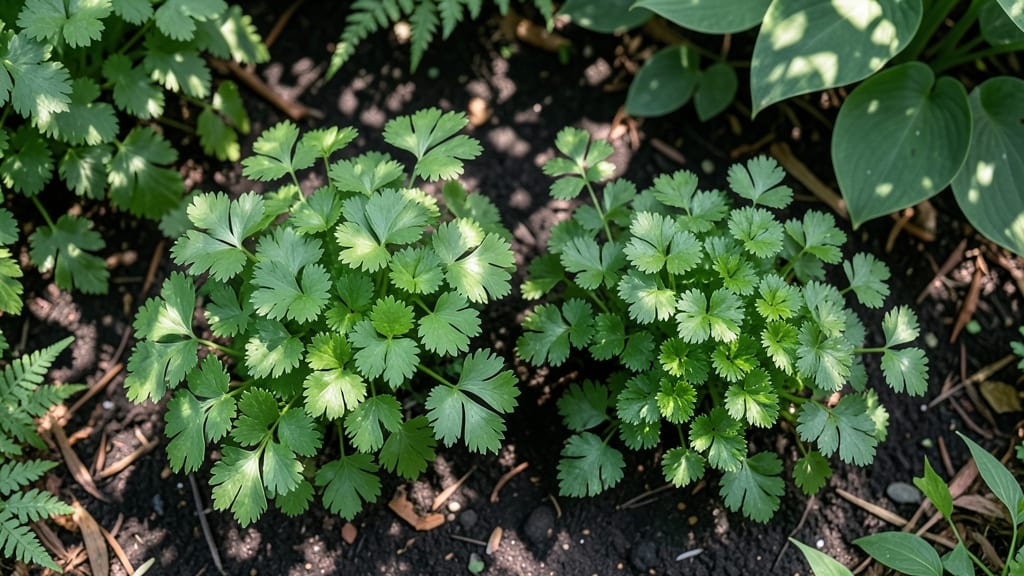
Struggling to grow herbs in shady spots? These seven shade-tolerant varieties thrive in low-light conditions while offering culinary, medicinal, and aromatic benefits—perfect for balconies, patios, or forest-edge gardens.
Sweet Woodruff for Fragrant Ground Covers
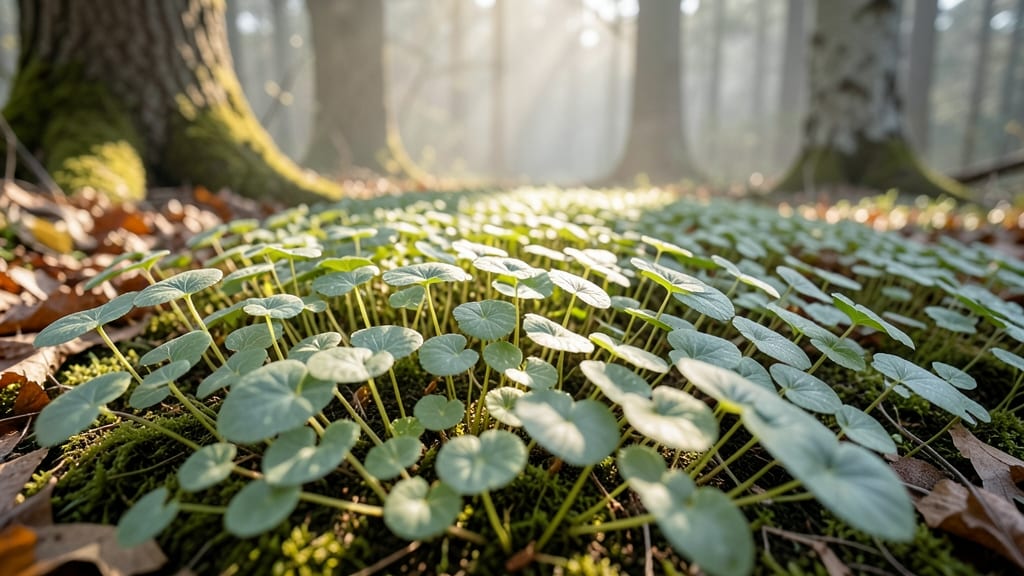
Transform your shady garden into a fragrant woodland retreat with sweet woodruff, a low-growing herb that thrives where sunlight barely touches. Its delicate, vanilla-scented leaves release a dreamy aroma when brushed, making it perfect for under trees or forest-edge plantings.
This hardy perennial spreads gently to form lush green carpets while attracting bees and butterflies with its tiny white flowers in spring. It tolerates full to partial shade and even performs well in moist, well-drained soil—ideal for areas where other plants struggle. Simply mulch to retain moisture and watch it flourish year after year.
Perfect for gardeners seeking sensory-rich shade plants, sweet woodruff adds both beauty and fragrance without demanding care. 🌿
Mint Varieties for Bold Flavors
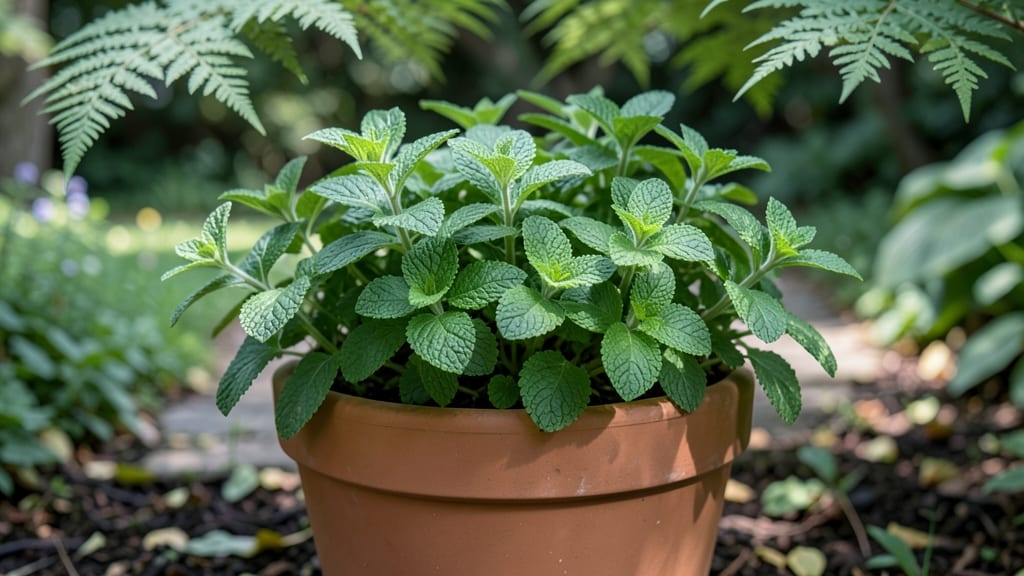
Tired of mint escaping into your garden like an uninvited guest? Peppermint and spearmint thrive in partial shade, making them perfect for containers where their aggressive spread won’t take over your flower beds. These bold-flavored varieties are also shade-tolerant, producing vibrant leaves even with just 3-6 hours of indirect sunlight per day.
For best results, plant in well-draining soil and harvest regularly to encourage bushier growth. Peppermint has a stronger, cooler flavor ideal for teas and desserts, while spearmint offers a milder taste perfect for garnishes and sauces. Both varieties can handle occasional drought once established, but keep soil consistently moist during their first growing season.
Urban gardeners and balcony growers will love how mint’s compact container varieties fit small spaces while delivering fresh, homegrown flavor. Just remember: these plants are escape artists—always use containers with drainage holes! 🌱
Lemon Balm for Citrusy Tea Blends
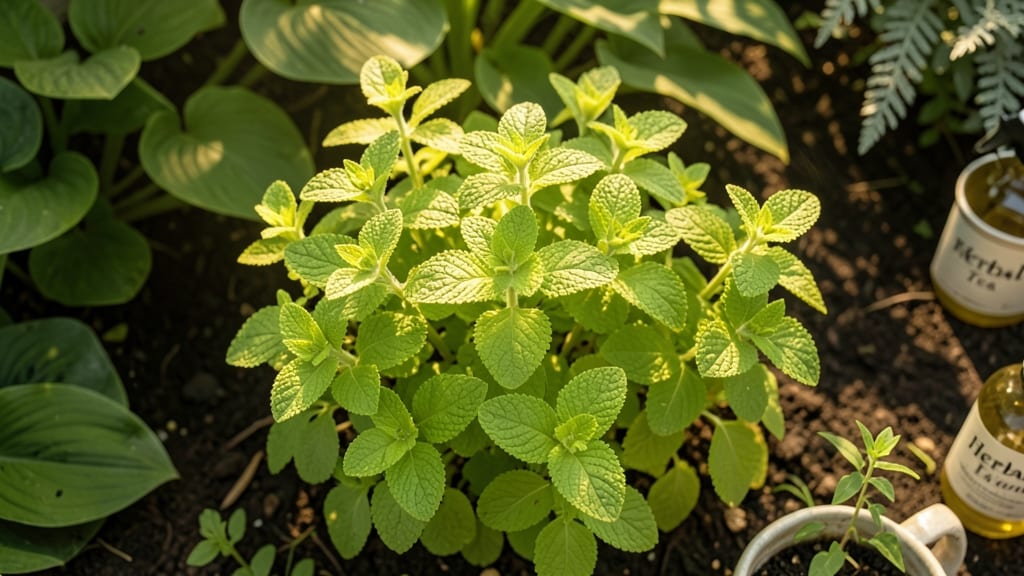
Want a sunlight-agnostic herb that thrives in shade while adding zesty flavor to your garden? Lemon balm is your answer—this hardy perennial produces bright, lemon-scented leaves perfect for teas, pest-repellent sprays, and even homemade lemonade. Unlike fussy herbs, it grows happily in partial to full shade, making it ideal for under trees or north-facing windows.
Plant lemon balm in well-draining soil with consistent moisture (it dislikes drought), and watch it spread gently via runners. Pinch back flowers to encourage leaf production, and harvest leaves anytime for fresh tea blends or homemade sprays that deter aphids and mosquitoes. Its minimal care and year-round growth in mild climates make it a kitchen garden staple.
This versatile herb is a must-have for urban gardeners or anyone with limited sunlight—it’s the only shade-loving herb that doubles as a fragrant, functional, and low-maintenance powerhouse. 🌿
Chervil with Delicate Parsley-Like Leaves
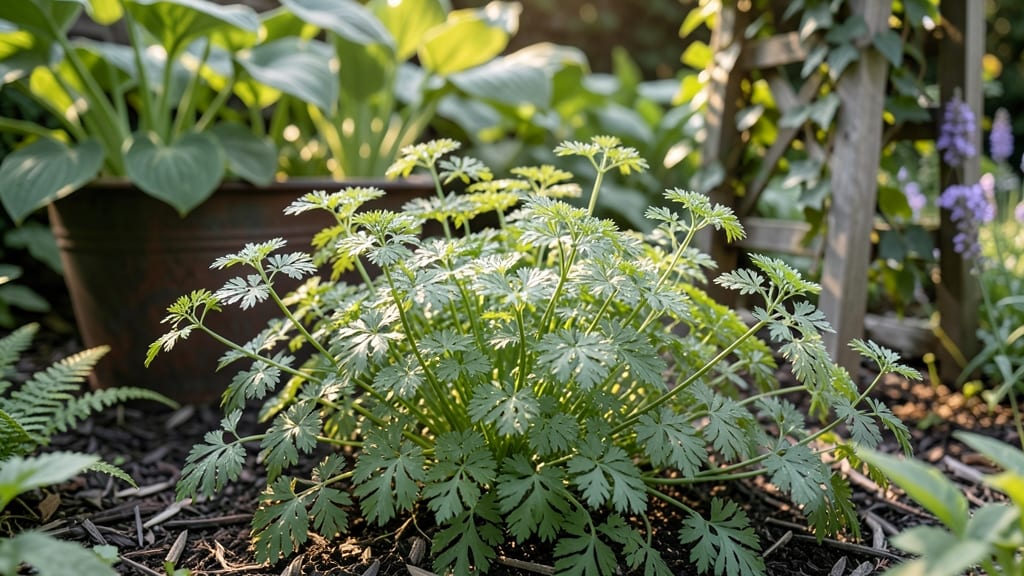
If you love French cuisine but struggle with herbs that demand full sun, chervil is your perfect shade-loving ally. This delicate, parsley-like herb thrives in partial to full shade, making it ideal for understory gardens, north-facing beds, or even container setups on shaded patios.
Chervil’s anise-like flavor (milder than tarragon) elevates salads, soups, and sauces, but it’s fussy about timing—plant in early spring or fall when temperatures stay below 75°F. Keep soil consistently moist but well-drained, and pinch back flowers to prolong leaf production. It bolts quickly in heat, so treat it as a cool-season annual.
Chefs and home gardeners in Pacific Northwest or Appalachian climates will find chervil a reliable harvest, while urban gardeners can grow it in deep containers. Just remember: patience is key—it takes 60-70 days to mature, but the flavor reward is worth it. 🌿
Cilantro for Shady Container Gardens
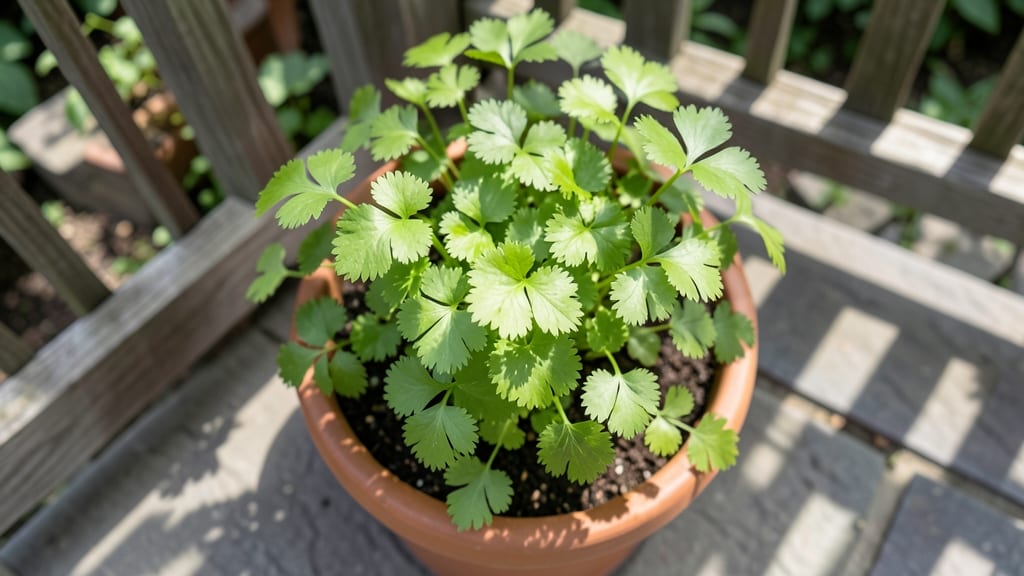
Need fresh cilantro for your favorite salsas but lack a sunny spot? This fast-growing annual thrives in partial shade, making it perfect for balconies, patios, or containers under trees. Its bright, citrusy leaves add vibrant flavor to dishes while tolerating conditions where other herbs would struggle.
Sow seeds directly in well-draining soil with 4-6 hours of morning sun or dappled shade. Keep soil consistently moist (but not soggy) and harvest outer leaves regularly to encourage bushier growth. Since cilantro bolts quickly in heat, plant in early spring or fall for the best results, or choose slow-bolting varieties like 'Calypso' for extended harvests.
Balcony gardeners and urban dwellers will love how cilantro fits small containers—just ensure pots have drainage holes. With its quick growth and shade tolerance, you’ll enjoy homegrown cilantro without sacrificing sunlight for other plants. 🌱
Lavender for Fragrant Shade Tolerance
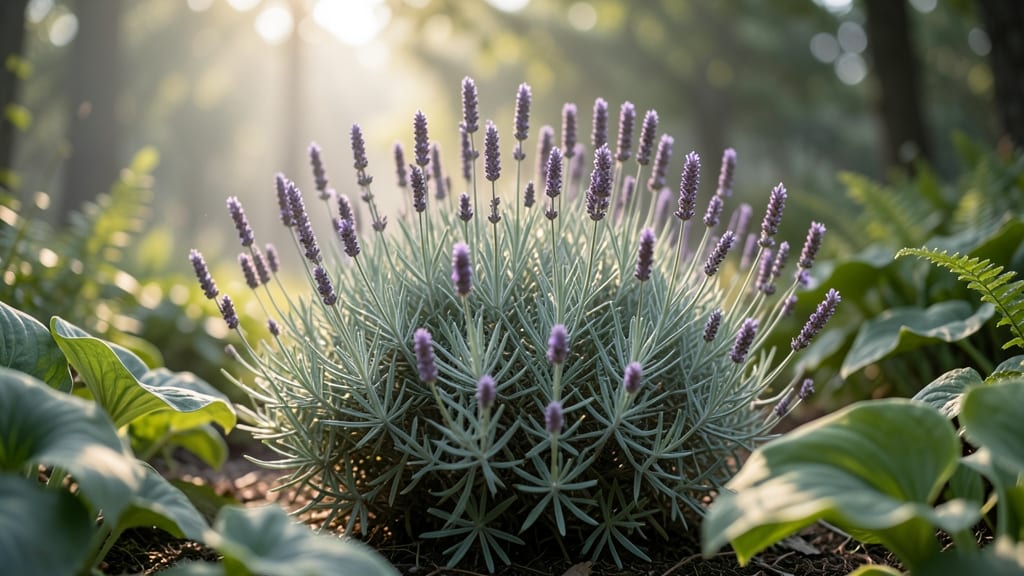
Skip the full-sun requirements and bring lavender’s signature fragrance to your shady garden with dwarf varieties like 'Munstead'. Unlike traditional lavender, these compact plants thrive in partial shade, producing silvery foliage and delicate purple blooms that release calming aromas while naturally repelling mosquitoes and moths.
Plant in well-draining soil with morning sun and afternoon shade—this mimics their Mediterranean roots while adapting to cooler climates. Water sparingly (lavender hates soggy roots) and prune lightly after flowering to maintain shape. Hanging baskets or small garden beds are perfect for these 12-18 inch varieties, making them ideal for balconies or cottage-style gardens.
Perfect for gardeners who love lavender’s beauty and scent but lack sunny spots, these shade-tolerant varieties add year-round interest and practical pest control. 🌻
Parsley for Nutrient-Rich Shade Growth
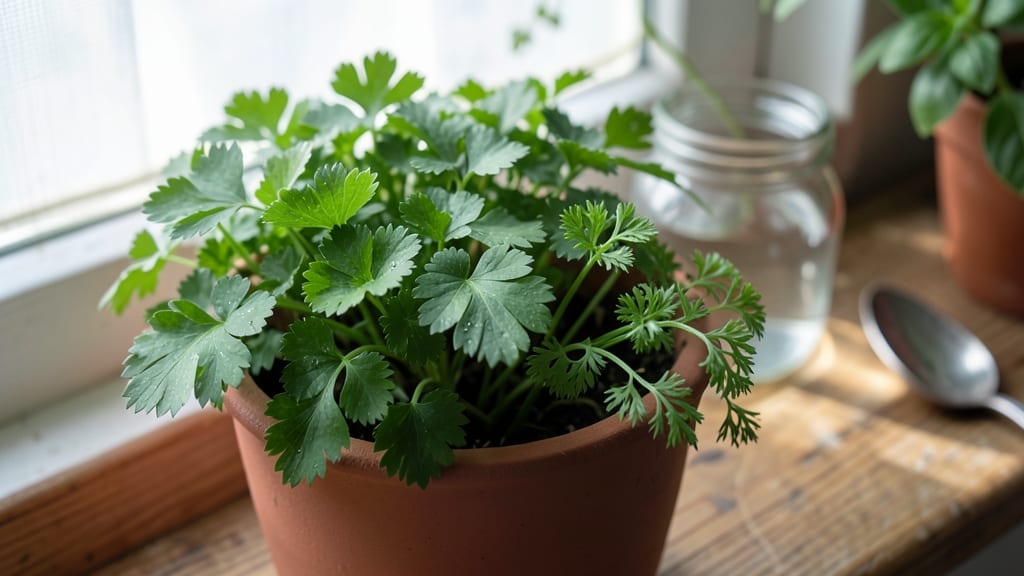
Want a nutrient-packed herb that thrives in shade without sacrificing flavor? Parsley—both flat-leaf and curly varieties—is a powerhouse of vitamins K and C, perfect for windowsills or patio pots where sunlight is limited. Unlike sun-hungry herbs, parsley adapts well to partial shade, making it ideal for north-facing balconies or understory garden spots.
Start with soaked seeds (they’re slow to germinate—up to 3 weeks!) in well-draining soil, and keep it consistently moist but not soggy. Flat-leaf parsley offers a milder taste, while curly parsley adds texture to dishes. Pinch back stems to encourage bushier growth, and harvest outer leaves first to prolong production. This herb’s hardiness means it can even survive light frosts, extending your harvest season.
Urban gardeners and small-space growers will love how parsley fits into 6-inch pots while delivering fresh, homegrown flavor year-round. Just remember: patience pays off—its slow start leads to bold, flavorful rewards. 🌱