
Light Requirements
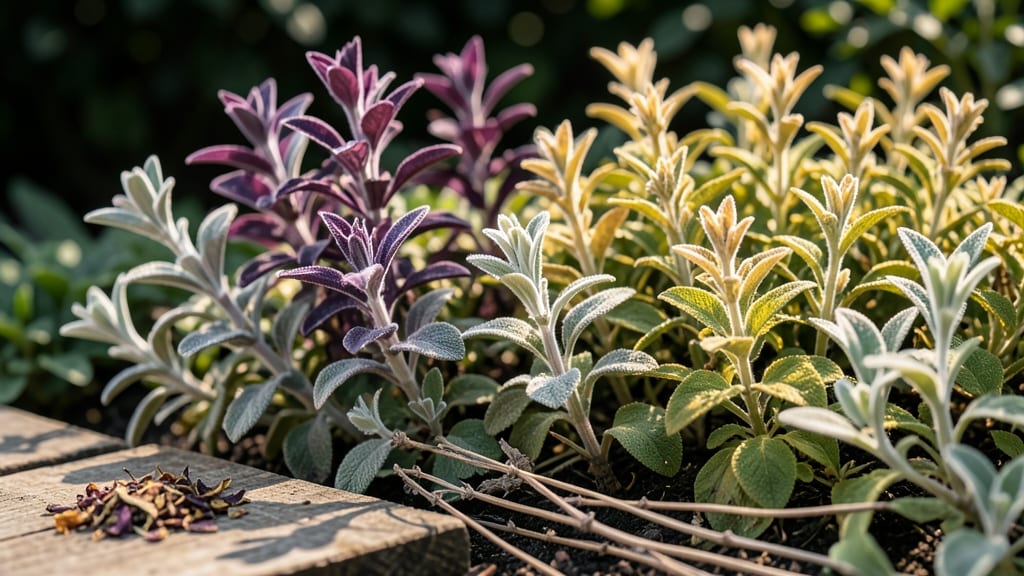
Struggling to grow herbs in your dimly lit garden? These 10 shade-tolerant herbs thrive where others fail, offering flavor, fragrance, and medicinal benefits without needing direct sunlight.
Sweet Woodruff for Fragrant Ground Cover
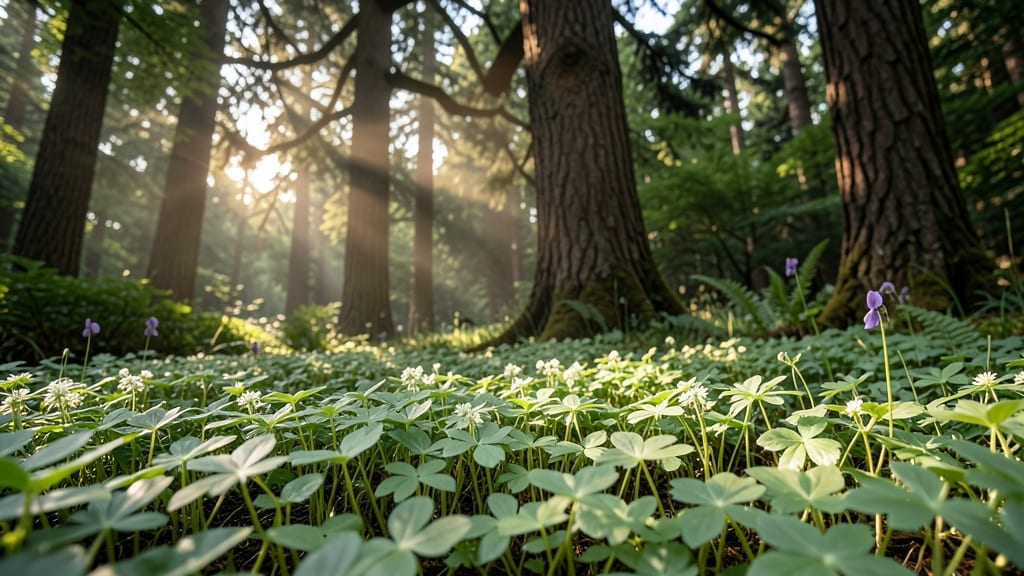
Want to transform your shady garden corner into a fragrant woodland retreat? Sweet woodruff is your secret weapon—a delicate herb that thrives under tall trees while filling the air with a vanilla-like aroma when brushed against. Unlike most herbs, it doesn’t need bright sunlight to flourish, making it ideal for spots where others would struggle.
This low-growing perennial spreads gently to form a lush, fragrant ground cover that loves moist, well-drained soil. Plant it in spring or early fall, spacing clumps 12 inches apart, and watch it fill gaps beneath shrubs or along forest edges. While it prefers shade, it tolerates partial sun too, though the scent intensifies in cooler, dimmer conditions. Harvest leaves in spring for herbal teas or dried potpourri.
Perfect for gardeners with woodland gardens or shaded patios, sweet woodruff adds both beauty and scent without demanding full sun. It’s also a great companion plant, deterring pests naturally. 🌿
Mint Varieties Thriving in Partial Shade
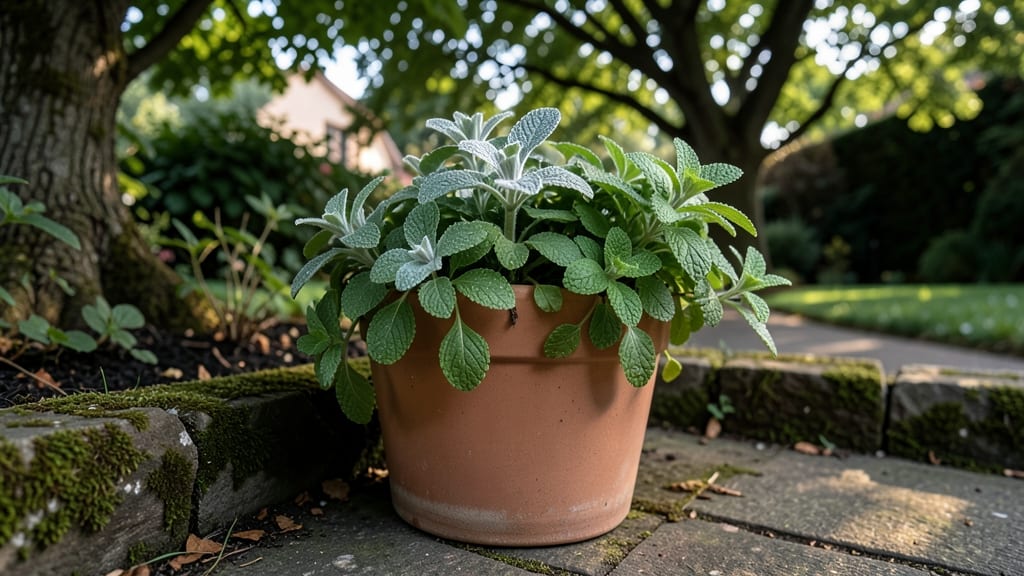
If you love the bold flavor of mint but struggle with its invasive nature in sunny spots, partial shade is your secret weapon. Varieties like Mocha Mint and Peppermint grow aggressively without spreading uncontrollably, making them perfect for containers or shaded garden corners.
These shade-loving mints thrive with 3-6 hours of indirect light daily and prefer moist, well-draining soil. Unlike their sun-loving cousins, they won’t bolt or lose potency, delivering intense flavors ideal for iced teas, mojitos, or fresh garnishes. Prune regularly to encourage bushier growth and prevent legginess.
Urban gardeners and small-space growers will appreciate how these varieties stay compact while still packing a punch. Plus, their fragrant leaves repel pests naturally, making them a dual-purpose workhorse. 🌿
Chives with Purple Stems for Edible Beauty
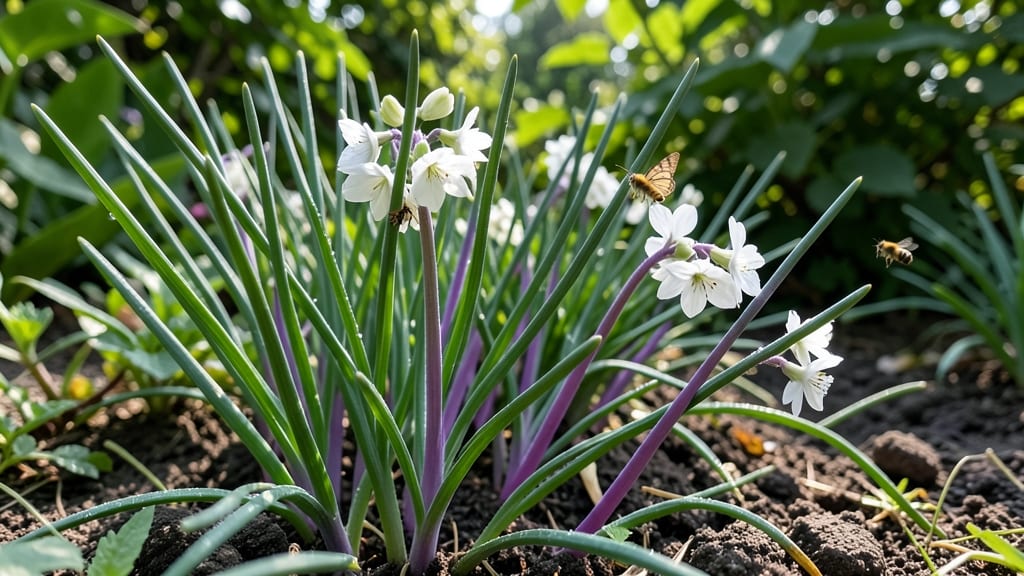
If you’ve ever struggled to grow onions or garlic in shady spots, chives with their striking purple stems might just be your solution. This hardy herb thrives in partial shade, producing delicate white flowers that double as a pollinator magnet while keeping your kitchen stocked with mild onion flavor.
Plant chives in well-draining soil and water moderately—overwatering can cause rot. They’re perfect for containers or garden beds, and their year-round greens (in mild climates) make them a low-maintenance staple. Snip leaves as needed, and let the flowers go to seed for extra beauty and wildlife support.
Urban gardeners and beginners will love how forgiving chives are—they’re pest-resistant and regrow quickly after harvesting. Plus, their ornamental flowers add a touch of elegance to any shade garden. 🌱
Lemon Balm for Calming Tea Blends
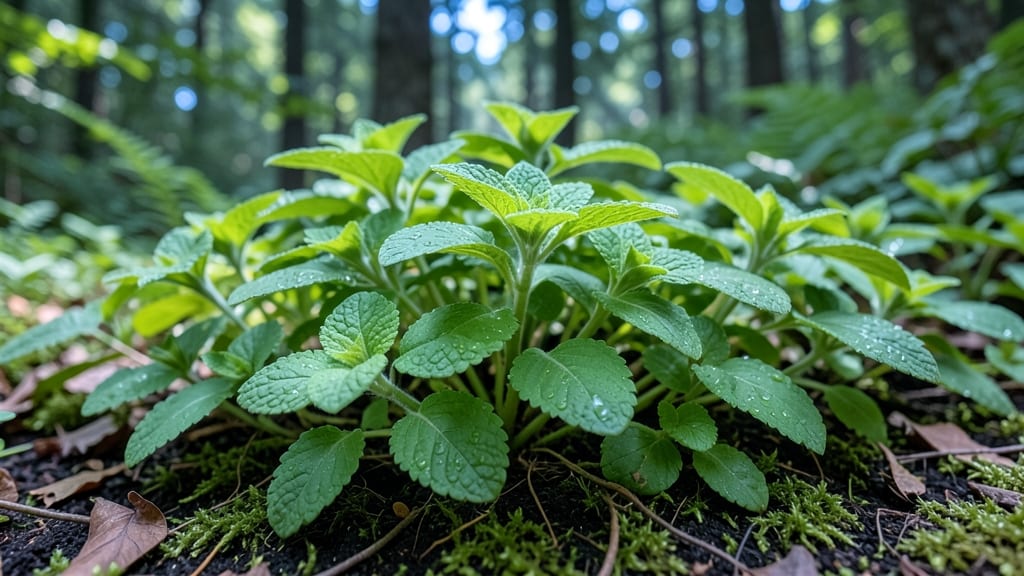
Transform your shady spots into a calming herbal retreat with lemon balm, a shade-loving herb that thrives where others fail. Its bright green, heart-shaped leaves pack a citrusy aroma and natural compounds like rosmarinic acid—known to reduce stress and promote relaxation.
This hardy perennial grows best in partial to full shade, tolerating 3-6 hours of sunlight daily while still producing abundant foliage. Plant it in well-draining soil with moderate moisture, and watch it spread gently—it’s non-invasive and perfect for containers or garden beds. Harvest leaves throughout the growing season for fresh tea blends or dried bundles.
Urban gardeners and tea enthusiasts will love lemon balm’s dual-purpose appeal: it’s a fragrant, medicinal herb that’s as easy to grow as it is beneficial. 💚
Cilantro Under Tree Canopies
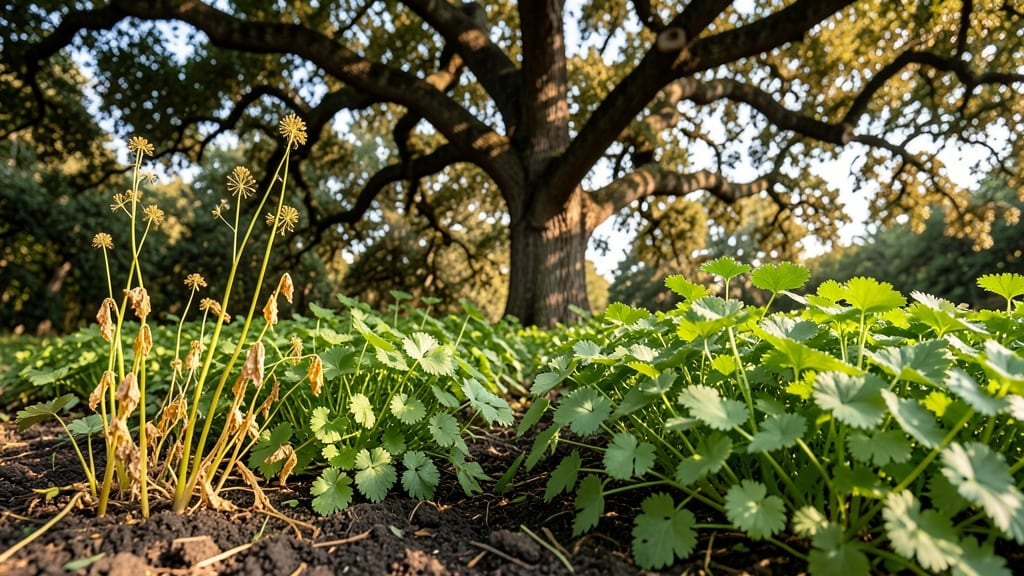
If you’ve ever watched your cilantro bolt to seed within days of planting, you know the struggle of growing this fresh herb in hot, sunny conditions. The solution? Plant it under tree canopies where dappled shade keeps it cool and leafy for weeks longer.
Cilantro thrives in partial shade (3–6 hours of sun daily), preventing the rapid bolting that turns your garnish into bitter seed stalks. For best results, choose a spot with morning sun and afternoon shade—this mimics its native Mediterranean climate. Keep soil consistently moist but well-drained, and harvest leaves frequently to encourage bushier growth. With this setup, you’ll enjoy bold, fresh cilantro for salsas, tacos, and garnishes all season long.
This shade strategy is perfect for urban gardeners with patios, backyard gardeners under fruit trees, or anyone tired of cilantro’s fleeting freshness. 🌱
Lavender for Shade-Tolerant Elegance
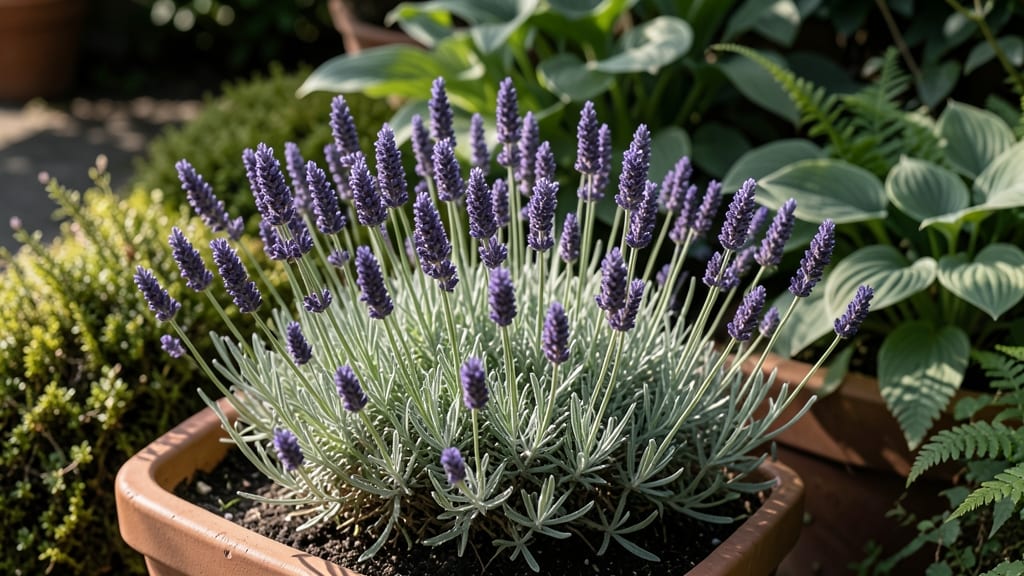
Skip the bright, sunny spots for lavender—dwarf varieties like 'Hidcote' and 'Munstead' prove this fragrant favorite can thrive in partial shade while still delivering those signature purple blooms and intoxicating scent. These compact cultivars (growing just 12-18 inches tall) are perfect for shaded borders, containers, or even under tree canopies where traditional lavender would struggle.
To coax the best performance, plant in well-draining soil with 3-6 hours of filtered light daily, avoiding soggy conditions that cause root rot. Prune lightly after flowering to maintain shape and encourage bushier growth. The silvery foliage adds texture to shade gardens year-round, while the blooms attract pollinators—making this a dual-purpose beauty for any low-light area.
Perfect for urban gardeners with shaded patios or woodland gardeners seeking fragrant accents, these shade-tolerant lavenders prove you don’t need full sun for this classic herb. Their compact size also makes them ideal for small-space gardening. ✨
Parsley with Curly or Flat Leaves
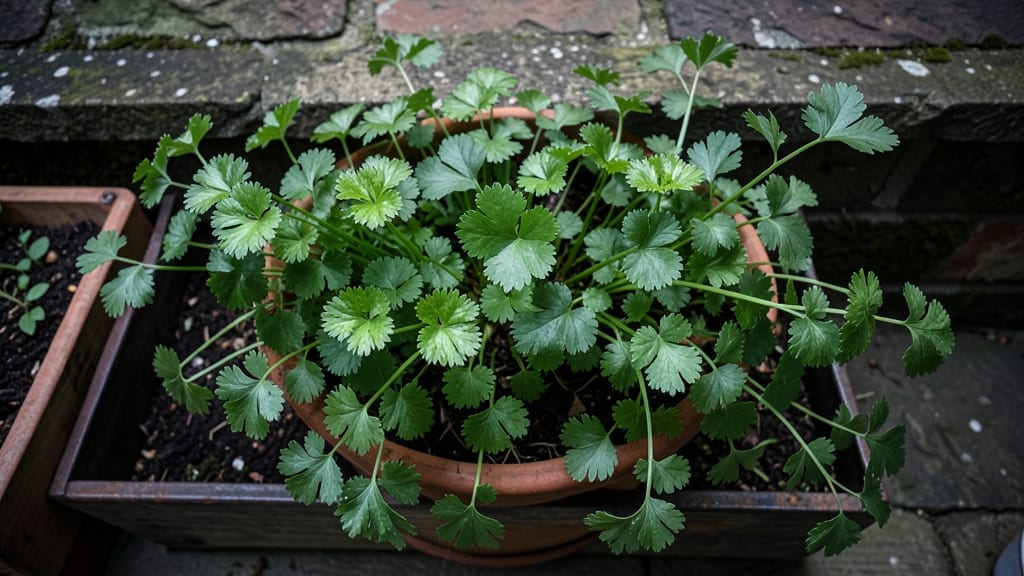
Tired of herbs that wilt under your shady eaves or north-facing windows? Parsley—both curly and flat-leaf varieties—is your secret weapon for a year-round green harvest with minimal sunlight. Unlike sun-hungry basil or oregano, parsley thrives in partial to full shade, making it perfect for urban balconies, forest-edge gardens, or even indoor herb gardens with bright indirect light.
This biennial herb grows best in well-draining soil with consistent moisture, though it’s drought-tolerant once established. Plant seeds directly in spring or fall, spacing them 6-8 inches apart. Both varieties—curly (Moss Curled) and flat-leaf (Italian)—produce tender leaves ideal for soups, salads, and garnishes. Flat-leaf parsley has a slightly stronger flavor, while curly parsley holds its shape better when cooked. Harvest leaves regularly to encourage bushier growth, and watch for yellowing leaves, which signal overwatering or poor drainage.
Perfect for urban gardeners and shade gardeners, parsley adds freshness to your kitchen while requiring almost no sunlight. It’s also a great companion plant, deterring pests like carrot flies. With its year-round greens, you’ll never run out of fresh parsley again—no matter how dim your garden spot. ✨
Thyme Varieties for Woodland Gardens
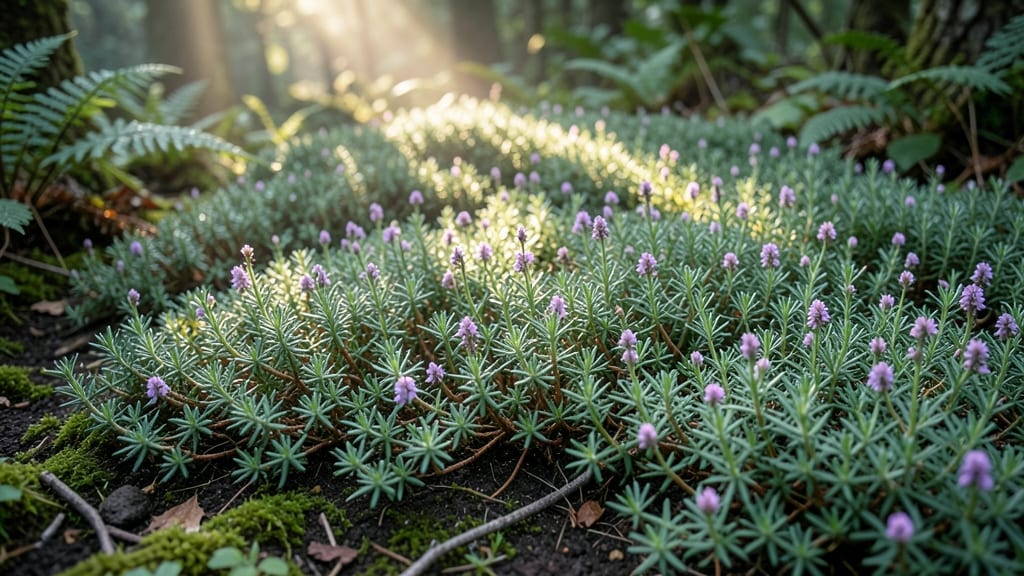
Turn your woodland garden’s dim corners into a fragrant, low-maintenance oasis with creeping thyme—a shade-loving herb that thrives where others fail. Unlike sun-hungry varieties, this hardy perennial spreads gently to form a lush, aromatic ground cover with tiny purple flowers and woody stems that add texture to rocky or shady beds.
Plant creeping thyme in well-draining soil with partial to full shade, and it will reward you with year-round greenery that repels pests and attracts pollinators. Harvest leaves anytime for culinary use—perfect for soups, stews, or fresh garnishes—or let it spread naturally to suppress weeds. Varieties like ‘Mother of Thyme’ or ‘Elfin’ stay compact, making them ideal for containers or garden edges.
This versatile herb is a game-changer for woodland gardeners, urban patio growers, and anyone tired of barren shady spots. With minimal care, you’ll enjoy fragrant foliage and edible greens without the sun requirements of traditional herbs. 🌿
Dill with Fern-Like Foliage
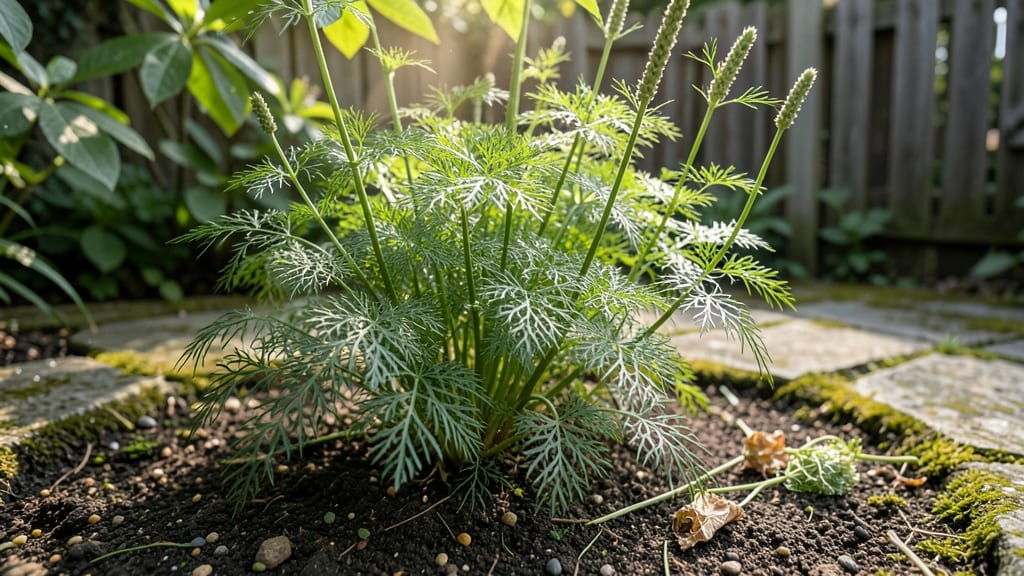
If you’ve ever struggled to grow dill in full sun only to watch it wilt or bolt prematurely, try planting it in partial shade instead. This underrated herb thrives with just 3-4 hours of morning sunlight, producing lush, feathery foliage and aromatic seeds perfect for pickling or attracting pollinators.
Dill’s delicate, fern-like leaves stay tender longer in cooler, shaded conditions, and its yellow umbel flowers draw beneficial insects like ladybugs and lacewings to your garden. For best results, plant seeds directly in well-draining soil after the last frost, spacing them 12 inches apart. Water consistently but avoid soggy soil—dill prefers moisture but hates root rot.
This shade-friendly herb is a game-changer for container gardeners or those with east-facing windows—it delivers fresh flavor without the fuss of full-sun demands. Plus, the seeds make excellent pickling spices or natural pest deterrents. 🌻
Sage for Medicinal Shade Gardens

Looking for an herb that bridges the gap between beauty and healing in your shady garden? Purple or golden sage varieties like 'Tricolor' or 'Berggarten' prove that shade doesn’t mean sacrificing medicinal power. These unique cultivars retain their antiseptic properties—used for centuries in teas, poultices, and cooking—while thriving where common sage would struggle.
Plant these shade-adapted sages in well-draining soil with 3-6 hours of indirect light daily, and they’ll reward you with aromatic foliage perfect for culinary use or homemade remedies. The purple stems add striking contrast to shade gardens, while golden varieties bring a sunlit glow to dim corners. Prune lightly after flowering to maintain shape and encourage bushier growth—ideal for containers or garden beds.
Perfect for herbalists and urban gardeners with limited sunlight, these varieties prove you can have both medicine and beauty in your shade garden without compromise. Their hardy nature makes them ideal for beginners too. 🌟