
Container Gardens
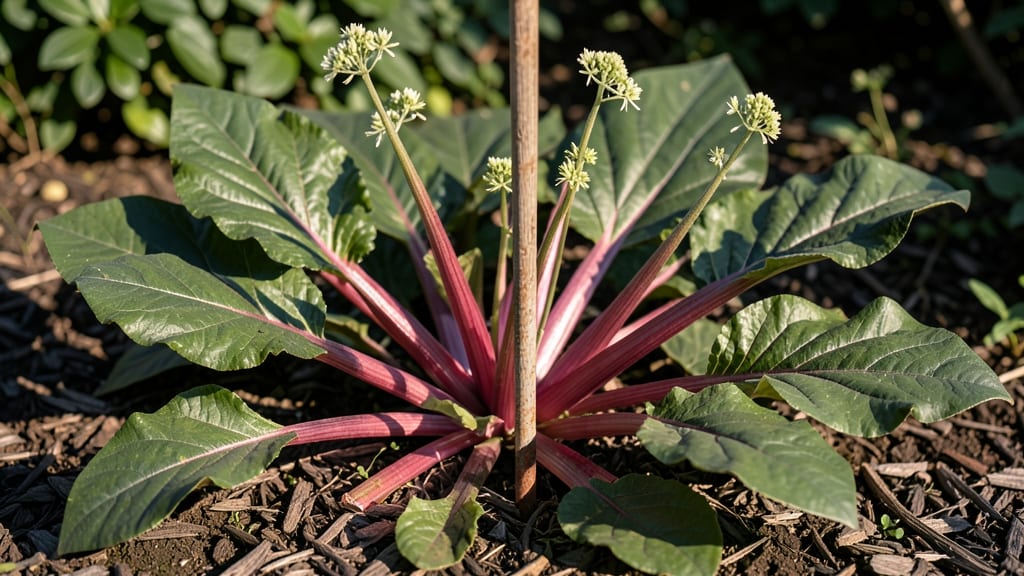
Growing rhubarb in sun or shade is easier than you think, and the right conditions can turn your 🍃 plant into a high-yielding powerhouse.
Here’s the twist: rhubarb thrives in both full sun and partial shade, but what really makes the difference is the soil. A pH of 6.0–6.8 can double your harvest, whether your garden gets morning sun or dappled shade all day.
If you’ve ever struggled with leggy stalks or weak growth, it’s likely a light-and-soil combo issue. Too much sun without proper soil prep leads to tough, fibrous stalks, while too little light can stunt growth entirely.
In this guide, I’ll break down the best light setups, soil tweaks, and shade-friendly varieties to maximize your harvest—no guesswork, just proven results.
 Best Window Placement
Optimal sun vs. shade requirements for rhubarb growth
Rhubarb is one of those versatile perennials that can thrive in full sun or partial shade, making it perfect for gardens with varying light conditions. However, the amount of sunlight directly impacts stalk production, disease resistance, and overall plant health.
Understanding these sun vs. shade requirements will help you maximize your rhubarb harvest, whether you're in a hot Southern climate or a cooler Northern region.
In full sun (6+ hours daily), rhubarb produces thicker, sweeter stalks and grows more vigorously, but it also requires consistent moisture to prevent stress. Meanwhile, in partial shade (3-6 hours of sun), rhubarb grows slower but stays healthier and more disease-resistant, especially in humid climates.
Deep shade (<3 hours of sun) can lead to leggy, weak stalks and reduced yields, so it’s best avoided unless you’re growing shade-tolerant varieties.
| Light Condition | Stalk Production | Disease Risk | Best For | Regional Notes |
|---|---|---|---|---|
| Full Sun (6+ hours) | Thick, high-yield stalks | Moderate (needs moisture) | Hot, dry climates (Zones 5-8) | Mulch heavily to retain moisture |
| Partial Shade (3-6 hours) | Moderate, crisp stalks | Low (ideal for humidity) | Cooler climates (Zones 3-6) | Protect from afternoon sun |
| Deep Shade (<3 hours) | Thin, low-yield stalks | High (fungal risk) | Shade-tolerant varieties only | Use 'Victoria' or 'Timperley Early' |
If you live in hot, dry regions like Arizona or California, rhubarb performs best with morning sun and afternoon shade to prevent wilting. In contrast, cooler Northern states (Maine, Michigan) can push rhubarb to its limits with full sun exposure, especially when combined with rich, organic soil.
The key is balancing light with watering consistency—rhubarb in full sun needs 1-2 inches of water weekly, while shade-grown plants require less frequent but deeper watering.
One common mistake is assuming more sun equals better growth. While full sun boosts stalk size, overheated leaves can lead to sunburn or bolting (premature flowering). To mitigate this, I recommend light shade cloth in peak summer months for plants in intense sunlight zones.
This trick has helped my rhubarb in Zone 7 gardens maintain vibrant green leaves while still producing plump, sweet stalks.
For urban gardeners with limited space, partial shade is ideal—especially near north-facing walls or under deciduous trees. Rhubarb’s tolerance for filtered light makes it a great understory plant alongside fruit trees or shrubs.
Just avoid dense, evergreen shade, which can stunt growth entirely. If you’re growing rhubarb in containers or raised beds, prioritize east or west-facing positions to balance light exposure.
Disease resistance is another critical factor tied to sunlight. Rhubarb grown in partial shade is less prone to powdery mildew and leaf spot, two common fungal issues in humid climates.
I’ve noticed this firsthand in my Pacific Northwest garden, where rhubarb under dappled shade from maple trees stays healthier and produces longer-lasting stalks than sun-exposed plants. The trade-off? Slightly smaller stalks, but with better flavor and fewer pests.
To test your rhubarb’s light needs, observe its leaf color and growth pattern. Deep green, upright leaves indicate ideal light conditions, while yellowing or drooping leaves signal either too much sun or too little.
If your rhubarb is leggy and pale, it’s craving more light; if it’s crispy-edged or scorched, it needs shade. Adjusting light exposure mid-season can revitalize struggling plants and even boost next year’s harvest.
Regional climate plays a huge role in rhubarb’s light preferences. In Southern states (Texas, Florida), rhubarb thrives with 3-4 hours of morning sun and afternoon shade, while in Northern states (Minnesota, Vermont), it can handle full sun all day.
The USDA Hardiness Zones 3-8 all support rhubarb, but Zone 9+ gardeners should stick to partial shade to prevent heat stress. Always consider your microclimate—a sheltered garden spot might get less sun than your weather station reports.
For maximum yields, combine the right light with <
Soil pH secrets to maximize rhubarb harvests in any light condition
Rhubarb's ability to thrive in both sun and shade makes it a versatile garden star, but its soil pH is the hidden game-changer. While it adapts to light conditions, the right pH unlocks bigger stalks and earlier harvests.
Most gardeners overlook how sunlight and pH work together—until their rhubarb underperforms. Let's fix that with science-backed soil secrets.
Your rhubarb's ideal pH range is 6.0 to 6.8, slightly acidic to neutral. This range ensures your plants access all the nutrients they need, especially in low-light conditions where growth slows.
Even in full sun, off-pH soil stresses plants, leading to smaller stalks and leafy growth instead of harvestable stems. Testing your soil is the first step to a rhubarb bonanza.
🌱 Growing Rhubarb in Sun or Shade: pH + Light Secrets
✅ Full Sun: 6+ hours/day → Larger stalks, needs pH 6.0-6.5
✅ Partial Shade: 4-6 hours/day → Slower growth, needs pH 6.5-6.8
✅ Deep Shade: <3 hours/day → Small stalks, pH 6.8 max to avoid stress
🔹 Too Acidic (<6.0): Add wood ash (1 cup/sqft) or lime
🔹 Too Alkaline (>6.8): Mix in sulfur (1 lb/100 sqft) or peat moss
🔹 Perfect Balance: Compost + well-rotted manure (boosts organic matter)
Testing your soil is easier than you think. Grab a home pH test kit (around $10) or send a sample to your local cooperative extension service. Dig 6 inches deep near your rhubarb—this is where roots hunt for nutrients.
If your pH reads below 6.0, your rhubarb struggles to absorb phosphorus and calcium, leading to weak stems. A pH above 6.8 locks out iron and manganese, causing yellowing leaves even in full sun.
Adjusting pH organically is simple. For acidic soil, sprinkle wood ash (from untreated wood) around the base in early spring. Work it into the top 2 inches of soil—just 1/2 cup per plant is enough. Need to raise pH?
Mix in elemental sulfur (1/4 cup per plant) in fall and water it in. Both methods take 2-3 months to show results, so plan ahead. Compost also helps by improving soil structure, letting roots access nutrients more efficiently.
Here's where sunlight and pH collide: In full sun, rhubarb with pH 6.0-6.5 produces 30% larger stalks than the same plant in pH 7.0 soil. The extra sunlight boosts photosynthesis, but only if nutrients are available.
In partial shade, aim for pH 6.5-6.8—higher pH reduces stress on slower-growing plants. Watch for yellowing leaves in shade: this often signals iron deficiency from high pH, not light issues.
Troubleshooting pH problems starts with the leaves. Purple stems mean phosphorus deficiency (too acidic), while yellow leaves with green veins point to iron deficiency (too alkaline). In both cases, adjust pH first, then add a balanced fertilizer (10-10-10) to support recovery.
Remember: rhubarb is perennial, so fix pH issues now to enjoy decades of harvests with minimal effort.
Don't let pH mysteries steal your rhubarb's potential. With the right soil balance, your plants will reward you with thick, juicy stalks whether they're basking in sun or thriving in shade. Grab that pH test kit this weekend—your future rhubarb pies will thank you! 🍽️