
Flowers
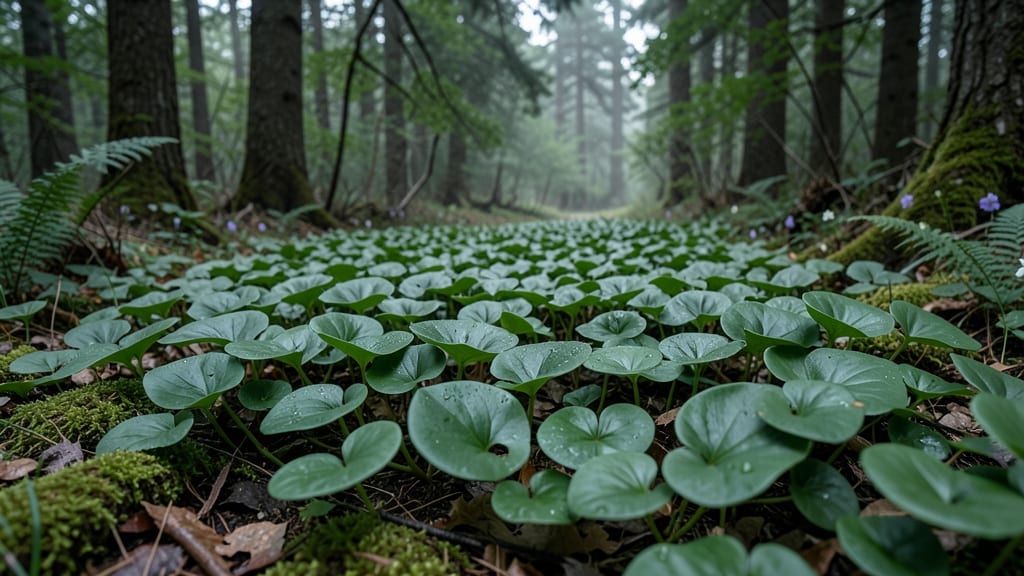
Struggling to keep shady garden areas lush and green? These seven shade-tolerant groundcovers thrive where sunlight is scarce, offering year-round color, texture, and low-maintenance beauty that transforms dull spaces into vibrant landscapes.
Sweet Woodruff for Fragrant Shade Gardens
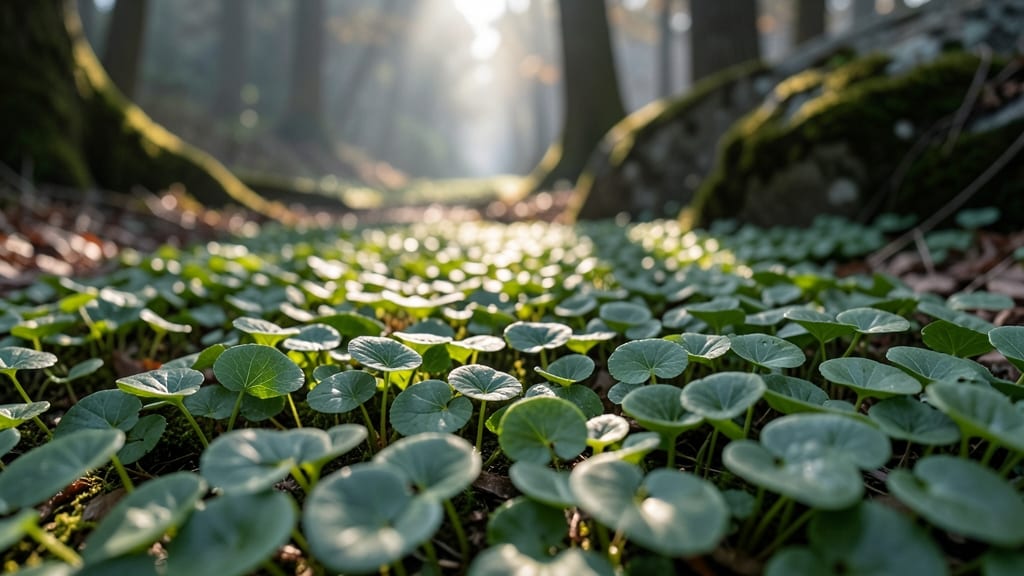
Transform your shady garden into a fragrant woodland retreat with sweet woodruff, a delicate groundcover that thrives in full to partial shade while filling the air with a sweet, vanilla-like scent when crushed. This low-growing perennial forms a lush carpet of heart-shaped leaves, perfect for suppressing weeds naturally.
Plant sweet woodruff in well-drained soil with consistent moisture, spacing plants 12-18 inches apart for optimal coverage. Its tiny white flowers appear in late spring, attracting pollinators like bees and butterflies, while its aromatic foliage deters pests like slugs and rabbits. The plant spreads slowly but steadily, making it ideal for understory plantings or as a living mulch.
This shade-loving beauty is especially valuable for gardeners seeking sensory experiences—its fragrance intensifies on warm days. Perfect for woodland gardens, pollinator-friendly spaces, or areas where you want to reduce chemical pest control. 🌿
Hosta Varieties for Bold Foliage Contrasts
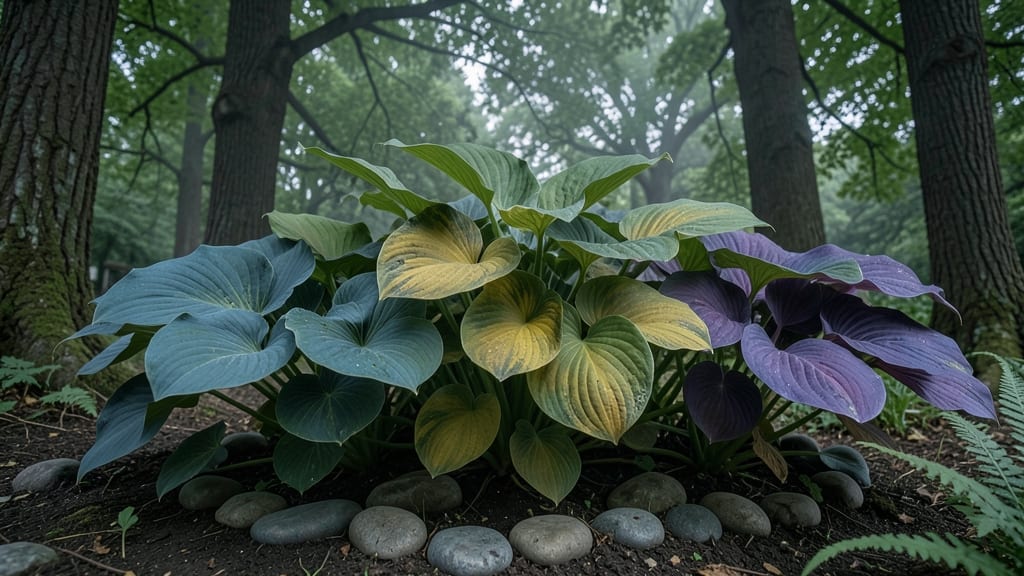
If your garden has deep shade where most plants struggle, hostas are your secret weapon for bold, year-round color. These shade-loving perennials offer foliage in every shade of blue-green, purple, and gold—perfect for creating dramatic contrasts under trees or along foundation plantings.
For maximum impact, choose varieties like 'Blue Angel' for deep blue-green leaves or 'Halcyon' for striking purple tones. Most thrive in full to partial shade and prefer moist, well-draining soil. Space them 18-24 inches apart to allow their large leaves to create a lush, textured carpet that suppresses weeds naturally.
Hostas are ideal for gardeners who want low-maintenance beauty without sacrificing visual drama—just be prepared for slugs in humid climates! 💚
Creeping Phlox for Early Season Color
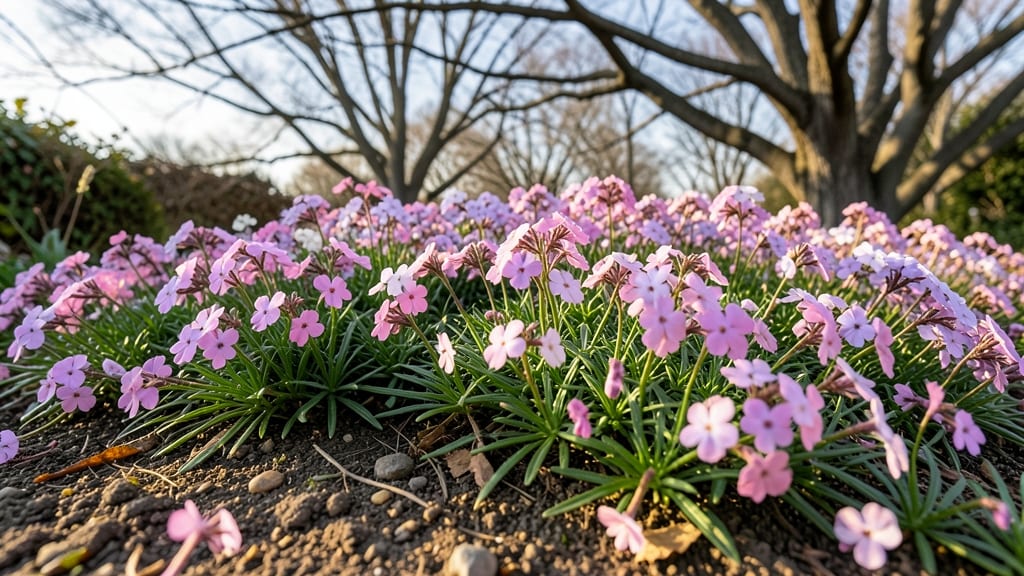
Want to brighten up your garden before summer even arrives? Creeping phlox delivers a burst of pink, purple, or white blooms in early spring, often before trees fully leaf out, creating a stunning contrast against bare branches.
This hardy groundcover thrives in partial shade to full sun and spreads quickly to form dense mats, making it ideal for slopes where erosion is a concern. Plant it in well-drained soil and space plants about 12 inches apart for full coverage. With minimal care—just occasional watering once established—it rewards you with weeks of vibrant color.
Perfect for gardeners who love early-season interest and need a low-maintenance solution, creeping phlox is especially great for rocky areas or slopes where other plants struggle. 🌟
Lungwort with Medicinal Leaf Patterns
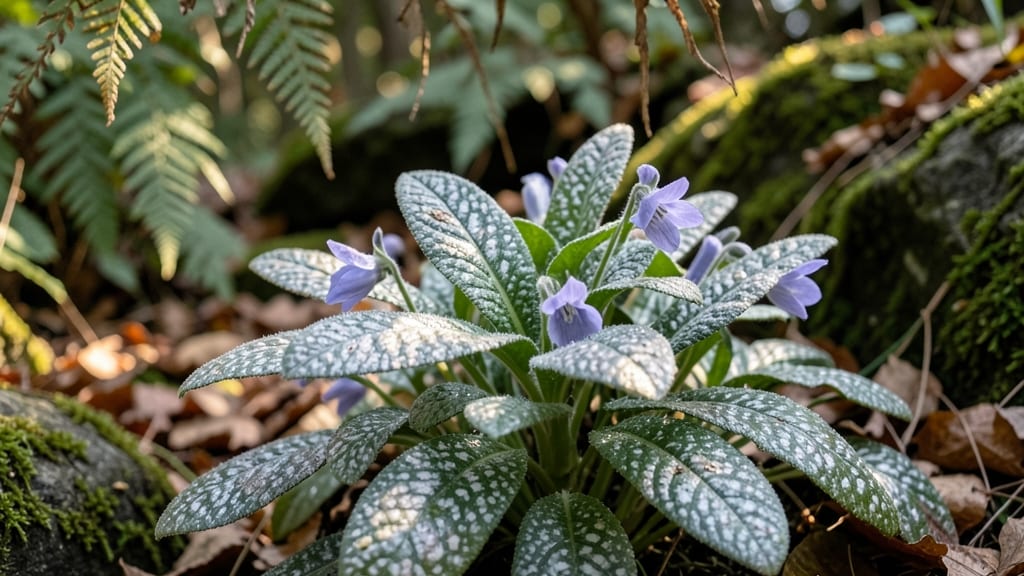
If you love plants with character, lungwort (Pulmonaria) will steal the show with its silver-spotted foliage that shifts to green as seasons change. This shade-loving perennial isn’t just striking—it’s also packed with history, having been used for centuries in herbal remedies for respiratory health.
Thriving in moist, well-drained soil under shrubs or trees, lungwort produces delicate blue-purple flowers in early spring that attract bees and butterflies. Its low-growing habit makes it perfect for filling gaps under deciduous trees or along woodland edges. For best results, keep the soil consistently moist (but not soggy) and trim back flower stalks after blooming to encourage fresh foliage.
Gardeners who appreciate healing gardens or want to add a touch of old-world charm will adore lungwort’s dual appeal—ornamental foliage and pollinator-friendly blooms. It’s especially magical in cottage-style gardens or beneath ornamental shrubs where its unique patterns create a dappled, forest-floor effect. 💚
Japanese Painted Fern for Textural Depth
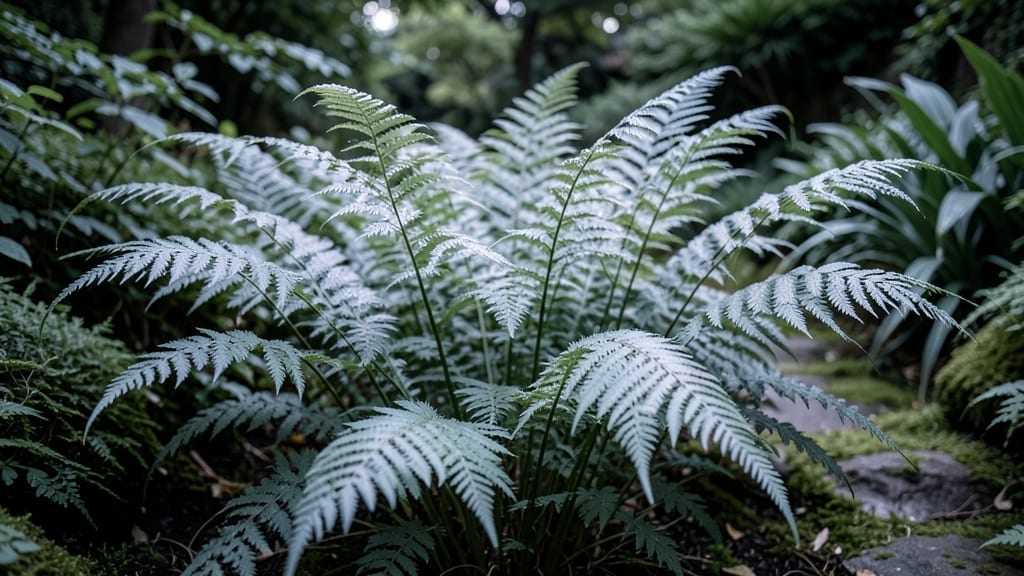
If your shady garden feels flat and lacks visual interest, Japanese painted fern (Athyrium niponicum var. pictum) is your secret weapon. This fern delivers year-round texture with its silvery-blue and deep green fronds that catch the light even in the dimmest corners of your yard.
Thriving in deep shade to partial shade, it’s ideal for woodland gardens or as a living mulch under evergreens where it suppresses weeds while adding elegance. Plant in well-draining, moist but not soggy soil, and space clumps 18-24 inches apart for a lush, layered effect. Its arching fronds create movement and depth, making it perfect for borders or as a focal point in shady beds.
This fern is especially great for gardeners who love low-maintenance plants with high visual impact. It’s deer-resistant and handles winter well, so you’ll enjoy its beauty without extra effort. 🌿
Alum Root for Drought-Tolerant Shade
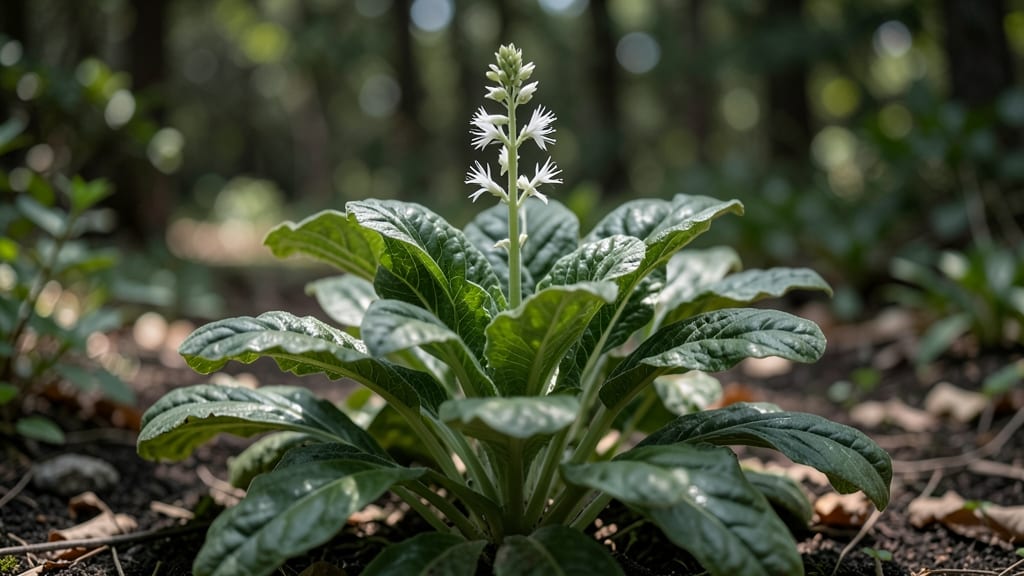
When your shady garden spots feel too dry for most groundcovers, alum root (Heuchera americana) steps in as the unsung hero. This native perennial thrives in dry shade where others wilt, producing delicate white flower spikes that rise above its deep green, textured foliage—creating a striking contrast that lasts from late spring through summer.
Perfect for poor soil conditions, alum root tolerates clay, rocky terrain, and even drought once established, making it ideal for urban gardens or areas with challenging growing conditions. Its pollinator-friendly blooms attract bees and butterflies, while its low-growing habit (12-18 inches tall) makes it excellent for filling gaps under trees or along woodland edges. Simply plant in well-draining soil and space clumps 12-18 inches apart for a natural, self-sustaining carpet.
This tough yet elegant plant is a game-changer for gardeners dealing with dry shade and marginal soil—it’s the secret weapon for areas where other groundcovers fail. 🌱
Liriope for Edging and Low-Maintenance Spread
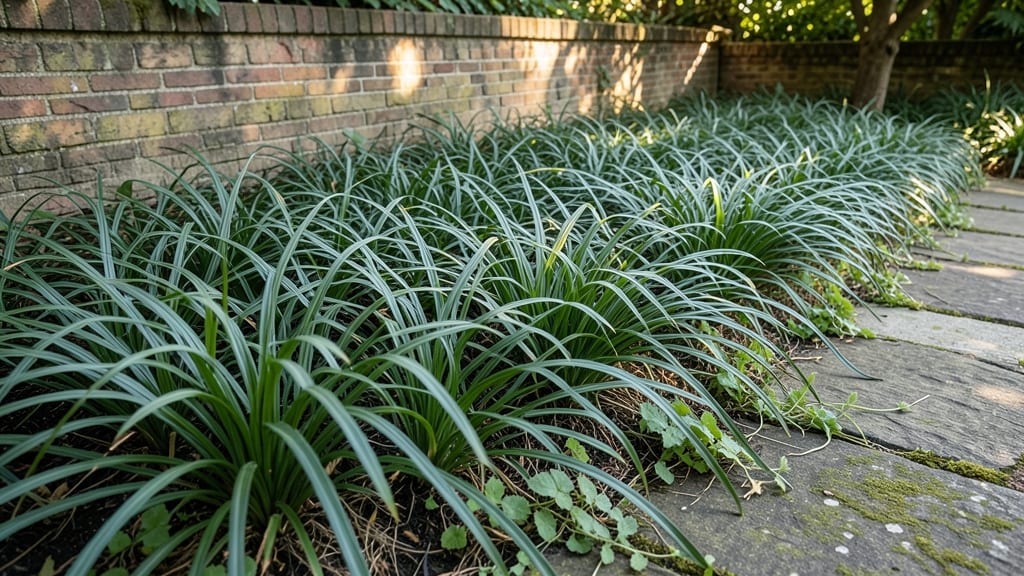
Tired of battling weeds along your garden paths or foundation? Liriope (also called monkey grass) is the ultimate problem-solver with its aggressive yet controlled spread that outcompetes weeds while adding structure to your landscape. This versatile grass-like perennial thrives in partial to full shade and produces striking purple flower spikes in late summer that add vertical interest.
Plant liriope in well-drained soil along borders, paths, or foundation plantings, spacing clumps 12-18 inches apart. Its dense growth naturally suppresses weeds while creating clean, defined edges that require minimal trimming. For best results, water regularly during establishment, then reduce to occasional deep watering once established—it handles drought surprisingly well once settled.
This is the perfect solution for busy gardeners who want low-maintenance beauty without sacrificing curb appeal. Ideal for urban gardens, small yards, or areas where you need reliable weed suppression with minimal effort. 💪