
Flowers
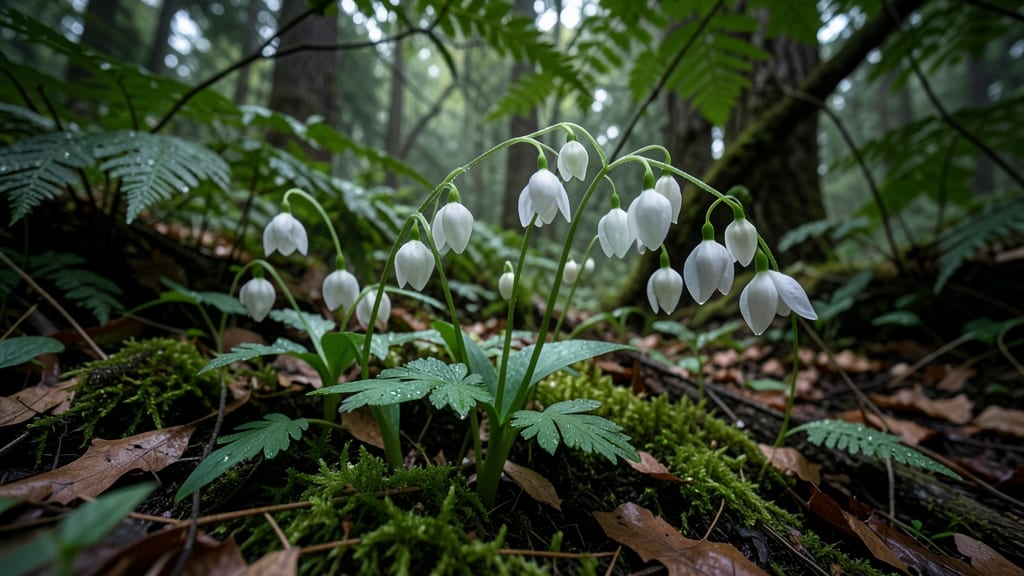
Struggling to find hardy ground cover that thrives in damp, shady spots? These evergreen plants spread quickly, suppress weeds, and stay lush year-round—ideal for problem areas under trees or along north-facing foundations.
Sweet Woodruff for Delicate Shade Gardens
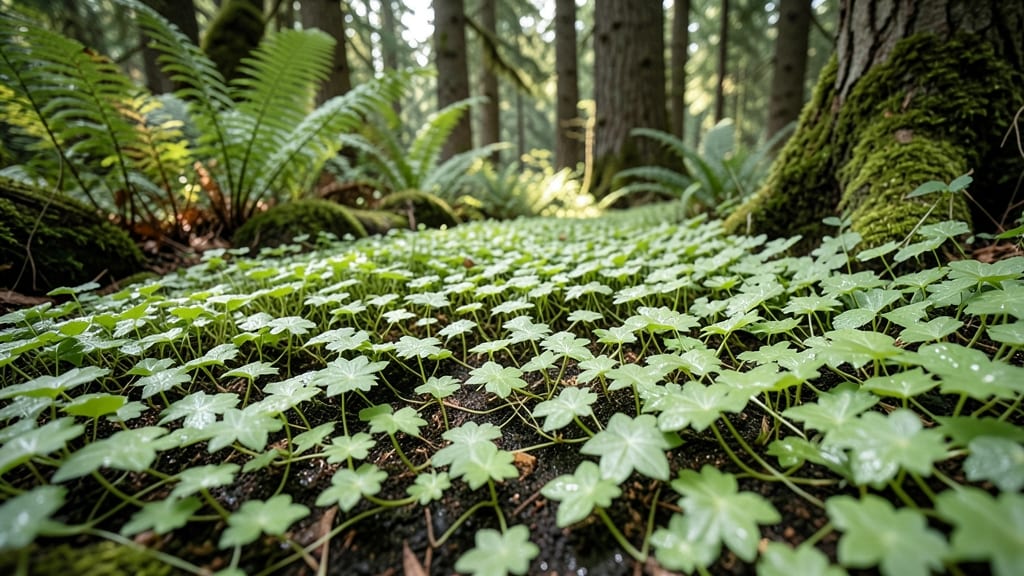
Craving a fragrant, low-maintenance ground cover that transforms your shady garden into a woodland retreat? Sweet woodruff (Galium odoratum) delivers a delicate carpet of star-shaped leaves with a subtle vanilla scent when crushed—ideal for gardeners who prioritize quiet elegance over bold statements.
This perennial gem thrives in moist, well-drained soil under trees or along north-facing foundations, spreading gently at a rate of about 6 inches per year. Its airy white flowers in spring add fleeting charm, while its evergreen foliage stays attractive until late summer. For best results, plant in partial to full shade and mulch lightly to retain moisture—perfect for beginners or those seeking a "plant it and forget it" solution.
Sweet woodruff is especially magical for woodland-style gardens, where its subtle beauty complements hostas and ferns without competing. It’s also deer-resistant and tolerates light foot traffic, making it a practical yet poetic choice. 🌿
Creeping Jenny for Bright Yellow Accents
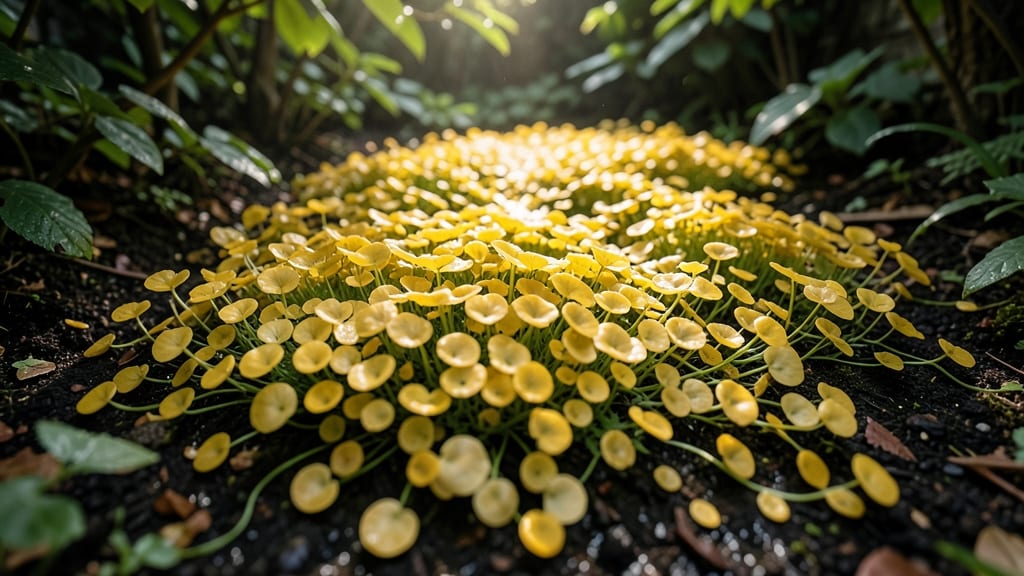
Tired of dull, dark corners in your garden? Creeping Jenny (Lysimachia nummularia) injects instant color with its bright golden foliage, creating a sunlit effect even in the shadiest spots. This fast-spreading perennial thrives in moist soil and partial to full shade, making it perfect for transforming dreary areas into vibrant focal points.
Plant it along retaining walls, where its trailing stems cascade beautifully, or use it to fill large shaded beds where other plants struggle. Creeping Jenny handles both wet and dry conditions once established, though it prefers consistently moist soil. Its year-round greenery ensures your garden stays lively even in winter, and it’s deer-resistant, making it a low-maintenance choice for busy gardeners.
Ideal for urban gardens, foundation plantings, or woodland edges, this golden ground cover adds a cheerful pop of color without demanding constant attention. 🌟
Hosta Varieties for Textured Foliage
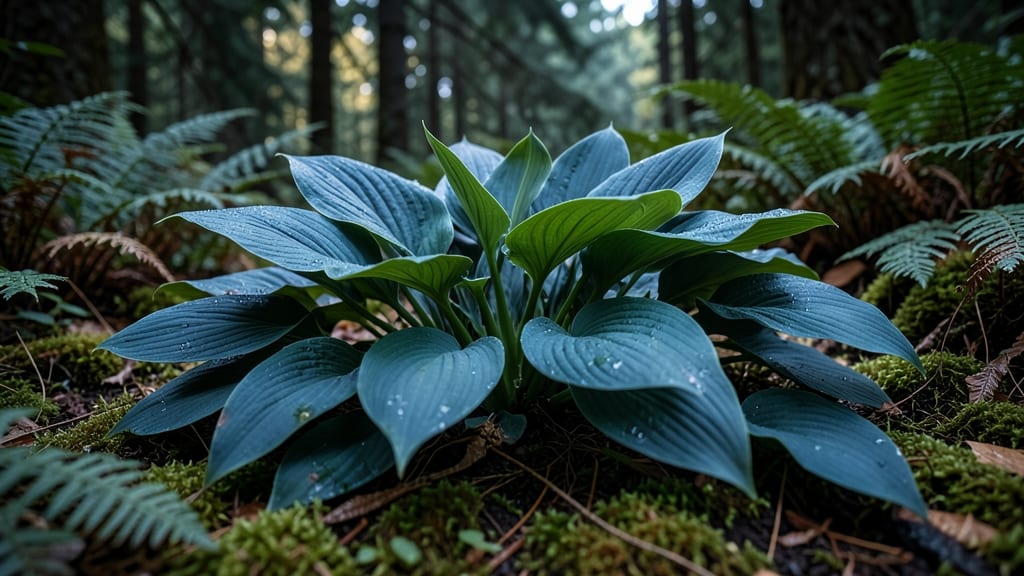
If you crave textured foliage that thrives in moist shade without the fuss of high-maintenance plants, hostas are your answer. Their bold, sculptural leaves—ranging from broad to lance-shaped—create visual drama while staying evergreen in most climates. Varieties like 'Francee' boast deep blue-green hues that intensify in shade, making them stand out under trees or along foundations.
These shade lovers handle moisture-loving conditions beautifully, though they prefer well-drained soil to avoid root rot. Plant in partial to full shade (6+ hours of shade daily) and mulch to retain moisture. For maximum impact, pair large-leaf varieties (like 'Sum and Substance') with smaller types (like 'Halcyon') to create layered texture. Hostas also deter slugs better than many shade plants when grown in slightly drier conditions.
Perfect for gardeners who love low-maintenance elegance, hostas offer year-round interest with minimal care. Their versatility makes them ideal for both woodland gardens and urban courtyards. 🌿
Lungwort for Medicinal Beauty
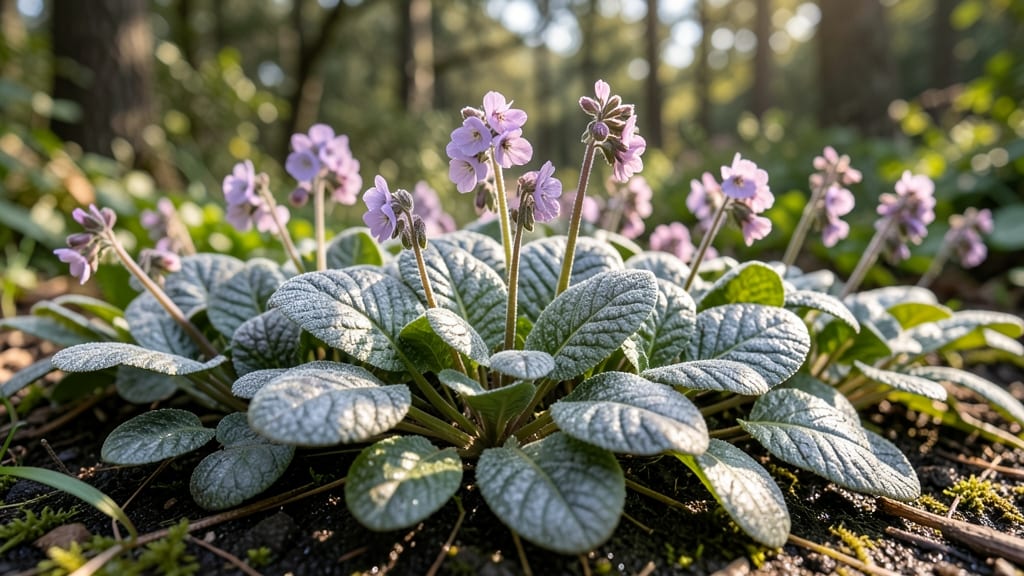
Looking for a ground cover that’s as beneficial as it is beautiful? Lungwort (Pulmonaria) brings a touch of history and healing to your shade garden with its striking silvery-spotted leaves and delicate purple blooms. This heirloom plant isn’t just pretty—it’s been used for centuries to support respiratory health, making it a living piece of garden heritage.
Thriving in consistently damp soil, lungwort is perfect for understory planting, rain gardens, or areas where other plants struggle. Its early spring blooms provide nectar for pollinators, while its evergreen foliage remains attractive year-round. For best results, plant in partial to full shade and keep the soil evenly moist—it rewards patience with lush, low-maintenance growth.
Ideal for gardeners who love medicinal plants or want to add historical charm to their landscape, lungwort’s unique foliage and pollinator-friendly flowers make it a standout choice for moist, shaded spots. 🌿
Sweet Flag for Wet Edges
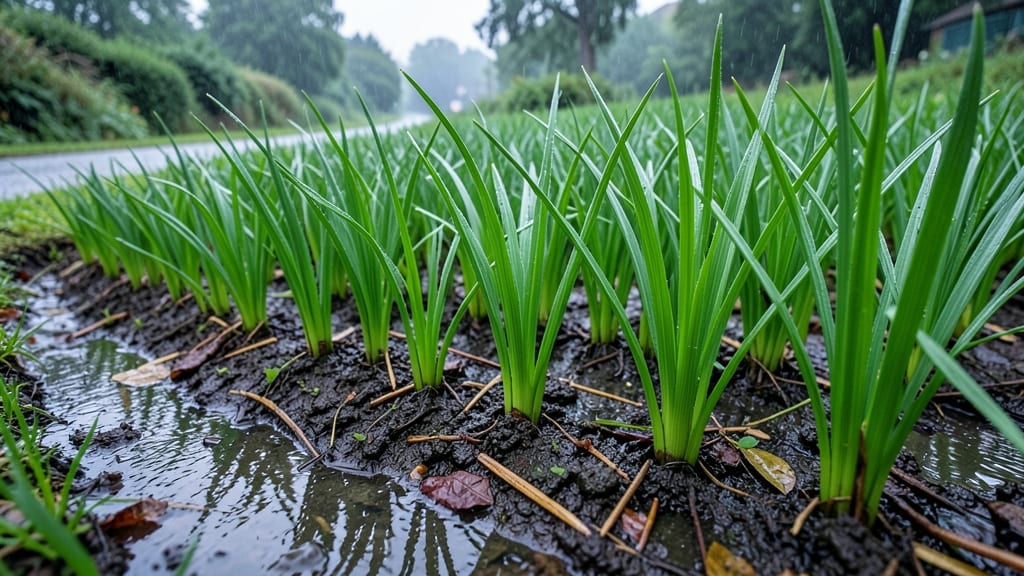
Tired of soggy soil ruining your garden edges? Sweet flag (Acorus calamus) thrives where most plants would drown, making it the ultimate solution for wetland borders or rain garden plantings. Its sword-like foliage stays upright even in standing water, creating a clean, natural transition between land and water.
This semi-aquatic perennial handles full sun to partial shade and spreads slowly via rhizomes, forming dense clumps that crowd out weeds. For best results, plant in moist to wet soil with occasional fertilizer in spring. While not edible (due to potential toxins), it’s prized for its air-purifying qualities and ability to stabilize shorelines.
Perfect for gardeners with ponds, bogs, or poorly draining spots, sweet flag adds texture without the fuss. 💚
Pachysandra for Evergreen Density
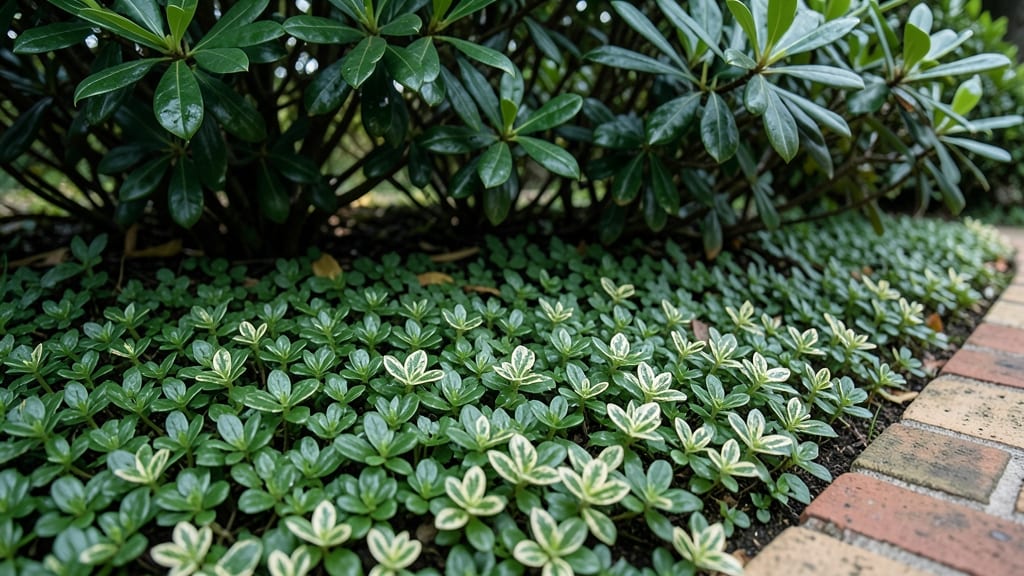
Tired of battling weeds under your rhododendrons or along foundation plantings? Pachysandra (like 'Green Sheen' or 'Variegata') creates a dense, evergreen mat that smothers weeds before they sprout, while adding polished texture to shady corners.
This classic ground cover thrives in moist, acidic soil with partial to full shade, spreading 12–18 inches per year. Plant in early spring or fall, spacing clumps 12–18 inches apart for full coverage. While it prefers consistent moisture, established plants tolerate brief dry spells. The white spring blooms add subtle interest, though the real star is its year-round weed-blocking power.
Ideal for gardeners who want low-maintenance elegance, pachysandra pairs beautifully with hostas and ferns while keeping problem areas tidy. 🌱
Alum Root for Rugged Spread
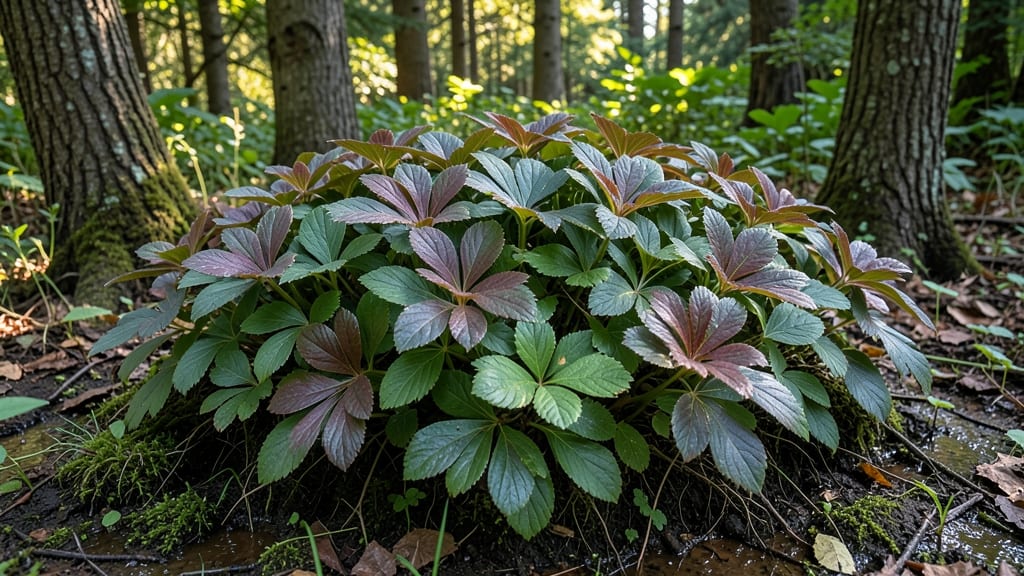
For gardeners battling weeds in wet, acidic soil, alum root (Heuchera americana) is the unsung hero you’ve been missing. This native woodland perennial thrives where others fail—spreading aggressively to form dense mats that crowd out invasive plants while requiring almost no maintenance. Its deep green, textured leaves stay vibrant year-round, and its delicate white flowers in spring add a subtle pollinator magnet.
Plant alum root in moist, shaded areas with well-drained soil (even rocky spots) and watch it thrive in conditions that stump other ground covers. It handles both wet and slightly dry periods once established, making it ideal for rain gardens or under evergreens. Divide clumps every 3-4 years to control spread, but be prepared—this plant is eager to fill empty spaces with its rugged charm.
Perfect for native plant gardens or low-maintenance landscapes, alum root offers both ecological benefits and visual appeal. Its ability to outcompete weeds while supporting pollinators makes it a standout choice for eco-conscious gardeners. 💚
Japanese Painted Fern for Lacy Texture
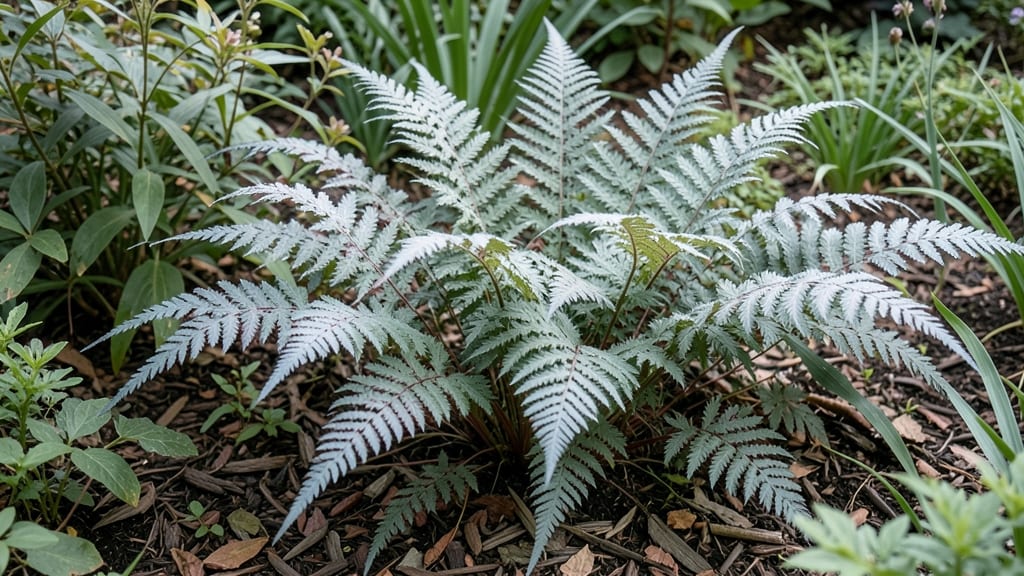
Want to add vertical drama to your shade garden without the fuss of high-maintenance plants? The Japanese painted fern (Athyrium niponicum var. pictum) delivers silvery-blue lacy fronds that create a dreamy, layered effect—perfect for filling gaps between taller perennials or softening foundation plantings. Unlike flat ground covers, its arching fronds (18–24 inches tall) add movement and texture, making it a standout in woodland gardens or understory plantings.
This deciduous but long-lived fern thrives in moist, well-drained soil and partial to full shade, making it ideal for areas where other plants falter. Its silvery-blue upper fronds contrast beautifully with green undersides, and it’s deer-resistant, so you won’t lose it to hungry browsers. For best results, plant in spring or early fall and mulch to retain moisture—it rewards patience with year-round interest (even if it loses fronds in winter, the bare stems add structure).
Gardeners who love minimalist elegance and low-maintenance texture will adore this fern—it’s the perfect partner for hostas, astilbes, or heucheras in layered shade beds. Plus, it’s drought-tolerant once established, so it’s a reliable choice for busy gardeners. ✨
Ajuga for Purple and Gold Contrast
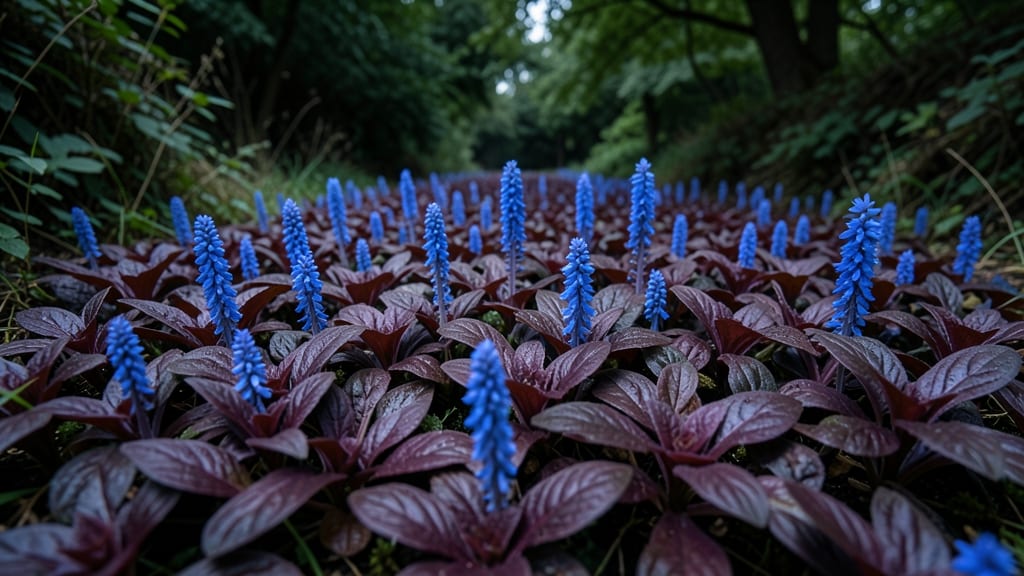
Want a bold, two-tone ground cover that turns dull shade into a vibrant statement? Ajuga (Bugleweed) delivers with its deep purple foliage and striking blue flower spikes, creating a dynamic contrast that brightens even the darkest corners of your garden.
This fast-spreading perennial thrives in moist, well-drained soil—ideal for understory planting, woodland gardens, or along foundations—and spreads aggressively (up to 18 inches per year) to outcompete weeds. Its spring blooms attract beneficial insects like bees and butterflies, while its evergreen leaves provide year-round color. For best results, plant in partial shade and shear back flower spikes after blooming to encourage denser foliage.
Perfect for gardeners who love high-impact, low-maintenance plants, ajuga pairs beautifully with hostas and ferns while adding a pop of color without demanding constant attention. 🌻
Dutchman's Breeches for Whimsical Charm

Want to add a touch of whimsy and enchantment to your moist, shady garden? Dutchman’s breeches (Dicentra cucullaria) brings a fairy-tale quality with its heart-shaped white flowers that dangle like tiny pantaloons from arching stems. This native woodland wildflower thrives where few others will, creating vertical drama that contrasts beautifully with low-growing ground covers.
Plant these delicate bloomers in partial to full shade with moist, well-drained soil, mimicking their natural woodland habitat. They spread slowly via rhizomes, making them perfect for naturalizing under trees or along woodland edges. The spring blooms attract early pollinators like bees and butterflies, while their fern-like foliage provides year-round interest. For best results, pair them with ferns or hostas to create a lush, layered understory.
Ideal for gardeners who love native plants and woodland charm, Dutchman’s breeches adds a unique vertical element that most ground covers can’t match. Their playful blooms will have your garden feeling like a secret forest glade. ✨