
Flowers
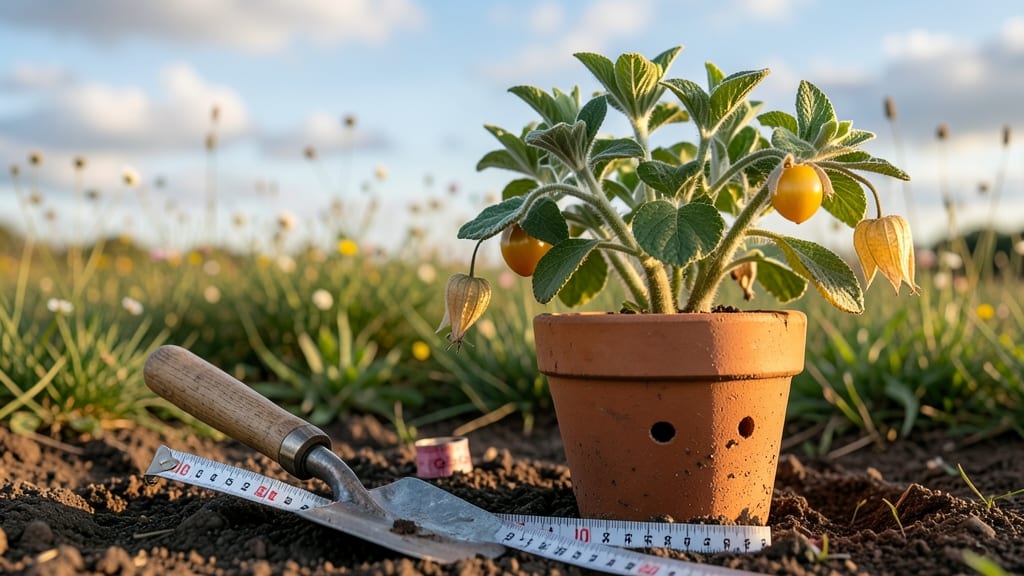
Ground cherries and nightshades look eerily similar at first glance—until you realize one feeds you and the other could poison your family. 🌱 I’ve grown both in my garden, and the difference between safe harvests and dangerous mistakes comes down to three key details: leaf shape, fruit texture, and where they thrive.
Ground cherries (Physalis pruinosa or Physalis ixocarpa) produce those iconic papery lanterns hiding sweet, tangy fruits inside—perfect for salsas or desserts. They’re the easygoing cousins of tomatoes, happy in warm climates and spreading like a living ground cover.
The leaves are oval with smooth edges, and the stems are hairy but not sticky.
Toxic nightshades like Atropa belladonna (deadly nightshade) or Solanum dulcamara (bittersweet nightshade) mimic ground cherries with pointed leaves, glossy stems, and bitter-tasting berries. One bite of their black or red fruits can cause hallucinations, seizures, or death—no exaggeration.
The good news? Ground cherries smell like citrus when ripe, while toxic nightshades have no aroma at all.
If you’re growing edible flowers, stick to ground cherries in full sun and avoid wooded areas where nightshades lurk. Test any unknown berries with a simple vinegar test (toxic nightshades turn blue-black), and always supervise kids and pets.
The payoff? A harvest of golden, juicy fruits that taste like sunshine—no risks, just rewards.
The first product explained
Meet the Cape Gooseberry (aka Ground Cherry) – nature’s tiny, golden treasure! 🌟 These edible flowers aren’t just pretty; they’re packed with flavor, versatility, and a fun, crunchy texture that’ll make your taste buds dance. Let’s dive into why this Physalis peruviana is stealing the spotlight in kitchens and gardens alike.
📏 Specs & Features
- Appearance: Bright orange-yellow papery husks (technically a calyx) surrounding a cluster of tiny, tangy berries (about the size of a grape tomato).
- Flavor Profile: A sweet-tart mix of pineapple, citrus, and a hint of strawberry—like a tropical candy shell!
- Growth Habit: Compact, bushy plant (1–2 ft tall) that thrives in warm climates (zones 9–11) but can be grown in containers or as an annual elsewhere.
- Harvest Time: Late summer to early fall, when the husks turn papery and the berries are plump.
- Storage: Ripens off the vine! Store at room temp until ripe, then refrigerate for up to 2 weeks.
🎯 Who’s It For?
Ground cherries are the ultimate crowd-pleaser for:
- Home Gardeners: Low-maintenance, space-saving, and disease-resistant—perfect for small yards or urban balconies.
- Chefs & Foodies: Elevate desserts (think tartes, sorbets, or cocktails), salads, or even savory dishes like chutneys or salsas.
- Health-Conscious Eaters: Loaded with vitamin C, fiber, and antioxidants—plus, they’re naturally gluten-free and low-calorie!
- Foragers & DIYers: Easy to grow from seed, and the husks make stunning dried decor.
$ Price Point & Value
You’ve got options here—budget-friendly or premium:
- Seeds: $2–$5 per packet (great for bulk planting!).
- Potted Plants: $8–$15 each (ideal for instant harvests).
- Fresh Produce: $5–$10 per pint at specialty markets (or free if you grow your own!).
- Gourmet Packs: Pre-ripened, organic ground cherries sell for $12–$20 at high-end grocers or farms.
Pro Tip: 💡 Grow your own for maximum savings—and bragging rights! These plants are foolproof for beginners.
The second product explained
Meet the Nightshade Family: A Flavor-Packed Powerhouse 🌿🍆
If ground cherries are the sweet, fruity underdogs of the garden, then nightshades are the bold, savory superstars. This diverse botanical family—including tomatoes, eggplants, peppers, and potatoes—delivers a punch of flavor, texture, and nutrition that rivals even the most prized edible flowers.
Let’s dive into why nightshades deserve a prime spot in your kitchen (and garden!).
📏 Specs & Features
Nightshades are versatile, hardy, and packed with benefits:
- Variety: From sweet tomatoes (🍅) to smoky eggplants (🍆) and fiery peppers (🌶️), nightshades offer endless culinary possibilities.
- Growth: Most thrive in warm climates but can adapt to cooler zones with proper care. Many are self-pollinating, making them beginner-friendly.
- Harvest: Ready in 60–120 days, depending on the type. Eggplants and peppers mature later, while cherry tomatoes can be harvested in as little as 50 days!
- Nutrition: Rich in vitamins A, C, and K, fiber, and antioxidants. Peppers are especially high in vitamin C (more than oranges!), while eggplants boast heart-healthy potassium.
🎯 Target Users
Nightshades are a must-have for:
- 👨🍳 Home cooks who love fresh, homegrown ingredients for sauces, stir-fries, and roasted dishes.
- 🌱 Gardeners seeking high-yield, low-maintenance plants with stunning foliage (yes, even the flowers are edible!).
- 💪 Health enthusiasts looking to boost their vitamin intake without processed shortcuts.
- 🌶️ Spice lovers who crave heat—from mild bell peppers to habaneros that pack a punch!
💰 Price Point & Value
Nightshades offer exceptional value:
| Type | Seed Cost (Approx.) | Yield Potential | ROI Highlight |
|---|---|---|---|
| Cherry Tomatoes | $2–$5 per packet | 10–20 lbs per plant | 💰 Payback in pounds! One packet can yield enough for dozens of meals. |
| Eggplant | $3–$6 per plant | 5–10 lbs per plant | 🌿 Dual-purpose—flowers and leaves are edible too! |
| Peppers (Bell/Habanero) | $2–$4 per packet | 5–15 lbs per plant | 🌶️ Flavor for free! Store-bought peppers can’t match homegrown freshness. |
Pro tip: 💡 Save seeds! Many nightshades self-seed or produce viable seeds for next year’s harvest, slashing long-term costs.
Head-to-head comparison
🌱 Growth Habits & Plant Structure
When it comes to how they grow, ground cherries (Physalis) and nightshades (Solanum) couldn’t be more different—like comparing a bushy, low-slung tomato to a sprawling vine! Here’s how they stack up:
| Category | Ground Cherries | Nightshades |
|---|---|---|
| Plant Type | Compact, bushy shrubs (1–3 ft tall). Perfect for small gardens or containers! | Vining or sprawling plants (2–10 ft tall). Needs trellises or stakes for support. |
| Growth Speed | Moderate (60–90 days to maturity). Slower but steady. | Fast (30–60 days for some varieties). Can get out of control quickly! |
| Space Needs | Low-maintenance, self-contained. Ideal for urban gardens or hanging baskets. | Needs room to spread. Can overtake nearby plants if unchecked. |
| Climbing Support | Not required (unless pruned for aesthetics). | Often needs trellises, cages, or stakes to manage height. |
Winner? If you’re short on space or love low-maintenance plants, ground cherries take the crown. 🏆 But if you’re growing a sprawling garden and don’t mind training vines, nightshades offer more versatility.
🍅 Fruit & Flavor Profile
This is where things get deliciously competitive! Ground cherries and nightshades both produce edible fruits, but their textures, flavors, and culinary uses couldn’t be more distinct. Let’s break it down:
| Category | Ground Cherries | Nightshades |
|---|---|---|
| Fruit Appearance | Small (1–2 inches), round, encased in a papery husk (like a tiny lantern!). | Varies widely: tomatoes (round), eggplants (oval), peppers (elongated), or berries (tiny). |
| Flavor | Sweet-tart, like a mix of cherry, pineapple, and citrus. Addictive! | Ranges from sweet (tomatoes, some peppers) to savory (eggplants) to spicy (jalapeños). |
| Texture | Juicy, soft, and burstingly sweet—like a cross between a cherry and a tomato. | Varies: firm (tomatoes), creamy (eggplants), crunchy (peppers), or mealy (some berries). |
| Culinary Uses | Perfect for desserts (think jams, pies, or fresh snacks), salads, or salsas. Pro tip: 💡 Remove the husk before eating—it’s not edible! | Versatile! Tomatoes for sauces, eggplants for baba ganoush, peppers for stir-fries, and berries for jellies. |
| Harvest Time | Late summer to early fall (when husks turn golden). | Varies: early summer (peppers) to late fall (tomatoes). |
Winner? If you’re craving sweet, portable snacks, ground cherries are the star. 🌟 But nightshades win for culinary flexibility—they’re the backbone of countless dishes!
💰 Cost & Accessibility
Let’s talk green—both literally and figuratively! Here’s how these two stack up when it comes to your wallet and where to find them:
| Category | Ground Cherries | Nightshades |
|---|---|---|
| Seed Cost | $2–$5 per packet (heirloom varieties can cost more). | $1–$10 per packet (depends on variety; heirloom tomatoes or peppers can be pricier). |
| Plant Availability | Less common in stores; best bought online or from specialty nurseries. | Widely available at garden centers, grocery stores (seeds/plants), and farmers' markets. |
| Yield per Plant | Moderate (10–30 fruits per plant, depending on variety). | High (tomatoes: 10–20 lbs per plant; peppers: 5–10 lbs; eggplants: 5–10 lbs). |
| Long-Term Savings | Once established, they self-seed easily—free plants next year! | Some varieties (like tomatoes) need replanting annually, but perennials (like eggplants in warm climates) save money long-term. |
| Market Value | Hard to find fresh; dried or preserved forms are rare (but worth it!). | Tomatoes, peppers, and eggplants are staples—easy to sell at markets or trade. |
Winner? Nightshades are the budget-friendly champions for most gardeners, thanks to their accessibility and high yields. 💸 But ground cherries offer a unique, niche reward—their rarity makes them a treasure for adventurous eaters!
🌡️ Climate & Care Requirements
Not all flowers thrive in every climate, and these two have very different personalities when it comes to heat, cold, and maintenance. Here’s how they handle the elements:
| Category | Ground Cherries | Nightshades | |||||||||||
|---|---|---|---|---|---|---|---|---|---|---|---|---|---|
| Hardiness Zones | Zones 2–11 (cold-hardy; some varieties survive light frosts). | Zones 1–12 (varies by type: tomatoes thrive in warm zones, eggplants need heat, peppers are versatile). | |||||||||||
| Sunlight Needs | Full sun (6–8 hours daily). Tolerates partial shade but yields less. | Mostly full sun (6+ hours), but some peppers tolerate partial shade. | |||||||||||
| Watering Needs | Moderate (keep soil moist but not soggy). Drought
Which one should you choose?So, which one should you grow—or snack on? 🌱🍒 The choice between ground cherries and nightshades depends on your priorities, whether you're a gardener, a chef, or just a curious foodie. Here’s the verdict to help you decide: 🌿 For Gardeners & HomegrowersIf you love low-maintenance, high-reward plants, ground cherries win with their disease-resistant nature and compact growth. They thrive in containers, making them perfect for small spaces or urban gardens. 🏡✨ Nightshades, however, offer more versatility—think tomatoes, peppers, and eggplants—if you want a diverse harvest. 🍽️ For Cooks & Food LoversGround cherries are the under-the-radar star for unique flavors—sweet, tangy, and slightly floral. They’re perfect for desserts, salads, or cocktails (yes, really!). 🍹 If you’re craving bold, savory dishes, nightshades like tomatoes or peppers are your go-to. Pro tip: Try roasting ground cherries with honey for a caramelized twist! 💪 For Health-Conscious Eaters
Ground cherries edge out nightshades in antioxidants and vitamin C, but nightshades bring lycopene (tomatoes) and capsaicin (peppers) to the table. 🥗💪 🎯 Final RecommendationStill unsure? Here’s the quick guide:
Why not try both? Plant a few ground cherry bushes alongside your tomato plants for a flavor explosion this season! 🌟 |