
Lawn
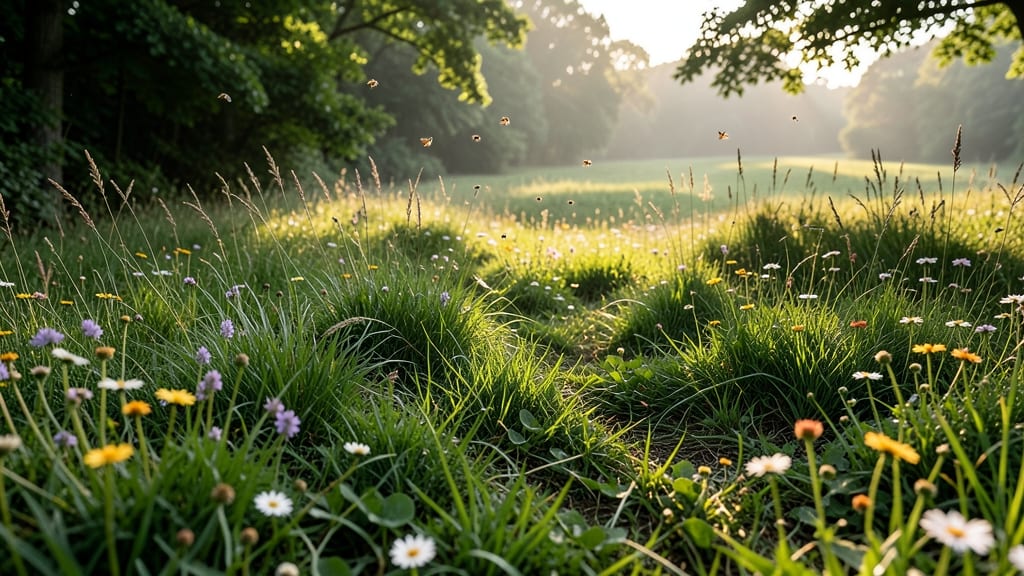
Struggling to maintain a green lawn in shady areas? These 10 shade-tolerant grass varieties transform dull patches into vibrant, low-maintenance turf—ideal for under trees, north-facing yards, or dense foliage.
Fine Fescue Grass for Dense Shade
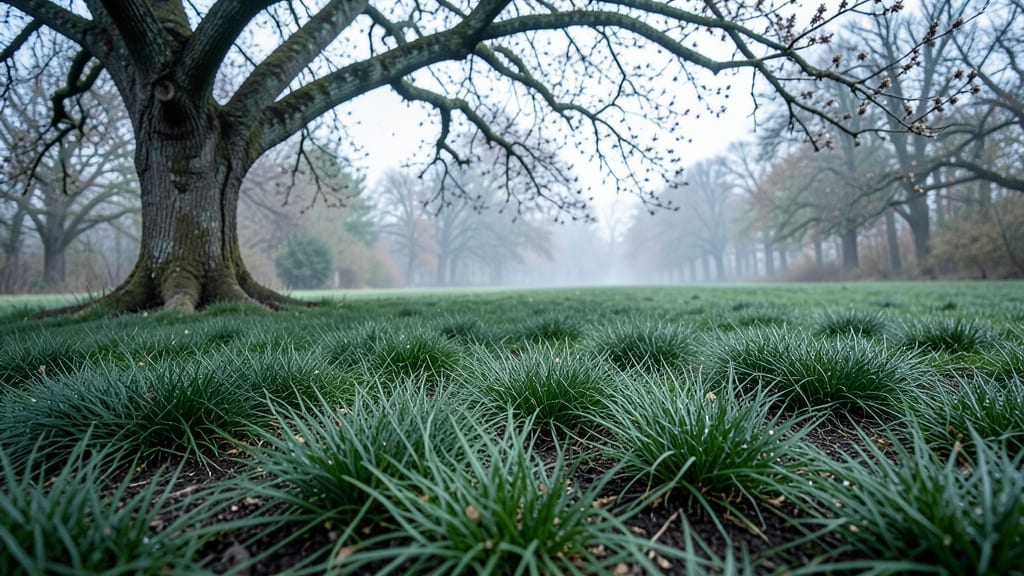
If you're in a northern climate where winters linger and shade dominates your yard, fine fescue grass is your secret weapon. This resilient grass thrives in just 2-4 hours of sunlight daily, making it ideal for dense shade under mature trees or north-facing lawns.
Its deep root system (up to 6 inches) helps it survive droughts once established, while its cold-hardiness (USDA zones 3-8) keeps it green through frost. For high-traffic areas, its fine texture resists wear better than many shade grasses, and it requires less mowing—just set your blade to 2.5-3.5 inches for optimal health.
Perfect for homeowners in cooler regions who want a low-maintenance, durable lawn without sacrificing beauty. 🌱
Creeping Red Fescue for Low-Maintenance Lawns
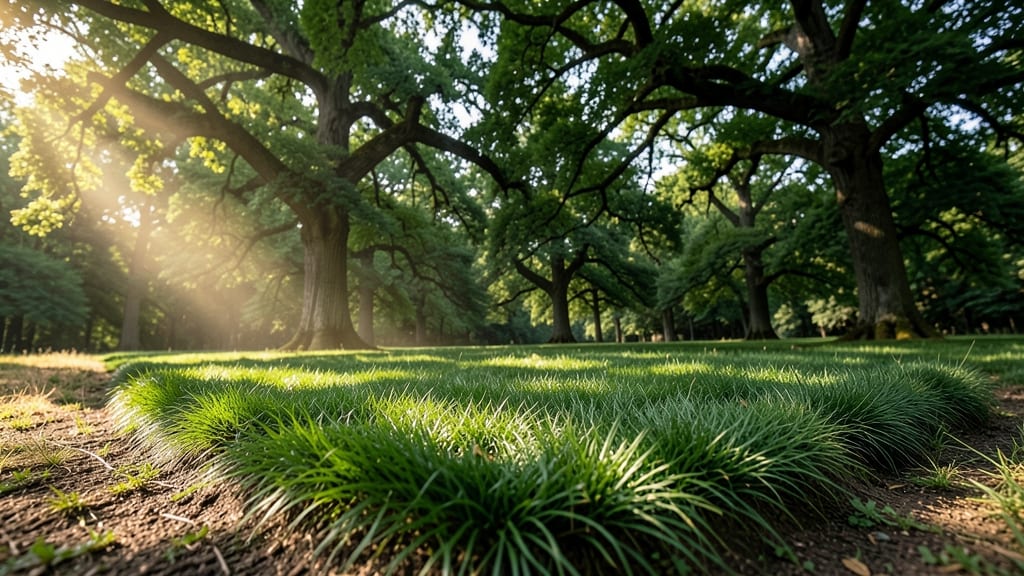
Tired of patchy lawns under dense tree canopies? Creeping red fescue is your secret weapon for deep shade—thriving in areas where other grasses give up after just 2 hours of sunlight. Unlike thirsty lawn grasses, this variety stays lush while resisting pests and weeds, making it the ultimate low-effort solution for beginners.
This slow-spreading grass forms a dense, velvety mat that stays green year-round, even in dry shade. Mow it just once every 3-4 weeks (or skip mowing entirely for a wildflower-friendly look), and you’ll spend less time fussing and more time enjoying your yard. It’s also cold-hardy, surviving winter dormancy with ease—perfect for northern climates or shaded patios.
Best for urban gardeners, new homeowners, or anyone who wants a green lawn without the upkeep, creeping red fescue turns problem areas into effortless beauty. 🌿
Shade-Tolerant Tall Fescue Blends
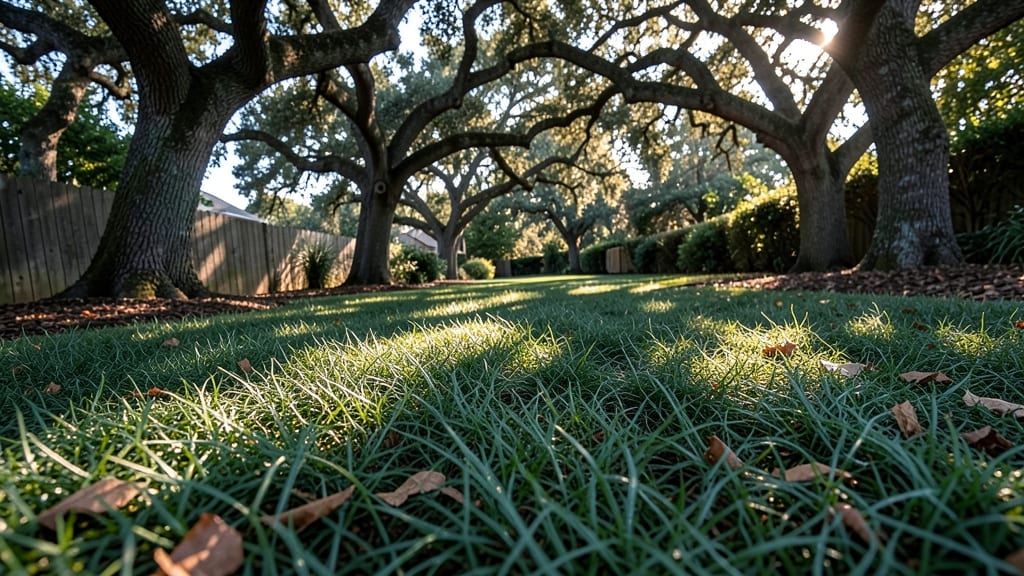
Tired of patchy lawns under trees? Shade-Tolerant Tall Fescue Blends like 'Shadow' or 'Sun & Shade' are your secret weapon for partial shade (4-6 hours of sun). These hybrids combine fine and coarse blades for a lush, textured look while staying disease-resistant—no more brown spots or fungal battles.
Perfect for transitional zones, these blends establish quickly and maintain color even when sunlight shifts. Mow at 3-4 inches to encourage deep roots and shade adaptation. They’re especially great for urban yards with mature trees or north-facing slopes where other grasses struggle.
Homeowners with kids or pets will love the durability—these grasses handle light foot traffic while keeping their vibrant green hue. 🌱
St. Augustine Grass for Humid Climates
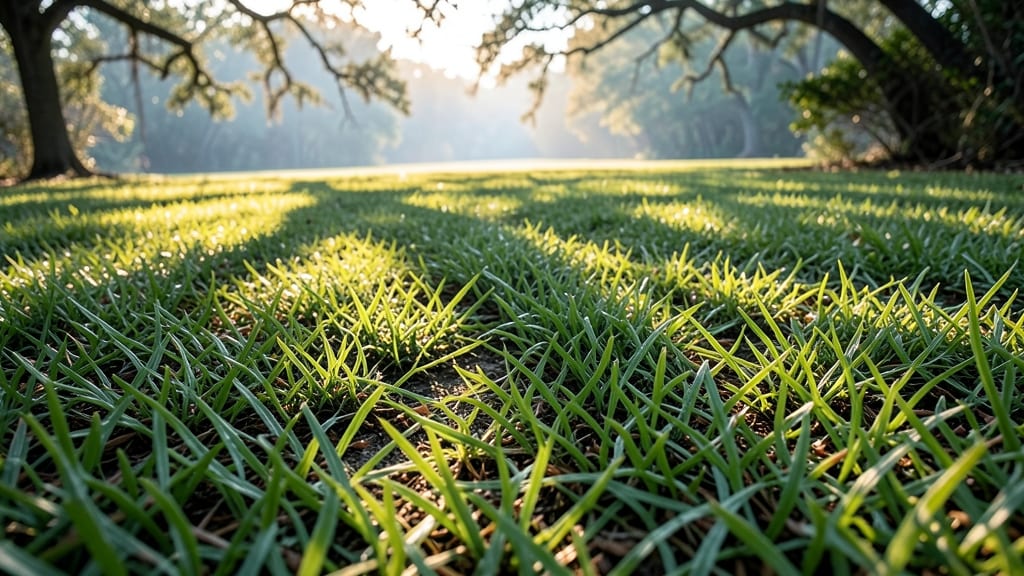
If you live in the southern U.S. and want a lush lawn that thrives in heat, humidity, and partial shade, St. Augustine grass is your secret weapon. Unlike other shade grasses, it doesn’t just survive—it spreads aggressively to fill bare spots, creating a dense, carpet-like lawn even under 3-5 hours of shade daily.
This broadleaf grass loves the tropical climate of zones 8-10, staying green year-round with minimal care. It handles occasional foot traffic better than many shade grasses and recovers quickly from damage. The key to success? Mow at 3-4 inches to encourage thick growth and avoid scalping the blades. Fertilize lightly in spring and fall to keep it vibrant without overfeeding.
Perfect for homeowners in Florida, Louisiana, or Texas, St. Augustine grass transforms shady yards into lush, low-maintenance spaces with minimal effort. Just be prepared for its rapid spread—it’s eager to fill every inch! 🌱
Zoysia Grass for Warm-Season Shade
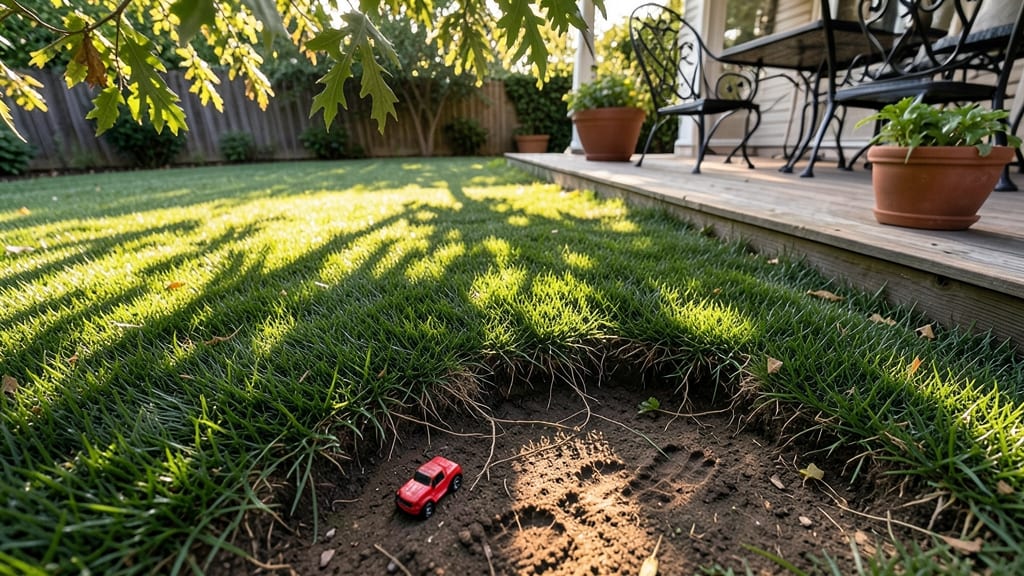
If you live in a warm climate and have kids or pets tearing up your lawn, zoysia grass is your secret weapon. This durable grass thrives in 3-4 hours of shade daily, making it perfect for spots under trees or near structures where other grasses struggle.
Zoysia’s drought-resistant roots and wear-resistant blades handle foot traffic like a champ, staying green through summer heat. However, it does go dormant (turning brown) in winter—so it’s best for USDA zones 6-10. Mow less frequently (2-3 inches high) to encourage thick growth and resist weeds.
Active families will love how it recovers from damage and requires minimal water once established. Just avoid heavy foot traffic during winter dormancy. 💪
Kentucky Bluegrass for Partial Sun
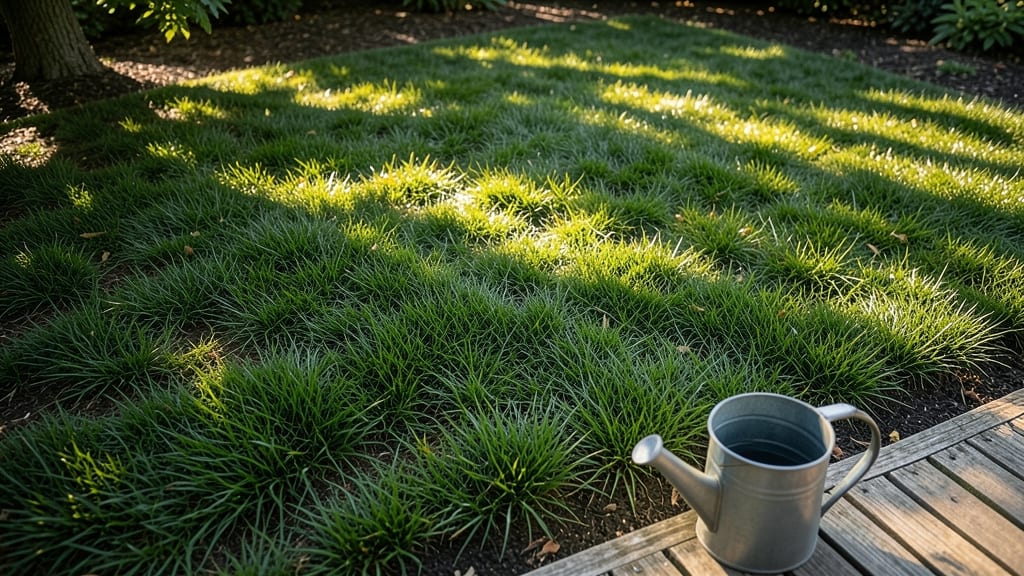
If your yard has patches that get 4-6 hours of partial sun but still struggle with thin grass, Kentucky Bluegrass is your classic solution—just don’t forget the watering can. This cool-season favorite bridges the gap between sun and shade, making it ideal for those tricky transitional zones where other grasses fail.
Unlike deep-shade grasses, Kentucky Bluegrass still needs regular watering (about 1 inch per week) to stay vibrant, but it rewards you with a soft, dense turf that recovers well from foot traffic. For best results, mow at 3-4 inches and overseed in early fall when roots establish quickly. It’s also cold-hardy, staying green through winter in most climates.
Perfect for homeowners with mixed-light yards or those who want a familiar lawn look without the fuss of shade blends, Kentucky Bluegrass delivers that classic green—just with a little extra care. 💚
Buffalo Grass for Arid Shade Gardens
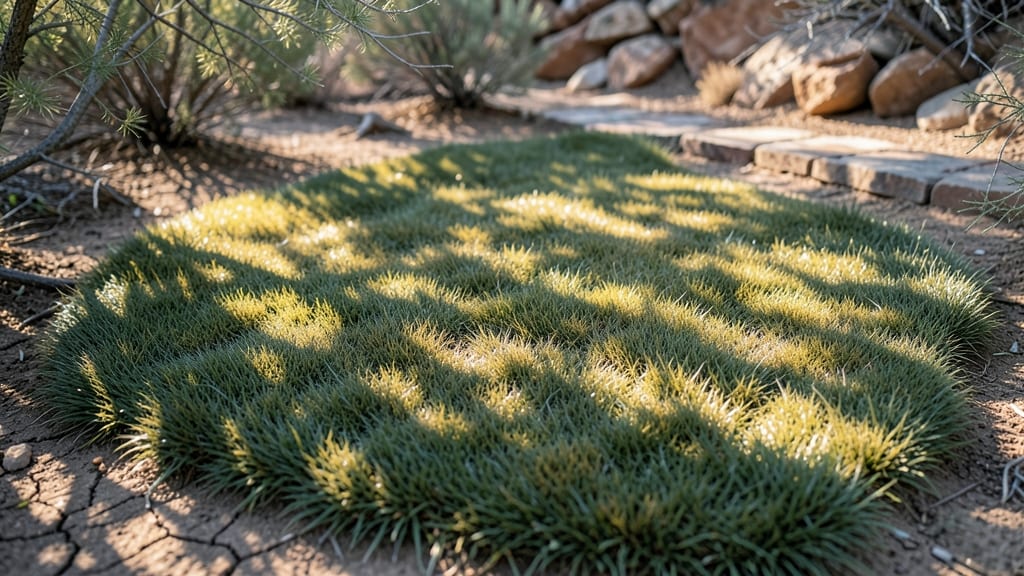
For gardeners in arid climates with shade gardens that seem impossible to green up, buffalo grass is your game-changer. This native North American grass thrives in just 2-3 hours of sunlight daily, making it perfect for dry, shaded spots where other grasses fail—no mower required.
Unlike thirsty lawn grasses, buffalo grass develops a deep root system that stores water, surviving droughts with minimal irrigation once established. Its silvery-blue hue adds texture to desert landscapes, while its low-growing habit (2-12 inches tall) eliminates mowing entirely. Plant in well-draining soil and water lightly for the first month to encourage root growth.
Ideal for xeriscaping projects or low-water gardens, this grass requires no fertilization and handles foot traffic surprisingly well. Perfect for eco-conscious gardeners who want beauty without the upkeep! ✨
Centipede Grass for Southern Shade
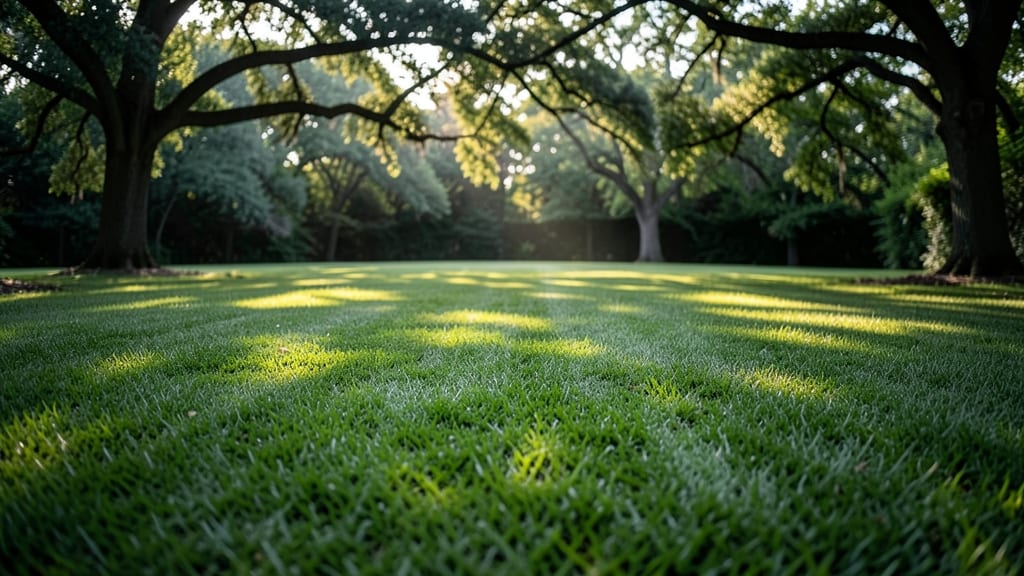
Living in the Deep South (Georgia to Texas) with shady lawns? Centipede grass is your low-effort solution—it thrives in just 3-5 hours of shade daily while demanding fewer nutrients than most grasses. Unlike high-maintenance varieties, it grows slowly, reducing the need for frequent mowing or fertilizing, making it perfect for busy homeowners.
This grass excels in humid climates (USDA zones 7-10) and handles acidic soil naturally found in southern regions. Water it deeply but infrequently (about 1 inch per week) to encourage deep roots, and mow at 1.5-2.5 inches to maintain its signature light green hue. Just avoid cold snaps—it struggles below 20°F, so it’s not ideal for northern winters.
Best for southern homeowners who want a green lawn without the fuss of frequent upkeep or high fertilizer costs. It’s the ultimate shade grass for those who prioritize ease over perfection. 🌻
Perennial Ryegrass for Fast Shade Cover
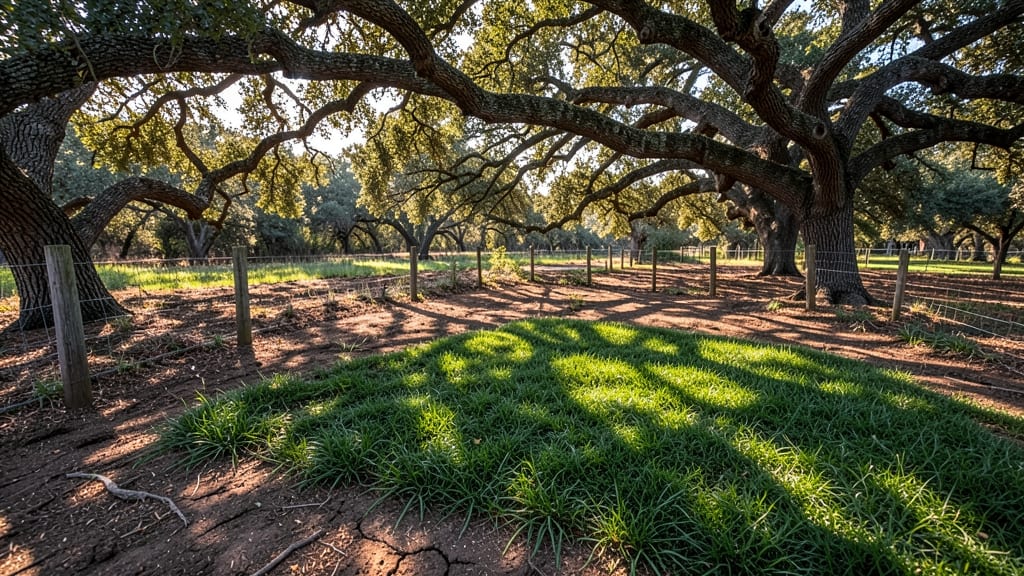
Need a quick fix for those unsightly bare spots under trees or along shady fences? Perennial ryegrass is your speedy solution—it germinates in just 3-6 hours of shade, creating a lush green cover faster than most grasses. This isn’t about long-term lawn perfection; it’s about filling gaps immediately while you plan your permanent shade solution.
Perfect for temporary shade cover, perennial ryegrass thrives in 3-6 hours of sunlight but needs annual overseeding to maintain its vigor. Its fast growth makes it ideal for new constructions, tree planting sites, or any area where you need instant visual improvement. Just keep it mowed at 2-3 inches to encourage dense growth and prevent weeds from taking over.
Best for homeowners who want fast results without the commitment of permanent grass—think landscapers, rental property owners, or anyone prepping for a future shade garden. It’s the ultimate stopgap until your long-term shade solution is ready to shine. ✨
Meadow Grass Mixes for Natural Shade Lawns

Ready to trade your mower for a pair of binoculars? Meadow grass mixes like 'Sunny Meadow' blend shade-tolerant grasses with wildflowers, creating a low-maintenance lawn that thrives in just 2-4 hours of sunlight daily while supporting bees, butterflies, and beneficial insects.
These blends—often including fine fescue, creeping red fescue, and clover—establish quickly with minimal watering (just 1 inch per week once established) and require mowing only 2-3 times per season at 3-4 inches high. The wildflower additions add seasonal color while improving soil health through natural nitrogen fixation. Perfect for eco-conscious gardeners or anyone tired of battling moss in shady corners.
Ideal for cottage-style gardens, pollinator-friendly yards, or urban green spaces, these mixes turn problem areas into vibrant, wildlife-friendly landscapes with almost no effort. 🌻