
Light Requirements
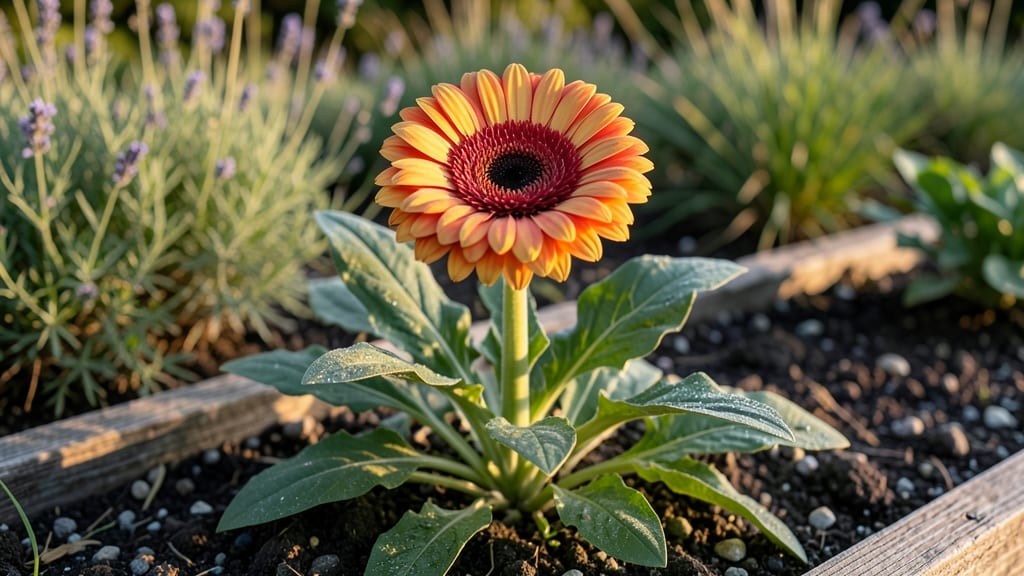
Gerbera daisies in full sun or shade can make the difference between vibrant blooms and leggy, sparse growth—and most gardeners get it wrong without realizing why.
Picture this: your 🌼 gerbera daisies are supposed to be the star of your garden, but instead of bursting with color, they’re struggling to stay upright or refusing to bloom. The culprit? Light conditions. Too much sun scorches their leaves, while too little shade leaves them weak and stretched out.
But here’s the secret: gerbera daisies actually thrive in bright, indirect light—a balance that’s easier to achieve than you think.
If you’re in USDA Zone 6a or a hotter climate, afternoon shade is your best friend. In cooler areas, full morning sun paired with afternoon shade keeps them happy.
I’ll break down exactly how to read their light needs, spot the warning signs, and tweak your setup for year-round blooms—no guesswork required.
Ready to turn those wilting stems into a showstopping display? Let’s dive into the light conditions that will have your gerbera daisies thriving in no time.

Gerbera daisy light requirements: full sun vs shade for optimal growth
Gerbera daisies (Gerbera jamesonii) are sun-loving plants that produce their most vibrant blooms when given the right balance of light.
As a gardener who's experimented with these beauties, I've learned that 6-8 hours of sunlight is ideal for most varieties, but their needs can shift based on your climate.
In hot, dry regions like USDA Zones 8-10, afternoon shade becomes crucial to prevent leaf scorch, while cooler climates can handle more direct exposure. Let's break down exactly how light affects their growth and how to optimize conditions for your location.
The key to thriving gerbera daisies lies in understanding their light intensity tolerance. Too little light leads to sparse blooms and leggy stems, while too much direct sun in extreme heat can cause leaf burn and wilting.
I've found that morning sun with afternoon shade works wonders in my Zone 7b garden, producing flowers that last for weeks. The right light exposure also influences leaf color—deep green foliage signals healthy photosynthesis, while pale or yellowing leaves often mean inadequate light.
Here's a quick comparison to help you visualize how different light conditions affect gerbera daisies:
| Light Condition | Daily Sun Hours | Bloom Frequency | Leaf Health | Best For |
|---|---|---|---|---|
| Full Sun | 6-8 hours | Very High (30+ blooms/season) | Deep green, firm | Cooler climates (Zones 3-7) |
| Partial Shade | 3-6 hours | Moderate (15-25 blooms/season) | Light green, slightly softer | Hot climates (Zones 8-10) |
| Deep Shade | <2 hours | Low (5-10 blooms/season) | Pale yellow, weak stems | Avoid (poor growth) |
In hot desert climates like Arizona or Southern California, I've seen gerbera daisies struggle when planted in full sun without protection. The afternoon sun (2 PM - 6 PM) can push temperatures above 95°F (35°C), causing leaves to crisp within hours.
My solution? Plant them near tall ornamental grasses or shrubs that provide natural shade during peak heat. For container growers, a 30-50% shade cloth stretched above potted plants works like magic during summer months.
If you're in a cooler climate like the Pacific Northwest or New England, gerbera daisies can handle full sun all day. I've grown them successfully in Zone 5b with 8+ hours of direct sunlight, and they've rewarded me with continuous blooms from June through September.
The secret here is well-draining soil—gerberas hate soggy roots, so amend your beds with compost and perlite to prevent waterlogging during rainy seasons.
For container gardening, light requirements change slightly. Gerbera daisies in pots need at least 6 hours of morning sun and can tolerate 2-3 hours of afternoon shade in hot weather.
I keep my potted gerberas on a south-facing patio and move them to a shaded spot during the hottest part of the day. This microclimate control has kept my plants thriving even on 100°F (38°C) days.
Watch for these tell-tale signs that your gerbera daisies aren't getting the right light: leggy stems mean too little light, while brown leaf edges indicate sunburn.
In my garden, I've noticed that red and orange varieties handle shade slightly better than pure white or yellow gerberas, which need more intense light to maintain their vibrant colors. If you're seeing fewer than 5 blooms per plant, it's time to reassess their light exposure.
Pro tip: If you're transitioning gerbera daisies from shade to full sun, do it gradually over 1-2 weeks. I've made the mistake of moving them too quickly, which caused leaf scorch and stunted growth.
Start with 2-3 extra hours of sun per day and monitor their response closely. The same goes for moving them from full sun to shade—sudden changes can stress the plants and reduce blooming.
Remember that seasonal light changes affect gerbera daisies too. In winter, when daylight hours drop below 6 hours, you might see reduced blooming. This is normal! I supplement my winter light with a grow light for 4-6 hours per day to maintain consistent growth.
For outdoor plants, simply accept that winter will be a slower season and focus on soil health and root development instead.
With the right light conditions, your gerbera daisies can produce continuous blooms for months. Whether you're in a sun-drenched
How to adjust light conditions for gerbera daisies in different climates
Gerbera daisies love sunlight but can suffer in intense heat or harsh afternoon rays. In hot climates, they need protection, while cooler regions may require light supplementation. Let’s explore how to create the perfect microclimate for your plants.
Start by observing your local climate. If you’re in Zone 8-10, afternoon sun can scorch leaves. In Zone 5-7, morning sun paired with afternoon shade works best. Adjusting light isn’t just about shade cloth—it’s about strategic placement and seasonal shifts.
- 🌳 Use shade cloth for 30-50% reduction in hot climates. Install 4-6 feet above plants to avoid direct contact with foliage.
- ✂️ Prune nearby plants to reduce competition for light. Remove overgrown shrubs or trees blocking morning sunlight.
- 🪴 Plant near taller species like sunflowers or hollyhocks to filter harsh light while still providing indirect sunlight.
- 💧 Mulch with straw or wood chips to regulate soil temperature and reduce heat stress during peak sun hours.
- 🌡️ Monitor temperature. If above 90°F (32°C), move pots to shadier spots or use reflective mulch to bounce light away.
For container gerberas, mobility is key. Rotate pots weekly to ensure even light exposure. In urban gardens, use reflective surfaces like white walls to maximize indirect light.
Seasonal adjustments matter too. In summer, reduce sunlight by 20-30%. In winter, supplement with grow lights if natural light drops below 4 hours. A simple timer on grow lights ensures consistency.
Remember, gerberas thrive with bright, indirect light. Balance is everything—too much sun causes leaf burn, while too little leads to leggy, weak stems. With these tweaks, you’ll enjoy vibrant blooms all season long! 🌼