
Light Requirements
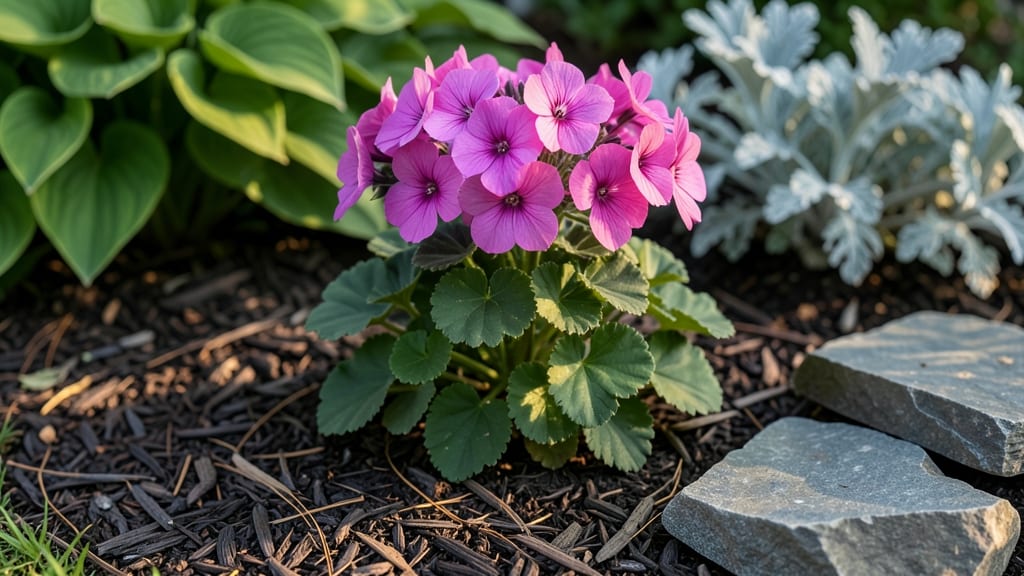
Geraniums in part shade can still produce stunning blooms and lush foliage 🌸 — you just need the right approach to light, soil, and care.
Struggling to keep your geraniums alive in part shade? The right varieties and light management can transform your shady spots into a vibrant, low-maintenance garden—without sacrificing blooms or health.
Not all geraniums handle shade the same way. Some, like hardy woodland varieties, thrive with just 3-4 hours of morning sun, while others need a balance of dappled light. The key is choosing the right type for your garden’s specific shade conditions and adjusting care to match.
In this guide, I’ll walk you through shade-tolerant geranium varieties, how to tweak light exposure for better growth, and common mistakes that drain energy from your plants—so you can enjoy healthy foliage and continuous blooms all season long.
 Best Window Placement
Best Geranium varieties that thrive in part shade gardens
If you love the look of geraniums but struggle with their need for full sun, don't give up! The right shade-tolerant geranium varieties can thrive in part shade gardens with 4-6 hours of filtered light daily.
These hardy plants offer stunning blooms and lush foliage while adapting to woodland gardens or north-facing borders. Let’s explore the top geranium species for part shade that will transform your garden’s darker corners.
Not all geraniums are created equal when it comes to shade tolerance. Hardy geraniums like Geranium macrorrhizum (cranesbill) and Geranium phaeum (dusky cranesbill) are specifically bred to handle low-light conditions. These varieties often feature longer bloom seasons and disease-resistant foliage, making them ideal for part-shade gardens.
Below, we’ll compare their care needs, bloom times, and hardiness zones to help you choose the perfect fit for your space.
⚠️ CRITICAL NOTE: While these geraniums tolerate part shade, they still need some direct sunlight to thrive. Avoid planting them in deep shade (less than 3 hours of light), as this can lead to leggy growth and fewer blooms. A spot with morning sun and afternoon shade is ideal for most varieties.
Geranium macrorrhizum, also known as cranesbill geranium, is one of the most shade-tolerant geraniums available. Its fragrant foliage and sprawling habit make it perfect for ground cover in part-shade areas. This variety thrives in USDA zones 4-8 and produces pink to purple blooms from late spring through early fall. For best results, plant it in well-draining soil with morning sunlight and afternoon shade.
If you’re dreaming of a woodland garden, Geranium phaeum (dusky cranesbill) is a must-have. Its mauve and purple flowers stand out against fern-filled backdrops, and it handles partial shade exceptionally well.
This perennial geranium blooms in spring and early summer, making it ideal for early-season color. It’s also low-maintenance, requiring minimal pruning and moderate watering once established.
For a pop of bold color in part shade, consider Geranium sanguineum (blood cranesbill). This variety produces vibrant red blooms that contrast beautifully with green foliage. It’s deer-resistant and thrives in USDA zones 4-8, making it a reliable choice for northern gardens.
To keep it blooming, deadhead spent flowers regularly and ensure it gets at least 4 hours of sunlight daily.
If space is limited, Geranium renardii is a <
How to adjust light conditions for geraniums in part shade
Geraniums in part shade can still thrive with the right adjustments—it’s all about optimizing what little light they receive. Even shade-tolerant varieties like Geranium macrorrhizum need strategic care to prevent leggy growth or sparse blooms.
The key lies in light manipulation, pruning techniques, and companion planting to maximize their potential. Let’s explore practical ways to give your geraniums the perfect balance of light and shade.
Start by assessing your garden’s natural light patterns. Most part-shade spots receive 2-6 hours of sunlight, but geraniums need at least 4 hours of filtered light daily to perform well.
If your area gets less, use reflective mulch or light-colored gravel to bounce extra light onto the foliage. This simple trick can boost photosynthesis without harsh direct sun exposure.
🌿 Top 5 Ways to Optimize Light for Part-Shade Geraniums
- 1. Prune for Better Airflow: Trim leggy stems and dense foliage to improve light penetration. Focus on inner branches where shade accumulates.
- 2. Use Lattice Screens: Install a DIY lattice screen (like bamboo or wooden slats) to filter harsh afternoon sun while allowing morning light through.
- 3. Plant Tall Companions: Surround geraniums with sun-loving perennials (e.g., Echinacea or Rudbeckia) to cast dappled shade naturally.
- 4. Rotate Pots Seasonally: Move container geraniums to sunnier spots in spring and shadier areas in summer to prevent heat stress.
- 5. Apply Reflective Mulch: Cover the soil with white gravel or aluminum foil to reflect up to 30% more light onto the plant’s base.
Seasonal adjustments are critical for part-shade geraniums. In spring and fall, when sunlight is gentler, let them enjoy morning sun exposure (6 AM–12 PM) to fuel growth.
During summer’s intense heat, shift them to afternoon shade (12 PM–4 PM) to avoid wilting. This rotation mimics natural light cycles and prevents stress.
Companion planting is another game-changer. Pair geraniums with low-growing ferns or hostas to create a microclimate that retains moisture while filtering light. Avoid planting near competitive grasses or dense shrubs, which can block light entirely. Instead, opt for airy companions like Heuchera or Ajuga to enhance their environment.
For container geraniums, consider elevated planters or hanging baskets to position them closer to overhead light sources. If your balcony or patio has west-facing exposure, use a lightweight shade cloth (30–50% coverage) to diffuse the harsh afternoon rays.
This small change can extend your geraniums’ blooming season by 3–4 weeks.
Finally, monitor your geraniums’ response to light adjustments. If leaves turn yellow or pale, they’re not getting enough light—move them closer to a window or bright spot. If flowers fizzle out, they may need more direct morning sun.
With these tweaks, your part-shade geraniums will reward you with vibrant blooms and lush foliage all season long. 🌸